

-23%
Serpina
Price range: $ 41,00 through $ 246,00
Shuddha Guggulu
Price range: $ 49,00 through $ 292,00
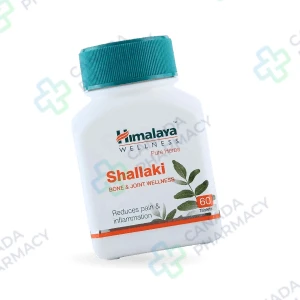
Shallaki
Price range: $ 53,00 through $ 203,00
Shallaki is a powerful herbal supplement derived from Boswellia serrata that is widely recognized for its potent anti-inflammatory properties. This natural extract helps maintain healthy joints by supporting the structural integrity of cartilage and improving blood supply to joint tissues. It is particularly effective for those seeking relief from stiffness and discomfort associated with chronic inflammatory conditions like osteoarthritis. Regular use promotes enhanced flexibility and mobility, allowing for a more active and comfortable lifestyle. By inhibiting specific enzymes that cause swelling, Shallaki provides a gentle yet effective way to manage daily physical wellness.
Active substance: boswellic acid
Delivery: 5–21 days (depending on the shipping method)
Extra 10% discount with coupon: IT4K6SVM
Each dosage option has its own packaging choices.
Description
Shallaki belongs to a category of botanical supplement extracts derived from the gum resin of the Boswellia serrata tree, historically used in traditional Ayurvedic medicine. In the United States, Shallaki products are evaluated under federal regulations applicable to dietary supplements rather than prescription pharmaceuticals, dispensed in accordance with applicable federal and state regulations.
While clinical interest focuses on its potential role in supporting joint comfort and modulating inflammatory pathways, individual response can vary based on extract standardization and boswellic acid concentrations. Understanding its pharmacologic profile, potential herb-drug interactions, and proper administration is essential for safe integration into a health regimen.
| Attribute | Details |
|---|---|
| Active Ingredient | Boswellia serrata resin extract |
| Therapeutic Class | Herbal dietary supplement / Botanical extract |
| Dosage Form | Oral capsule / tablet |
| Route of Administration | Oral |
| Primary Purpose | Joint comfort and musculoskeletal support |
| Prescription Status | Dispensed in accordance with applicable federal and state regulations |
| Storage Conditions | 59°F to 86°F (15°C to 30°C) |
Clinical Overview and Dosage Guidelines
How the Extract Works in the Body
Boswellic acids, particularly 3-O-acetyl-11-keto-beta-boswellic acid (AKBA), serve as the primary bioactive constituents of Shallaki. Research indicates that AKBA functions as a non-redox inhibitor of 5-lipoxygenase (5-LOX), an enzyme responsible for synthesizing pro-inflammatory leukotrienes such as leukotriene B4. Unlike nonsteroidal anti-inflammatory drugs (NSAIDs) that primarily target cyclooxygenase (COX-1 and COX-2) enzymes, boswellic acids selectively target the leukotriene cascade. On one hand, this unique mechanism avoids direct inhibition of protective gastric prostaglandins; on the other hand, its anti-inflammatory onset may be more gradual compared to synthetic analgesics. Additionally, boswellic acids may inhibit human leukocyte elastase (HLE), further mitigating connective tissue degradation within joint spaces.
Main uses
Shallaki is primarily utilized as a dietary supplement to support joint motility, cartilage structure, and musculoskeletal comfort. Clinical investigations have focused on its adjunctive role in osteoarthritic conditions, particularly knee joint stiffness and discomfort during movement. Additionally, preliminary literature explores its application in chronic mucosal inflammation, such as inflammatory bowel disorders, though these applications represent non-FDA-approved indications. Patients evaluating Shallaki often compare it to conventional chondroprotective supplements like glucosamine or chondroitin. While some small trials demonstrate reduced morning stiffness within 2 to 4 weeks of consistent administration, Shallaki is not indicated for acute pain management or rapid anti-inflammatory rescue therapy.
Day-to-day use
Integrating Shallaki into daily routines requires consistent daily administration rather than intermittent, as-needed use. Standardized formulations are typically taken once or twice daily, preferably alongside meals containing dietary fats to enhance lipophilic extract absorption. Patients tracking joint mobility should maintain a daily log of morning stiffness duration and physical performance to objectively measure response over 4 to 8 weeks. Swallowing capsules whole with a full glass of water prevents potential esophageal irritation.
How to take it
Dosing of Shallaki varies based on the extract’s standardization, which usually targets 30% to 65% total boswellic acids. In clinical evaluations, standard adult regimens generally range from 300 mg to 500 mg taken orally two to three times daily. The total daily intake should conform strictly to the product label or guidance provided by a qualified healthcare practitioner. Because boswellic acids are lipid-soluble compounds, oral bioavailability improves substantially when taken with food. Capsules should not be crushed, chewed, or opened unless specifically formulated for oral suspension. If a patient experiences mild gastrointestinal upset, dividing the daily amount into smaller, more frequent doses with meals often improves tolerability.
What Happens in the Body
Following oral administration, boswellic acids undergo absorption through the gastrointestinal tract, with peak plasma concentrations (Cmax) occurring approximately 2 to 4 hours post-ingestion. Lipophilic formulation characteristics cause systemic exposure to increase when co-administered with fatty meals. In the bloodstream, boswellic acids bind extensively to plasma proteins, primarily serum albumin. Hepatic metabolism occurs predominantly via cytochrome P450 enzyme pathways, particularly CYP3A4 and CYP2C9. Elimination occurs primarily through biliary excretion into the feces, with a minor percentage eliminated via renal mechanisms. The elimination half-life of key boswellic acids like AKBA ranges approximately from 4 to 6 hours in human pharmacokinetic studies.
What to avoid while taking it
Co-administration of Shallaki with heavy alcohol consumption is not recommended, as ethanol can compound gastrointestinal mucosal irritation. Dietary fats, conversely, positively influence absorption; consuming capsules with meals containing avocado, olive oil, or yogurt enhances bioavailability. Patients should avoid combining high-dose Shallaki extracts with potent botanical CYP inhibitors (such as high-dose grapefruit juice or St. John’s Wort) without medical consultation, as altered hepatic metabolism may affect systemic exposure of concomitant medications.
Safety Profile and Frequently Asked Questions
Drug Interactions and Precautions
Shallaki exhibits potential interactions with several therapeutic drug classes due to its modulation of CYP2C9, CYP3A4, and 5-LOX pathways. Concomitant use with oral anticoagulants or antiplatelet agents–such as warfarin, aspirin, or clopidogrel–may modestly increase bleeding risk, requiring careful monitoring of coagulation parameters. When used alongside conventional nonsteroidal anti-inflammatory drugs (NSAIDs) like ibuprofen or naproxen, additive anti-inflammatory actions may occur, though gastrointestinal monitoring remains prudent. Additionally, because boswellic acids may modulate immune function, concurrent administration with systemic immunosuppressants (such as cyclosporine or tacrolimus) warrants direct medical supervision. Always provide a full supplement list to your prescribing physician or clinical pharmacist.
Adverse reactions
Shallaki is generally well-tolerated in clinical trials, but adverse events can occur. Gastrointestinal complaints are the most frequently reported side effects, including mild nausea, epigastric discomfort, abdominal bloating, acid reflux, and loose stools. Dermatologic reactions such as localized skin rash, pruritus, or urticaria occur less commonly. Rarely, patients report transient dizziness or headache. On one hand, severe systemic toxicities are rare with standardized commercial extracts; on the other hand, high-dose administration may exacerbate underlying gastroesophageal reflux disease (GERD). Patients experiencing persistent abdominal pain or allergic cutaneous manifestations should discontinue usage and contact a medical professional.
Important precautions
Caution is warranted when administering Shallaki to specific patient populations. Safety during pregnancy and lactation has not been conclusively established in human clinical trials; therefore, use during pregnancy is not recommended due to potential emmenagogue effects reported in traditional literature. Pediatric safety profiles remain unstudied, and use in children under 18 years requires direct medical oversight. Individuals with pre-existing hepatic impairment or severe renal insufficiency should exercise caution, as safety data in end-stage organ dysfunction is limited. Patients scheduled for elective surgical procedures should discontinue Shallaki at least 14 days prior to surgery to minimize theoretical bleeding complications associated with antiplatelet modulation.
When to Seek Emergency Medical Attention
Immediate emergency medical evaluation is necessary if signs of a severe hypersensitivity reaction emerge, including angioedema (swelling of the face, lips, tongue, or throat), severe dyspnea, acute wheezing, or widespread urticaria. Furthermore, signs of unexpected gastrointestinal bleeding–such as hematemesis (vomiting blood or coffee-ground material), melena (black, tarry stools), or severe, sudden abdominal pain–require prompt clinical intervention in an emergency setting (such as an urgent care facility in New York or local emergency room).
Storage and expiration
Store Shallaki capsules in their original tightly sealed container at controlled room temperature between 59°F and 86°F (15°C to 30°C). Keep the bottle protected from excessive heat, direct sunlight, and moisture, avoiding humid environments such as bathroom cabinets. Keep out of reach of children and pets. Do not use after the printed expiration date located on the container label.
Common questions
How long does it typically take to notice joint support benefits from Shallaki?
Unlike fast-acting analgesics, Shallaki works through gradual enzymatic modulation of leukotriene pathways. Clinical evaluations report noticeable improvements in morning joint mobility and flexibility after 2 to 4 weeks of continuous daily administration. Consistency in dosing alongside fatty meals optimizes absorption and clinical response.
Can I take Shallaki alongside my daily prescription multivitamin or fish oil?
Shallaki can generally be co-administered with standard multivitamins and omega-3 fish oil supplements. In fact, dietary lipids in fish oil softgels may assist in the absorption of lipophilic boswellic acids. However, because both fish oil and Shallaki possess mild antiplatelet properties, combining high doses of both warrants routine oversight if you take prescription blood thinners.
What should I do if I accidentally forget to take a scheduled dose of Shallaki?
If you miss a dose, take it as soon as you remember with a light meal or snack. However, if it is almost time for your next scheduled dose, skip the missed dose entirely and resume your normal dosing schedule. Do not double the dose to make up for a missed tablet.
Is it safe to drive or operate machinery after taking Shallaki capsules?
Shallaki does not possess central nervous system depressant effects and does not impair cognitive function or motor coordination. Drowsiness is not a recognized side effect of Boswellia serrata extracts. Unless you experience uncommon side effects such as dizziness, normal daily activities including driving may be continued.
Can Shallaki be taken continuously for several months without taking a break?
Human clinical trials evaluating standardized Boswellia serrata extracts have demonstrated favorable safety profiles over continuous periods of 3 to 6 months. Long-term use beyond 6 months should be periodically evaluated with your primary healthcare provider to monitor joint function and overall systemic health.
This text is for informational purposes only and does not constitute individual medical advice.
In accordance with FDA requirements: This product is a dietary supplement and is not intended to diagnose, treat, cure, or prevent any disease.
Additional information
| Dosage |
60caps |
|---|---|
| Package |
2 bottles ,3 bottles ,4 bottles ,5 bottles ,6 bottles ,7 bottles ,8 bottles ,9 bottles ,10 bottles |
| Ενεργός Ουσία |
Related products
Abana
Price range: $ 89,00 through $ 580,00
Active substance: Abana
More Details
This product has multiple variants. The options may be chosen on the product page
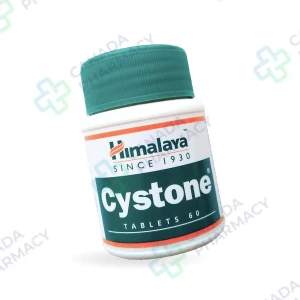
Cystone
Price range: $ 63,00 through $ 76,00
Active substance: Pasanabheda, Shilapushpa
More Details
This product has multiple variants. The options may be chosen on the product page
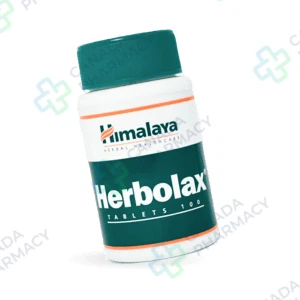
Herbolax
Price range: $ 50,00 through $ 83,00
Active substance: Chebulic Myrobalan, Trivruth
More Details
This product has multiple variants. The options may be chosen on the product page

Himplasia
Price range: $ 55,00 through $ 210,00
Active substance: Himplasia
More Details
This product has multiple variants. The options may be chosen on the product page
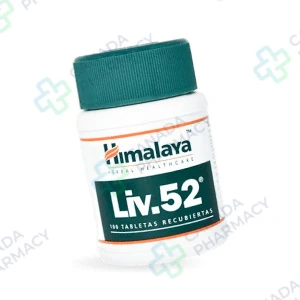
Liv.52
Price range: $ 55,00 through $ 118,00
Active substance: himsra kasani
More Details
This product has multiple variants. The options may be chosen on the product page
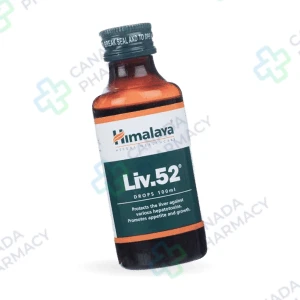
Liv.52 Drops
$ 50,00
Active substance: Chicory, The Caper Bush
More Details
This product has multiple variants. The options may be chosen on the product page
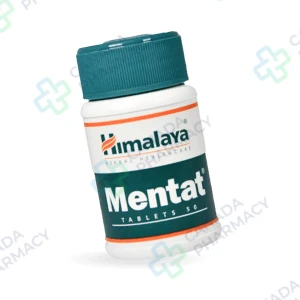
Mentat
Price range: $ 56,00 through $ 236,00
Active substance: Brahmi
More Details
This product has multiple variants. The options may be chosen on the product page