

-13%
VPXL
Price range: $ 39,00 through $ 98,00
Yagara
Price range: $ 25,00 through $ 69,00
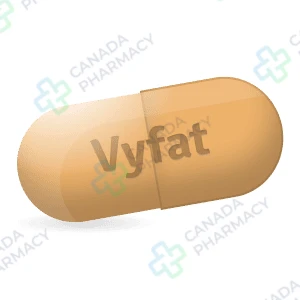
Vyfat
Price range: $ 40,00 through $ 105,00
Vyfat is an effective medication specifically designed to support individuals in their weight management journey. The active formula works by inhibiting the absorption of dietary fats in the digestive system, allowing them to pass through the body naturally. This treatment is highly beneficial for those managing obesity or overweight conditions in conjunction with a balanced, low-calorie diet. By reducing the overall caloric intake from fats, it helps facilitate consistent and sustainable weight loss. Regular use of Vyfat promotes long-term health by assisting in the maintenance of a healthy weight and preventing weight regain.
Active substance: Orlistat
Delivery: 5–21 days (depending on the shipping method)
Extra 10% discount with coupon: IT4K6SVM
Each dosage option has its own packaging choices.
Description
Vyfat belongs to a class of gastrointestinal agents known as lipase inhibitors. It is prescribed alongside a reduced-calorie, low-fat diet for weight management in individuals meeting specific medical criteria, including those with significant weight-related comorbidities.
As a formulation containing Orlistat (120 mg), Vyfat is dispensed in accordance with applicable federal and state regulations in the United States. Clinical decisions regarding treatment duration and suitability must be made by a licensed healthcare provider following a formal health evaluation.
| Parameter | Clinical Description |
|---|---|
| Active Ingredient | Orlistat |
| Therapeutic Class | Gastrointestinal Lipase Inhibitor |
| Dosage Form | Oral Capsule (120 mg) |
| Route of Administration | Oral |
| Primary Purpose | Weight management and risk reduction in qualifying patients |
| Storage Conditions | Controlled room temperature (20°C to 25°C / 68°F to 77°F) |
Main Uses
Vyfat is indicated for weight management, including weight loss and weight maintenance, when used in conjunction with a reduced-calorie, low-fat diet. It is intended for patients with an initial body mass index (BMI) of 30 kg/m² or greater, or a BMI of 27 kg/m² or greater in the presence of risk factors such as hypertension, type 2 diabetes mellitus, or dyslipidemia.
The primary therapeutic objective of therapy is to assist in achieving clinically meaningful reduction in body weight, which can subsequently improve metabolic health parameters. It is not indicated as a standalone intervention and requires active dietary modifications to achieve clinical efficacy.
How the Drug Works
The mechanism of action involves the reversible inhibition of gastrointestinal lipases. Vyfat exerts its pharmacological activity within the lumen of the stomach and small intestine by forming a covalent bond with the active serine site of gastric and pancreatic lipases.
Inactivated enzymes are rendered incapable of hydrolyzing dietary triglycerides into absorbable free fatty acids and monoglycerides. Unabsorbed dietary fat is subsequently excreted in the feces. At the recommended therapeutic dosage of 120 mg three times daily, the drug inhibits the absorption of approximately 30% of dietary fat.
What Happens in the Body
Systemic absorption of the active substance is minimal. Following oral administration, plasma concentrations of intact Orlistat are generally non-quantifiable (less than 5 ng/mL). Minimal systemic exposure indicates that therapeutic action takes place locally within the gastrointestinal tract.
Metabolism occurs primarily within the gastrointestinal wall, yielding two principal inactive metabolites designated M1 and M3. Elimination is almost entirely fecal, with over 97% of the administered dose excreted in feces, approximately 83% of which is unchanged active compound. Renal excretion accounts for less than 2% of total cumulative dose. The complete fecal excretion of unabsorbed dietary fat returns to baseline levels within 48 to 72 hours after treatment discontinuation.
How to Take It
The standard adult dosage is one 120 mg capsule taken three times daily. Each capsule should be taken during or up to one hour after each main meal that contains fat. If a meal is occasionally missed or contains no dietary fat, the dose for that specific meal should be omitted.
Patients should adhere to a nutritionally balanced, reduced-calorie diet where approximately 30% of total daily calories originate from fat. Daily intake of fat, carbohydrates, and proteins should be evenly distributed across three main meals to prevent localized excessive fat exposure in the digestive tract.
If You Skip a Dose
If a dose is missed during a fat-containing meal, it may be taken within one hour following that meal. If more than one hour has elapsed since the completion of the meal, the missed capsule should be skipped entirely, and treatment should resume at the next scheduled main meal.
Dosages should not be doubled under any circumstances to compensate for a missed capsule. Administering multiple doses simultaneously increases the risk of local gastrointestinal adverse effects without enhancing therapeutic efficacy.
Compatibility with Other Medicines
Vyfat exhibits clinically significant interactions with several therapeutic classes due to its effect on fat absorption and gastrointestinal motility:
- Cyclosporine: Concomitant administration can decrease plasma concentrations of cyclosporine. Cyclosporine should be administered at least 3 hours before or 3 hours after Vyfat, with frequent monitoring of blood cyclosporine levels.
- Levothyroxine: Hypothyroidism has been reported during co-administration. Doses of levothyroxine and Vyfat should be separated by at least 4 hours, and thyroid function should be monitored regularly.
- Fat-Soluble Vitamins: Absorption of vitamins A, D, E, and K, as well as beta-carotene, may be reduced. A daily multivitamin supplement containing these fat-soluble vitamins should be taken at bedtime, at least 2 hours before or after taking the medication.
- Warfarin and Oral Anticoagulants: Alterations in vitamin K absorption may affect International Normalized Ratio (INR) levels. Patients on stable anticoagulant therapy require close monitoring of coagulation parameters.
- Antiepileptic Drugs: Convulsions have been reported in patients taking concomitant antiepileptic medications, potentially due to altered drug absorption. Monitoring of serum antiepileptic concentrations is recommended.
What to Avoid While Taking It
Consuming meals with a fat content exceeding 30% of total daily caloric intake increases the frequency and severity of gastrointestinal adverse effects. High-fat meals can cause severe digestive discomfort, severe cramping, and urgent bowel movements.
Excessive consumption of alcohol should be avoided during weight loss therapy. Chronic heavy alcohol intake can complicate metabolic monitoring, interfere with dietary compliance, and increase the risk of underlying metabolic liver disease.
Adverse Reactions
Adverse events associated with therapy are predominantly gastrointestinal in nature and directly correlate with the mechanism of action regarding unabsorbed fat excretion:
- Oily spotting on underwear
- Flatus with discharge
- Fecal urgency and oily or fatty stool
- Increased frequency of defecation and fecal incontinence
- Abdominal pain, discomfort, or flatulence
Rare but severe adverse reactions reported in clinical post-marketing surveillance include severe liver injury (rare instances of hepatic failure), nephrolithiasis (oxalate kidney stones), and cholelithiasis (gallstones). Patients experiencing signs of liver dysfunction, such as jaundice, dark urine, severe fatigue, or severe upper right quadrant pain, require immediate clinical evaluation.
Before You Take It
Therapy is contraindicated in patients with chronic malabsorption syndrome, cholestasis, or known hypersensitivity to Orlistat or any inactive component of the capsule shell. Prior to initiating treatment, underlying organic causes of obesity (such as untreated hypothyroidism) should be ruled out.
Caution is advised in individuals with a history of hyperoxaluria or calcium oxalate nephrolithiasis, as increased urinary oxalate levels have been observed during treatment. In patients with type 2 diabetes, weight loss induced by therapy may improve glycemic control, necessitating a reduction in the dosage of oral hypoglycemic agents or insulin under medical supervision.
Pregnancy, Breastfeeding, and Other Groups
Vyfat is contraindicated during pregnancy. Weight loss offers no potential benefit to a pregnant woman and may result in fetal harm. If pregnancy occurs during treatment, therapy should be discontinued immediately.
It is not established whether Orlistat is excreted in human milk. Because minimal systemic absorption occurs, excretion in human milk is expected to be minimal; however, caution should be exercised when administered to a nursing woman. Safety and effectiveness in pediatric populations under 12 years of age have not been established.
Practical Tips
Patients should establish a consistent daily routine that incorporates balanced nutrition, structured physical activity, and appropriate timing of multivitamin supplementation. Maintaining a detailed daily log of fat intake helps predict and minimize gastrointestinal side effects.
Multivitamin administration should ideally occur at bedtime to ensure maximum separation from active therapy, optimizing the bio-absorption of essential fat-soluble nutrients throughout long-term weight management protocols.
Common Questions
How does Vyfat impact fat-soluble vitamin absorption in the body?
Because the medication inhibits the digestion and systemic bioavailability of dietary fats, the absorption of fat-soluble vitamins (A, D, E, and K) and beta-carotene is reduced. To maintain adequate nutritional status, patients are advised to take a daily multivitamin supplement containing these specific micronutrients. This supplement should be taken at bedtime, at least two hours before or after a dose, to ensure proper systemic absorption.
What should be done if a meal contains virtually no fat?
If a scheduled meal contains no dietary fat, or if a meal is skipped entirely, the dose for that specific meal should be omitted. The therapeutic activity depends on the presence of dietary fat within the digestive tract. Administering the medication without fat provides no pharmacological benefit and is not medically necessary.
Can Vyfat be taken concurrently with oral levothyroxine for thyroid conditions?
Co-administration can decrease the bioavailability of levothyroxine, leading to reduced thyroid hormone effectiveness. To minimize this interaction, doses of levothyroxine and Vyfat must be separated by at least four hours. Patients receiving concomitant therapy should have their thyroid function parameters monitored closely by their prescribing clinician.
How quickly is dietary fat elimination altered after starting treatment?
Inhibition of gastrointestinal lipases begins rapidly following the first oral dose during a fat-containing meal. An increase in fecal fat content is typically measurable within 24 to 48 hours following initiation of therapy. Upon treatment cessation, fecal fat concentration returns to baseline pre-treatment levels within 48 to 72 hours.
Is monitoring of liver function required during therapy?
Routine baseline liver function tests may be recommended by a physician prior to starting treatment. Patients should monitor for potential clinical manifestations of hepatic injury, such as persistent anorexia, pruritus, jaundice, dark urine, or upper right quadrant abdominal tenderness, and report these symptoms promptly to their healthcare professional.
In accordance with FDA requirements.
This text is for informational purposes only and does not constitute individual medical advice.
Additional information
| Dosage |
120 mg |
|---|---|
| Package |
20 caps ,40 caps ,60 caps |
| Ενεργός Ουσία |
Related products
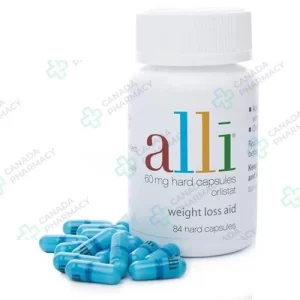
Alli
Price range: $ 41,00 through $ 317,00
Active substance: Orlistat
More Details
This product has multiple variants. The options may be chosen on the product page
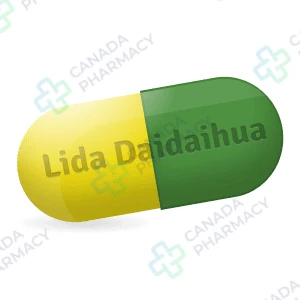
Lida daidaihua
Price range: $ 52,00 through $ 171,00
Active substance: Synephrine
More Details
This product has multiple variants. The options may be chosen on the product page
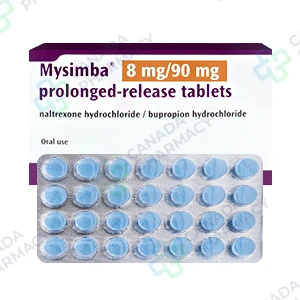
Mysimba
Price range: $ 70,00 through $ 688,00
Active substance: Bupropion, Naltrexone
More Details
This product has multiple variants. The options may be chosen on the product page
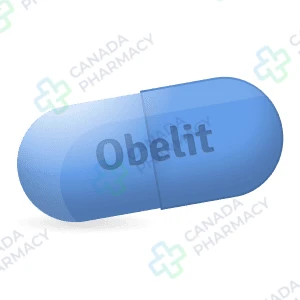
Obelit
Price range: $ 33,00 through $ 474,00
Active substance: Orlistat
More Details
This product has multiple variants. The options may be chosen on the product page
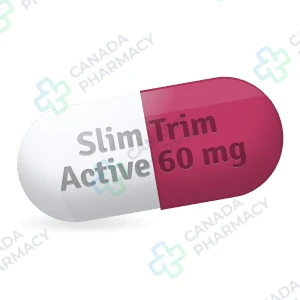
Slim Trim Active
Price range: $ 54,00 through $ 145,00
Active substance: Orlistat
More Details
This product has multiple variants. The options may be chosen on the product page
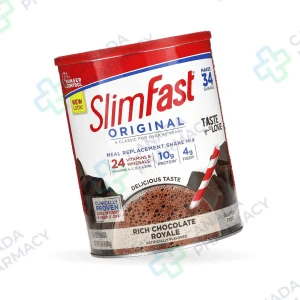
Slimfast
Price range: $ 20,00 through $ 54,00
Active substance: Orlistat
More Details
This product has multiple variants. The options may be chosen on the product page
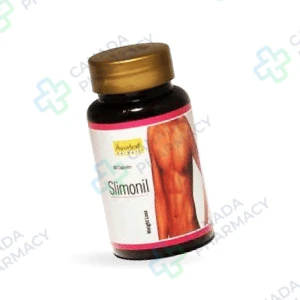
Slimonil
Price range: $ 53,00 through $ 76,00
More Details
This product has multiple variants. The options may be chosen on the product page
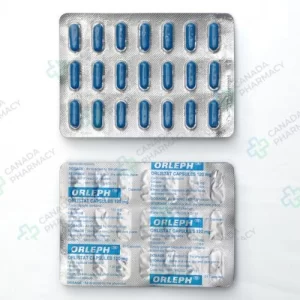
Xenical
Price range: $ 45,00 through $ 400,00
Active substance: Orlistat
More Details
This product has multiple variants. The options may be chosen on the product page