

-32%
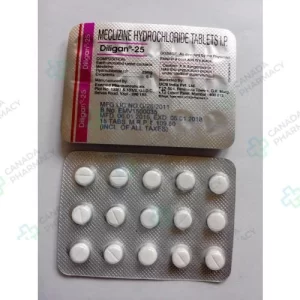
Antivert
Price range: $ 45,00 through $ 121,00
Aquazide
Price range: $ 18,00 through $ 30,00
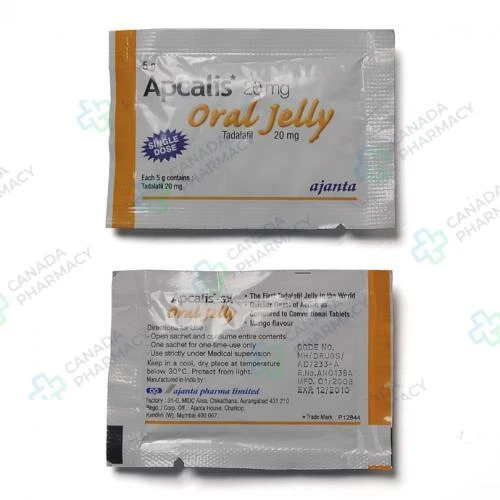
Apcalis SX Oral Jelly
Price range: $ 48,00 through $ 325,00
Apcalis SX Oral Jelly is a highly effective and convenient treatment designed for men experiencing erectile dysfunction. Containing Tadalafil as its active ingredient, this medication works by increasing blood flow to the pelvic area to help achieve and maintain a firm erection. The unique jelly formulation allows for faster absorption into the bloodstream compared to traditional tablets, leading to quicker results. Known for its long-lasting performance, a single dose can remain effective for up to 36 hours, providing greater spontaneity in intimate moments. Available in various pleasant fruity flavors, this oral jelly offers a discreet and easy-to-swallow alternative for those who prefer not to use traditional pills.
Active substance: Tadalafil
Delivery: 5–21 days (depending on the shipping method)
Extra 10% discount with coupon: IT4K6SVM
Each dosage option has its own packaging choices.
Description
Apcalis SX Oral Jelly: What You Need to Know
Apcalis SX Oral Jelly belongs to the class of phosphodiesterase type 5 (PDE5) inhibitors, formulated with tadalafil as its active pharmaceutical ingredient. The oral jelly form is designed to provide an alternative liquid-gel administration route for individuals who experience difficulty swallowing solid oral tablets. In the United States, medications containing tadalafil are subject to regulatory oversight and are dispensed in accordance with applicable federal and state laws governing prescription therapeutics.
The therapeutic focus of tadalafil centers on vascular smooth muscle relaxation, primarily enhancing penile blood flow during sexual stimulation. While tadalafil is widely prescribed under approved brand formulations for erectile dysfunction and pulmonary arterial hypertension, oral jelly formulations require careful medical evaluation prior to use due to potential systemic cardiovascular effects and systemic drug interactions.
| Parameter | Details |
|---|---|
| Drug Name | Apcalis SX Oral Jelly |
| Active Ingredient (INN) | Tadalafil |
| Therapeutic Class | Phosphodiesterase Type 5 (PDE5) Inhibitor |
| Dosage Form | Oral Jelly (Liquid Gel Sachet) |
| Route of Administration | Oral |
| Primary Purpose | Treatment of Erectile Dysfunction (ED) |
| Storage Conditions | Store below 86°F (30°C), protected from moisture and direct heat |
How the Drug Works
Tadalafil acts as a selective inhibitor of cyclic guanosine monophosphate (cGMP)-specific phosphodiesterase type 5 (PDE5). During local physiological sexual arousal, nitric oxide is released in the corpus cavernosum of the penis, which stimulates the enzyme guanylate cyclase to produce cGMP. Elevated cGMP levels induce smooth muscle relaxation and arterial vasodilation within penile erectile tissue, facilitating increased blood inflow.
The enzyme PDE5 is naturally responsible for degrading cGMP in the vascular smooth muscle. By selectively inhibiting PDE5, tadalafil prevents the breakdown of cGMP, thereby enhancing and sustaining the physiological erectile response to sexual stimulation. Tadalafil has no direct relaxant effect on isolated human corpus cavernosum in the absence of nitric oxide release; therefore, baseline sexual stimulation remains prerequisite for therapeutic efficacy.
What it’s used for
The primary clinical indication for tadalafil is the management of erectile dysfunction (ED) in adult males. In standard medical practice, PDE5 inhibitors assist in restoring erectile responsiveness when underlying vascular, neurological, or psychogenic factors impair natural arterial blood flow. Tadalafil is also FDA-approved under specific tablet formulations for the treatment of signs and symptoms of benign prostatic hyperplasia (BPH) and for pulmonary arterial hypertension (PAH). Any use of oral jelly forms for unapproved indications or off-label dosing schedules must be evaluated and supervised by a licensed healthcare professional.
What to expect when starting treatment
When initiating treatment with an oral jelly formulation of tadalafil, patients typically observe a prompt onset of action due to the rapid disintegration of the liquid gel matrix in the oral cavity and stomach. Initial systemic absorption allows peak plasma levels to be reached quickly, often within 30 to 60 minutes after administration. Patients should note that spontaneous erections will not occur without natural sexual arousal. Initial therapy should be monitored for both physiological response and tolerance before any adjustments to dosing frequency or strength are considered.
Dosing schedule
Dosing schedules for tadalafil must be individualized based on clinical response, renal and hepatic clearance parameters, and patient tolerance. For on-demand administration prior to anticipated sexual activity, the standard starting dosage of tadalafil is 10 mg taken orally. Depending on individual response and adverse effects, the dose may be increased to 20 mg or reduced to 5 mg. The oral jelly sachet is consumed directly from the packet without requiring water. The maximum recommended dosing frequency is once per day. Taking multiple doses within a 24-hour window increases the risk of severe hypotension and systemic toxicity.
How it’s absorbed and eliminated
Following oral administration, tadalafil is absorbed rapidly, reaching mean maximum plasma concentrations (Cmax) between 30 minutes and 6 hours (median time approximately 2 hours) post-dose. The absolute bioavailability of tadalafil following oral administration has not been fully determined. Absorption rate and extent are not meaningfully affected by food intake, allowing administration independent of meals. Tadalafil distributes extensively into tissues and is approximately 94% bound to plasma proteins in human circulation.
The drug undergoes predominant hepatic metabolism primarily via the cytochrome P450 3A4 (CYP3A4) enzyme pathway. The major circulating metabolite is the methylcatechol glucuronide, which demonstrates negligible PDE5 inhibitory activity compared to the parent compound. The mean terminal elimination half-life of tadalafil in healthy subjects is approximately 17.5 hours. Excretion occurs predominantly as inactive metabolites, with approximately 61% of the dose eliminated in feces and 36% excreted in urine.
Compatibility with other medicines
Tadalafil exhibits significant pharmacodynamic and pharmacokinetic interactions with several drug classes. Co-administration with organic nitrates (such as nitroglycerin, isosorbide mononitrate, or isosorbide dinitrate) or nitric oxide donors (such as amyl nitrite) is strictly contraindicated. Combined use can precipitate potentiation of hypotensive effects, leading to severe and potentially fatal drops in systemic blood pressure.
Caution is warranted when co-administering tadalafil with alpha-adrenergic blockers (e.g., tamsulosin, doxazosin) prescribed for hypertension or BPH, as concurrent arterial vasodilation can cause symptomatic orthostatic hypotension. Strong CYP3A4 inhibitors (including ketoconazole, itraconazole, ritonavir, and erythromycin) increase systemic exposure (AUC) to tadalafil, necessitating conservative dosing. Conversely, potent CYP3A4 inducers (such as rifampin, carbamazepine, and phenytoin) can substantially decrease plasma tadalafil concentration, compromising therapeutic efficacy.
What to avoid while taking it
While tadalafil can be ingested without regard to meal timing, patients should refrain from consuming excessive amounts of alcohol during treatment. Both alcohol and tadalafil possess mild vasodilatory properties; simultaneous consumption of substantial quantities of alcohol can increase the incidence of orthostatic signs and symptoms, including increased heart rate, standing blood pressure decrease, dizziness, and headache. Additionally, grapefruit juice should be avoided because it inhibits CYP3A4 enzymes in the gut wall, potentially elevating active drug blood levels unpredictably.
Adverse Reactions
The adverse reaction profile of tadalafil is predominantly linked to its vasodilatory action on vascular smooth muscle. Most reported side effects are mild to moderate in severity and tend to transiently subside as systemic drug concentration declines. Patients should discuss persistent or troubling symptoms with their prescribing clinician.
- Headache and facial flushing
- Dyspepsia (indigestion) and acid reflux
- Nasal congestion or nasopharyngitis
- Back pain and myalgia (muscle aches)
- Pain in extremities
- Dizziness and lightheadedness
- Mild visual alterations (tinted vision or blurred vision)
Red Flags
Certain severe, unexpected adverse events require immediate cessation of the drug and urgent medical intervention. Patients must be aware of critical safety thresholds while undergoing treatment.
- Erectile response lasting longer than 4 hours (priapism), which can cause permanent tissue damage if unmanaged
- Sudden decrease or total loss of vision in one or both eyes (potential NAION)
- Sudden reduction or loss of hearing, sometimes accompanied by tinnitus or dizziness
- Severe chest pain, pressure, or irregular heartbeat during or following sexual activity
- Symptoms of a severe hypersensitivity reaction, including rash, swelling of the face, lips, tongue, or throat, and difficulty breathing
Before you take it
Prior to prescribing tadalafil, a comprehensive clinical evaluation of the patient’s cardiovascular status is essential, as sexual activity carries a degree of cardiac risk. Tadalafil is not recommended for men with cardiac disease for whom sexual activity is inadvisable. Specific populations requiring careful evaluation include patients with a history of myocardial infarction within the last 90 days, unstable angina, severe heart failure (NYHA Class II or greater), uncontrolled arrhythmias, stroke within the past 6 months, or uncontrolled hypertension/hypotension.
Dosage adjustments are required for patients with moderate to severe renal impairment (creatinine clearance less than 50 mL/min). In patients with severe hepatic impairment (Child-Pugh Class C), use of tadalafil is generally not recommended due to limited clinical data. Tadalafil is not indicated for use in pediatric populations or in female patients.
How to store it
Apcalis SX Oral Jelly sachets should be stored in their original packaging at controlled room temperature between 59°F and 86°F (15°C to 30°C). Protect the product from direct sunlight, moisture, and excessive ambient heat. Do not freeze oral jelly sachets. Keep all pharmaceutical preparations securely stored out of the reach of children and domestic pets. Expired or unneeded jelly packets should be disposed of in accordance with local environmental safety guidelines and pharmacy return protocols.
Frequently Asked Questions
What should I do if I forget to take a scheduled daily dose of tadalafil?
If you are taking tadalafil on a regular daily schedule and miss a dose, take the missed dose as soon as you remember that day. However, if it is nearly time for your next scheduled dose, skip the missed sachet and resume your normal dosing schedule. Do not double the dose to make up for a missed sachet.
Is it safe to drive or operate heavy machinery after using Apcalis SX Oral Jelly?
Tadalafil may cause dizziness, lightheadedness, or minor visual disturbances in certain individuals owing to transient blood pressure changes. You should observe how your body responds to the medication before attempting to drive or operate machinery. If you experience lightheadedness or visual changes, avoid performing potentially hazardous tasks.
Why does tadalafil sometimes cause back pain or muscle aches?
Back pain and myalgia associated with tadalafil are attributed to the inhibition of PDE5 and low-level cross-reactivity with PDE11 enzymes located in skeletal muscle tissue. These symptoms typically develop 12 to 24 hours after administration and generally resolve spontaneously within 48 hours without causing structural muscle damage.
Can tadalafil be taken alongside routine blood pressure medications?
Because tadalafil exhibits systemic vasodilatory activity, combining it with daily antihypertensive drugs can lead to additive reductions in blood pressure. While often manageable, your physician must review your medication profile to determine if dosage adjustments or enhanced monitoring are necessary.
How long does tadalafil remain active in the human body?
Tadalafil has an extended terminal elimination half-life of approximately 17.5 hours. Because of this slow elimination rate, therapeutic plasma levels and potential drug interactions (such as with nitrates or alpha-blockers) can persist for up to 36 hours after taking a single dose.
This text is for informational purposes only and does not constitute individual medical advice. In accordance with FDA requirements.
Additional information
| Dosage |
20mg |
|---|---|
| Package |
10 sachets ,20 sachets ,30 sachets ,50 sachets ,70 sachets ,100 sachets |
| Ενεργός Ουσία |
Related products
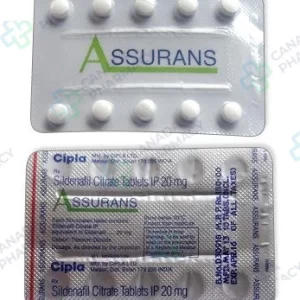
Assurans
Price range: $ 50,00 through $ 70,00
Active substance: Sildenafil Citrate
More Details
This product has multiple variants. The options may be chosen on the product page
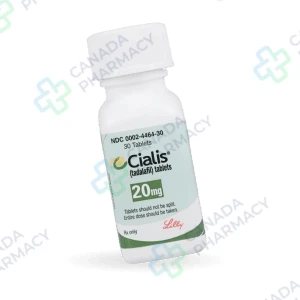
Bottled Cialis
Price range: $ 152,00 through $ 334,00
Active substance: Tadalafil
More Details
This product has multiple variants. The options may be chosen on the product page
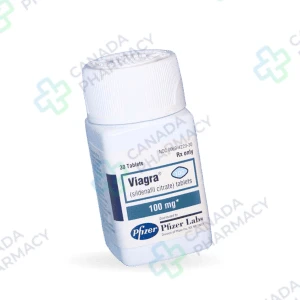
Bottled Viagra
Price range: $ 114,00 through $ 324,00
Active substance: Sildenafil
More Details
This product has multiple variants. The options may be chosen on the product page
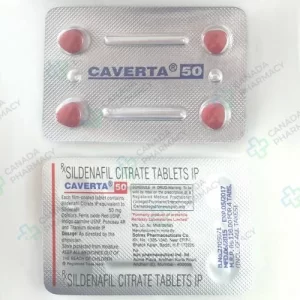
Caverta
Price range: $ 135,00 through $ 248,00
Active substance: Sildenafil
More Details
This product has multiple variants. The options may be chosen on the product page
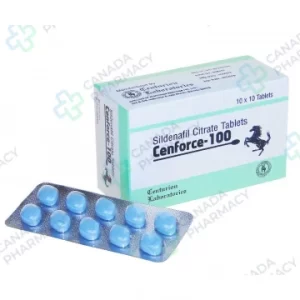
Cenforce
Price range: $ 40,00 through $ 1 100,00
Active substance: Sildenafil
More Details
This product has multiple variants. The options may be chosen on the product page
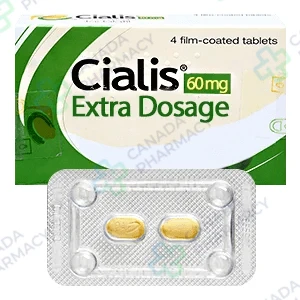
Cialis Extra Dosage
Price range: $ 50,00 through $ 650,00
Active substance: Tadalafil
More Details
This product has multiple variants. The options may be chosen on the product page
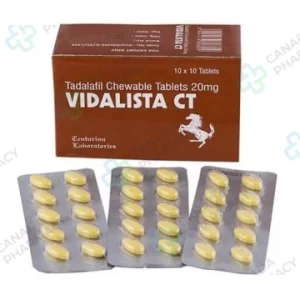
Cialis Soft
Price range: $ 54,00 through $ 442,00
Active substance: Tadalafil
More Details
This product has multiple variants. The options may be chosen on the product page
Duratia
Price range: $ 43,00 through $ 526,00
Active substance: Dapoxetine
More Details
This product has multiple variants. The options may be chosen on the product page