

-25%
Apcalis SX Oral Jelly
Price range: $ 48,00 through $ 325,00
Arava
Price range: $ 56,00 through $ 595,00
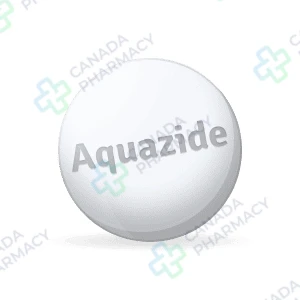
Aquazide
Price range: $ 18,00 through $ 30,00
Aquazide is a potent thiazide diuretic designed to help the body eliminate excess salt and water through increased urine production. It is primarily used to manage hypertension, effectively lowering high blood pressure to reduce the risk of strokes and heart attacks. Additionally, this medication is indicated for the treatment of edema, providing relief from fluid retention associated with congestive heart failure or renal dysfunction. By reducing swelling in the ankles, feet, and abdomen, Aquazide helps patients maintain a more comfortable and active lifestyle. This reliable treatment plays a crucial role in long-term cardiovascular health and fluid balance management.
Active substance: hydrochlorothiazide
Delivery: 5–21 days (depending on the shipping method)
Extra 10% discount with coupon: IT4K6SVM
Each dosage option has its own packaging choices.
Description
Aquazide (hydrochlorothiazide) belongs to a class of medications known as thiazide diuretics, which are widely prescribed in the United States for cardiovascular and renal management. It acts primarily on the renal tubules to inhibit sodium and chloride reabsorption, thereby promoting urinary excretion of fluid and reducing intravascular volume.
This prescription medication is dispensed in accordance with applicable federal and state regulations for the management of arterial hypertension and the control of peripheral or systemic edema. Proper medical evaluation is required prior to initiating treatment to establish baseline electrolyte concentration and renal function metrics.
| Property | Specification |
|---|---|
| Active ingredient | Hydrochlorothiazide |
| Therapeutic class | Thiazide diuretic / Antihypertensive |
| Dosage form | Oral tablet |
| Route of administration | Oral |
| Primary purpose | Hypertension management and edema reduction |
| Prescription status | Dispensed by prescription only under FDA regulations |
| Storage conditions | Store at 20°C to 25°C (68°F to 77°F) controlled room temperature |
Clinical Profile and Pharmacologic Action
How the drug works
Hydrochlorothiazide impairs the active reabsorption of sodium and chloride in the distal convoluted tubule of the nephron by inhibiting the sodium-chloride cotransporter (NCCT). This cellular action leads to increased urinary excretion of sodium, chloride, and accompanying water molecules. Secondary to sodium excretion, potassium and magnesium elimination are also increased, whereas renal calcium excretion is reduced. The initial blood pressure reduction occurs through a decrease in plasma and extracellular fluid volume, leading to decreased cardiac output. Over prolonged therapy, peripheral vascular resistance declines, which maintains the chronic antihypertensive effect even as plasma volume partially recovers.
What happens in the body
Following oral administration, hydrochlorothiazide is absorbed from the gastrointestinal tract with an estimated oral bioavailability of 65% to 80%. Peak plasma concentrations are achieved within 1.5 to 2.5 hours following administration. The onset of diuretic activity occurs within 2 hours, reaches peak efficacy at approximately 4 hours, and persists for 6 to 12 hours. Hydrochlorothiazide exhibits a plasma protein binding rate of 40% to 68% and selectively accumulates within red blood cells. The compound does not undergo substantial hepatic biotransformation and is eliminated unchanged via renal glomerular filtration and active tubular secretion. The plasma elimination half-life ranges from 5.6 to 14.8 hours in patients with normal kidney function.
What it’s used for
Aquazide is indicated for the management of essential hypertension as monotherapy or in combination with other antihypertensive agents, including angiotensin-converting enzyme (ACE) inhibitors, angiotensin receptor blockers (ARBs), or beta-blockers. Additionally, it is indicated as adjunctive therapy for the treatment of edema associated with congestive heart failure, hepatic cirrhosis with ascites, and renal dysfunction, including nephrotic syndrome. Off-label, hydrochlorothiazide is sometimes utilized under medical supervision for the prevention of calcium-containing renal calculi in hypercalciuric patients and the management of nephrogenic diabetes insipidus. Clinical assessment must precede any treatment decision to verify appropriate clinical indication.
Dosing schedule
Dosage regimens must be individualized by a licensed provider based on patient therapeutic response and laboratory profiles. For adult hypertension, the standard initial dose is 12.5 mg or 25 mg taken orally once daily in the morning to prevent nocturnal diuresis. If blood pressure response is inadequate, the dose may be increased up to 50 mg daily, though doses exceeding 50 mg daily are generally associated with a higher incidence of hypokalemia without significant additional blood pressure reduction. For edema management, initial dosing ranges from 25 mg to 50 mg daily, administered as a single dose or divided doses, with a maximum recommended dose of 100 mg daily reserved for refractory cases. Doses should be taken consistently with or without food.
Safety Guidelines and Precautions
Adverse reactions: Common adverse reactions associated with hydrochlorothiazide therapy include metabolic and electrolyte disturbances such as hypokalemia, hyponatremia, hypomagnesemia, and hypercalcemia. Patients may experience orthostatic hypotension, dizziness, headache, fatigue, hyperuricemia (which can precipitate acute gouty arthritis), and altered lipid parameters. Gastrointestinal symptoms, including mild nausea, vomiting, abdominal cramping, and diarrhea, have been recorded. Less common but severe adverse events include blood dyscrasias (such as leukopenia, agranulocytosis, and thrombocytopenia), pancreatitis, photosensitivity reactions, and severe dermatologic manifestations like Stevens-Johnson syndrome.
Important precautions: Aquazide is contraindicated in patients with anuria or demonstrated hypersensitivity to hydrochlorothiazide or other sulfonamide-derived drugs. Routine laboratory monitoring of serum electrolytes (potassium, sodium, calcium, magnesium), blood urea nitrogen (BUN), and serum creatinine is mandatory during ongoing administration. Thiazides may exacerbate or activate systemic lupus erythematosus. Patients with severe hepatic impairment require cautious administration, as minor alterations in fluid and electrolyte balance may precipitate hepatic encephalopathy. Hydrochlorothiazide can cause acute angle-closure glaucoma and acute myopia; immediate discontinuation is required if sudden visual acuity decline or ocular pain occurs.
What not to combine: Concomitant use of hydrochlorothiazide with lithium is generally not recommended, as reduced renal lithium clearance increases serum lithium concentrations and elevates the risk of severe lithium toxicity. Nonsteroidal anti-inflammatory drugs (NSAIDs), including ibuprofen and naproxen, can diminish the antihypertensive and diuretic effects of hydrochlorothiazide and increase the risk of acute renal impairment. Co-administration with corticosteroids, ACTH, or stimulant laxatives heightens the risk of severe potassium depletion. Diuretic-induced hypokalemia or hypomagnesemia increases cardiac sensitivity to digitalis glycosides, raising the risk of digoxin toxicity.
What to avoid while taking it: Concomitant alcohol consumption can potentiate orthostatic hypotensive reactions, increasing the probability of dizziness, lightheadedness, or syncope. Dietary sodium intake should be managed in accordance with physician recommendations, as excessive sodium consumption antagonizes the blood pressure-lowering effect of the medication. Hydration status must be maintained adequately unless fluid restriction is specifically directed by a healthcare provider, as unmonitored fluid restriction combined with diuretic therapy heightens the risk of volume depletion and dehydration.
Red flags: Emergency medical evaluation is required if signs of severe metabolic disruption or hypersensitivity occur. Critical warning signs include:
- Swelling of the face, lips, tongue, or throat, or sudden difficulty breathing.
- Severe dizziness, confusion, or syncopal episodes.
- Irregular heartbeat, severe muscular weakness, or intense muscle cramps.
- Sudden decrease in visual acuity or severe ocular pain.
- Severe rash, blistering, or peeling skin accompanied by fever.
If you skip a dose: If a scheduled dose of Aquazide is missed, it should be taken as soon as remembered on the same day. However, if the time is close to the next scheduled dose, the missed dose should be omitted and the regular schedule resumed. Patients must not double the dose to make up for a missed administration. Taking delayed doses late in the evening should be avoided to prevent sleep disruption caused by increased nighttime urination.
Special populations: Hydrochlorothiazide crosses the placental barrier. Its routine use in pregnant women for physiological edema is not recommended, as it carries risks of fetal or neonatal jaundice, thrombocytopenia, and altered electrolyte balance. Hydrochlorothiazide is excreted in human breast milk; high doses may suppress lactation. Caution is advised when administering to nursing mothers. Elderly patients often display heightened sensitivity to diuretic effects and orthostatic changes, requiring lower initial doses and frequent monitoring. In pediatric populations, dosage is strictly calculated based on body weight under pediatric specialist supervision.
Common questions:
How does Aquazide affect serum potassium levels, and will a potassium supplement be necessary?
Hydrochlorothiazide increases renal potassium clearance, which can result in hypokalemia. Physicians periodically monitor serum potassium levels via blood tests and may recommend dietary modifications, potassium supplements, or the addition of a potassium-sparing agent if potassium depletion occurs.
Why is it recommended to take Aquazide in the morning?
Because Aquazide promotes urine excretion within 2 to 4 hours after administration, taking the medication in the morning aligns peak diuresis with daytime hours, preventing nocturnal awakening and sleep disruption.
Can Aquazide cause photosensitivity or sun sensitivity?
Yes, thiazide diuretics can increase skin sensitivity to ultraviolet light. Patients receiving treatment should use protective broad-spectrum sunscreen and limit prolonged sun exposure to reduce the risk of phototoxic skin reactions.
How does Aquazide interact with over-the-counter pain medications like ibuprofen?
Over-the-counter NSAIDs like ibuprofen can impair renal prostaglandin synthesis, which reduces the diuretic and blood pressure-lowering effects of Aquazide while increasing potential stress on renal tissues.
Is it safe to discontinue Aquazide if blood pressure measurements normalize?
Blood pressure normalization indicates that the therapeutic regimen is functioning effectively, not that the underlying hypertension is cured. Discontinuing Aquazide without medical consultation can cause blood pressure and fluid retention to return to pre-treatment levels.
The information presented here is not a substitute for professional medical advice. In accordance with FDA requirements.
Additional information
| Dosage |
12.5 mg ,25 mg |
|---|---|
| Package |
60 tabs ,90 tabs ,120 tabs |
| Ενεργός Ουσία |
Related products
Adalat
Price range: $ 41,00 through $ 267,00
Active substance: Nifedipine
More Details
This product has multiple variants. The options may be chosen on the product page
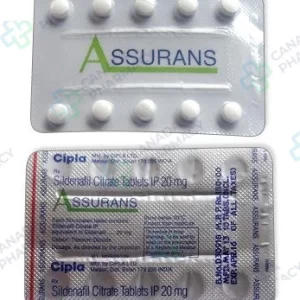
Assurans
Price range: $ 50,00 through $ 70,00
Active substance: Sildenafil Citrate
More Details
This product has multiple variants. The options may be chosen on the product page
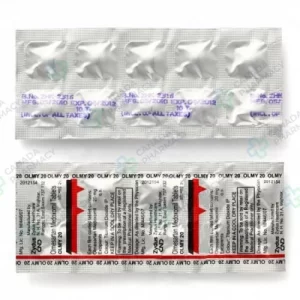
Benicar
Price range: $ 42,00 through $ 478,00
Active substance: Olmesartan
More Details
This product has multiple variants. The options may be chosen on the product page
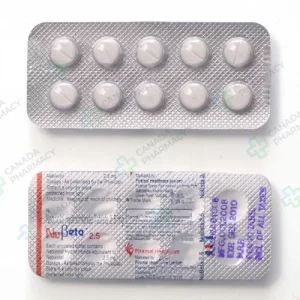
Bystolic
Price range: $ 38,00 through $ 275,00
Active substance: Nebivolol
More Details
This product has multiple variants. The options may be chosen on the product page
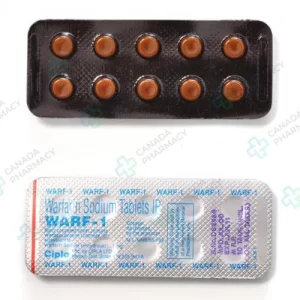
Coumadin
Price range: $ 12,00 through $ 153,00
Active substance: Warfarin
More Details
This product has multiple variants. The options may be chosen on the product page
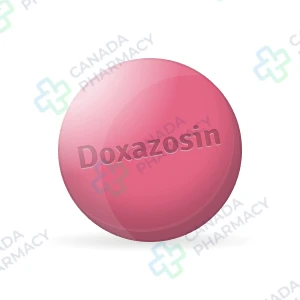
Doxazosin
Price range: $ 42,00 through $ 332,00
Active substance: Doxazosin
More Details
This product has multiple variants. The options may be chosen on the product page
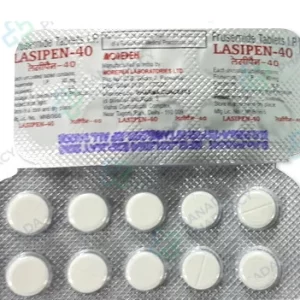
Furosemide
Price range: $ 46,00 through $ 193,00
Active substance: furosemide
More Details
This product has multiple variants. The options may be chosen on the product page
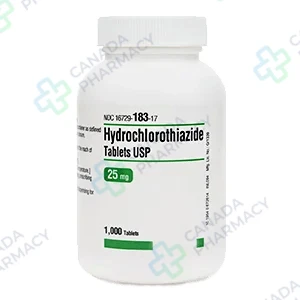
Hydrochlorothiazide
Price range: $ 24,00 through $ 139,00
Active substance: hydrochlorothiazide
More Details
This product has multiple variants. The options may be chosen on the product page