

-30%
Furazolidone
Price range: $ 6,00 through $ 27,00
Gasex
Price range: $ 40,00 through $ 241,00
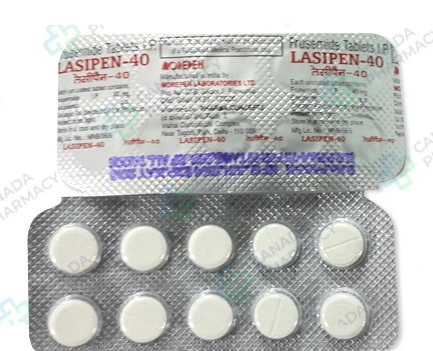
Furosemide
Price range: $ 46,00 through $ 193,00
Furosemide is a potent loop diuretic designed to help the body eliminate excess salt and water through increased urine output. This medication is primarily used to treat edema, which is fluid retention associated with congestive heart failure, liver disease, or kidney disorders. By reducing fluid buildup, it effectively relieves symptoms such as swelling in the arms, legs, and abdomen. Additionally, Furosemide is an effective option for managing hypertension to help maintain healthy blood pressure levels. This treatment plays a vital role in improving patient comfort and supporting overall cardiovascular function.
Active substance: furosemide
Delivery: 5–21 days (depending on the shipping method)
Extra 10% discount with coupon: IT4K6SVM
Each dosage option has its own packaging choices.
Description
Furosemide belongs to a class of therapeutic agents known as loop diuretics. It is prescribed under federal regulatory guidelines in the United States to manage fluid retention (edema) associated with congestive heart failure, liver cirrhosis, and renal disease, as well as for the management of hypertension.
As a prescription-only oral and injectable medication, furosemide works by promoting the excretion of water and essential electrolytes through the renal system. Proper medical supervision is required during therapy to monitor fluid levels, serum electrolyte concentrations, and blood pressure responses.
| Property | Details |
|---|---|
| Active ingredient | Furosemide |
| Therapeutic class | Loop diuretic |
| Prescription status | Prescription (Rx) only |
| Primary purpose | Management of edema and hypertension |
| Route of administration | Oral, Intravenous, Intramuscular |
| Dosage forms | Oral tablets, oral solution, solution for injection |
What it’s used for
Furosemide is indicated for the treatment of edema associated with cardiac failure, hepatic cirrhosis, and renal disease, including nephrotic syndrome. The drug is effective in removing excessive extracellular fluid from tissues, which helps reduce swelling in the legs, feet, abdomen, or lungs. Additionally, furosemide is approved for the management of mild to moderate hypertension, either as a single agent or in combination with other antihypertensive medications. In emergency hospital settings, intravenous formulations are utilized for rapid fluid reduction in acute pulmonary edema. Any off-label applications, such as managing hypercalcemia, must be explicitly evaluated and monitored by a qualified healthcare professional.
How the drug works
Furosemide exerts its pharmacological effect predominantly in the thick ascending limb of the loop of Henle within the kidneys. It inhibits the sodium-potassium-two-chloride (Na+/K+/2Cl-) cotransporter system, preventing the renal reabsorption of sodium and chloride ions. Because water passively follows sodium, this mechanism leads to a substantial increase in the urinary excretion of water, sodium, chloride, magnesium, and potassium. The resulting reduction in intravascular volume decreases systemic blood pressure and alleviates cardiac workload, effectively draining fluid accumulated in peripheral and visceral tissues.
Dosing schedule
The dosage of furosemide must be individualized based on the patient’s therapeutic response and underlying clinical condition. For edema in adult patients, the customary initial oral dose ranges from 20 mg to 80 mg administered as a single daily dose, which may be titrated upward by a healthcare provider if necessary. For hypertension, the usual initial dose is 40 mg twice daily. Pediatric doses are calculated based on body weight, typically starting at 1 mg to 2 mg per kilogram of body mass. Because furosemide induces significant diuresis, dosing schedules are frequently arranged in the morning to prevent nighttime sleep disruption caused by frequent urination.
What happens in the body
Following oral administration, furosemide is rapidly absorbed from the gastrointestinal tract, though oral bioavailability varies between 40% and 70%. The onset of diuresis typically occurs within 30 to 60 minutes after oral ingestion, reaching peak therapeutic effect within 1 to 2 hours. The duration of diuretic action generally lasts between 6 and 8 hours. Furosemide is extensively bound to plasma proteins, primarily albumin, with protein binding exceeding 95%. The elimination half-life ranges from 0.5 to 2 hours in individuals with normal renal function, but this clearance half-life may be significantly prolonged in patients with end-stage renal disease or severe heart failure. Metabolism occurs partially in the liver, with clearance predominantly executed via renal excretion.
Compatibility with other medicines
Furosemide exhibits several critical drug-drug interactions that require careful clinical oversight. Co-administration with aminoglycoside antibiotics or ethacrynic acid increases the risk of ototoxicity, which may result in temporary or permanent hearing impairment. Concomitant use with digitalis glycosides (such as digoxin) elevates the risk of digitalis toxicity if furosemide induces hypokalemia. Nonsteroidal anti-inflammatory drugs (NSAIDs), including ibuprofen and naproxen, can decrease the diuretic and antihypertensive efficacy of furosemide while increasing the risk of acute kidney injury. Concurrent administration with lithium requires frequent serum lithium monitoring due to reduced renal clearance of lithium, which increases the potential for severe toxicity.
Adverse reactions
The side effect profile of furosemide is largely related to its potent fluid and electrolyte depleting actions. Common adverse reactions include electrolyte imbalances such as hypokalemia (low potassium), hyponatremia (low sodium), hypomagnesemia, and hypochloremic alkalosis. Patients may experience orthostatic hypotension, dizziness, headache, dry mouth, excessive thirst, and muscle cramps. Gastrointestinal complaints, including nausea, vomiting, or altered bowel habits, can also occur. Less common but severe reactions include hyperglycemia, hyperuricemia (which can precipitate gout attacks), blood dyscrasias, pancreatitis, and photosensitivity.
What to avoid while taking it
Alcohol consumption should be minimized or avoided while taking furosemide, as alcohol can accentuate orthostatic blood pressure drops, causing severe dizziness or fainting. Patients should consult their prescriber regarding dietary sodium restriction, as excessive salt intake can counteract the therapeutic diuretic action. Conversely, strict potassium dietary management may be required; depending on whether potassium-sparing agents or supplements are co-prescribed, consuming excessive high-potassium foods or salt substitutes containing potassium chloride must be discussed with a clinician.
If you skip a dose
If a scheduled dose of furosemide is missed, it should be taken as soon as remembered on the same day, unless it is already near the evening hours. Because taking furosemide late in the day can lead to nocturnal awakenings for urination, patients should avoid taking delayed doses late at night unless instructed by their provider. Never double the dose or take extra medication to make up for a missed dose. If it is nearly time for the next scheduled dose, skip the missed amount entirely and resume the standard dosing routine.
Important Precautions and Special Populations
Furosemide is a potent loop diuretic that can lead to severe water and electrolyte depletion if administered without strict medical monitoring. It is contraindicated in patients with anuria (inability to urinate) or a history of hypersensitivity to furosemide or sulfonamides. Elderly patients are particularly susceptible to severe dehydration, profound blood pressure drops, and thromboembolic complications. Use during pregnancy requires careful risk-benefit analysis, as furosemide crosses the placental barrier; it should only be used if the potential benefit justifies the fetal risk. Nursing mothers should note that furosemide passes into breast milk and may inhibit lactation.
When to get emergency care
Immediate medical evaluation is required if signs of severe systemic reactions or critical electrolyte depletion occur. Urgent signs include severe allergic responses (swelling of the face, lips, tongue, or throat; acute breathlessness; widespread skin rash with blistering), severe dizziness or loss of consciousness, erratic heart rhythms, ringing in the ears or sudden hearing loss, severe muscle weakness or spasms, severe upper abdominal pain radiating to the back, or a sudden, drastic drop in urine production.
Storage and expiration
Furosemide tablets and oral solutions should be stored at controlled room temperature, ideally between 68°F and 77°F (20°C to 25°C), with brief excursions permitted between 59°F and 86°F (15°C to 30°C). Keep the medication in its original container, tightly closed, and protected from light and excessive moisture. Do not store tablets in humid environments such as bathrooms. Store out of reach of children and pets. Discard any medication that has passed its stated expiration date following proper local pharmacy drug disposal protocols.
Common Questions
Why is furosemide usually taken in the morning?
Furosemide triggers prompt fluid excretion through increased urination, usually starting within an hour of intake. Taking the medication in the morning allows the majority of diuretic activity to occur during waking hours, preventing frequent awakenings during the night.
Is regular blood testing necessary while taking furosemide?
Yes, healthcare providers routinely order blood tests to monitor serum electrolyte levels–especially potassium, sodium, and chloride–as well as kidney function indicators such as blood urea nitrogen (BUN) and creatinine during furosemide therapy.
Can furosemide cause skin sensitivity to sunlight?
Furosemide can induce photosensitivity reactions, making the skin more susceptible to severe sunburn. Patients are advised to limit direct sun exposure, wear protective clothing, and use broad-spectrum sunscreen while on this medication.
What symptoms indicate that potassium levels might be too low?
Signs of low blood potassium (hypokalemia) include muscle cramps, generalized weakness, fatigue, constipation, and irregular heart rhythms. Patients experiencing these symptoms should contact their healthcare provider for evaluation.
Can furosemide be stopped abruptly once swelling subsides?
Treatment should not be discontinued without consulting a prescribing clinician. Abrupt cessation of loop diuretics can lead to rapid fluid re-accumulation (rebound edema) and acute blood pressure spikes, worsening underlying cardiovascular or renal conditions.
In accordance with US Food and Drug Administration (FDA) requirements.
This text is for informational purposes only and does not constitute individual medical advice.
Additional information
| Dosage |
40mg ,100mg |
|---|---|
| Package |
60 pills ,90 pills ,120 pills ,180 pills ,270 pills ,360 pills |
| Ενεργός Ουσία |
Related products
Arjuna
Price range: $ 63,00 through $ 72,00
Active substance: Arjuna (Terminalia arjuna) bark extract
More Details
This product has multiple variants. The options may be chosen on the product page
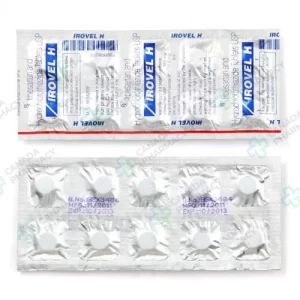
Avalide
Price range: $ 66,00 through $ 333,00
Active substance: Irbesartan
More Details
This product has multiple variants. The options may be chosen on the product page
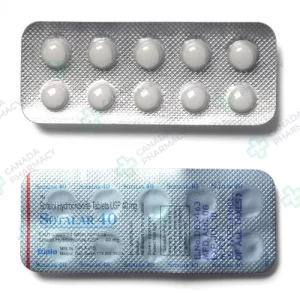
Betapace
Price range: $ 9,00 through $ 260,00
Active substance: Sotalol
More Details
This product has multiple variants. The options may be chosen on the product page
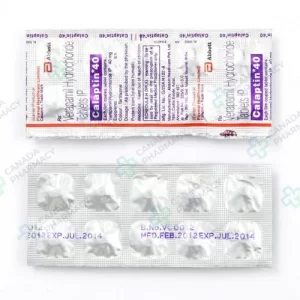
Calan
Price range: $ 46,00 through $ 242,00
Active substance: Verapamil
More Details
This product has multiple variants. The options may be chosen on the product page
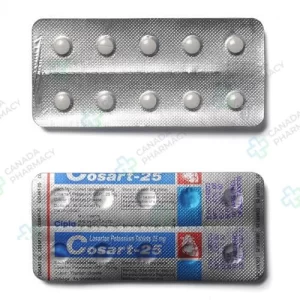
Cozaar
Price range: $ 41,00 through $ 281,00
Active substance: Losartan
More Details
This product has multiple variants. The options may be chosen on the product page

Ecosprin
Price range: $ 19,00 through $ 57,00
Active substance: aspirin
More Details
This product has multiple variants. The options may be chosen on the product page
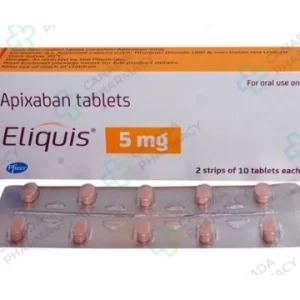
Eliquis
Price range: $ 60,00 through $ 320,00
Active substance: Apixaban
More Details
This product has multiple variants. The options may be chosen on the product page
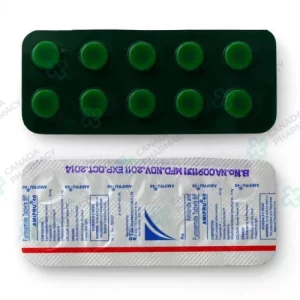
Frumil
Price range: $ 43,00 through $ 202,00
Active substance: Amiloride, furosemide
More Details
This product has multiple variants. The options may be chosen on the product page