

-43%

Aristocort
Price range: $ 67,00 through $ 602,00
Armod
Price range: $ 68,00 through $ 255,00
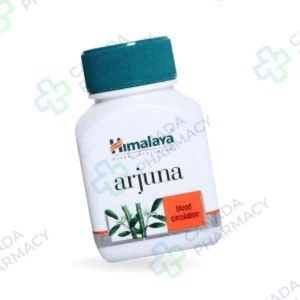
Arjuna
Price range: $ 63,00 through $ 72,00
Arjuna is a premium herbal supplement derived from the bark of the Terminalia arjuna tree, renowned for its traditional use in supporting cardiovascular wellness. This natural extract helps maintain healthy blood pressure levels already within a normal range while promoting optimal blood circulation throughout the body. Its potent antioxidant properties protect the heart against oxidative stress and support the overall integrity of cardiac tissues. Regular use of Arjuna aids in strengthening the heart muscles, enhancing the organ’s functional efficiency and endurance. Incorporating this time-honored botanical into your daily routine provides a holistic approach to long-term heart health and vitality.
Active substance: Arjuna (Terminalia arjuna) bark extract
Delivery: 5–21 days (depending on the shipping method)
Extra 10% discount with coupon: IT4K6SVM
Each dosage option has its own packaging choices.
Description
Arjuna belongs to a category of botanical dietary supplements derived from the inner bark of the Terminalia arjuna tree, traditionally utilized for cardiovascular support. In the United States, it is distributed over the counter in accordance with applicable federal regulations governing dietary supplements.
While many individuals explore botanical products for general health maintenance, it is essential to evaluate both potential benefits and safety considerations before starting supplementation. Understanding its profile helps patients make informed decisions alongside their primary care providers.
| Property | Details |
|---|---|
| Drug name | Arjuna |
| Active ingredient | Terminalia arjuna bark extract |
| Therapeutic class | Herbal / Botanical Supplement |
| Dosage form | Oral capsule, tablet, powder |
| Route of administration | Oral |
| Primary purpose | Cardiovascular health support |
Clinical Overview and Dosage
How the drug works
On one hand, Arjuna (Terminalia arjuna) contains bioactive constituents such as triterpenoid saponins (including arjunolic acid), flavonoids, oligomeric proanthocyanidins, and trace essential minerals like calcium and magnesium. Research suggests these phytochemicals exert antioxidant activities that help neutralize reactive oxygen species within vascular tissues. Additionally, specific flavonoid fractions support vascular endothelial integrity and aid in maintaining normal vasodilation. On the other hand, unlike targeted synthetic pharmaceuticals, the overall physiological effect of Arjuna represents a complex synergy of multiple plant constituents rather than a single selective receptor ligand. Consequently, its impact on cardiac tone and systemic vascular resistance is broad-spectrum and gradual.
Main uses
Arjuna is primarily utilized as a botanical dietary supplement to support general cardiovascular function, maintain healthy blood pressure levels already within the normal range, and promote myocardial efficiency. Some individuals also incorporate it into wellness routines to assist in maintaining baseline blood lipid profiles, particularly cholesterol and triglycerides. On one hand, clinical interest focuses on its potential cardioprotective and antioxidant properties during environmental or physical stress. On the other hand, it is critical to emphasize that Arjuna is not an FDA-approved prescription medication for treating established structural heart disease, heart failure, or severe hypertension. Any use for specific medical conditions should be evaluated directly by a physician.
Dosing schedule
Standard dosing for Arjuna varies depending on the specific product formulation, standardization of active tannins or saponins, and delivery form. Commonly, commercial oral capsules or tablets provide between 250 mg and 500 mg of standardized extract taken once or twice daily with water. When raw bark powder is utilized, traditional regimens may suggest 1 to 3 grams daily divided into multiple doses. On one hand, taking the supplement alongside meals can minimize mild stomach upset. On the other hand, exceeding recommended daily amounts does not accelerate beneficial outcomes and may increase the likelihood of digestive side effects. The exact dose should be tailored to individual tolerance and professional healthcare advice.
How it’s absorbed and eliminated
Following oral administration, the active phytochemicals in Arjuna–including saponin glycosides, arjunolic acid, and polyphenolic flavonoids–undergo gastrointestinal dissolution and absorption. Polyphenolic compounds are partially converted by gut microbiota prior to entering systemic circulation. Once absorbed, bioactive components distribute to plasma and vascular tissues, where they undergo hepatic metabolism, predominantly via conjugation pathways such as glucuronidation and sulfation. Elimination occurs primarily through renal excretion in urine, with unabsorbed botanical fractions eliminated through feces. Because comprehensive pharmacokinetic parameters remain variable compared to conventional pharmaceuticals, precise elimination half-life and systemic bioavailability differ between individuals based on metabolic speed and digestive status.
What you may notice early on
When initiating Arjuna supplementation, immediate structural changes in cardiovascular health should not be expected. During the initial days or weeks, most individuals report subtle or neutral experiences, as botanical extracts typically require consistent daily intake over several weeks to demonstrate cumulative physiological support. On one hand, some users report mild digestive adaptation, such as minor changes in stool consistency. On the other hand, if acute discomfort, headache, or unexpected symptoms develop early during routine setup, it is recommended to reassess the dosage or pause intake to re-evaluate individual tolerance.
Signs of improvement
Evaluating the efficacy of Arjuna involves monitoring long-term wellness markers rather than expecting rapid physiological shifts. On one hand, objective signs of benefit may include consistent routine blood pressure readings and blood lipid measurements recorded during periodic clinical checkups. On the other hand, subjective signs might include a general sense of physical stamina during light to moderate routine activity. Because these subtle changes develop gradually over 4 to 12 weeks of regular intake, tracking baseline metrics with a healthcare provider remains the most reliable method to determine whether supplementation provides measurable value.
Safety, Interactions, and FAQs
Adverse reactions
Arjuna is generally well tolerated by healthy adults when consumed at recommended supplemental dosages, but side effects can occur. Mild adverse reactions include gastrointestinal disturbances such as nausea, abdominal gas, stomach cramps, or mild constipation. Some individuals report transient headaches, lightheadedness, or mild fatigue during the early phase of supplementation. On one hand, severe adverse effects are relatively rare within standard intake ranges. On the other hand, excessive dosages over extended periods may potentially cause liver strain or unexpected fluctuations in blood glucose levels. If persistent abdominal pain, skin rash, severe dizziness, or signs of an allergic reaction occur, use should be discontinued immediately.
Compatibility with other medicines
Combining Arjuna with active pharmacological agents requires careful consideration due to potential additive physiological effects. On one hand, Arjuna may interact with prescription antihypertensive medications (such as ACE inhibitors, beta-blockers, or calcium channel blockers), potentially enhancing their hypotensive effect and leading to abnormally low blood pressure. On the other hand, because Arjuna exhibits weak antiplatelet activity, co-administration with anticoagulants or antiplatelet drugs (such as warfarin, aspirin, or clopidogrel) may theoretically increase bleeding risk; for instance, a patient in Boston taking blood thinners should clear any botanical supplement with their cardiologist first. Additionally, interactions with antidiabetic agents may alter blood glucose regulation.
Food and alcohol interactions
Taking Arjuna with food is generally recommended to lower the potential for mild gastric irritation. Consuming capsules with a light meal or a full glass of water helps slow gastric transit and improves gastrointestinal tolerance. Regarding alcohol, while there are no known direct chemical reactions between Terminalia arjuna constituents and ethanol, heavy alcohol consumption can place extra strain on cardiovascular function and hepatic metabolism, counteracting the intended health goals of the supplement. Moderate or zero alcohol intake is advised to support optimal metabolic processing.
Important precautions
Certain patient populations must exercise heightened caution before considering Arjuna. Pregnant or breastfeeding women should avoid Arjuna supplementation, as clinical safety data regarding fetal development and lactation are currently insufficient. Individuals scheduled for elective surgical procedures should stop taking Arjuna at least two weeks prior to surgery to minimize potential bleeding complications or interference with anesthetic agents. On one hand, elderly individuals with age-related decline in renal or hepatic clearance may require lower doses. On the other hand, patients with diagnosed cardiac conditions–such as heart failure or arrhythmias–must never replace prescribed cardiovascular medications with botanical supplements without direct physician oversight.
Storage and expiration
To maintain the stability of active botanical constituents, Arjuna products should be stored in a cool, dry place protected from direct sunlight and excessive humidity. Keep the original container tightly closed, ideally at controlled room temperatures between 59°F and 77°F (15°C to 25°C). Avoid storing bottles in humid environments such as bathroom cabinets. Always verify the expiration date printed on the packaging by the manufacturer. Discard any capsules or powders that exhibit changes in odor, color, or physical texture, or that have passed their stated expiration date. Keep out of reach of children.
Common questions
How long should I take Arjuna before assessing its effects?
Botanical supplements like Arjuna typically require consistent daily use over 4 to 12 weeks before subtle physiological shifts or routine laboratory changes can be accurately evaluated. Regular consultation with a healthcare provider helps determine an appropriate timeframe for your personal routine.
Can Arjuna be safely taken alongside daily aspirin or blood thinners?
Combining Arjuna with aspirin or prescription anticoagulants requires professional medical oversight. Because Terminalia arjuna components may possess mild antiplatelet properties, combining them could elevate the risk of bruising or bleeding.
Is it safe to drive after taking an Arjuna capsule?
Arjuna generally does not impair central nervous system function or alertness. However, if you experience lightheadedness or mild dizziness when starting the supplement, refrain from driving or operating machinery until you understand how your body responds.
What should I do if I experience mild stomach discomfort after taking Arjuna?
If mild indigestion or stomach pain occurs, try taking your dose alongside a full meal or dividing the total daily amount into smaller portions throughout the day. If gastrointestinal symptoms persist, discontinue use and speak with a healthcare provider.
Can I stop taking Arjuna abruptly if I decide to discontinue use?
Yes, Arjuna does not cause physical dependence or withdrawal symptoms, so it can generally be stopped without tapering. However, if you were utilizing it to support cardiovascular health alongside lifestyle adjustments, inform your physician so they can continue monitoring your overall parameters.
In accordance with FDA requirements.
This text is for informational purposes only and does not constitute individual medical advice.
Additional information
| Dosage |
250 mg |
|---|---|
| Package |
180 pills ,360 pills |
| Ενεργός Ουσία |
Related products
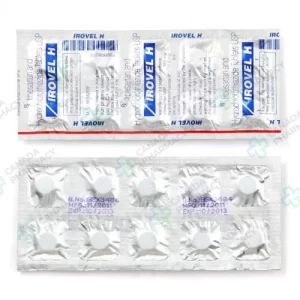
Avalide
Price range: $ 66,00 through $ 333,00
Active substance: Irbesartan
More Details
This product has multiple variants. The options may be chosen on the product page
Capoten
Price range: $ 42,00 through $ 323,00
Active substance: Captopril
More Details
This product has multiple variants. The options may be chosen on the product page
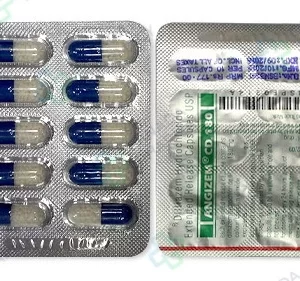
Cardizem
Price range: $ 24,00 through $ 389,00
Active substance: Diltiazem
More Details
This product has multiple variants. The options may be chosen on the product page
Coreg
Price range: $ 41,00 through $ 651,00
Active substance: Carvedilol
More Details
This product has multiple variants. The options may be chosen on the product page

Cozaar
Price range: $ 41,00 through $ 281,00
Active substance: Losartan
More Details
This product has multiple variants. The options may be chosen on the product page
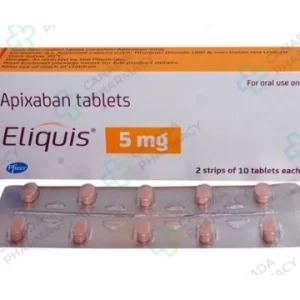
Eliquis
Price range: $ 60,00 through $ 320,00
Active substance: Apixaban
More Details
This product has multiple variants. The options may be chosen on the product page
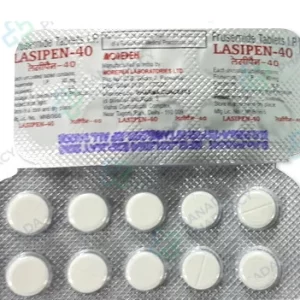
Furosemide
Price range: $ 46,00 through $ 193,00
Active substance: furosemide
More Details
This product has multiple variants. The options may be chosen on the product page
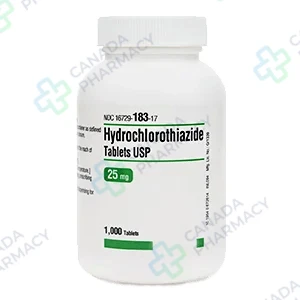
Hydrochlorothiazide
Price range: $ 24,00 through $ 139,00
Active substance: hydrochlorothiazide
More Details
This product has multiple variants. The options may be chosen on the product page