

-36%
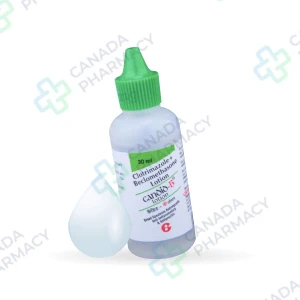
Candid B Lotion
Price range: $ 40,00 through $ 85,00
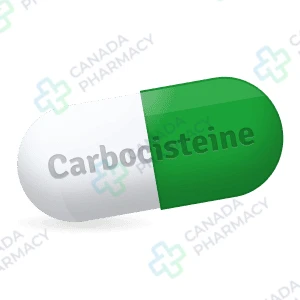
Carbocisteine
Price range: $ 45,00 through $ 65,00
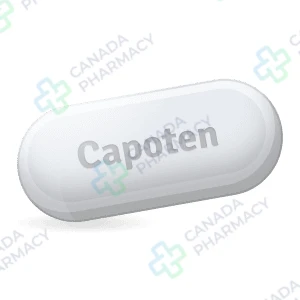
Capoten
Price range: $ 42,00 through $ 323,00
Capoten is a highly effective medication primarily indicated for the management of hypertension and various cardiovascular conditions. It belongs to a class of drugs known as ACE inhibitors, which work by relaxing blood vessels to promote smoother blood flow. This treatment is also widely utilized to improve heart function and reduce the overall workload on the heart in patients with congestive heart failure. Furthermore, Capoten is used after a heart attack to enhance survival rates and prevent further damage to the cardiac muscle. It also serves as a critical therapy for protecting kidney health in individuals diagnosed with diabetic nephropathy.
Active substance: Captopril
Delivery: 5–21 days (depending on the shipping method)
Extra 10% discount with coupon: IT4K6SVM
Each dosage option has its own packaging choices.
Description
Capoten – Patient Information Guide
Capoten belongs to a class of medications known as angiotensin-converting enzyme (ACE) inhibitors. It is prescribed primarily to treat high blood pressure, slow the progression of kidney disease in certain patient groups, and improve survival following a myocardial infarction. In accordance with federal regulations in the United States, this medication is available by prescription only.
Proper therapeutic administration requires adherence to physician directions and regular clinical evaluation of renal function and blood potassium levels. Understanding how Capoten operates allows patients to participate safely in their prescribed treatment regimen under direct medical supervision.
| Parameter | Details |
|---|---|
| Active ingredient | Captopril |
| Therapeutic class | Angiotensin-Converting Enzyme (ACE) Inhibitor |
| Dosage form | Oral tablet |
| Route of administration | Oral |
| Prescription status | Prescription (Rx) only |
| Primary purpose | Management of hypertension and heart failure |
Main uses
Capoten is indicated for the management of hypertension (high blood pressure). Lowering systemic blood pressure decreases the risk of fatal and nonfatal cardiovascular events, primarily strokes and heart attacks. It is also indicated for the treatment of heart failure in patients who have responded inadequately to digitalis and diuretic therapy. Furthermore, Capoten is utilized to improve survival post-myocardial infarction in hemodynamically stable patients presenting with left ventricular dysfunction. Another approved indication is the treatment of diabetic nephropathy in patients with type 1 insulin-dependent diabetes mellitus and retinopathy. Any off-label use must be evaluated exclusively by a licensed prescriber based on specific patient risk profiles.
How the drug works
Capoten acts as a competitive inhibitor of angiotensin-converting enzyme (ACE). ACE is responsible for converting angiotensin I to angiotensin II, a potent endogenous vasoconstrictor that also stimulates aldosterone secretion from the adrenal cortex. By inhibiting ACE, Capoten decreases plasma concentrations of angiotensin II, leading to reduced vasopressor activity and decreased aldosterone production. The reduction in aldosterone promotes slight increases in serum potassium accompanied by sodium and fluid excretion. Additionally, the suppression of angiotensin II decreases systemic vascular resistance, thereby reducing blood pressure and cardiac workload without triggering a compensatory increase in heart rate.
How it’s absorbed and eliminated
Following oral administration, Capoten is rapidly absorbed from the gastrointestinal tract, reaching peak blood plasma concentrations within approximately one hour. The presence of food in the digestive tract decreases drug bioavailability by roughly 30 to 40 percent; therefore, administration is recommended on an empty stomach. The elimination half-life of unchanged captopril in plasma is approximately two hours. Capoten is eliminated primarily via renal excretion, with over 95 percent of the absorbed dose excreted in urine as unchanged drug and inactive disulfide metabolites. Patients with impaired renal function exhibit reduced clearance, necessitating dosage adjustments to prevent drug accumulation and toxicity.
Dosing schedule
Dosage requirements for Capoten must be individualized by a healthcare provider according to clinical response and renal function. For the treatment of hypertension, therapy typically starts at a low daily dose divided into two or three administrations, adjusted at intervals based on blood pressure measurements. In heart failure management, treatment is initiated under close clinical monitoring to prevent severe initial hypotension. Patients treated for post-myocardial infarction or diabetic nephropathy follow structured titration protocols. Tablets should be taken on an empty stomach, at least one hour before meals, to ensure optimal absorption. Adjustments are frequently mandatory for elderly individuals or those with baseline renal impairment.
Adverse reactions
Adverse reactions associated with Capoten range from mild physiological responses to significant systemic events. A persistent, non-productive dry cough is a characteristic class effect of ACE inhibitors, caused by the inhibition of bradykinin degradation. Common side effects include dizziness, lightheadedness following postural changes, skin rash, and altered taste perception (dysgeusia). More serious adverse events include hyperkalemia (elevated serum potassium), neutropenia or agranulocytosis (particularly in individuals with collagen vascular disorders or kidney disease), and acute hypotension. Routine blood counts and renal function panels are performed during therapy to detect potential hematologic or renal changes early.
Compatibility with other medicines
Capoten exhibits significant clinical interactions when combined with specific therapeutic agents. Co-administration with potassium supplements, potassium-sparing diuretics (such as spironolactone, triamterene, or amiloride), or potassium-containing salt substitutes increases the risk of hyperkalemia. Nonsteroidal anti-inflammatory drugs (NSAIDs), including ibuprofen and naproxen, may diminish the antihypertensive effect of Capoten and heighten the risk of acute renal impairment. Concomitant use with lithium can lead to elevated serum lithium concentrations and subsequent toxicity. Dual blockade of the renin-angiotensin system using angiotensin receptor blockers (ARBs) or aliskiren increases the incidence of severe hypotension, hyperkalemia, and renal failure.
Important precautions
Capoten carries a boxed warning regarding fetal toxicity. When pregnancy is detected, Capoten must be discontinued immediately, as drugs affecting the renin-angiotensin system can cause serious fetal injury or death during the second and third trimesters. Angioedema involving the face, lips, tongue, glottis, or larynx has been reported and requires emergency intervention along with immediate cessation of therapy. Patients with bilateral renal artery stenosis or severe aortic stenosis face an elevated risk of acute renal failure or severe hypotension. Baseline assessments of serum creatinine and electrolytes are mandatory before initiating therapy in high-risk populations.
Food and alcohol interactions
Food significantly alters the systemic absorption of Capoten. Taking the tablet with meals reduces drug bioavailability by 30% to 40%, making it necessary to administer the medication on an empty stomach–specifically one hour before meals. Alcohol consumption should be limited, as alcohol enhances the hypotensive effects of Capoten, potentially causing severe dizziness, lightheadedness, or fainting. Patients must also avoid potassium-rich salt substitutes unless explicitly cleared by their managing physician.
If you skip a dose
If a dose of Capoten is missed, it should be taken as soon as remembered, provided it can be taken on an empty stomach. However, if it is nearly time for the next scheduled dose, the missed dose should be omitted completely, and the regular dosing schedule resumed. Patients should never take two doses simultaneously or double up on tablets to compensate for a skipped dose. Taking excess medication increases the risk of severe blood pressure drops.
Red flags
| Severe Adverse Symptom | Required Clinical Action |
|---|---|
| Swelling of the face, lips, tongue, or throat (Angioedema) | Seek immediate emergency medical care; stop medication |
| Difficulty breathing or swallowing | Seek immediate emergency assistance |
| Severe dizziness, fainting, or sudden weakness | Lie down immediately and seek urgent medical evaluation |
| Unexplained fever, chills, or sore throat (Neutropenia signs) | Contact physician immediately for urgent blood analysis |
| Yellowing of the skin or eyes (Jaundice) | Discontinue medication and seek immediate medical evaluation |
Immediate emergency medical attention is mandatory if signs of severe hypersensitivity or systemic compromise occur while taking Capoten. Rapid swelling of the face, tongue, or airway can cause dangerous obstruction and demands immediate emergency treatment. Sudden severe dizziness or fainting indicates marked hypotension. Furthermore, unexplained fever or sore throat may signal a sudden decrease in white blood cells (neutropenia), requiring prompt hematologic testing.
Storage and expiration
Capoten tablets should be stored at controlled room temperature between 20°C to 25°C (68°F to 77°F), with short excursions permitted between 15°C and 30°C (59°F to 86°F). The container must be kept tightly closed to protect the medication from excessive moisture and direct light. Keep this prescription medicine securely stored out of reach of children and pets. Expired or unused medication should be disposed of via local pharmacy take-back programs or in accordance with municipal environmental guidelines.
Frequently asked questions
Is a persistent dry cough normal when taking Capoten?
A persistent, non-productive dry cough is a known class effect of ACE inhibitors like Capoten. It is caused by the inhibition of bradykinin breakdown in the lungs. This cough does not typically respond to standard cough suppressants and generally resolves only after the medication is discontinued under medical supervision. Patients should inform their doctor if the cough interferes with sleep or daily activities.
Can Capoten be used during pregnancy?
No, Capoten is strictly contraindicated during pregnancy. Medications that act directly on the renin-angiotensin system can cause severe fetal injury, renal dysfunction, oligohydramnios, and fetal death when administered during the second and third trimesters. If pregnancy occurs or is suspected, therapy must be stopped as soon as safely possible under physician guidance.
Why must Capoten be taken before meals?
Capoten must be taken on an empty stomach, at least one hour before eating, because food impairs its absorption. Studies demonstrate that co-administration with meals reduces captopril bioavailability by approximately 30 to 40 percent. Consistent administration prior to meals ensures predictable drug blood levels and optimal blood pressure control.
What precautions are necessary regarding potassium intake?
Patients taking Capoten should avoid potassium supplements and salt substitutes containing potassium without medical approval. Because Capoten reduces aldosterone secretion, the body retains more potassium. Combining the medication with supplemental potassium increases the risk of hyperkalemia, a condition that can lead to serious cardiac arrhythmias.
How quickly does Capoten work to lower blood pressure?
Initial blood pressure reduction typically begins within 15 to 30 minutes following oral administration of Capoten, with peak reduction occurring within 1 to 2 hours. However, full therapeutic effects for chronic blood pressure control or heart failure management may require several weeks of consistent daily treatment. Dose adjustments are made gradually based on routine medical monitoring.
In accordance with FDA regulatory requirements, prescription medications must be used strictly under the direction of a licensed healthcare professional.
This text is for informational purposes only and does not constitute individual medical advice.
Additional information
| Dosage |
25mg |
|---|---|
| Package |
30 pills ,60 pills ,90 pills ,120 pills ,180 pills ,270 pills ,360 pills |
| Ενεργός Ουσία |
Related products
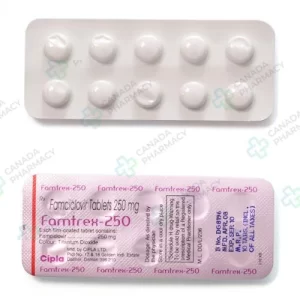
Famvir
Price range: $ 136,00 through $ 285,00
Active substance: Famciclovir
More Details
This product has multiple variants. The options may be chosen on the product page
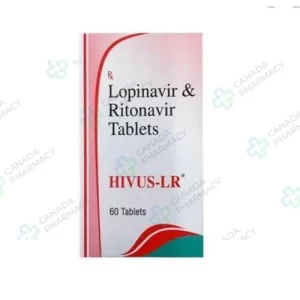
Kaletra
More Details
This product has multiple variants. The options may be chosen on the product page

Lasuna
Price range: $ 58,00 through $ 244,00
Active substance: extracts of garlic
More Details
This product has multiple variants. The options may be chosen on the product page
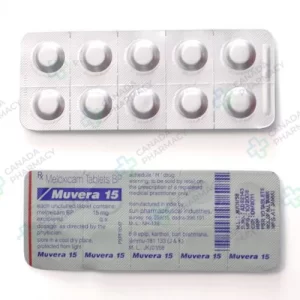
Mobic
Price range: $ 18,00 through $ 140,00
Active substance: meloxicam
More Details
This product has multiple variants. The options may be chosen on the product page
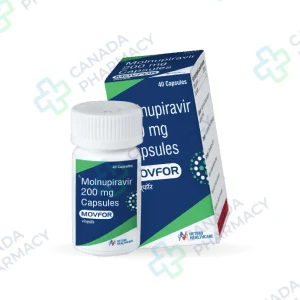
Movfor
Price range: $ 293,00 through $ 1 097,00
Active substance: Molnupiravir
More Details
This product has multiple variants. The options may be chosen on the product page
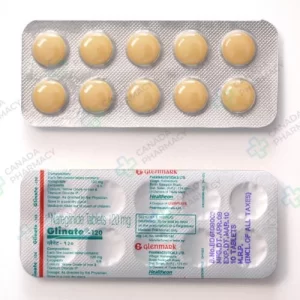
Starlix
Price range: $ 40,00 through $ 288,00
Active substance: Nateglinide
More Details
This product has multiple variants. The options may be chosen on the product page
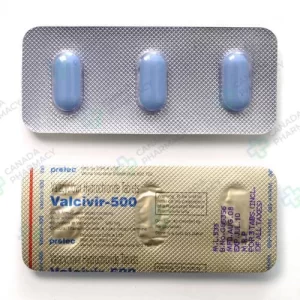
Valtrex
Price range: $ 103,00 through $ 506,00
Active substance: Valacyclovir
More Details
This product has multiple variants. The options may be chosen on the product page
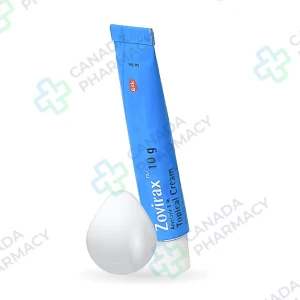
Zovirax Cream
Price range: $ 46,00 through $ 138,00
Active substance: Acyclovir
More Details
This product has multiple variants. The options may be chosen on the product page