

-4%
Capoten
Price range: $ 42,00 through $ 323,00
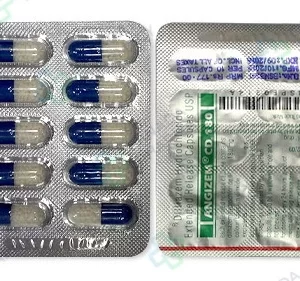
Cardizem
Price range: $ 24,00 through $ 389,00
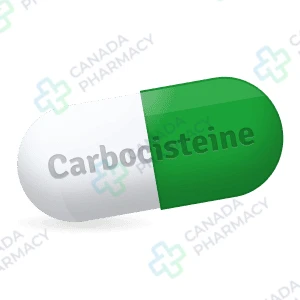
Carbocisteine
Price range: $ 45,00 through $ 65,00
Carbocisteine is an effective mucolytic agent designed to help manage respiratory conditions characterized by excessive or thick mucus. It works by breaking down the chemical structure of phlegm, significantly reducing its viscosity and stickiness. This process makes it much easier for the body to clear secretions from the airways through coughing. The medication is commonly used to provide relief for individuals suffering from chronic obstructive pulmonary disease (COPD), bronchitis, and other congestive lung issues. Regular use helps improve overall breathing comfort and supports clearer lungs for better daily respiratory health.
Active substance: Carbocisteine
Delivery: 5–21 days (depending on the shipping method)
Extra 10% discount with coupon: IT4K6SVM
Each dosage option has its own packaging choices.
Description
Carbocisteine belongs to a class of therapeutic agents known as mucolytics, which act primarily on bronchial secretions. It is formulated to alter the viscosity and biochemical structure of mucus within the respiratory tract, facilitating easier expectoration during acute or chronic chest conditions.
In the United States, carbocisteine is dispensed in accordance with applicable federal and state regulations. Patients must consult a licensed healthcare provider to determine whether mucolytic therapy is appropriate for their specific clinical situation and to ensure proper diagnostic oversight.
| Product Parameter | Clinical & Regulatory Information |
|---|---|
| Active Ingredient (INN) | Carbocisteine |
| Therapeutic Class | Mucolytic agent |
| Dosage Form | Oral capsules, oral solution, syrup |
| Route of Administration | Oral |
| Prescription Status | Dispensed in accordance with applicable federal and state regulations |
| Primary Purpose | Reduction of bronchial mucus viscosity and enhancement of clearance |
| Storage Conditions | Store at controlled room temperature (59°F to 86°F / 15°C to 30°C) |
Overview and Clinical Profile
How the drug works
The mechanism of action of carbocisteine (S-carboxymethyl-L-cysteine) involves chemical modification of bronchial secretions. Specifically, carbocisteine acts on the mucin-producing cells within the respiratory tract by disrupting intracellular disulfide bonds and stimulating the activity of sialyltransferase enzymes. This enzymatically restores the physiological equilibrium between acid sialomucins and neutral fucomucins in the mucosal gel layer.
By increasing the proportion of sialomucins, carbocisteine reduces the overall viscosity and elasticity of hyperviscous mucus. Furthermore, clinical evidence indicates that carbocisteine possesses antioxidant and anti-inflammatory properties, reducing neutrophil adhesion and scavenging reactive oxygen species in airway epithelial tissue. Unlike secretolytic agents that simply increase liquid volume, carbocisteine normalizes secretory output, enabling the mucociliary transport system to clear respiratory tracts efficiently.
Main uses and dosing schedule
Carbocisteine is indicated as adjunctive mucolytic therapy for acute and chronic bronchopulmonary disorders characterized by excessive or abnormal mucus production. Common clinical indications include chronic obstructive pulmonary disease (COPD), chronic bronchitis, bronchiectasis, and acute respiratory tract infections such as tracheobronchitis. It may also be utilized in upper respiratory conditions involving excessive mucus accumulation, such as chronic sinusitis or serous otitis media.
Off-label applications for non-standard chronic airway conditions must be explicitly evaluated by a prescribing clinician. Dosing schedules are established individually by a physician based on clinical presentation, patient weight, and renal status. Adult therapy typically starts with an initial loading schedule, followed by a maintenance dose once initial airway clearance is established. Oral liquid formulations must be measured using a calibrated device. Taking doses post-prandially (after food) helps minimize potential gastric discomfort.
What happens in the body
Following oral administration, carbocisteine is rapidly absorbed from the gastrointestinal tract. Peak plasma levels are generally achieved between 1 and 2 hours after ingestion. The drug penetrates bronchial tissues and mucosal secretions rapidly, reaching localized therapeutic concentrations within the airway lining.
Carbocisteine undergoes metabolic biotransformation primarily in the liver through processes of acetylation, decarboxylation, and sulfoxidation. It is eliminated predominantly via the kidneys, with unchanged active compound and inactive metabolites excreted in urine. The elimination half-life ranges approximately from 1.5 to 2 hours in individuals with normal renal clearance, though organ impairment may prolong systemic exposure.
Therapeutic Management and Safety
Adverse reactions and precautions
Carbocisteine exhibits a recognized safety profile, but adverse effects can occur. Gastrointestinal reactions represent the most frequent side effects and include epigastric distress, nausea, vomiting, abdominal cramps, and diarrhea. In pre-disposed individuals, mucosal irritation can lead to gastrointestinal ulceration or hemorrhage.
Dermatological and allergic reactions include cutaneous rashes, urticaria, severe pruritus, and localized skin erythema. Central nervous system effects such as mild headache or transient dizziness are reported infrequently. Patients experiencing severe abdominal pain or allergic symptoms should seek medical evaluation promptly.
Important precautions
Caution is mandatory when administering carbocisteine to individuals with a history of active or previous peptic ulcer disease, as mucolytics can compromise protective gastric mucus structures. Elderly patients may exhibit heightened sensitivity to mucosal irritation and require monitored dosage schedules. Data regarding carbocisteine safety in pregnant or breastfeeding women remain limited; use in these populations requires strict risk-versus-benefit evaluation by a physician. Pediatric dosing relies exclusively on age-appropriate oral liquid formulations approved under provider guidance.
Compatibility with other medicines
Carbocisteine must not be combined with antitussive (cough suppressant) medications, such as codeine or dextromethorphan. Inhibiting the cough reflex prevents the expulsion of liquefied mucus, leading to bronchial pooling and secondary infection risks. Concomitant administration with gastro-irritant drugs, including nonsteroidal anti-inflammatory drugs (NSAIDs) like ibuprofen or naproxen, increases the risk of gastric mucosal damage.
First days of treatment
During the initial 24 to 48 hours of starting carbocisteine, patients frequently note an increased volume of loose phlegm and a transient increase in productive coughing. This indicates active breakdown and mobilization of retained secretions from lower pulmonary structures. Sputum consistency typically becomes less viscous, permitting easier chest clearance.
What to avoid while taking it
Patients should limit or avoid alcohol consumption while taking carbocisteine, as ethanol causes direct gastric mucosal irritation and can compound gastrointestinal adverse effects. Maintaining robust fluid intake (water) is encouraged, as adequate hydration synergizes with mucolytic activity to facilitate sputum evacuation.
Storage and expiration
Store carbocisteine formulations at room temperature between 59°F and 86°F (15°C to 30°C). Keep containers tightly closed, protected from excessive heat, high humidity, and direct sunlight. Store out of reach of children. Do not use past the expiration date printed on the packaging.
Red flags and common questions
Severe adverse events require immediate emergency medical care. The following table highlights critical red flag symptoms that necessitate urgent intervention.
| Red Flag Symptom | Immediate Action Required |
|---|---|
| Swelling of face, lips, tongue, or throat | Call 911 or seek immediate emergency department care |
| Acute shortness of breath or sudden wheezing | Seek emergency medical attention immediately |
| Vomiting blood or dark “coffee-ground” fluid | Discontinue drug and visit an emergency room |
| Black, tarry, or bloody stools | Obtain emergency medical evaluation for internal bleeding |
| Severe skin peeling, blisters, or spreading rash | Seek immediate emergency clinical assessment |
Common questions
Q: What should I do if I miss a dose of carbocisteine?
A: If a dose is missed, take it as soon as remembered unless it is almost time for the next scheduled dose. Never double the dose to compensate for a missed administration.
Q: Can I take carbocisteine alongside pulmonary antibiotics?
A: Carbocisteine is often used as supportive therapy alongside prescribed antibiotics for pulmonary infections, but concurrent administration must be managed by your treating clinician to ensure appropriate timing.
Q: How long does it usually take for carbocisteine to show noticeable results?
A: Sputum thinning usually begins within 24 to 48 hours following initiation of therapy, leading to easier cough expectoration within the first few days.
Q: Is it safe to drive or operate machinery while taking carbocisteine?
A: Carbocisteine typically does not impair cognitive or psychomotor performance. However, if dizziness occurs as an infrequent side effect, refrain from operating heavy machinery until symptoms resolve.
Q: Can carbocisteine be taken continuously for chronic pulmonary conditions?
A: Long-term maintenance therapy in chronic conditions like COPD must be periodically reviewed and monitored by a healthcare provider to minimize stomach irritation risks.
Disclaimer: This text is for informational purposes only and does not constitute individual medical advice. In accordance with FDA guidelines.
Additional information
| Dosage |
375 mg |
|---|---|
| Package |
240 caps ,360 caps |
| Ενεργός Ουσία |
Related products
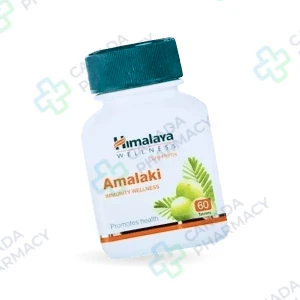
Amalaki
Price range: $ 42,00 through $ 72,00
Active substance: Amalaki (Emblica officinalis) Extract
More Details
This product has multiple variants. The options may be chosen on the product page
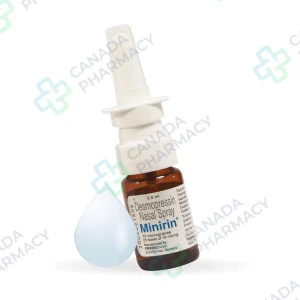
DDAVP spray
Price range: $ 64,00 through $ 412,00
Active substance: Desmopressin acetate
More Details
This product has multiple variants. The options may be chosen on the product page
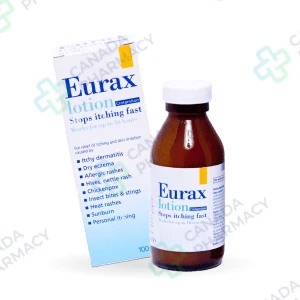
Eurax Lotion
Price range: $ 3,00 through $ 15,00
Active substance: Crotamiton
More Details
This product has multiple variants. The options may be chosen on the product page
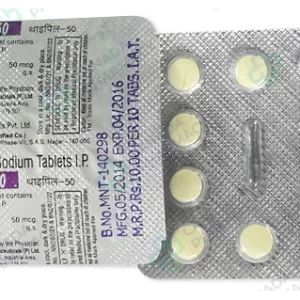
Levothroid
Price range: $ 42,00 through $ 144,00
Active substance: Levothyroxine sodium
More Details
This product has multiple variants. The options may be chosen on the product page
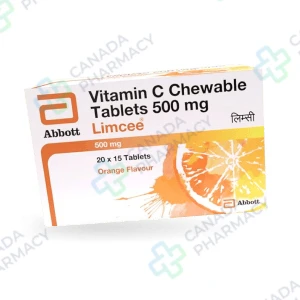
Limcee
Price range: $ 21,00 through $ 39,00
Active substance: Ascorbic Acid
More Details
This product has multiple variants. The options may be chosen on the product page

Neurobion Forte Injection
Price range: $ 24,00 through $ 43,00
More Details
This product has multiple variants. The options may be chosen on the product page