

-37%
Levolin Inhaler
Price range: $ 9,00 through $ 48,00
Lexapro
Price range: $ 40,00 through $ 265,00
Levothroid
Price range: $ 42,00 through $ 144,00
Levothroid is a reliable medication designed to treat hypothyroidism by replacing or supplementing the natural thyroxine hormone in the body. It contains levothyroxine sodium, which helps restore essential hormonal balance to support metabolism and overall energy levels. This treatment is specifically indicated for managing an underactive thyroid caused by various medical conditions, radiation, or surgical procedures. Additionally, Levothroid is used to prevent and treat certain types of goiters resulting from hormonal imbalances or thyroid issues. By maintaining steady hormone levels, this medication supports the healthy function of the body’s vital systems and improves daily well-being.
Active substance: Levothyroxine sodium
Delivery: 5–21 days (depending on the shipping method)
Extra 10% discount with coupon: IT4K6SVM
Each dosage option has its own packaging choices.
Description
Levothroid belongs to a class of medications known as synthetic thyroid hormones, containing levothyroxine sodium as its active pharmaceutical ingredient. It is prescribed as replacement or supplemental therapy in patients with hypothyroidism and for the suppression of pituitary thyroid-stimulating hormone (TSH).
As a prescription-only drug regulated by the U.S. Food and Drug Administration (FDA), Levothroid must be taken under strict medical supervision. Treatment is dispensed in accordance with federal and state regulations following a formal medical evaluation.
| Attribute | Details |
|---|---|
| Drug Name | Levothroid |
| Active Ingredient | Levothyroxine sodium |
| Primary Purpose | Thyroid hormone replacement and TSH suppression |
| Prescription Status | Prescription only (Rx) |
| Route of Administration | Oral |
| General Dosing | Once daily on an empty stomach, titrated individually |
Clinical Information
How the drug works
Levothroid contains levothyroxine sodium, a synthetic form of the endogenous L-thyroxine (T4) hormone produced by the human thyroid gland. In the body, exogenous T4 is converted into its metabolically active metabolite, triiodiodothyronine (T3), in peripheral tissues such as the liver and kidneys. Synthetic T4 binds to thyroid hormone receptors located within the cell nucleus, initiating gene transcription and protein synthesis essential for systemic metabolic regulation. Thyroid hormones exert widespread physiological actions, including regulating basal metabolic rate, maintaining body temperature, influencing cardiac chronotropy and inotropism, and aiding in lipid, protein, and carbohydrate metabolism. In pediatric patients, sufficient circulating thyroid hormone level is critical for normal growth and central nervous system development.
What it’s used for
Levothroid is indicated primarily for thyroid hormone replacement therapy in conditions characterized by deficient endogenous thyroid hormone production. These conditions include primary hypothyroidism resulting from autoimmune thyroiditis (Hashimoto’s disease), thyroidectomy, radiation therapy, or congenital defects, as well as secondary (pituitary) and tertiary (hypothalamic) hypothyroidism. Additionally, Levothroid is utilized as an adjunct to surgery and radioiodine therapy in the management of TSH-dependent well-differentiated thyroid cancer to suppress pituitary TSH secretion. Any off-label use, such as administration for weight loss in euthyroid individuals, is strictly contraindicated; therapeutic doses are ineffective for weight reduction, and higher doses can induce severe, life-threatening toxicities.
Dosing schedule and administration
Levothroid is administered orally once daily, ideally in the morning on an empty stomach. Patients should ingest the tablet with a full glass of water at least 30 to 60 minutes prior to breakfast to maximize systemic absorption. Dosage determination is highly individualized based on serum TSH levels, body weight, age, cardiovascular health, and concurrent clinical conditions. Therapy typically starts at a lower daily dose in elderly patients or individuals with underlying coronary artery disease to avoid sudden metabolic stress on the myocardium. Dosage adjustments are made incrementally every 4 to 8 weeks following laboratory evaluation of serum free T4 and TSH concentrations until a euthyroid state is stabilized.
How it’s absorbed and eliminated
Orally administered levothyroxine sodium is absorbed predominantly in the jejunum and upper ileum, with bioavailability ranging between 40% and 80%. Systemic absorption is significantly elevated when taken on an empty stomach and may be impaired by gastrointestinal pathology or co-administered binding agents. Over 99% of circulating T4 is bound to plasma proteins, including thyroxine-binding globulin (TBG), transthyretin, and albumin. Levothyroxine is metabolized primarily via sequential deiodination in peripheral tissues to form T3 and inactive metabolites. The elimination half-life of levothyroxine in euthyroid individuals averages approximately 6 to 7 days, whereas it is prolonged in hypothyroid patients (9 to 10 days) and shortened in hyperthyroid patients (3 to 4 days). Elimination occurs primarily through renal excretion and biliary clearance.
Compatibility with other medicines
Co-administration of Levothroid with foreign compounds or other medications can substantially alter its therapeutic efficacy. Calcium carbonate, iron supplements, aluminum hydroxide antacids, and bile acid sequestrants (such as cholestyramine) bind levothyroxine in the gastrointestinal tract, significantly reducing its absorption; these products should be administered at least 4 hours apart from Levothroid. Inducers of hepatic cytochrome P450 enzymes, including rifampin, carbamazepine, and phenytoin, accelerate levothyroxine metabolism, potentially requiring higher replacement doses. Conversely, Levothroid may potentiate the hypoprothrombinemic effect of oral anticoagulants like warfarin, necessitating close monitoring of the International Normalized Ratio (INR) upon initiating or modifying thyroid therapy.
Adverse reactions
Adverse reactions associated with Levothroid therapy are generally synonymous with hyperthyroidism symptoms resulting from therapeutic overdosage. Cardiovascular side effects include palpitations, tachycardia, cardiac arrhythmias, elevated blood pressure, and angina pectoris. Central nervous system manifestations may present as nervousness, insomnia, tremors, headache, anxiety, and emotional lability. Gastrointestinal adverse effects frequently reported in cases of excessive dosage include diarrhea, abdominal cramps, increased appetite, and weight loss. Other general systemic reactions encompass heat intolerance, excessive sweating, muscle weakness, and temporary hair loss during the initial weeks of treatment. Hypersensitivity reactions to excipients, though rare, require immediate clinical re-evaluation.
Important precautions
Levothroid carries an explicit warning regarding misuse for weight reduction; high doses can precipitate acute toxic manifestations, particularly when combined with sympathomimetic amines. Pre-existing cardiovascular diseases require extreme caution, as levothyroxine increases myocardial oxygen demand. Patients with concurrent adrenal insufficiency must receive corticosteroid replacement prior to initiating Levothroid to prevent acute adrenal crisis. In pregnant women, thyroid hormone requirements often increase, requiring frequent serum TSH monitoring to adjust dosing appropriately, whereas minimal levothyroxine crosses into breast milk. Geriatric patients require lower starting doses due to diminished clearance and increased sensitivity to cardiac stimulation.
Daily Guidelines and Patient Management
Food and alcohol interactions
Dietary factors significantly influence the intestinal absorption of Levothroid. Consumption of soybean flour, cottonseed meal, walnuts, grapefruit juice, and high-fiber diets can inhibit levothyroxine absorption, requiring dosage adjustments if consumed consistently. Espresso coffee has also been documented to impair systemic bioavailability. To ensure uniform absorption, Levothroid should be taken consistently without food, specifically 30 to 60 minutes before the morning meal. Moderate alcohol intake does not directly impair thyroid hormone function, but excessive alcohol use can complicate metabolic homeostasis and liver enzyme function.
If you skip a dose
If a dose of Levothroid is missed, it should be taken as soon as remembered on that day, provided it is taken on an empty stomach. However, if it is nearly time for the next scheduled dose, the missed dose should be skipped entirely, resuming the regular dosing schedule the following morning. Patients must never double the dose or take extra tablets to compensate for a missed administration, as this increases the risk of inducing hyperthyroid symptoms or cardiac strain. Due to the long serum half-life of levothyroxine, missing a single dose rarely causes immediate symptomatic decompensation.
Signs of improvement
Evaluating the therapeutic efficacy of Levothroid involves both clinical symptom monitoring and routine laboratory assessment. Patients typically begin noticing gradual improvements in clinical symptoms–such as reduced fatigue, improved cold tolerance, decreased skin dryness, and mental clarity–within 2 to 3 weeks after starting treatment. However, full therapeutic stabilization may require up to 4 to 6 weeks. Laboratory confirmation of adequate replacement is defined by normalization of serum TSH and free T4 concentrations. Patients should not alter their dosage based solely on subjective feelings without consulting their healthcare provider.
Day-to-day use
Integrating Levothroid into a daily routine requires consistent habits to ensure optimal serum levels. Storing the tablet at controlled room temperature (68°F to 77°F or 20°C to 25°C) away from direct light and moisture protects drug stability. Patients residing in humid environments, such as coastal areas in Texas, should avoid keeping medication in bathrooms or hot vehicles. Taking the dose immediately upon waking with a glass of plain water helps establish consistency. Maintaining a list of all current dietary supplements and prescription medications ensures safe long-term management alongside healthcare professionals.
Common questions
Can Levothroid be taken at bedtime instead of in the morning?
While morning administration 30 to 60 minutes before breakfast is the standard recommendations, bedtime dosing may be considered if taken at least 3 to 4 hours after the evening meal. Consistency is key; shifting between morning and bedtime routines alters absorption rates and requires serum TSH reassessment to ensure therapeutic stability.
What should be done if cardiac symptoms such as chest pain or rapid pulse occur?
Development of cardiovascular symptoms, including palpitations, chest pressure, shortness of breath, or an irregular heartbeat, may indicate excessive thyroid hormone replacement. Patients experiencing these signs should seek immediate medical evaluation. The prescribing provider may hold the dose temporarily or reduce the daily strength.
Is it safe to switch between different brand names or generic levothyroxine preparations?
Levothyroxine products have narrow therapeutic indices, meaning small variations in concentration can impact clinical response. Switching between different branded or generic levothyroxine formulations is generally discouraged without re-checking serum TSH levels 4 to 8 weeks after the transition to ensure therapeutic equivalence.
How does pregnancy alter Levothroid dosage requirements?
Serum thyroxine-binding globulin levels increase during pregnancy due to elevated estrogen levels, frequently raising the requirement for exogenous thyroid hormone. Patients should notify their physician immediately upon confirming pregnancy, as dosage adjustments are typically required during the first trimester, monitored via regular TSH blood tests.
Will taking Levothroid cause permanent hair loss?
Partial hair loss may occur during the first few months of Levothroid therapy as a transient side effect of altered thyroid hormone levels. This effect is usually temporary, and hair growth typically normalizes once hormone levels stabilize in the systemic circulation.
This material is educational. Only a licensed prescriber can determine whether a medication is appropriate for you. In accordance with FDA requirements.
Additional information
| Dosage |
25 mcg ,50 mcg ,75 mcg ,100 mcg ,112 mcg ,125 mcg ,200 mcg |
|---|---|
| Package |
120 pills ,270 pills ,360 pills |
| Ενεργός Ουσία |
Related products
Actigall
Price range: $ 60,00 through $ 521,00
Active substance: Ursodiol
More Details
This product has multiple variants. The options may be chosen on the product page

Arcalion
Price range: $ 25,00 through $ 50,00
Active substance: Sulbutiamine
More Details
This product has multiple variants. The options may be chosen on the product page
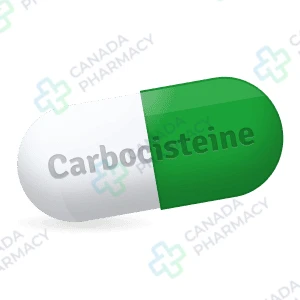
Carbocisteine
Price range: $ 45,00 through $ 65,00
Active substance: Carbocisteine
More Details
This product has multiple variants. The options may be chosen on the product page
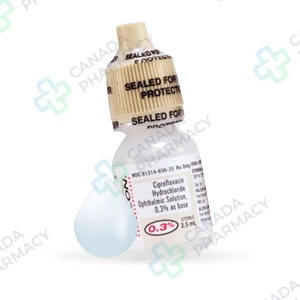
Ciprodex Ophthalmic Solution
Price range: $ 63,00 through $ 95,00
Active substance: Ciprofloxacin, Dexamethasone
More Details
This product has multiple variants. The options may be chosen on the product page
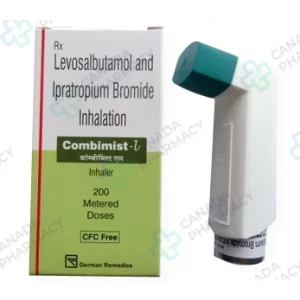
Combivent
Price range: $ 128,00 through $ 384,00
Active substance: albuterol, ipratropium
More Details
This product has multiple variants. The options may be chosen on the product page
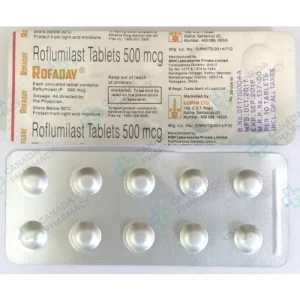
Daliresp
Price range: $ 68,00 through $ 220,00
Active substance: Roflumilast
More Details
This product has multiple variants. The options may be chosen on the product page
Folic Acid
Price range: $ 6,00 through $ 18,00
Active substance: Folic Acid
More Details
This product has multiple variants. The options may be chosen on the product page
LDN
Price range: $ 81,00 through $ 266,00
Active substance: Naltrexone
More Details
This product has multiple variants. The options may be chosen on the product page