

-11%
Levoflox
Price range: $ 46,00 through $ 445,00
Levothroid
Price range: $ 42,00 through $ 144,00
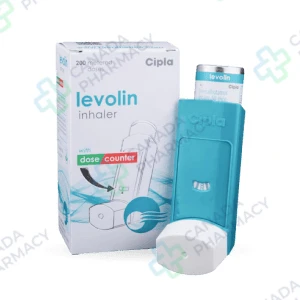
Levolin Inhaler
Price range: $ 9,00 through $ 48,00
Levolin Inhaler is an effective bronchodilator designed to provide rapid relief from respiratory symptoms such as wheezing and shortness of breath. Containing the active ingredient Levosalbutamol, this medication belongs to a class of drugs known as short-acting beta-agonists. It is primarily used for the treatment and prevention of bronchospasm in individuals diagnosed with asthma or chronic obstructive pulmonary disease (COPD). The inhaler works by relaxing the smooth muscles in the airways, allowing for increased airflow to the lungs during sudden flare-ups. This targeted treatment helps maintain clear airways and improves overall breathing comfort for individuals managing chronic respiratory conditions.
Active substance: Levosalbutamol
Delivery: 5–21 days (depending on the shipping method)
Extra 10% discount with coupon: IT4K6SVM
Each dosage option has its own packaging choices.
Description
Levolin Inhaler belongs to a therapeutic class of respiratory agents known as short-acting beta2-adrenergic agonists (SABAs) and contains levalbuterol as its active pharmaceutical ingredient. This selective bronchodilator is indicated for the treatment and prevention of bronchospasm in patients with reversible obstructive airway diseases, such as bronchial asthma and chronic obstructive pulmonary disease (COPD).
In the United States, levalbuterol inhalation products are classified as prescription-only medications (Rx) and must be dispensed in accordance with applicable federal and state regulations under the supervision of a licensed healthcare provider. Understanding the pharmacological profile, proper administration technique, and potential drug interactions is essential for safe therapeutic management.
| Attribute | Specification |
|---|---|
| Active ingredient (INN) | Levalbuterol (as levalbuterol tartrate) |
| Therapeutic class | Short-acting beta2-adrenergic agonist (SABA) / Bronchodilator |
| Dosage form | Inhalation aerosol (metered-dose inhaler) |
| Route of administration | Oral inhalation |
| Primary purpose | Relief and prevention of acute bronchospasm |
| Prescription status | Prescription only (Rx) |
Clinical Overview and Pharmacological Profile
Main uses
The primary clinical indication for levalbuterol aerosol inhalation is the treatment or prevention of bronchospasm in adults and pediatric patients 4 years of age and older with reversible obstructive airway disease. It is utilized to relieve acute respiratory symptoms, including shortness of breath, coughing, wheezing, and chest tightness associated with asthma exacerbations or acute episodes of COPD. Off-label application for the acute management of exercise-induced bronchospasm (EIB) or hyperkalemia in emergency clinical settings must be evaluated individually by a qualified physician, as efficacy and dosing regimens for off-label indications differ from standard FDA-labeled parameters.
How the drug works
The mechanism of action of levalbuterol involves the selective activation of beta2-adrenergic receptors located on bronchial smooth muscle. Levalbuterol is the single (R)-enantiomer of racemic albuterol. Binding to beta2-receptors stimulates intracellular adenyl cyclase, the enzyme responsible for catalyzing the conversion of adenosine triphosphate (ATP) to cyclic-3′,5′-adenosine monophosphate (cAMP). Elevated intracellular cAMP levels activate protein kinase A, which inhibits myosin phosphorylation and lowers intracellular ionic calcium concentrations. This cascade results in the relaxation of airway smooth muscle from the trachea to the terminal bronchioles, facilitating increased airflow and preventing acute bronchoconstriction.
Dosing schedule
Dosing of levalbuterol must be individually determined by the prescribing clinician based on patient age, disease severity, and therapeutic response. For adults and pediatric patients 4 years of age and older, the standard recommended rescue dose for acute bronchospasm is 1 to 2 inhalations every 4 to 6 hours as needed. Prior to initial use or if the inhaler has not been actuated for more than 3 days, the device must be primed according to manufacturer instructions. Patients should inhale deeply and slowly during actuation, holding their breath for up to 10 seconds post-inhalation to ensure maximal lung deposition. Exceeding recommended administration frequencies is strongly discouraged, as excessive beta-adrenergic stimulation increases the risk of severe cardiovascular toxicity.
What happens in the body
Pharmacokinetic evaluations demonstrate that following oral inhalation, levalbuterol acts locally on airway smooth muscle before being absorbed into the systemic circulation. Onset of bronchodilation occurs within 5 to 15 minutes post-administration, reaching peak functional improvements in Forced Expiratory Volume in 1 second (FEV1) between 60 and 90 minutes. The median duration of action ranges between 3 and 6 hours. Systemically absorbed levalbuterol is metabolized primarily in the liver by sulfotransferase into an inactive sulfate conjugate. Excretion occurs predominantly via the kidneys, with more than 80% of the dose eliminated in urine within 48 hours as both unchanged drug and metabolic products.
Signs of improvement
Evaluation of treatment response relies on both subjective symptom reduction and objective pulmonary metrics. Patients typically experience prompt easing of respiratory distress, reduction in chest constriction, and diminished wheezing within minutes following successful inhalation. Objective evidence of therapeutic efficacy is verified by clinical spirometry showing marked improvement in FEV1 and peak expiratory flow rate (PEFR). Lack of expected symptom relief or an increased frequency of inhaler utilization signals deteriorating asthma control and necessitates immediate medical re-evaluation.
Safety Precautions and Usage Guidelines
Adverse reactions
Adverse events associated with levalbuterol inhalation stem primarily from systemic beta-adrenergic stimulation. Frequently reported reactions include fine skeletal muscle tremors (particularly in the hands), nervous tension, headache, dizziness, rhinitis, and localized throat irritation. Mild cardiovascular manifestations, including transient sinus tachycardia, palpitations, and minor elevations in systolic blood pressure, may occur. Dose-dependent metabolic shifts, such as transient hypokalemia and hyperglycemia, have also been documented. Serious adverse reactions requiring prompt intervention include paradoxical bronchospasm, hypersensitivity reactions (angioedema, urticaria, rash), and significant cardiac arrhythmias.
Compatibility with other medicines
Co-administration of levalbuterol with non-selective beta-adrenergic receptor blockers (e.g., propranolol) is generally contraindicated, as beta-blockers antagonize the bronchodilatory effects of levalbuterol and may precipitate severe, refractory bronchospasm in asthmatic patients. Concomitant use with cardiovascular drugs such as loop or thiazide diuretics may exacerbate beta-agonist-induced hypokalemia and electrocardiographic changes. Extreme caution is warranted when administering levalbuterol to patients receiving monoamine oxidase inhibitors (MAOIs) or tricyclic antidepressants (TCAs), as these agents can potentiate the cardiovascular actions of beta-agonists. Concurrent use of other short-acting sympathomimetic bronchodilators should be avoided to prevent additive cardiovascular toxicity.
If you skip a dose
Because levalbuterol is predominantly prescribed as a rescue medication intended for administration on an as-needed basis upon the onset of acute symptoms, missing a strict scheduled dose is rarely applicable. However, if levalbuterol is prescribed on a regular dosing schedule and a dose is missed, it should be administered as soon as remembered. If it is almost time for the next scheduled dose, the missed dose should be skipped, and the standard schedule resumed. Under no circumstances should a patient administer a double dose to compensate for a missed inhalation.
Important precautions
Levalbuterol should be administered with heightened caution in patients with underlying cardiovascular disorders, including coronary artery disease, cardiac arrhythmias, hypertension, and QTc interval prolongation. Individuals with convulsive disorders, hyperthyroidism, or diabetes mellitus should also be monitored closely due to potential beta-adrenergic exacerbation of these conditions. As with other inhaled bronchodilators, levalbuterol can produce life-threatening paradoxical bronchospasm; if sudden airway constriction occurs immediately after dosing, the medication must be discontinued at once and alternative therapy established. Increasing use of rescue bronchodilators is a key marker of unstable asthma, requiring prompt reassessment of the patient’s long-term controller regimen.
Special populations
In pregnant women, levalbuterol is classified under FDA pregnancy risk parameters as a drug that should be used only if the potential maternal benefit justifies the potential risk to the fetus. It is currently unknown whether levalbuterol is excreted into human breast milk; exercise caution when prescribing to nursing mothers. Safety and efficacy of aerosolized levalbuterol have not been established in pediatric patients under 4 years of age. Elderly patients should be monitored carefully, typically initiating treatment at conservative doses due to a higher prevalence of renal, hepatic, or cardiac impairment in this population.
Storage and expiration
Store the metered-dose inhaler at controlled room temperature between 20°C and 25°C (68°F to 77°F), with excursions permitted between 15°C and 30°C (59°F to 86°F). Protect the canister from direct sunlight, freezing temperatures, and high humidity. Contents are stored under pressure; do not puncture, incinerate, or expose the container to temperatures exceeding 120°F (49°C). Keep out of reach of children. Safely discard the actuator and canister once the labeled number of actuations has been reached or after the expiration date printed on the packaging.
| Emergency Warning Sign (Red Flag) | Recommended Action |
|---|---|
| Paradoxical bronchospasm (sudden severe breathing difficulty right after inhalation) | Discontinue use immediately and seek emergency medical assistance. |
| Signs of severe allergic reaction (swelling of face, tongue, lip, or throat; hives) | Seek immediate emergency medical care (call 911 or visit ER). |
| Chest pain, severe rapid heartbeat (tachycardia), or irregular rhythm | Contact emergency services or seek urgent cardiovascular evaluation. |
| Marked dizziness, lightheadedness, or sudden syncope (fainting) | Cease activity, sit or lie down, and obtain immediate medical assistance. |
| Inability to achieve asthma symptom relief despite repeated inhaler use | Seek immediate urgent medical evaluation for severe asthma exacerbation. |
Common questions
How quickly does levalbuterol begin to open the airways?
Therapeutic bronchodilation typically begins within 5 to 15 minutes following oral inhalation. Peak improvements in airway clearance and pulmonary airflow generally occur within 60 to 90 minutes post-dose. If acute shortness of breath does not diminish within this timeframe, immediate clinical consultation is required.
Is levalbuterol identical to racemic albuterol?
While related, levalbuterol contains only the single active (R)-enantiomer of albuterol, whereas standard racemic albuterol consists of a 50:50 mixture of (R)- and (S)-enantiomers. The (R)-enantiomer carries the primary bronchodilatory activity. Dosing milligram-for-milligram differs between the two formulations, and they cannot be interchanged without specific medical authorization.
Can levalbuterol inhaler be used for sudden acute asthma attacks?
Yes, levalbuterol is classified as a short-acting rescue bronchodilator specifically indicated for the rapid relief of acute bronchospasm. Patients should always carry their prescribed rescue inhaler for immediate access during sudden asthmatic exacerbations.
What should I do if my inhaler seems less effective than usual?
Decreased therapeutic response or an increased need for inhaler doses indicates progressive worsening of underlying airway inflammation. Patients should not arbitrarily increase their dose; instead, they should contact their healthcare provider promptly to re-evaluate their overall asthma management strategy.
Does levalbuterol cause changes in blood potassium or glucose levels?
Beta2-adrenergic agonists like levalbuterol can stimulate the intracellular transport of potassium, potentially causing a transient decrease in serum potassium (hypokalemia). Additionally, beta-adrenergic stimulation can induce mild, temporary increases in blood glucose levels. These physiological changes are usually transient and monitored during high-dose or inpatient therapy.
In accordance with FDA requirements.
This material is educational. Only a licensed prescriber can determine whether a medication is appropriate for you.
Additional information
| Dosage |
50 mcg |
|---|---|
| Package |
1 inhaler ,3 inhaler ,6 inhaler |
| Ενεργός Ουσία |
Related products
Astelin
Price range: $ 46,00 through $ 193,00
Active substance: Azelastine
More Details
This product has multiple variants. The options may be chosen on the product page
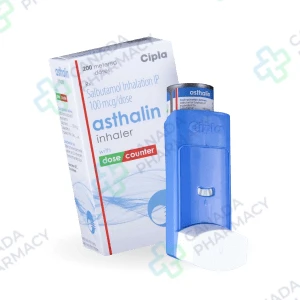
Asthalin Inhaler
Price range: $ 50,00 through $ 215,00
Active substance: Salbutamol
More Details
This product has multiple variants. The options may be chosen on the product page
Deltasone
Price range: $ 47,00 through $ 296,00
Active substance: Prednisone
More Details
This product has multiple variants. The options may be chosen on the product page
FML Forte
Price range: $ 43,00 through $ 166,00
Active substance: Fluorometholone
More Details
This product has multiple variants. The options may be chosen on the product page
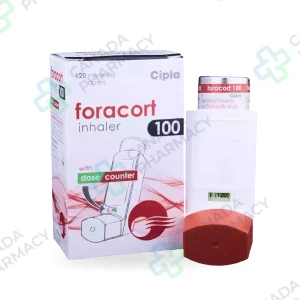
Foracort Inhaler
Price range: $ 47,00 through $ 345,00
Active substance: Budesonide, Formoterol
More Details
This product has multiple variants. The options may be chosen on the product page
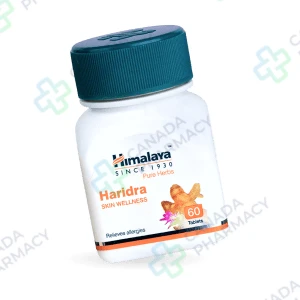
Haridra
$ 48,00
Active substance: Haridra
More Details
This product has multiple variants. The options may be chosen on the product page
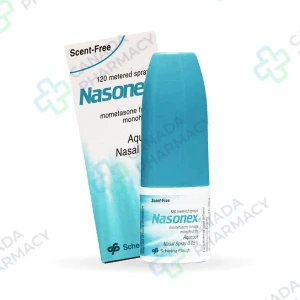
Nasonex nasal spray
Price range: $ 62,00 through $ 276,00
Active substance: Mometasone Furoate Monohydrate
More Details
This product has multiple variants. The options may be chosen on the product page
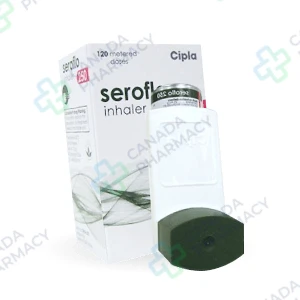
Seroflo
Price range: $ 110,00 through $ 659,00
Active substance: fluticasone, Salmeterol
More Details
This product has multiple variants. The options may be chosen on the product page