

-34%
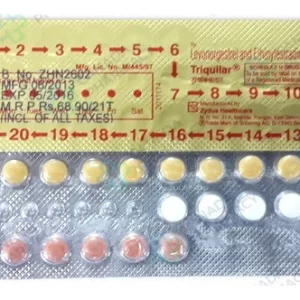
Levlen
Price range: $ 40,00 through $ 96,00
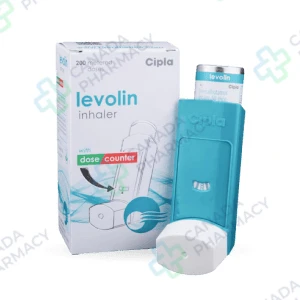
Levolin Inhaler
Price range: $ 9,00 through $ 48,00
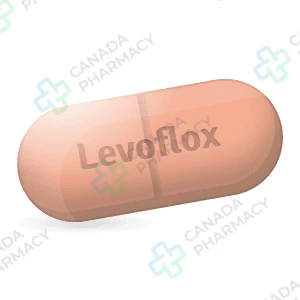
Levoflox
Price range: $ 46,00 through $ 445,00
Levoflox is a powerful fluoroquinolone antibiotic designed to combat a wide range of bacterial infections. This medication works by inhibiting essential bacterial enzymes, effectively stopping the growth of harmful microorganisms in the body. It is frequently used to treat serious respiratory conditions, including community-acquired pneumonia and acute bacterial sinusitis. Additionally, Levoflox is indicated for managing complicated urinary tract infections and skin structure infections caused by susceptible pathogens. Its broad-spectrum efficacy makes it a reliable choice for addressing diverse systemic and localized bacterial ailments.
Active substance: Levofloxacin
Delivery: 5–21 days (depending on the shipping method)
Extra 10% discount with coupon: IT4K6SVM
Each dosage option has its own packaging choices.
Description
Levoflox contains levofloxacin, a synthetic antibacterial agent belonging to the fluoroquinolone class of antimicrobials. It is an oral prescription medication indicated for the treatment of specific mild, moderate, and severe bacterial infections in adult patients when prescribed by a licensed healthcare professional.
Due to the risk of serious adverse reactions associated with fluoroquinolones, federal regulations require that Levoflox be used strictly under medical supervision. Prescribers evaluate patient history, renal function, and underlying health conditions before initiating therapy with this antimicrobial agent.
| Attribute | Specification |
|---|---|
| Active ingredient (INN) | Levofloxacin |
| Therapeutic class | Fluoroquinolone antibacterial |
| Dosage form | Oral tablet / Oral solution |
| Route of administration | Oral |
| Prescription status | Prescription only (Rx) |
| Primary purpose | Treatment of susceptible bacterial infections |
| Storage | Store at 20°C to 25°C (68°F to 77°F) |
Safety Warnings and Important Precautions
Boxed Warning and Serious Risks
Warning: Fluoroquinolones, including Levoflox, are associated with disabling and potentially irreversible serious adverse reactions. These include tendinitis and tendon rupture, peripheral neuropathy, and central nervous system effects. Discontinue the medication immediately and contact your healthcare provider if you experience pain, swelling, or inflammation of a tendon, or symptoms of nerve damage such as numbness, tingling, or burning pain.
Fluoroquinolones may also exacerbate muscle weakness in patients with myasthenia gravis. Levoflox should be avoided in patients with a known history of myasthenia gravis. Because the risk of severe adverse reactions generally outweighs the benefits in uncomplicated infections, alternative treatment options should be considered for condition categories such as acute bacterial sinusitis, acute bacterial exacerbation of chronic bronchitis, and uncomplicated urinary tract infections unless no other options are available.
Red Flags: When to Get Emergency Care
Immediate emergency medical assistance is required if severe or life-threatening symptoms develop during treatment. Patients must monitor for warning signs that indicate immediate cessation of therapy and urgent clinical evaluation.
| Emergency Symptom | Immediate Action Required |
|---|---|
| Swelling of face, lips, tongue, or throat | Seek immediate emergency care (anaphylaxis risk) |
| Sudden severe pain or popping sound in a joint or tendon | Stop taking medication immediately and avoid weight-bearing exercise |
| Unusual numbness, tingling, burning, or pain in arms or legs | Contact prescriber promptly; discontinue medication |
| Severe watery or bloody diarrhea, fever, abdominal cramps | Seek prompt evaluation for Clostridioides difficile infection |
| Chest pain, rapid or irregular heartbeat, severe dizziness | Seek immediate emergency medical evaluation (risk of QTc prolongation) |
Special Populations
Elderly patients (aged 65 years and older) face an increased risk of severe tendon disorders, including tendon rupture, which is further heightened with concomitant corticosteroid therapy. Elderly individuals also exhibit higher susceptibility to prolonging the QTc interval on an electrocardiogram. Dosage adjustment is required in patients with impaired renal function, as levofloxacin is cleared primarily by the kidneys. Safety and effectiveness in pediatric patients under 18 years of age have not been established due to potential adverse effects on musculoskeletal tissues observed in animal studies.
Clinical Usage, Dosage, and Drug Properties
What It’s Used For
Levoflox is indicated for treating bacterial infections caused by susceptible strains of microorganisms. Approved clinical indications include community-acquired pneumonia, nosocomial pneumonia, complicated and uncomplicated urinary tract infections, acute pyelonephritis, complicated skin and skin structure infections, and chronic bacterial prostatitis. It may also be prescribed for post-exposure prophylaxis and treatment of inhalational anthrax. Because Levoflox is ineffective against viral pathogens, it must not be used for influenza, the common cold, or bronchitis of viral etiology.
How the Drug Works
Levoflox contains levofloxacin, the L-isomer of the racemate ofloxacin. It exerts its bactericidal activity by inhibiting bacterial type II topoisomerases, specifically DNA gyrase and topoisomerase IV. These enzymes are essential for bacterial DNA replication, transcription, repair, and recombination. By blocking these processes, levofloxacin prevents bacterial growth and causes rapid cell death. Resistance to levofloxacin usually develops through step-wise mutations in bacterial topoisomerase genes or changes in membrane permeability.
What Happens in the Body
Following oral administration, levofloxacin is rapidly and almost completely absorbed, reaching peak plasma concentration within 1 to 2 hours. The oral bioavailability of levofloxacin tablets is approximately 99%, making oral administration bioequivalent to intravenous administration of identical dosages. The steady-state volume of distribution averages 74 to 112 liters, indicating widespread tissue distribution, including respiratory tract tissues, skin fluid, and prostate tissue. Levofloxacin undergoes limited metabolism in humans and is primarily eliminated unchanged in the urine via glomerular filtration and active tubular secretion. The mean terminal elimination half-life ranges from 6 to 8 hours in individuals with normal renal clearance.
How to Take It
Levoflox must be taken exactly as prescribed by a healthcare provider. Oral doses are typically administered once daily, with or without food. Tablets should be swallowed whole with a full glass of water. Patients taking oral solution formulations should measure doses with a calibrated measuring device. It is critical to complete the full prescribed course of therapy, even if clinical symptoms improve early. Discontinuing antimicrobial treatment prematurely can lead to incomplete bacterial eradication and foster the development of drug-resistant strains.
Compatibility With Other Medicines
Concurrent administration of Levoflox with multivalent cations substantially reduces its gastrointestinal absorption, resulting in lower systemic drug concentrations. Products containing magnesium, aluminum, iron, zinc, or sucralfate–such as antacids, buffered medications, and mineral supplements–should be taken at least 2 hours before or 2 hours after Levoflox administration. Co-administration of nonsteroidal anti-inflammatory drugs (NSAIDs) with fluoroquinolones may increase the risk of central nervous system stimulation and convulsive seizures. Concomitant use with oral anticoagulants such as warfarin may potentiate the anticoagulant effect, requiring close monitoring of international normalized ratio (INR) values. Concomitant use with agents that prolong the QTc interval (e.g., class IA or class III antiarrhythmics) must be avoided.
Food and Alcohol Interactions
Levoflox oral tablets may be taken without regard to meals. However, dairy products or calcium-fortified juices taken alone should not be used simultaneously to swallow the tablet if they contain high amounts of calcium that could bind the drug. Adequate hydration must be maintained throughout treatment to prevent the formation of highly concentrated urine and potential crystalluria. While alcohol does not directly degrade levofloxacin, consumption of alcoholic beverages during treatment should be avoided, as alcohol can amplify central nervous system side effects such as dizziness, lightheadedness, and drowsiness.
If You Skip a Dose
If a dose of Levoflox is missed, it should be taken as soon as remembered on the same day. If it is almost time for the next scheduled dose, skip the missed dose and resume the regular dosing schedule. Do not double the dose to make up for a missed tablet, as taking excessive amounts increases the risk of severe toxicity and adverse events.
Adverse Reactions
Common adverse reactions associated with Levoflox include nausea, headache, diarrhea, insomnia, constipation, and dizziness. Less common but significant adverse events include hypersensitivity reactions, photosensitivity, hypoglycemia or hyperglycemia (particularly in diabetic patients taking insulin or oral hypoglycemic agents), and Clostridioides difficile-associated diarrhea. Exposure to direct sunlight or ultraviolet light should be minimized during therapy to prevent phototoxicity reactions, characterized by severe sunburn-like skin eruptions.
Storage and Expiration
Levoflox tablets should be stored at controlled room temperature between 20°C to 25°C (68°F to 77°F), with excursions permitted between 15°C and 30°C (59°F to 86°F). Keep the medication in its original moisture-resistant container, tightly closed, and protected from excessive heat and direct light. Keep out of reach of children. Unused or expired medication should not be flushed down toilets; dispose of it through designated community take-back programs.
Common Questions
What should I do if I develop joint or tendon pain while taking Levoflox?
If you experience pain, swelling, tenderness, or inflammation in any joint or tendon, stop taking Levoflox immediately. Rest the affected limb, avoid exercise or weight-bearing activities, and contact your healthcare provider right away. Tendon damage can occur during treatment or several months after completing the prescription.
Can I take antacids or iron supplements while taking Levoflox?
Antacids containing magnesium or aluminum, iron supplements, sucralfate, and zinc-containing multivitamins bind to levofloxacin in the digestive tract and prevent its absorption. Take these products at least 2 hours before or 2 hours after taking your Levoflox dose.
Why do I need to stay out of the sun while taking this medication?
Levoflox can increase your skin’s sensitivity to ultraviolet (UV) light, leading to moderate-to-severe phototoxicity or sunburn reactions. Avoid prolonged exposure to direct sunlight, sunlamps, and tanning beds. Wear protective clothing and apply broad-spectrum sunscreen if outdoor exposure is unavoidable.
Is it safe to drive while taking Levoflox?
Levoflox may cause neurological side effects such as dizziness, lightheadedness, drowsiness, or visual disturbances. Do not drive, operate machinery, or engage in hazardous activities requiring full mental alertness until you know how the medication affects you personally.
What happens if I stop taking Levoflox as soon as my symptoms disappear?
Stopping an antibiotic prematurely can allow surviving bacteria to multiply, causing the infection to return. It also increases the risk that the bacteria will develop resistance to levofloxacin and other fluoroquinolone antibiotics, making future infections harder to treat.
In accordance with FDA requirements.
This content is informational and does not replace a consultation with your doctor or pharmacist.
Additional information
| Dosage |
250mg ,500mg ,700mg |
|---|---|
| Package |
30 pills ,60 pills ,90 pills ,120 pills ,180 pills ,270 pills ,360 pills |
| Ενεργός Ουσία |
Related products
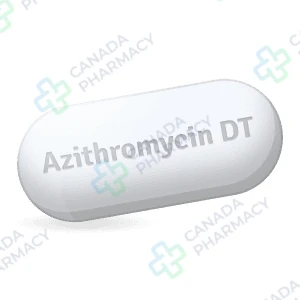
Azithromycin DT
Price range: $ 60,00 through $ 972,00
Active substance: Azithromycin
More Details
This product has multiple variants. The options may be chosen on the product page
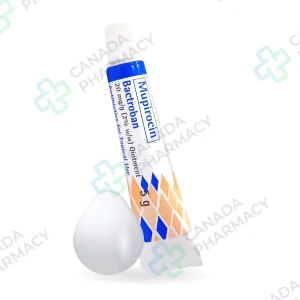
Bactroban Ointment 5g
Price range: $ 55,00 through $ 200,00
Active substance: Mupirocin
More Details
This product has multiple variants. The options may be chosen on the product page
Cefaclor
Price range: $ 68,00 through $ 3 600,00
Active substance: cefaclor monohydrate
More Details
This product has multiple variants. The options may be chosen on the product page
Cefixime
Price range: $ 101,00 through $ 509,00
Active substance: cefixime
More Details
This product has multiple variants. The options may be chosen on the product page
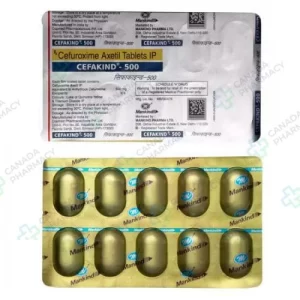
Ceftin
Price range: $ 38,00 through $ 386,00
Active substance: Cefuroxime
More Details
This product has multiple variants. The options may be chosen on the product page
Cephadex
Price range: $ 16,00 through $ 48,00
Active substance: cephalexin
More Details
This product has multiple variants. The options may be chosen on the product page
Cepmox
Price range: $ 41,00 through $ 115,00
Active substance: amoxicillin
More Details
This product has multiple variants. The options may be chosen on the product page
Chloramphenicol
Price range: $ 56,00 through $ 260,00
Active substance: chloramphenicol
More Details
This product has multiple variants. The options may be chosen on the product page