

-16%
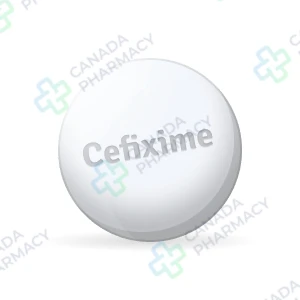
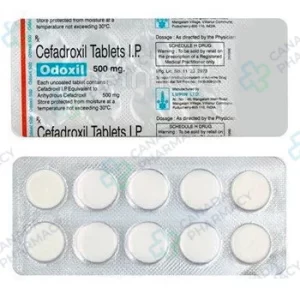
Cefadroxil
Price range: $ 41,00 through $ 349,00
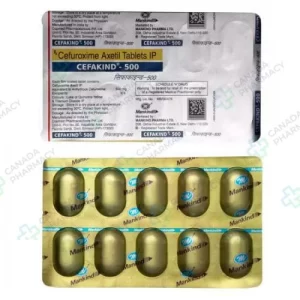
Ceftin
Price range: $ 38,00 through $ 386,00
Cefixime
Price range: $ 101,00 through $ 509,00
Cefixime is a potent third-generation cephalosporin antibiotic designed to treat a wide range of bacterial infections. It works by effectively inhibiting the synthesis of bacterial cell walls, which stops the growth and spread of harmful pathogens. This medication is commonly used to address respiratory tract issues such as acute bronchitis, tonsillitis, and pharyngitis. Additionally, it is highly effective in managing uncomplicated urinary tract infections and certain sexually transmitted infections like gonorrhea. With its reliable action against various strains of bacteria, Cefixime provides a targeted approach to restoring health and clearing systemic infections.
Active substance: cefixime
Delivery: 5–21 days (depending on the shipping method)
Extra 10% discount with coupon: IT4K6SVM
Each dosage option has its own packaging choices.
Description
Cefixime belongs to a class of antimicrobial medications known as third-generation cephalosporins. In the United States, it is a prescription-only oral agent indicated for treating specific bacterial infections by interfering with cell wall synthesis. While it offers broad activity against many gram-negative organisms, its clinical utility must be balanced against the risk of bacterial resistance and potential adverse gastrointestinal effects.
As an oral antibiotic, cefixime provides a convenient outpatient therapeutic option when beta-lactam therapy is appropriate. Patients should strictly adhere to prescribed regimens under professional supervision to ensure treatment efficacy and minimize unnecessary antimicrobial exposure.
Cefixime – Information for Patients and Caregivers
| Parameter | Details |
|---|---|
| Drug name | Cefixime |
| Active ingredient (INN) | Cefixime |
| Dosage form | Oral capsule, chewable tablet, powder for oral suspension |
| Route of administration | Oral |
| Primary purpose | Treatment of susceptible bacterial infections |
| Prescription status | Prescription (Rx) |
What It Is and How It Works
How the drug works
Cefixime is a bactericidal antibiotic that acts by binding to specific penicillin-binding proteins (PBPs) located inside the bacterial cell wall. This binding inhibits the final transpeptidation step of peptidoglycan synthesis, ultimately leading to cell wall instability and bacterial cell lysis. On one hand, cefixime demonstrates high stability in the presence of many beta-lactamase enzymes, allowing it to remain active against organisms that resist traditional penicillins. On the other hand, it lacks significant activity against Pseudomonas aeruginosa, enterococci, and methicillin-resistant Staphylococcus aureus (MRSA), which limits its spectrum compared to broader-spectrum parenteral agents.
How it’s absorbed and eliminated
Following oral administration, approximately 40% to 50% of a cefixime dose is absorbed from the gastrointestinal tract. Peak serum concentrations are typically attained within 2 to 6 hours after ingestion. Co-administration with food slows the rate of absorption slightly, but it does not significantly alter the total extent of drug absorption (AUC). The plasma half-life of cefixime ranges between 3 and 4 hours in individuals with normal renal function. Approximately 50% of the absorbed dose is excreted unchanged in the urine over 24 hours via glomerular filtration, while a portion is eliminated through biliary routes. In patients with severe renal impairment, the elimination half-life is prolonged, necessitating dosage adjustments.
Clinical Uses and Administration
What it’s used for
Cefixime is approved by the FDA for the treatment of uncomplicated urinary tract infections caused by Escherichia coli and Proteus mirabilis, otitis media caused by Haemophilus influenzae, Moraxella catarrhalis, or Streptococcus pyogenes, and acute bronchitis or acute exacerbations of chronic bronchitis caused by Streptococcus pneumoniae and Haemophilus influenzae. It is also indicated for pharyngitis and tonsillitis caused by Streptococcus pyogenes. While historical regimens utilized cefixime as a single-dose treatment for uncomplicated cervical or urethral gonorrhea, current treatment guidelines may prefer alternative therapies or dual-regimen strategies due to evolving antibiotic resistance patterns; any such use outside standard FDA-labeled indications represents off-label clinical application.
Dosing schedule
The standard adult dosage for susceptible infections is 400 mg daily, administered either as a single 400 mg dose once daily or split into 200 mg taken every 12 hours. Pediatric patients older than 6 months typically receive dosage calculations based on body weight (generally 8 mg/kg daily as a single dose or divided twice daily). Treatment duration varies according to the site and severity of infection, commonly ranging from 7 to 14 days. Patients with impaired kidney function requiring reduced clearance rates must have their dosing interval or total daily dose modified by a prescribing healthcare provider based on calculated creatinine clearance values.
Potential Risks and Precautions
Adverse reactions
While cefixime is generally well tolerated compared to some older broad-spectrum agents, gastrointestinal side effects occur with moderate frequency. Up to 16% of patients report alterations in bowel habits, including diarrhea, loose stools, abdominal pain, nausea, and dyspepsia. Mild skin reactions, such as urticaria or pruritus, occur in a smaller percentage of individuals. Less common but serious adverse events include Clostridioides difficile-associated diarrhea (CDAD), severe cutaneous adverse reactions like Stevens-Johnson syndrome, and transient elevations in liver enzymes or blood urea nitrogen (BUN). If severe diarrhea occurs during or after therapy, immediate medical evaluation is required.
Compatibility with other medicines
Cefixime can interact with several co-administered pharmaceutical agents. Concomitant administration with anticoagulants, such as warfarin, may increase prothrombin time and elevate the risk of bleeding, requiring close monitoring of coagulation parameters (INR). Elevated carbamazepine blood levels have been reported when taken concurrently with cefixime, necessitating clinical monitoring of carbamazepine concentrations. Additionally, probenecid decreases the renal tubular secretion of cefixime, resulting in higher peak plasma concentrations and prolonged serum half-life. Patients should inform their prescribing clinician of all current prescription and over-the-counter medications prior to starting therapy.
Important precautions
Before initiating cefixime, healthcare providers must evaluate the patient for previous hypersensitivity reactions to cephalosporins, penicillins, or other beta-lactam antibiotics. Cross-reactivity between penicillins and third-generation cephalosporins occurs in a small subset of patients, but caution is essential if a history of severe immediate hypersensitivity (anaphylaxis) exists. Prescribing cefixime in the absence of a proven or strongly suspected bacterial infection increases the risk of developing drug-resistant bacteria and provides little clinical benefit. Prolonged use may result in fungal or bacterial superinfections.
Red flags
Patients taking cefixime should seek emergency medical attention if they notice signs of a severe allergic reaction or severe adverse effect. Critical signs demanding immediate intervention include:
- Swelling of the face, lips, tongue, or throat causing difficulty breathing or swallowing.
- Severe, watery, or bloody diarrhea accompanied by severe abdominal cramps and fever.
- Severe skin rash, blistering, or skin peeling (signs of toxic epidermal necrolysis or Stevens-Johnson syndrome).
- Yellowing of the skin or eyes (jaundice) paired with dark-colored urine.
Pregnancy, breastfeeding, and other groups
Cefixime is classified as Pregnancy Category B under traditional FDA labeling. Reproduction studies in animal models have shown no evidence of harm to the fetus; however, adequate and well-controlled studies in pregnant women are lacking. Cefixime should be used during pregnancy only if clearly needed. It is not definitively established whether cefixime is excreted in human breast milk. Consequently, caution should be exercised, and clinicians may consider temporarily discontinuing nursing or selecting an alternative antibiotic based on clinical necessity. Dosage in elderly patients generally reflects renal functional status rather than age alone.
If you skip a dose
If a dose of cefixime is missed, it should be taken as soon as it is remembered. However, if it is almost time for the next scheduled dose, the missed dose should be skipped entirely, and the regular dosing schedule resumed. Double doses should never be taken to compensate for a missed dose. Maintaining consistent drug concentrations in the body is important for effective bacterial eradication, so setting daily reminders can help maintain adherence.
Storage and expiration
Oral capsules and chewable tablets should be stored at controlled room temperature between 20°C to 25°C (68°F to 77°F), protected from excessive heat and moisture. Powder for oral suspension should be stored at room temperature or refrigerated after reconstitution with water; any unused portion of reconstituted suspension must be discarded after 14 days regardless of storage location. Keep all formulations out of reach of children and do not use the medication past the expiration date printed on the container.
Common Questions
Can cefixime be taken with food?
Yes, cefixime can be taken with or without food. Taking the medication alongside a meal may help diminish mild gastrointestinal upset, such as nausea or abdominal discomfort, although it slightly delays the speed at which the drug is absorbed into the bloodstream without altering the total amount absorbed.
What should I do if I develop diarrhea while taking cefixime?
Mild loose stools can occur during antibiotic therapy. However, if you experience frequent, watery, or bloody stools, you should contact a doctor immediately rather than taking over-the-counter anti-diarrheal medications, as this may indicate a severe intestinal infection caused by Clostridioides difficile.
Is cefixime effective against viral infections like the flu or common cold?
No. Cefixime is strictly an antibacterial medication and has no therapeutic effect against viral pathogens, including influenza, SARS-CoV-2, or the common cold. Taking antibiotics for viral illnesses does not speed recovery and contributes to antimicrobial resistance.
How does kidney dysfunction affect how cefixime is taken?
Because cefixime is largely cleared by the kidneys, decreased renal function leads to higher drug levels in the blood for longer periods. Patients with significantly reduced renal clearance require a reduced dose or extended intervals between doses, as determined by a licensed prescriber based on laboratory findings.
Can I stop taking cefixime early if my symptoms disappear?
No. It is vital to complete the full course of treatment prescribed by your doctor, even if your symptoms improve after a few days. Discontinuing antibiotic therapy early may leave surviving bacteria behind, leading to a relapse of the infection and fostering bacterial resistance.
In accordance with FDA requirements.
Information on this page is for reference and does not replace an assessment by a licensed healthcare professional.
Additional information
| Dosage |
100mg |
|---|---|
| Package |
30 pills ,60 pills ,120 pills ,180 pills |
| Ενεργός Ουσία |
Related products

Azee DT
Price range: $ 20,00 through $ 42,00
Active substance: Azithromycin
More Details
This product has multiple variants. The options may be chosen on the product page

Azipro
Price range: $ 90,00 through $ 680,00
Active substance: Azithromycin
More Details
This product has multiple variants. The options may be chosen on the product page
Azithromycin DT
Price range: $ 60,00 through $ 972,00
Active substance: Azithromycin
More Details
This product has multiple variants. The options may be chosen on the product page
Cefadroxil
Price range: $ 41,00 through $ 349,00
Active substance: cefadroxil
More Details
This product has multiple variants. The options may be chosen on the product page
Ceftin
Price range: $ 38,00 through $ 386,00
Active substance: Cefuroxime
More Details
This product has multiple variants. The options may be chosen on the product page
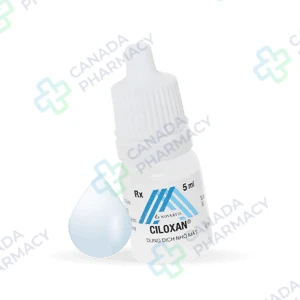
Ciloxan Ophthalmic Solution
Price range: $ 50,00 through $ 63,00
Active substance: Ciprofloxacin hydrochloride
More Details
This product has multiple variants. The options may be chosen on the product page
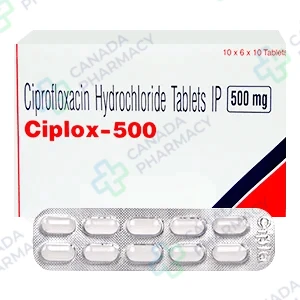
Ciplox
Price range: $ 49,00 through $ 434,00
Active substance: Ciprofloxacin
More Details
This product has multiple variants. The options may be chosen on the product page

Cleocin
Price range: $ 91,00 through $ 361,00
Active substance: Clindamycin
More Details
This product has multiple variants. The options may be chosen on the product page