

-16%
Cialis Super Active
Price range: $ 45,00 through $ 470,00
Ciplox
Price range: $ 49,00 through $ 434,00
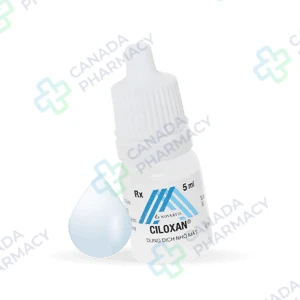
Ciloxan Ophthalmic Solution
Price range: $ 50,00 through $ 63,00
Ciloxan Ophthalmic Solution is a potent antibacterial eye drop containing ciprofloxacin, a broad-spectrum fluoroquinolone antibiotic. It is primarily indicated for the treatment of bacterial conjunctivitis, effectively clearing infections that cause redness, irritation, and discharge. This medication is also highly effective in treating corneal ulcers, providing targeted action against a wide range of susceptible Gram-positive and Gram-negative bacteria. The solution works by inhibiting the essential enzymes bacteria need to replicate, thereby stopping the spread of the infection and promoting healing. Designed for topical ophthalmic use, Ciloxan provides fast-acting relief while maintaining a high safety profile for ocular health.
Active substance: Ciprofloxacin hydrochloride
Delivery: 5–21 days (depending on the shipping method)
Extra 10% discount with coupon: IT4K6SVM
Each dosage option has its own packaging choices.
Description
Ciloxan (ciprofloxacin ophthalmic solution) belongs to the fluoroquinolone class of topical antibacterial medications formulated specifically for ocular application. In the United States, this medication is available strictly by prescription (Rx) and must be administered in accordance with a licensed healthcare provider’s instructions for diagnosed ocular bacterial conditions.
It is indicated for the treatment of superficial eye infections, including bacterial conjunctivitis and corneal ulcers caused by susceptible microbial strains. Proper adherence to the prescribed dosing schedule is essential to achieve therapeutic success and minimize the risk of developing bacterial resistance.
| Parameter | Clinical Details |
|---|---|
| Active Ingredient | Ciprofloxacin hydrochloride (equivalent to 0.3% ciprofloxacin base) |
| Therapeutic Class | Fluoroquinolone anti-infective (ophthalmic) |
| Dosage Form | Topical ophthalmic solution (sterile eye drops) |
| Route of Administration | Ocular instillation |
| Primary Purpose | Treatment of susceptible bacterial corneal ulcers and bacterial conjunctivitis |
| Prescription Status | Prescription only (Rx) |
| Storage Requirements | Store at controlled room temperature between 68°F to 77°F (20°C to 25°C); protect from light |
Clinical Overview and Dosing Protocols
Main uses
Ciloxan ophthalmic solution 0.3% is an FDA-approved topical antibiotic prescribed to treat acute bacterial eye infections. Its primary clinical indications include corneal ulcers caused by susceptible bacteria such as Pseudomonas aeruginosa, Serratia marcescens, Staphylococcus aureus, Staphylococcus epidermidis, and Streptococcus pneumoniae. Additionally, it is indicated for the treatment of bacterial conjunctivitis caused by organisms including Staphylococcus aureus, Staphylococcus epidermidis, Streptococcus pneumoniae, and Haemophilus influenzae. This medication is ineffective against fungal, viral, or allergic ocular conditions and should only be used when a bacterial etiology is confirmed or strongly suspected by a medical professional.
How the drug works
The active component of Ciloxan is ciprofloxacin hydrochloride, a synthetic broad-spectrum fluoroquinolone antibacterial agent. It exerts its bactericidal action by inhibiting bacterial type II topoisomerase (DNA gyrase) and topoisomerase IV. These enzymes are essential for bacterial DNA replication, transcription, repair, and recombination. By disrupting these enzymatic processes, ciprofloxacin prevents the bacterial cells from multiplying and leads to rapid cell death. Due to its targeted mechanism, it exhibits high activity against a wide spectrum of Gram-negative and Gram-positive ocular pathogens.
Dosing schedule
Dosage instructions must be followed exactly as directed by the prescribing physician. For the treatment of corneal ulcers, the standard regimen involves instilling 2 drops into the affected eye every 15 minutes for the first 6 hours, followed by 2 drops every 30 minutes for the remainder of the first day. On the second day, the dosage is typically 2 drops every hour. From the third through the fourteenth day, 2 drops are applied every 4 hours. For bacterial conjunctivitis, the standard dosage is 1 or 2 drops instilled into the conjunctival sac of the affected eye(s) every 2 hours while awake for 2 days, then 1 or 2 drops every 4 hours while awake for the next 5 days. Total treatment duration is determined individually based on clinical response.
What happens in the body
Following topical ocular administration, ciprofloxacin penetrates the corneal epithelium and target tissues of the anterior segment of the eye. Systemic absorption of ciprofloxacin following topical ocular administration is minimal. Plasma concentrations of ciprofloxacin in human subjects following topical ocular administration of a 0.3% solution remain low, typically reported below 5 ng/mL, which significantly reduces the likelihood of systemic adverse effects compared to oral fluoroquinolone therapy. The drug is eliminated locally through tear turnover and ocular fluid drainage pathways.
What you may notice early on
Upon initial application, patients typically experience mild ocular awareness or a temporary stinging sensation. In patients undergoing treatment for corneal ulcers, a white crystalline precipitate may appear in the superficial portion of the ulcer defect during the first few days of therapy. This precipitate consists of accumulated ciprofloxacin substance and typically resolves spontaneously with continued treatment or upon completion of therapy without adversely affecting clinical outcomes. Resolution of redness, discharge, and irritation generally begins within 48 to 72 hours of starting therapy.
Practical tips
To ensure sterile administration, wash hands thoroughly with soap and water prior to using the drop bottle. Tilt the head back slightly, pull down the lower eyelid to create a small pocket, and hold the dropper tip directly over the eye without letting it touch the eye, eyelid, or surrounding skin surfaces. Contact between the dropper tip and non-sterile surfaces can contaminate the solution. After applying the drop, close the eye gently for 1 to 2 minutes and press lightly on the inner corner of the eye (nasolacrimal occlusion) to minimize systemic absorption and enhance local retention.
Safety Profile, Precautions, and FAQs
Adverse reactions
The most frequently reported ocular side effect associated with Ciloxan is local burning or discomfort upon instillation. Other common adverse reactions include corneal precipitate formation (observed in approximately 17% of patients treated for corneal ulcers), margin crusting, foreign body sensation, itching, conjunctival hyperemia, and a bad or altered taste (dysgeusia) following instillation. Less common side effects include corneal staining, allergic reactions, eyelid edema, tearing, photophobia, and decreased visual acuity. If severe eye pain, persistent redness, or vision alterations develop, prompt medical evaluation is necessary.
Important precautions
Ciloxan is contraindicated in patients with a history of hypersensitivity to ciprofloxacin, any other fluoroquinolone, or any component of the formulation. Prolonged use of topical antibiotics may lead to overgrowth of non-susceptible organisms, including fungi. If superinfection occurs, appropriate therapy should be initiated. Patients should not wear contact lenses if they have signs or symptoms of a bacterial eye infection or while actively using Ciloxan drops, as the preservative (benzalkonium chloride) may be absorbed by soft contact lenses and cause local irritation. Safety and effectiveness in pediatric patients under 1 year of age have not been established.
Compatibility with other medicines
Specific drug-drug interaction studies have not been conducted with ophthalmic ciprofloxacin due to low systemic exposure. However, if multiple topical ophthalmic medications are prescribed, they should be administered at least 5 to 10 minutes apart to prevent dilution or washing out of the active ingredients. Ophthalmic ointments should always be applied last after liquid drops.
If you skip a dose
If a dose is missed, administer it as soon as remembered. However, if it is almost time for the next scheduled application, skip the missed dose and resume the regular dosing schedule prescribed by your healthcare provider. Do not double the number of drops to compensate for a missed application.
Storage and expiration
Store Ciloxan ophthalmic solution at controlled room temperature between 68°F and 77°F (20°C to 25°C). Keep the bottle tightly closed when not in use, and protect the container from excessive heat and direct light. Do not freeze. Keep out of reach of children. Discard any remaining solution after the expiration date printed on the bottle label, or as directed by your pharmacist.
Can contact lenses be worn during treatment with Ciloxan?
Contact lenses should not be worn while treating a bacterial eye infection or during the course of Ciloxan therapy. The solution contains benzalkonium chloride as a preservative, which can be absorbed by soft contact lenses and cause corneal damage or irritation. Contact lenses may be resumed only after the infection has fully resolved and your healthcare provider has cleared you to wear them.
Is a white deposit on the eye surface normal during treatment?
Yes, patients receiving treatment for corneal ulcers may notice a white crystalline precipitate in the affected area of the eye. This precipitate is composed of ciprofloxacin that has crystallized out of solution in the ulcer bed. It typically appears within 1 to 7 days after starting treatment and resolves gradually without causing long-term damage or interfering with healing.
What should I do if I experience severe eye pain or worsening symptoms?
If you experience sudden or severe eye pain, marked worsening of redness, discharge, or changes in your vision while using Ciloxan, contact your prescribing physician or seek emergency medical evaluation immediately. These symptoms may signal an evolving complication or an infection caused by an organism not susceptible to ciprofloxacin.
Can Ciloxan be used in both eyes if only one is infected?
Ciloxan should only be applied to the eye specified by your healthcare provider. Administering antibiotic drops into an uninfected eye increases unnecessary drug exposure and may disturb the normal ocular flora. If you suspect the infection has spread to the other eye, consult your provider before applying drops to that eye.
This text is for informational purposes only and does not constitute individual medical advice. In accordance with FDA requirements.
Additional information
| Dosage |
5 ml |
|---|---|
| Package |
4 flacons ,5 flacons ,6 flacons |
| Ενεργός Ουσία |
Related products
Ampicillin
Price range: $ 40,00 through $ 140,00
Active substance: acillin
More Details
This product has multiple variants. The options may be chosen on the product page

Azithromycin DT
Price range: $ 60,00 through $ 972,00
Active substance: Azithromycin
More Details
This product has multiple variants. The options may be chosen on the product page

Baycip
Price range: $ 42,00 through $ 113,00
Active substance: Ciprofloxacin
More Details
This product has multiple variants. The options may be chosen on the product page
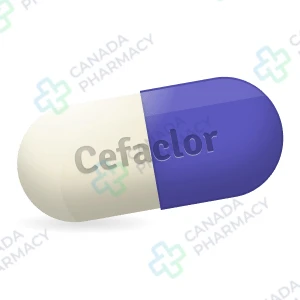
Cefaclor
Price range: $ 68,00 through $ 3 600,00
Active substance: cefaclor monohydrate
More Details
This product has multiple variants. The options may be chosen on the product page

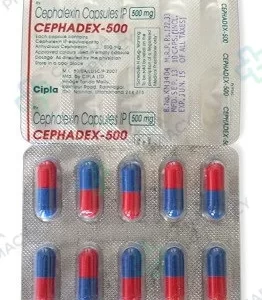
Cephadex
Price range: $ 16,00 through $ 48,00
Active substance: cephalexin
More Details
This product has multiple variants. The options may be chosen on the product page
Cephalexin
Price range: $ 39,00 through $ 349,00
Active substance: cephalexin
More Details
This product has multiple variants. The options may be chosen on the product page

Chloramphenicol
Price range: $ 56,00 through $ 260,00
Active substance: chloramphenicol
More Details
This product has multiple variants. The options may be chosen on the product page

Cleocin
Price range: $ 91,00 through $ 361,00
Active substance: Clindamycin
More Details
This product has multiple variants. The options may be chosen on the product page