

-55%
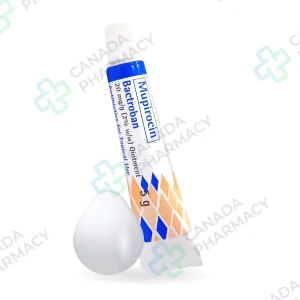
Bactroban Ointment 5g
Price range: $ 55,00 through $ 200,00
Beclamethasone
Price range: $ 60,00 through $ 205,00
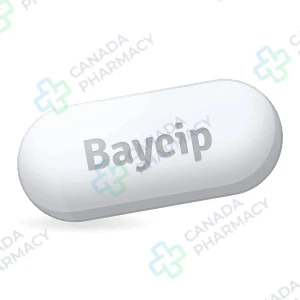
Baycip
Price range: $ 42,00 through $ 113,00
Baycip is a potent broad-spectrum antibiotic belonging to the fluoroquinolone class, designed to combat various bacterial infections throughout the body. It works by inhibiting the enzymes that bacteria need to repair and replicate their DNA, effectively stopping the spread of the infection. This medication is commonly used to treat complex urinary tract infections, chronic prostatitis, and lower respiratory tract conditions like pneumonia. It is also highly effective against skin and soft tissue infections, as well as serious bone and joint infections caused by susceptible organisms. By targeting a wide range of gram-negative and gram-positive bacteria, Baycip provides a reliable solution for restoring health and clearing systemic infections.
Active substance: Ciprofloxacin
Delivery: 5–21 days (depending on the shipping method)
Extra 10% discount with coupon: IT4K6SVM
Each dosage option has its own packaging choices.
Description
Baycip belongs to a class of synthetic broad-spectrum antibacterial agents known as fluoroquinolones, which exert their bactericidal action by directly interfering with essential bacterial enzymes. In the United States, this prescription medication is indicated for the treatment of documented infections caused by designated susceptible microorganisms.
Due to the specific pharmacokinetic profile and serious potential adverse events associated with systemic fluoroquinolone therapy, the use of Baycip requires careful medical evaluation, therapeutic monitoring, and strict adherence to established clinical guidelines.
| Attribute | Details |
|---|---|
| Active ingredient (INN) | Ciprofloxacin |
| Therapeutic class | Fluoroquinolone antibacterial agent |
| Route of administration | Oral |
| Prescription status | Prescription only (Rx) |
| Primary purpose | Treatment of susceptible bacterial infections |
| Storage | Store at controlled room temperature 20°C to 25°C (68°F to 77°F) |
How the drug works
The active component of Baycip, ciprofloxacin, exerts bactericidal activity by targeting two crucial bacterial enzymes: DNA gyrase (topoisomerase II) and topoisomerase IV. DNA gyrase is essential for replication, transcription, and repair of bacterial DNA, as it controls the topological state of double-stranded DNA during unwinding. Topoisomerase IV plays a critical role in partitioning replicated chromosomal DNA during cell division. By inhibiting these enzymes, ciprofloxacin disrupts bacterial genomic integrity, leading to rapid cell death. Mammalian cells do not contain DNA gyrase and exhibit substantially lower sensitivity to topoisomerase IV inhibition, providing selectivity for bacterial targets.
Clinical Overview and Pharmacology
Main uses
Baycip is approved for the management of documented bacterial infections where susceptible organisms are confirmed or strongly suspected. Approved clinical indications include complicated urinary tract infections, acute uncomplicated pyelonephritis, lower respiratory tract infections (including acute exacerbations of chronic bronchitis and nosocomial pneumonia), bone and joint infections, complicated intra-abdominal infections (in combination with metronidazole), infectious diarrhea, and typhoid fever (enteric fever). Additionally, it is indicated for post-exposure prophylaxis and curative treatment of inhalational anthrax. Clinical guidelines advise reserving fluoroquinolones for situations where alternative antibacterial options are inappropriate or ineffective, particularly in uncomplicated urinary tract infections or acute sinusitis.
What happens in the body
Following oral administration, ciprofloxacin is rapidly and well absorbed from the gastrointestinal tract, achieving peak serum concentration within 1 to 2 hours. Absolute bioavailability is approximately 70% to 80%. Serum protein binding ranges between 20% and 40%, allowing extensive tissue distribution. Ciprofloxacin achieves high concentrations in renal tissue, prostate fluid, lungs, bile, and blister fluid, often exceeding corresponding serum levels. The drug undergoes hepatic metabolism via CYP1A2 pathways, forming four minor active metabolites. Elimination occurs primarily through renal excretion via glomerular filtration and active tubular secretion, accounting for approximately 40% to 50% of an oral dose as unchanged drug in urine. The serum elimination half-life in adult patients with normal renal function is approximately 4 hours.
Main uses and administration
Dosing schedule
Dosing of Baycip must be individualized based on the site and severity of infection, patient renal function, and underlying susceptibility of the pathogen. Standard oral dosages for adults typically range from 250 mg to 750 mg administered every 12 hours. Duration of therapy varies from 3 to 14 days for acute infections, though prolonged treatment regimens up to 60 days are required for post-exposure anthrax prophylaxis. In patients with compromised renal function (creatinine clearance below 50 mL/min), dosage adjustments or extended dosing intervals are mandatory to prevent drug accumulation. Tablets should be swallowed whole with adequate hydration to prevent crystalluria.
Safety, Interactions, and Practical Guidance
Drug and food interactions
Compatibility with other medicines
Ciprofloxacin exhibits significant drug interaction potential. Co-administration with multivalent cation-containing products–such as antacids containing aluminum or magnesium, sucralfate, didanosine, or oral supplements containing iron, calcium, or zinc–substantially reduces gastrointestinal absorption due to chelation. These agents must be administered at least 2 hours before or 6 hours after Baycip. Ciprofloxacin is a strong inhibitor of CYP1A2, which can markedly increase serum concentrations of co-administered drugs metabolized by this isoenzyme, such as tizanidine (concurrent use is strictly contraindicated) and theophylline. Concomitant administration with oral anticoagulants like warfarin may potentiate anticoagulant effects, requiring regular monitoring of the International Normalized Ratio (INR).
Food and alcohol interactions
While Baycip may be taken with or without food, concomitant ingestion with dairy products alone (such as milk or yogurt) or calcium-fortified juices can significantly decrease systemic absorption. However, taking the medication as part of a complete meal containing dietary calcium does not impair absorption to a clinically relevant degree. Alcohol consumption during therapy should be approached with caution; while direct pharmacodynamic toxicity is not marked, ethanol can exacerbate central nervous system adverse effects such as dizziness, lightheadedness, or somnolence.
Adverse reactions and precautions
Adverse reactions
The most frequently reported adverse reactions associated with ciprofloxacin during clinical trials involve the gastrointestinal system and central nervous system. Common manifestations include nausea, diarrhea, vomiting, abdominal discomfort, headache, and transient elevation of liver enzymes. Less common but serious adverse effects include Clostridioides difficile-associated diarrhea, photosensitivity reactions, peripheral neuropathy, and QT interval prolongation on electrocardiography. Hypersensitivity reactions ranging from localized rash to anaphylaxis have been observed.
Important precautions
Fluoroquinolones, including ciprofloxacin, carry serious safety warnings regarding disabling and potentially irreversible adverse reactions. These include tendonitis and tendon rupture (most commonly affecting the Achilles tendon), peripheral neuropathy, and central nervous system effects (including toxic psychosis, tremors, hallucinations, and increased intracranial pressure). Risk of tendon disorders is heightened in elderly individuals, patients taking concomitant corticosteroid therapy, and organ transplant recipients. Ciprofloxacin is contraindicated in patients with a history of myasthenia gravis due to risk of severe muscle weakness exacerbation. Use during pregnancy is generally avoided unless clinical benefit outweighs potential fetal risk, and lactating mothers should be advised regarding potential excretion into breast milk.
Red flags
Patients receiving Baycip must discontinue treatment and seek immediate medical evaluation upon the onset of specific alarming symptoms. Critical warning signs include sudden pain, swelling, or inflammation in any tendon; burning sensations, numbness, tingling, or weakness in the extremities; acute neurological changes such as severe dizziness, confusion, or visual disturbances; signs of hypersensitivity including dyspnea, swelling of the face or throat, or widespread bullous skin rash; and severe persistent diarrhea with abdominal pain or blood.
If you skip a dose
When a scheduled dose of Baycip is omitted, it should be administered as soon as remembered, provided the interval until the next scheduled dose is substantial. If the time for the subsequent dose is imminent, the missed dose should be skipped, and the regular dosing calendar resumed. Patients must not double the dose to compensate for a missed administration, as elevated peak serum levels increase the risk of toxicity.
Storage and expiration
Baycip tablets should be stored at controlled room temperature between 20°C and 25°C (68°F to 77°F), with excursions permitted between 15°C and 30°C (59°F to 86°F). Medication should be kept in tightly closed containers protected from moisture and excessive heat. Unused or expired medication should not be flushed down domestic drains; proper disposal should follow local pharmaceutical collection guidelines.
Common questions
What should be done if muscle weakness or joint pain develops during treatment?
If joint pain, tendon swelling, or sudden muscular weakness occurs, physical activity involving the affected area should be minimized immediately, and the prescribing physician contacted. Tendon damage can occur during or months after completing fluoroquinolone therapy.
Is it acceptable to sunbathe or use tanning beds while taking Baycip?
Exposure to direct sunlight or artificial ultraviolet radiation should be avoided during ciprofloxacin therapy. Fluoroquinolones can cause photosensitivity reactions, resulting in severe sunburns or skin eruptions. Protective clothing and broad-spectrum sunscreens are recommended if outdoor exposure is unavoidable.
How does renal impairment affect the administration of this medication?
Because ciprofloxacin is eliminated primarily via renal excretion, decreased renal function leads to prolonged drug half-life and elevated systemic clearance times. Prescribers adjust the total daily dose or extend the interval between doses based on calculated clearance values.
Can Baycip be taken simultaneously with daily multivitamin supplements?
Multivitamins containing minerals such as iron, zinc, or calcium decrease ciprofloxacin absorption through chelation. Supplement intake must be separated from Baycip administration by at least 2 hours before or 6 hours after the dose.
Why is it necessary to maintain high fluid intake during therapy?
Adequate hydration ensures sufficient urinary output, preventing the potential formation of ciprofloxacin crystals in acidic urine (crystalluria). Patients should drink adequate liquids throughout the treatment duration.
In accordance with FDA labeling standards and federal clinical guidance.
Information on this page is for reference and does not replace an assessment by a licensed healthcare professional.
Additional information
| Dosage |
500 mg |
|---|---|
| Package |
60 tabs ,90 tabs ,120 tabs ,180 tabs ,270 tabs ,360 tabs |
| Ενεργός Ουσία |
Related products

Azee DT
Price range: $ 20,00 through $ 42,00
Active substance: Azithromycin
More Details
This product has multiple variants. The options may be chosen on the product page
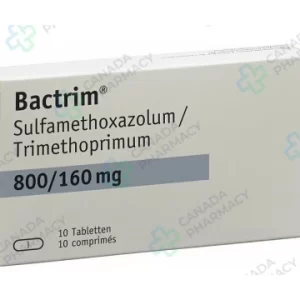
Bactrim
Price range: $ 41,00 through $ 196,00
Active substance: sulfamethoxazole, trimethoprim
More Details
This product has multiple variants. The options may be chosen on the product page
Bactroban Ointment 5g
Price range: $ 55,00 through $ 200,00
Active substance: Mupirocin
More Details
This product has multiple variants. The options may be chosen on the product page
Cefixime
Price range: $ 101,00 through $ 509,00
Active substance: cefixime
More Details
This product has multiple variants. The options may be chosen on the product page
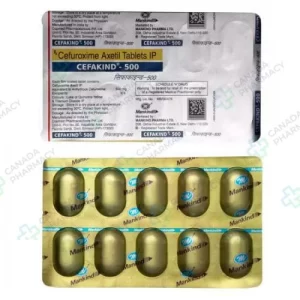
Ceftin
Price range: $ 38,00 through $ 386,00
Active substance: Cefuroxime
More Details
This product has multiple variants. The options may be chosen on the product page
Cepmox
Price range: $ 41,00 through $ 115,00
Active substance: amoxicillin
More Details
This product has multiple variants. The options may be chosen on the product page
Chloramphenicol
Price range: $ 56,00 through $ 260,00
Active substance: chloramphenicol
More Details
This product has multiple variants. The options may be chosen on the product page
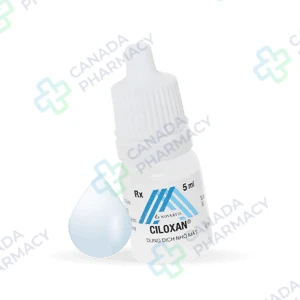
Ciloxan Ophthalmic Solution
Price range: $ 50,00 through $ 63,00
Active substance: Ciprofloxacin hydrochloride
More Details
This product has multiple variants. The options may be chosen on the product page