

-34%
Baycip
Price range: $ 42,00 through $ 113,00
Benemid
Price range: $ 48,00 through $ 62,00
Beclamethasone
Price range: $ 60,00 through $ 205,00
Beclomethasone is a potent corticosteroid designed to manage and prevent symptoms associated with chronic respiratory conditions. It works effectively by reducing inflammation and swelling within the airways to ensure easier breathing. This medication is commonly utilized for the long-term maintenance of asthma and the relief of seasonal or year-round allergic rhinitis. By targeting the source of irritation, it helps alleviate persistent coughing, wheezing, and nasal congestion. Consistent use of this treatment promotes better lung function and enhances daily comfort for those suffering from respiratory sensitivities.
Active substance: Beclomethasone Dipropionate
Delivery: 5–21 days (depending on the shipping method)
Extra 10% discount with coupon: IT4K6SVM
Each dosage option has its own packaging choices.
Description
Beclomethasone belongs to a group of medicines called synthetic corticosteroids, which exert strong anti-inflammatory effects within target tissues. It is indicated primarily for the prophylactic maintenance treatment of asthma and the management of allergic rhinitis symptoms.
Depending on the specific formulation–such as an oral inhalation aerosol or a nasal spray–this medication is dispensed in accordance with applicable federal and state regulations under the supervision of a licensed healthcare provider.
Basic Information
| Parameter | Details |
|---|---|
| Active Ingredient (INN) | Beclomethasone dipropionate |
| Therapeutic Class | Corticosteroids / Anti-inflammatory Agents |
| Primary Indications | Asthma maintenance; seasonal and perennial allergic rhinitis |
| Route of Administration | Oral inhalation; nasal inhalation |
| Dosage Form | Metered-dose inhalation aerosol; nasal spray |
| Prescription Status | Dispensed in accordance with applicable federal and state regulations |
How the Drug Works
Beclomethasone dipropionate is a diester prodrug that undergoes enzymatic cleavage in vivo to form its biologically active metabolite, beclomethasone-17-monopropionate (17-BMP). Corticosteroids act by binding to intracellular glucocorticoid receptors, modifying gene transcription and protein synthesis within mucosal tissues. This activity leads to the inhibition of multiple inflammatory cell types, including mast cells, eosinophils, basophils, lymphocytes, macrophages, and neutrophils.
Additionally, the drug suppresses the release of inflammatory mediators such as histamine, eicosanoid derivatives, and various cytokines. By decreasing vascular permeability and mucosal edema, beclomethasone reduces airway hyperresponsiveness and mucosal swelling. It is important to emphasize that beclomethasone is not a bronchodilator and does not relax bronchial smooth muscle directly; therefore, it cannot reverse acute bronchospasm.
What It’s Used For
The primary indication for beclomethasone oral inhalation is the long-term maintenance treatment of asthma as prophylactic therapy in patients requiring regular anti-inflammatory management. Regular administration aids in decreasing the frequency and severity of asthma exacerbations and improves baseline pulmonary function parameters.
In nasal spray formulations, beclomethasone is indicated for the control of symptoms associated with seasonal or perennial allergic rhinitis, including nasal congestion, rhinorrhea, sneezing, and localized pruritus.
Off-label consideration: In specialized gastroenterology settings, swallowed topical formulations of beclomethasone dipropionate are sometimes utilized off-label for the treatment of eosinophilic esophagitis to reduce esophageal eosinophilic infiltration.
Dosing Schedule
Dosage regimens are individualized by the prescribing physician according to disease severity, age, patient response, and specific product formulations. For asthma prophylaxis via oral inhalation, dosing is typically scheduled twice daily at evenly spaced intervals. The dose should be titrated to the lowest effective level once disease control is established.
Proper administration technique is mandatory for optimal drug delivery. After utilizing an oral inhaler, patients should rinse their mouth thoroughly with water and spit the rinse out without swallowing to minimize local mucosal deposition. For allergic rhinitis, nasal sprays are administered into each nostril once or twice daily according to the labeled instructions for the given formulation.
What Happens in the Body
Following inhalation or nasal delivery, beclomethasone dipropionate is absorbed through local mucosal structures. The parent compound is rapidly converted by tissue esterases to its primary metabolite, 17-BMP. Systemic absorption of the drug occurs through both pulmonary/nasal tissues and swallowed oral fractions.
The plasma protein binding of 17-BMP is approximately 87%. Metabolism of 17-BMP proceeds in tissue and hepatic sites to form minor inactive metabolites, such as beclomethasone-21-monopropionate and free beclomethasone. The terminal elimination half-life of 17-BMP is approximately 2.8 hours. Excretion is predominantly fecal, accounting for roughly 60% to 90% of the dose, with less than 15% excreted in the urine.
Signs of Improvement
Because synthetic corticosteroids alter cellular gene expression and mediator synthesis, therapeutic response is cumulative rather than immediate. In asthma maintenance, preliminary clinical improvements in peak flow rates and reduction of daily dyspnea often appear within 24 to 48 hours, though maximum reduction in airway hyperresponsiveness typically requires 1 to 2 weeks of continuous administration.
For patients using nasal spray formulations for allergic rhinitis, symptom control may begin within 1 to 2 days, but optimal anti-inflammatory relief often requires several days of consistent daily usage.
Compatibility with Other Medicines
Beclomethasone relies on enzymatic clearance involving esterases and hepatic pathways. Co-administration with strong cytochrome P450 3A4 (CYP3A4) inhibitors–such as ketoconazole, itraconazole, or ritonavir–can potentially slow the clearance of systemic corticosteroid fractions, resulting in increased plasma concentrations of active metabolites. This increase elevates the risk of systemic corticosteroid side effects.
Careful evaluation is recommended when co-administering topical corticosteroids with systemic steroid therapies or immunosuppressive regimens, as cumulative exposure can exacerbate hypothalamic-pituitary-adrenal (HPA) axis suppression.
Adverse Reactions
Adverse reactions are predominantly localized to the site of administration. For oral inhalation preparations, frequently observed events include oropharyngeal candidiasis (thrush), pharyngitis, hoarseness (dysphonia), cough, and dry mouth. Rinsing the mouth post-inhalation reduces the incidence of localized fungal infections.
For nasal spray preparations, reported side effects include epistaxis (nosebleeds), nasal irritation, burning or stinging sensations, nasal dryness, and headache. Systemic adverse reactions–such as hypersensitivity reactions (rash, urticaria, angioedema)–occur rarely.
If You Skip a Dose
If a dose is missed, it should be taken as soon as remembered, unless it is nearly time for the next scheduled application. In that instance, the missed dose should be skipped, and the standard dosing schedule should be resumed. Patients should not double the dose or administer additional actuations to compensate for a missed application.
Important Precautions
Administration of topical corticosteroids warrants attention to specific clinical warnings, especially during long-term or high-dose therapy:
- HPA Axis Suppression: Prolonged administration of high doses may cause hypercorticism and adrenal suppression. Transitioning patients from systemic corticosteroids to inhaled formulations requires slow tapering.
- Immunosuppression: Patients taking immunosuppressive doses of corticosteroids are more susceptible to infections. Viral infections such as varicella (chickenpox) or measles can have a more severe course in susceptible individuals.
- Localized Fungal Infections: Candida albicans infections of the mouth or pharynx may develop and require treatment with appropriate antifungal therapy or temporary discontinuation of the corticosteroid.
- Ocular Effects: Glaucoma, increased intraocular pressure, and cataracts have been reported following long-term use of inhaled corticosteroids.
- Reduction in Bone Mineral Density: Decreases in bone mineral density can occur with chronic usage, particularly in patients with co-existing risk factors for osteoporosis.
When to Seek Help Immediately
| Warning Sign | Clinical Action |
|---|---|
| Signs of severe allergic reaction (swelling of face, lips, tongue; acute rash) | Seek immediate emergency medical intervention. |
| Sudden worsening of breathing capacity or severe bronchospasm after use | Use a short-acting rescue bronchodilator and seek emergency care. |
| Visual disturbances (blurred vision, eye pain, halo perception) | Consult an ophthalmologist or prescribing provider promptly. |
| Persistent white patches in the mouth accompanied by severe sore throat | Contact your healthcare provider for clinical evaluation. |
Special Populations
Pregnancy: Glucocorticoids cross the placenta. Beclomethasone should be used during pregnancy only if the potential maternal benefit justifies the potential risk to the fetus. Studies in animals have demonstrated teratogenicity characteristic of corticosteroid compounds at high systemic exposures.
Lactation: It is not definitively known whether beclomethasone dipropionate is excreted in human milk, though other corticosteroids are secreted. Caution should be exercised when administering to nursing mothers.
Pediatric Use: Inhaled corticosteroids may reduce growth velocity in pediatric patients. The growth of children receiving long-term treatment should be monitored routinely.
Geriatric Use: Clinical studies have not identified overall differences in safety or effectiveness between elderly and younger subjects, though dose selection should be prudent in patients with co-existing renal, hepatic, or cardiac conditions.
Storage and Expiration
Beclomethasone aerosol canisters and nasal spray units should be stored at controlled room temperature, ideally between 68°F and 77°F (20°C to 25°C), with excursions permitted between 59°F and 86°F (15°C to 30°C). Products must be protected from freezing, direct sunlight, and excessive moisture.
Pressurized canisters should not be exposed to temperatures above 120°F (49°C) and must never be punctured or incinerated. Discard the medication container when the labeled expiration date is reached or when the built-in dose counter indicates zero remaining actuations.
Common Questions
Can beclomethasone be used as a rescue inhaler during an acute asthma attack?
No. Beclomethasone is a maintenance therapy intended for daily prophylactic use to control chronic airway inflammation. It lacks rapid bronchodilating action and will not relieve acute episodes of shortness of breath or sudden bronchospasm. Patients must rely on a short-acting beta-agonist rescue inhaler for acute symptom management.
Why is rinsing the mouth recommended after using the inhaler?
Rinsing the mouth with water and discarding the liquid helps clear residual corticosteroid particles that deposit in the oral cavity and throat during inhalation. This practice significantly lowers the risk of developing localized fungal infections, such as oral thrush, as well as throat irritation and hoarseness.
How long does it take for the drug to reach full effectiveness?
Although some patients experience minor symptom improvement within 24 to 48 hours, the full therapeutic effect of beclomethasone for both asthma and allergic rhinitis generally requires 1 to 2 weeks of continuous daily use as prescribed.
Does long-term use cause systemic corticosteroid side effects?
At recommended therapeutic doses, systemic bioavailability remains low, minimizing the risk of systemic corticosteroid toxicity. However, high doses administered chronically can potentially lead to systemic effects, such as adrenal suppression, reduced bone mineral density, or pediatric growth velocity inhibition.
What should be done if mild nosebleeds occur with the nasal spray?
Occasional mild epistaxis can occur as a localized side effect. Patients should ensure proper spray technique by directing the nasal nozzle slightly outward toward the side wall of the nostril rather than directly at the central nasal septum. Persistent or heavy bleeding warrants evaluation by a physician.
In accordance with FDA requirements.
This text is for informational purposes only and does not constitute individual medical advice.
Additional information
| Dosage |
0.025% 30ml |
|---|---|
| Package |
4 sprayer ,8 sprayer ,10 sprayer |
| Ενεργός Ουσία |
Related products
Antivert
Price range: $ 45,00 through $ 121,00
Active substance: Meclizine
More Details
This product has multiple variants. The options may be chosen on the product page
Claritin
Price range: $ 43,00 through $ 143,00
Active substance: Loratadine
More Details
This product has multiple variants. The options may be chosen on the product page
Doxylamine
Price range: $ 10,00 through $ 33,00
Active substance: Doxylamine succinate
More Details
This product has multiple variants. The options may be chosen on the product page
Entocort
Price range: $ 61,00 through $ 628,00
Active substance: Budesonide
More Details
This product has multiple variants. The options may be chosen on the product page
Flutivate Skin Cream
Price range: $ 24,00 through $ 91,00
Active substance: fluticasone
More Details
This product has multiple variants. The options may be chosen on the product page

Ketasma
Price range: $ 10,00 through $ 23,00
Active substance: Ketotifen Fumarate
More Details
This product has multiple variants. The options may be chosen on the product page
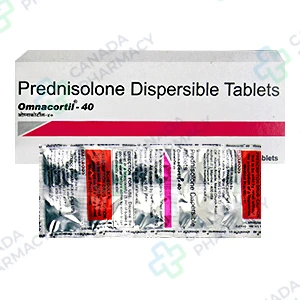
Omnacortil
Price range: $ 51,00 through $ 210,00
Active substance: prednisolone
More Details
This product has multiple variants. The options may be chosen on the product page
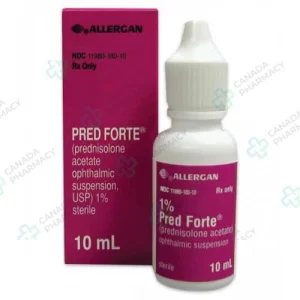
Pred Forte
Price range: $ 42,00 through $ 72,00
Active substance: prednisolone
More Details
This product has multiple variants. The options may be chosen on the product page