

-23%
Keppra
Price range: $ 71,00 through $ 486,00
Ketoconazole Cream
Price range: $ 25,00 through $ 66,00
Ketasma
Price range: $ 10,00 through $ 23,00
Ketasma is a specialized medication primarily used for the long-term prevention of bronchial asthma and various allergic conditions. The active ingredient, Ketotifen, acts as a mast cell stabilizer and antihistamine to significantly reduce the body’s sensitivity to common allergens. This treatment is highly effective in managing symptoms related to allergic rhinitis, skin rashes, and chronic hives. By providing continuous protection, it helps decrease the frequency and intensity of asthma attacks over time. This medication is an ideal choice for maintenance therapy, supporting overall respiratory health and systemic relief from allergic reactions.
Active substance: Ketotifen Fumarate
Delivery: 5–21 days (depending on the shipping method)
Extra 10% discount with coupon: IT4K6SVM
Each dosage option has its own packaging choices.
Description
Ketasma belongs to a group of medicines known as non-bronchodilator antiasthmatics, combining mast cell stabilizing properties with selective histamine H1-receptor antagonism. It is primarily utilized for the long-term prophylactic management of allergic conditions, including bronchial asthma and allergic rhinitis.
Within the United States healthcare framework, products containing ketotifen are dispensed in accordance with applicable federal and state regulations. This reference document provides factual clinical information regarding the pharmacology, administration parameters, safety profile, and drug interactions of Ketasma.
| Property | Details |
|---|---|
| Drug name | Ketasma |
| Active ingredient | Ketotifen (as ketotifen fumarate) |
| Therapeutic class | Antihistamine / Mast cell stabilizer |
| Dosage form | Oral tablet |
| Route of administration | Oral |
| Prescription status | Dispensed in accordance with applicable federal and state regulations |
Pharmacological Characteristics and Clinical Use
How the drug works
Ketotifen fumarate, the active ingredient in Ketasma, inhibits mast cell degranulation, blocking the release of inflammatory chemical mediators such as histamine, leukotrienes, and slow-reacting substance of anaphylaxis. Additionally, it exerts a selective blockade on peripheral histamine H1 receptors and inhibits platelet-activating factor-induced airway hyperreactivity. By suppressing these underlying inflammatory cascades, Ketasma reduces bronchial sensitivity and decreases the frequency of asthma exacerbations over prolonged administration. It possesses no direct bronchodilatory activity and therefore cannot terminate active acute bronchospasms.
What happens in the body
Following oral administration, ketotifen is rapidly absorbed from the gastrointestinal tract, reaching peak plasma concentrations within 2 to 4 hours. The systemic bioavailability of the drug is approximately 50% due to a substantial hepatic first-pass metabolism. Ketotifen is bound to plasma proteins at approximately 75%. Metabolism occurs primarily in the liver, yielding the principal inactive metabolite ketotifen-N-glucuronide. The drug exhibits a biphasic elimination profile: the initial distribution half-life ranges from 3 to 5 hours, while the terminal elimination half-life is approximately 21 hours. Excretion occurs predominantly via the renal system, with around 60% of metabolites excreted in urine within 48 hours.
Main uses
Ketasma is indicated for the long-term prevention of bronchial asthma, helping to decrease the frequency, duration, and severity of asthmatic episodes in patients requiring maintenance therapy. It is also indicated for the management of systemic allergic disorders, including seasonal and perennial allergic rhinitis, allergic conjunctivitis, and allergic dermatoses such as chronic urticaria and atopic dermatitis. It is important to emphasize that Ketasma is a prophylactic agent; it does not provide immediate relief during acute asthmatic attacks or severe acute bronchospasms. Any off-label application must be specifically evaluated and supervised by a qualified healthcare provider.
Dosing schedule
Administration of Ketasma must follow individualized clinical guidance. The standard adult dosage is typically 1 mg taken orally twice daily, once with the morning meal and once with the evening meal. For individuals susceptible to sedation, clinicians may recommend starting with a lower dose of 0.5 mg to 1 mg at bedtime during the first week of treatment before titrating up to the standard twice-daily dose. Consistent daily intake is required, as the full therapeutic benefit of Ketasma may take between 2 to 4 weeks of continuous treatment to fully manifest. Dosage adjustments may be required for specific patient demographics based on clinical judgment.
Safety Profile, Interactions, and FAQ
Adverse reactions
Clinical evaluations indicate that sedation and drowsiness are the most frequently observed adverse reactions associated with Ketasma, particularly during the initial days of therapy. Patients may also experience central nervous system symptoms such as dizziness or fatigue. Gastrointestinal adverse effects include dry mouth, mild nausea, and increased appetite, which can lead to gradual weight gain during extended treatment regimens. Less common adverse reactions involve central nervous system stimulation, such as excitation, irritability, nervousness, or sleep disturbances, which are observed more frequently in pediatric populations. Rare instances of severe skin reactions or hepatic enzyme elevations require immediate medical evaluation.
Compatibility with other medicines
Ketasma may interact with concurrently administered pharmacologic agents. Co-administration with central nervous system depressants–including sedatives, hypnotics, tranquilizers, opioid analgesics, and first-generation antihistamines–can produce additive sedative effects and marked psychomotor impairment. A notable drug interaction occurs with concurrent oral antidiabetic agents (such as sulfonylureas), which has been associated with reversible thrombocytopenia in rare clinical reports; routine platelet monitoring is advised if these medications are combined. Concomitant use with anticholinergic medications may exacerbate anticholinergic side effects such as dry mouth and urinary retention.
Important precautions
Ketasma should never be used as a standalone treatment for the acute management of an asthma attack. When initiating Ketasma therapy in patients already receiving long-term antiasthmatic treatment (such as systemic or inhaled corticosteroids), existing anti-asthma drugs must not be abruptly discontinued; step-down titration under medical supervision is mandatory to prevent adrenal insufficiency or exacerbation of asthma. Caution is advised when operating machinery or driving due to potential drowsiness. In pregnant or breastfeeding individuals, Ketasma should only be prescribed if the anticipated clinical benefit outweighs potential risks to the fetus or infant.
What to avoid while taking it
Patients taking Ketasma should strictly avoid consuming alcoholic beverages, as alcohol significantly potentiates the sedative effects and central nervous system depression induced by ketotifen. Additionally, taking Ketasma with meals is recommended to enhance gastrointestinal tolerance and maintain consistent plasma concentration curves over time.
If you skip a dose
If a scheduled dose of Ketasma is missed, it should be taken as soon as remembered. However, if it is almost time for the next scheduled administration, the missed dose should be skipped entirely, and the normal dosing schedule resumed. Patients must not double the dose to make up for a missed tablet, as this increases the risk of excessive drowsiness and systemic adverse effects.
Storage and expiration
Ketasma tablets should be stored at controlled room temperature, ideally between 15°C and 25°C (59°F to 77°F), away from excessive heat, direct light, and moisture. Store the medication in its original packaging until administration. Keep out of reach of children and pets. Properly discard any expired or unused medication according to local pharmacy disposal guidelines.
Common questions
How long does it take for Ketasma to demonstrate therapeutic efficacy in asthma prevention?
Therapeutic effect is not immediate. While antihistaminic effects occur relatively quickly, the full mast-cell stabilizing and preventative effect on asthma exacerbations typically requires 2 to 4 weeks of continuous daily administration. Patients should maintain regular daily dosing as directed by their provider.
Can Ketasma be used as a rescue inhaler alternative during an acute asthma attack?
No, Ketasma is not a bronchodilator and cannot reverse acute airway constriction. Patients experiencing acute asthma symptoms must use their prescribed short-acting fast-relief bronchodilator (such as albuterol) and seek immediate medical attention if symptoms fail to resolve.
Does the drowsiness caused by Ketasma subside over time?
Sedation and drowsiness are most prominent during the first few days to weeks of treatment. For many patients, these central nervous system effects diminish as tolerance develops over time. Starting with a lower nighttime dose can help mitigate daytime somnolence.
What precaution should diabetic patients take when starting Ketasma?
Diabetic patients taking oral antidiabetic medications (specifically sulfonylureas) should consult their physician before starting Ketasma, as concurrent use has been rarely linked to a temporary drop in blood platelet count (thrombocytopenia). Periodic blood count monitoring may be recommended.
Is Ketasma suitable for immediate relief of allergic skin reactions?
While Ketasma possesses H1-antihistaminic properties that help control allergic skin symptoms like hives and itching, its primary clinical design is oriented toward continuous preventative treatment. Acute, severe allergic reactions require rapid-acting emergency medical care.
In accordance with FDA requirements.
This text is for informational purposes only and does not constitute individual medical advice.
Additional information
| Dosage |
1 mg |
|---|---|
| Package |
30 tabs ,60 tabs ,90 tabs |
| Ενεργός Ουσία |
Related products
Alavert
Price range: $ 47,00 through $ 118,00
Active substance: Loratadine
More Details
This product has multiple variants. The options may be chosen on the product page
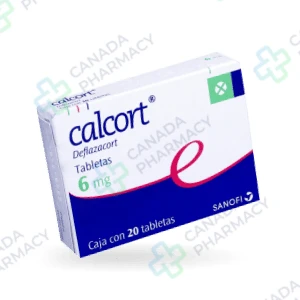
Calcort
Price range: $ 54,00 through $ 430,00
Active substance: Deflazacort
More Details
This product has multiple variants. The options may be chosen on the product page
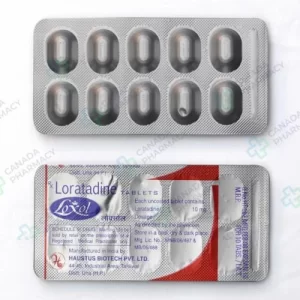
Claritin
Price range: $ 43,00 through $ 143,00
Active substance: Loratadine
More Details
This product has multiple variants. The options may be chosen on the product page
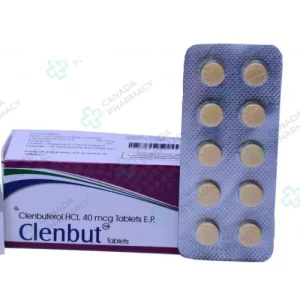
Clenbuterol
Price range: $ 40,00 through $ 450,00
Active substance: Clenbuterol
More Details
This product has multiple variants. The options may be chosen on the product page
Doxylamine
Price range: $ 10,00 through $ 33,00
Active substance: Doxylamine succinate
More Details
This product has multiple variants. The options may be chosen on the product page
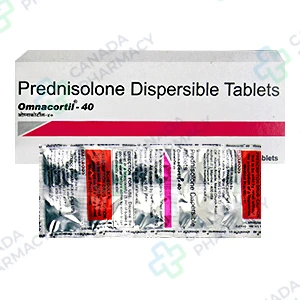
Omnacortil
Price range: $ 51,00 through $ 210,00
Active substance: prednisolone
More Details
This product has multiple variants. The options may be chosen on the product page
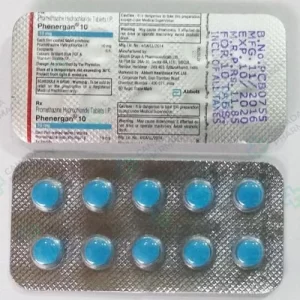
Phenergan
Price range: $ 42,00 through $ 136,00
Active substance: Promethazine
More Details
This product has multiple variants. The options may be chosen on the product page
Promethazine
Price range: $ 43,00 through $ 228,00
Active substance: Promethazine
More Details
This product has multiple variants. The options may be chosen on the product page