

-39%
Kemadrin
Price range: $ 41,00 through $ 281,00

Ketasma
Price range: $ 10,00 through $ 23,00
Keppra
Price range: $ 71,00 through $ 486,00
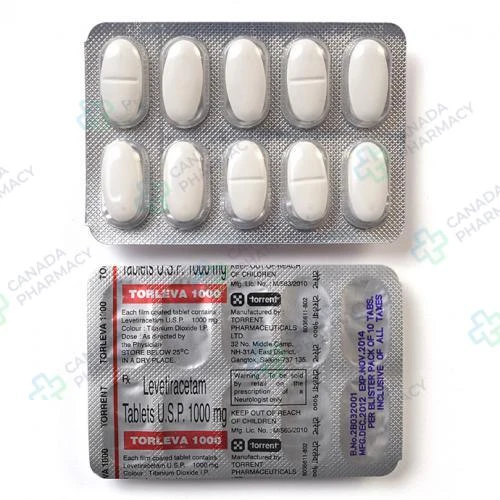
Keppra is a widely used antiepileptic medication designed to help manage and control various types of seizures in patients with epilepsy. This medication is specifically indicated for the treatment of partial-onset seizures, myoclonic seizures, and primary generalized tonic-clonic seizures. By targeting specific proteins in the brain, Keppra works to stabilize electrical activity and reduce the frequency of sudden seizure episodes. It serves as an effective long-term management solution suitable for both adults and pediatric patients as specified by approved clinical guidelines. Available in multiple strengths, this treatment provides a reliable option for improving the daily quality of life for those living with seizure disorders.
Active substance: Levetiracetam
Delivery: 5–21 days (depending on the shipping method)
Extra 10% discount with coupon: IT4K6SVM
Each dosage option has its own packaging choices.
Description
Keppra belongs to a class of medications known as antiepileptic drugs (anticonvulsants). It is prescribed by healthcare providers to help manage and prevent specific types of seizures in adults and pediatric patients.
The primary active ingredient in Keppra is levetiracetam, which is available in immediate-release tablets, oral solution, and intravenous formulations for prescription use in the United States.
| Property | Details |
|---|---|
| Active ingredient (INN) | Levetiracetam |
| Therapeutic class | Anticonvulsants / Antiepileptic drugs |
| Dosage form | Oral tablet, oral solution, intravenous injection |
| Route of administration | Oral, Intravenous |
| Primary purpose | Seizure management and control |
| Prescription status | Prescription (Rx) only |
Clinical Profile and Administration
Main uses
The drug contains levetiracetam and is indicated as adjunctive therapy in the treatment of partial-onset seizures in patients 1 month of age and older with epilepsy. Additionally, it is indicated for the treatment of myoclonic seizures in adults and adolescents 12 years of age and older with juvenile myoclonic epilepsy. The medication is also approved as adjunctive therapy for primary generalized tonic-clonic seizures in adults and pediatric patients 6 years of age and older with idiopathic generalized epilepsy. Prescribing physicians determine appropriate use based on seizure classification and individual patient diagnostic evaluations.
How the drug works
The mechanism of action of levetiracetam differs from conventional antiepileptic medications. The drug binds selectively to the synaptic vesicle protein 2A (SV2A) located in the brain, which is believed to inhibit presynaptic neurotransmitter exocytosis and reduce neuronal hypersynchrony. Levetiracetam does not directly affect classical GABAergic or glutamatergic neurotransmission, nor does it alter voltage-gated sodium channels in the manner of traditional sodium channel blockers. This distinct pharmacologic target contributes to its efficacy in controlling epileptic activity.
What happens in the body
The pharmacokinetics of levetiracetam are linear and predictable across recommended dosage ranges. Following oral administration, the drug is rapidly and almost completely absorbed, reaching peak plasma concentration within approximately 1 hour in fasting conditions. Absolute oral bioavailability approaches 100%, and food slows the rate of absorption without decreasing the extent of absorption. Plasma protein binding is minimal, remaining under 10%. The major metabolic pathway is non-enzymatic hydrolysis of the acetamide group, which does not depend on hepatic cytochrome P450 enzymes. The plasma elimination half-life in healthy adults is approximately 7 hours (plus or minus 1 hour) and is extended in elderly individuals and patients with renal impairment. Primary clearance occurs through renal excretion, with approximately 66% of the dose excreted unchanged in urine.
Dosing schedule
The dosing schedule is established by the prescribing healthcare provider and must be individualized based on clinical indication, patient weight, and renal clearance capabilities. Treatment typically begins with a low daily dosage administered in two equally divided doses, followed by gradual titration at biweekly intervals to achieve therapeutic efficacy while minimizing adverse effects. For adult patients with normal renal function, standard dosing titration increases by increments until the targeted therapeutic range is attained. In pediatric populations, dosage is calculated strictly on a milligram-per-kilogram body weight basis. Patients with reduced glomerular filtration rates require explicit dosage reductions tailored to creatinine clearance parameters.
Safety Profile, Precautions, and Common Questions
Adverse reactions
Clinical trials and post-marketing surveillance indicate that common adverse reactions associated with levetiracetam include somnolence, asthenia, dizziness, infection, and nasopharyngitis. Psychiatric and behavioral adverse events may also occur, including irritability, aggression, agitation, anxiety, depression, and mood instability. Central nervous system depression may impair physical or mental capabilities required for performing hazardous tasks such as operating machinery or driving motor vehicles. Rare but severe hypersensitivity reactions, including Stevens-Johnson syndrome (SJS) and toxic epidermal necrolysis (TEN), have been reported. Development of an unexplained rash or severe cutaneous reaction warrants immediate clinical evaluation.
Compatibility with other medicines
In vitro and in vivo interaction studies demonstrate that levetiracetam does not significantly inhibit or induce major liver cytochrome P450 isoenzymes, glucuronidyl transferases, or epoxide hydroxylase. Consequently, the drug exhibits low potential for pharmacokinetic interactions with other antiepileptic drugs such as carbamazepine, valproate, phenobarbital, and phenytoin, or with oral contraceptives, digoxin, and warfarin. Co-administration with methotrexate has been reported in literature to increase methotrexate levels in some cases, requiring monitoring. Concomitant administration with central nervous system depressants or alcohol may compound sedative and somnolent effects.
Important precautions
Antiepileptic drugs, including levetiracetam, increase the risk of suicidal thoughts or behavior in patients taking these drugs for any indication. Healthcare professionals and caregivers must monitor patients for the emergence or worsening of depression, unusual changes in mood or behavior, or suicidal thoughts. Abrupt withdrawal of antiepileptic medications must be avoided, as sudden discontinuation increases the risk of increased seizure frequency and status epilepticus. When discontinuing treatment, dosage should be tapered gradually under direct medical supervision.
Special populations
In pregnant women, the drug should be used only if the potential benefit justifies the potential risk to the fetus. Levetiracetam passes into human breast milk, necessitating careful evaluation of infant exposure risks against maternal therapeutic benefits. Patients residing in areas such as New York or California who become pregnant while on therapy are encouraged to register with national antiepileptic drug pregnancy registries. Pediatric patients require precise weight-based dosing formulations, such as oral solution. Elderly patients with age-related decline in renal function require dosage adjustments based on assessed renal function metrics.
Food and alcohol interactions
Levetiracetam may be ingested with or without food. While the presence of food delays the peak plasma concentration slightly, overall bioavailability remains unaffected. Alcohol consumption is strongly discouraged during therapy due to additive central nervous system depression, which can exaggerate drowsiness, dizziness, and motor impairment.
If you skip a dose
If a scheduled dose is missed, it should be taken as soon as remembered. However, if it is nearly time for the next scheduled dose, the missed dose should be skipped and the regular dosing schedule resumed. Patients must not double the dose to compensate for a missed administration. Persistent missing of doses should be reported to the prescribing clinician.
Storage and expiration
Oral tablets and oral solution should be stored at controlled room temperature between 20°C and 25°C (68°F to 77°F), with permitted excursions between 15°C and 30°C (59°F to 86°F). Protect the liquid and solid formulations from light and high ambient humidity. Keep all preparations in tightly closed containers out of reach of children. Discard unused or expired medication according to local pharmacy disposal guidelines.
Common questions
How long does it take for levetiracetam to reach steady state in the body?
Levetiracetam reaches steady-state plasma concentrations within approximately 2 days of regular twice-daily oral administration, given its elimination half-life of roughly 7 hours in individuals with normal renal function.
Does Keppra cause behavioral changes or mood fluctuations?
Yes, behavioral and psychiatric adverse effects, including hostility, nervousness, anxiety, and depression, are recognized reactions to levetiracetam therapy and require clinical monitoring by the treating physician.
Can Keppra be stopped suddenly if seizures stop?
No, antiepileptic therapy must not be discontinued abruptly. Rapid withdrawal may precipitate rebound seizure activity or status epilepticus; any dose reduction must follow a controlled medical tapering schedule.
Does food affect how levetiracetam is absorbed?
Food slightly delays the time to reach peak concentration in the bloodstream but does not alter the total amount of drug absorbed. Therefore, the medication can be taken with or without meals.
Is therapeutic drug level monitoring required during Keppra treatment?
Routine monitoring of serum levetiracetam levels is generally not required due to its predictable pharmacokinetics, although plasma concentration monitoring may be useful during pregnancy or in patients with severe renal impairment.
In accordance with FDA requirements.
Information on this page is for reference and does not replace an assessment by a licensed healthcare professional.
Additional information
| Dosage |
250mg ,500mg |
|---|---|
| Package |
30 pills ,60 pills ,90 pills ,120 pills ,180 pills ,270 pills |
| Ενεργός Ουσία |
Related products

Cerecetam
Price range: $ 58,00 through $ 255,00
Active substance: Piracetam
More Details
This product has multiple variants. The options may be chosen on the product page

Depakote
Price range: $ 32,00 through $ 267,00
Active substance: Divalproex
More Details
This product has multiple variants. The options may be chosen on the product page
Dilantin
Price range: $ 43,00 through $ 171,00
Active substance: Phenytoin
More Details
This product has multiple variants. The options may be chosen on the product page
Lamictal Dispersible
Price range: $ 14,00 through $ 61,00
Active substance: Lamotrigine
More Details
This product has multiple variants. The options may be chosen on the product page
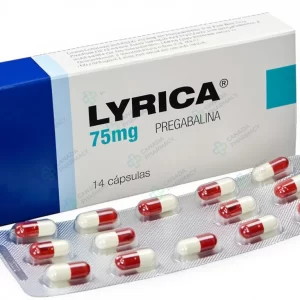
Lyrica
Price range: $ 50,00 through $ 540,00
Active substance: Pregabalin
More Details
This product has multiple variants. The options may be chosen on the product page
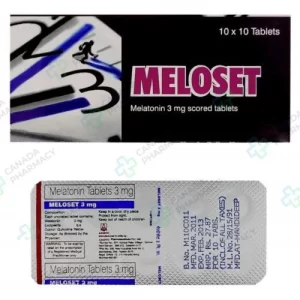
Melatonin
Anti-Inflammatories, AntiConvulsants, AntiParasitics, Cancer, Dementias, HIV, Migraine, Osteoporosis, Respiratory Tract
Price range: $ 46,00 through $ 201,00
Active substance: Melatonin
More Details
This product has multiple variants. The options may be chosen on the product page
Mysoline
Price range: $ 41,00 through $ 275,00
Active substance: Primidone
More Details
This product has multiple variants. The options may be chosen on the product page
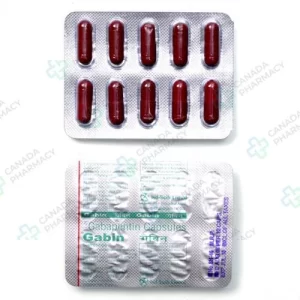
Neurontin
Price range: $ 40,00 through $ 650,00
Active substance: gabapentin
More Details
This product has multiple variants. The options may be chosen on the product page