

-18%
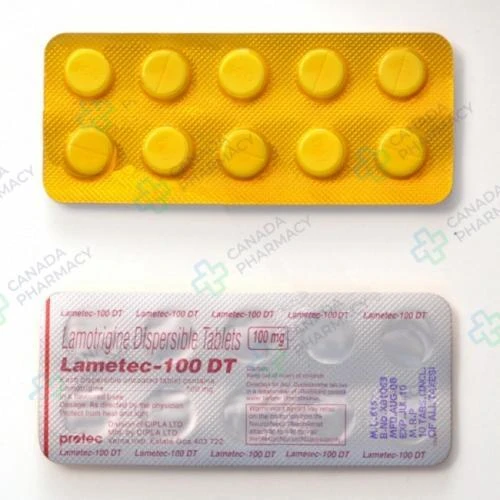
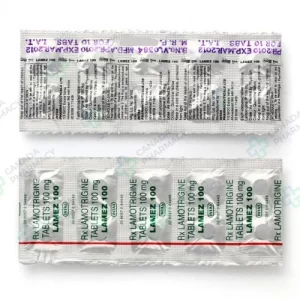
Lamictal
Price range: $ 47,00 through $ 491,00

Lamisil Cream
Price range: $ 11,00 through $ 36,00
Lamictal Dispersible
Price range: $ 14,00 through $ 61,00
Lamictal Dispersible is a versatile medication primarily indicated for the management of epilepsy and the maintenance treatment of Bipolar I disorder. It is highly effective in controlling partial-onset seizures, primary generalized tonic-clonic seizures, and those associated with Lennox-Gastaut syndrome. For individuals with bipolar disorder, this medication helps delay the frequency and severity of mood episodes like depression or mania. The dispersible tablet form provides flexible dosing options, allowing the medication to be chewed, swallowed whole, or dissolved in water. By stabilizing electrical activity in the nervous system, Lamictal Dispersible supports long-term symptom management and improved daily functioning.
Active substance: Lamotrigine
Delivery: 5–21 days (depending on the shipping method)
Extra 10% discount with coupon: IT4K6SVM
Each dosage option has its own packaging choices.
Description
Lamictal Dispersible belongs to a class of medications known as antiepileptic drugs (AEDs) or anticonvulsants, which also function clinically as mood-stabilizing agents. It is an FDA-approved prescription medication indicated for the treatment of specific seizure types associated with epilepsy and for the maintenance treatment of Bipolar I Disorder in adult patients.
The active pharmaceutical ingredient in Lamictal Dispersible is lamotrigine, formulated in chewable dispersible tablets intended for oral administration. As a prescription-only drug in the United States, its administration and dosage escalation schedules require strict medical supervision to minimize the risk of adverse physiological responses.
Key Information Summary
| Parameter | Clinical Specification |
|---|---|
| Active Ingredient | Lamotrigine |
| Therapeutic Class | Anticonvulsant / Mood Stabilizer |
| Dosage Form | Chewable Dispersible Tablets |
| Route of Administration | Oral |
| Prescription Status | Prescription (Rx) only |
| Primary Purpose | Epilepsy management and Bipolar I Disorder maintenance |
Overview and Pharmacological Profile
How the drug works
The precise mechanism by which lamotrigine exerts its therapeutic action has not been fully elucidated, but research demonstrates that it voltage-dependently blocks voltage-gated sodium channels. This membrane-stabilizing action inhibits the sustained rapid firing of neurons and reduces the presynaptic release of glutamate, an excitatory amino acid neurotransmitter implicated in the generation and spread of epileptic seizures. Lamotrigine shows no significant binding affinity for conventional gamma-aminobutyric acid (GABA), dopamine, or adrenergic receptors in standard pharmacological screening assays.
Main uses
Lamictal Dispersible is indicated as adjunctive therapy or monotherapy for partial-onset seizures, primary generalized tonic-clonic seizures, and seizures associated with Lennox-Gastaut syndrome in pediatric and adult patients. Additionally, it is indicated for the maintenance treatment of Bipolar I Disorder to delay the occurrence of mood episodes, including depression, mania, hypomania, or mixed episodes in adults. Any clinical application outside of these FDA-approved indications–such as off-label usage for neuropathic pain syndromes or trigeminal neuralgia–represents an unlabelled use that must be evaluated individually by a qualified physician.
Dosing schedule
Dosing schedules for Lamictal Dispersible are individualized based on patient age, concomitant therapy, and therapeutic objective. A mandatory slow titration protocol must be followed during initial administration to lower the incidence of severe cutaneous reactions. The chewable dispersible tablets may be swallowed whole, chewed with a small amount of liquid, or dispersed in approximately one teaspoonful of water or diluted fruit juice. If dispersed, the tablet should be added to liquid, allowed to dissolve completely for about one minute, stirred gently, and consumed immediately in its entirety.
What happens in the body
Following oral administration, lamotrigine is rapidly and completely absorbed from the gastrointestinal tract, achieving an absolute bioavailability of approximately 98%. Peak plasma concentrations typically occur between 1.5 and 4.8 hours post-dose. Lamotrigine is extensively metabolized in the liver, primarily via glucuronide conjugation mediated by the UGT1A4 enzyme system. The mean elimination half-life in healthy adult subjects receiving monotherapy is approximately 25 to 33 hours. However, clearance rates vary substantially when co-administered with glucuronidation-inducing agents (reducing half-life to approximately 14 hours) or valproic acid (extending half-life to 60–70 hours). Metabolites are predominantly excreted through the kidneys.
What to avoid while taking it
Food intake does not significantly affect the rate or extent of lamotrigine absorption, allowing administration with or without food. Concurrent consumption of alcohol should be approached with extreme caution, as alcohol may potentiate central nervous system depression symptoms such as sedation, dizziness, severe somnolence, and impaired motor coordination.
Safety Information and Clinical Considerations
Compatibility with other medicines
Lamotrigine metabolism is sensitive to drug interactions. Co-administration with valproate (valproic acid or divalproex sodium) inhibits lamotrigine clearance by more than two-fold, necessitating a reduced starting dose and slower titration schedule. Conversely, hepatic enzyme-inducing antiepileptic medications–including carbamazepine, phenytoin, phenobarbital, and primidone–as well as rifampin, double lamotrigine clearance and require higher maintenance dosages. Estrogen-containing oral contraceptives significantly decrease serum lamotrigine concentrations through glucuronidation induction; dose adjustments may be required when starting or stopping hormonal contraceptives.
Adverse reactions
The most frequently observed adverse reactions associated with lamotrigine monotherapy and adjunctive clinical trials include dizziness, headache, diplopia (double vision), ataxia, nausea, blurred vision, somnolence, rhinitis, and rash. Mild cutaneous eruptions may occur during early titration phases, but any unexpected dermatological change requires immediate clinical evaluation.
Important precautions
Lamictal Dispersible carries serious warnings regarding life-threatening cutaneous adverse reactions, including Stevens-Johnson syndrome (SJS) and Toxic Epidermal Necrolysis (TEN). The risk of severe rash is elevated in pediatric patients, patients co-administered valproate, or those who exceed the recommended initial dosage or titration speed. Other warnings include Drug Reaction with Eosinophilia and Systemic Symptoms (DRESS), hemophagocytic lymphohistiocytosis (HLH), aseptic meningitis, and an increased risk of suicidal thoughts or behaviors characteristic of antiepileptic therapy. Patients with underlying structural heart disease or cardiac conduction abnormalities should be monitored due to potential sodium-channel blocking effects on cardiac conduction.
Red flags
Certain severe symptoms necessitate immediate emergency medical intervention to prevent critical complications.
| Emergency Symptom | Clinical Significance |
|---|---|
| Severe cutaneous rash, skin peeling, or mucosal blisters | Potential manifestation of Stevens-Johnson syndrome or Toxic Epidermal Necrolysis |
| Swelling of the face, lips, tongue, or throat with dyspnea | Signs of severe hypersensitivity or anaphylactic response |
| Fever, lymphadenopathy, and rash with organ dysfunction | Indication of systemic DRESS syndrome or HLH reaction |
| Stiff neck, severe headache, photophobia, and high fever | Key clinical indicators of drug-induced aseptic meningitis |
| Acute emergence of suicidal thoughts, self-harm impulses, or severe mood changes | Central nervous system adverse event requiring emergency psychiatric intervention |
If you skip a dose
If a scheduled dose is missed, it should be taken as soon as remembered unless it is nearly time for the next scheduled dose. Patients should never double the dose to compensate for a missed administration. If treatment is interrupted for more than several days, the patient must contact their healthcare provider prior to resuming therapy, as a formal re-titration protocol may be required to diminish the risk of severe dermatological reactions.
Pregnancy, breastfeeding, and other groups
Lamotrigine crosses the human placenta. Clinical registries track exposure during pregnancy due to potential risks of oral cleft malformations and physiological reductions in maternal serum lamotrigine levels during gestation. Lamotrigine passes into human breast milk, requiring close monitoring of nursing infants for signs of sedation, rash, or inadequate weight gain. In patients with moderate to severe renal or hepatic impairment, initial and maintenance dosages generally must be reduced to account for decreased clearance capacity.
Frequently Asked Questions
How should Lamictal Dispersible tablets be prepared for liquid administration?
The tablet may be added to approximately one teaspoonful (5 mL) of purified water or diluted fruit juice in a small container. Allow the tablet to completely disintegrate for roughly 60 seconds, stir the mixture gently, and consume the entire volume immediately. Do not attempt to administer partial quantities of a dissolved tablet unless explicitly instructed by a prescribing physician.
Can Lamictal Dispersible be abruptly discontinued?
Abrupt withdrawal of antiepileptic medications is not recommended due to the potential for rebound seizures or increased seizure frequency. If discontinuation is necessary, the medication is typically tapered gradually over a period of at least two weeks under medical guidance, unless a life-threatening adverse event, such as a severe rash, necessitates immediate cessation.
How do estrogen-containing birth control pills affect Lamictal Dispersible?
Estrogen-containing oral contraceptives accelerate the metabolism and elimination of lamotrigine, which can reduce circulating drug levels by up to 50 percent and decrease therapeutic efficacy. During the pill-free week of oral contraceptive regimens, lamotrigine levels may rise, potentially increasing the frequency of side effects. Dosage adjustments are often required when initiating or stopping estrogen therapy.
What should be done if a skin rash appears during treatment?
Any new or unexplained rash that develops while taking Lamictal Dispersible should be reported to a physician immediately. Because it is impossible to reliably predict whether a mild rash will progress to a life-threatening cutaneous reaction, treatment is commonly discontinued at the first sign of a rash unless the rash is clearly not drug-related.
Does Lamictal Dispersible cause somnolence or affect the ability to drive?
Central nervous system side effects such as drowsiness, dizziness, ataxia, and vision disturbance can occur during lamotrigine therapy. Patients should refrain from driving, operating heavy machinery, or performing dangerous tasks until they have determined how the drug affects their alertness and cognitive capacity.
In accordance with FDA requirements.
The information presented here is not a substitute for professional medical advice.
Additional information
| Dosage |
50 mg ,100 mg |
|---|---|
| Package |
30 tabs ,60 tabs ,100 tabs |
| Ενεργός Ουσία |
Related products

Lyrica
Price range: $ 50,00 through $ 540,00
Active substance: Pregabalin
More Details
This product has multiple variants. The options may be chosen on the product page

Mellaril
Price range: $ 40,00 through $ 427,00
Active substance: Thioridazine
More Details
This product has multiple variants. The options may be chosen on the product page
Mysoline
Price range: $ 41,00 through $ 275,00
Active substance: Primidone
More Details
This product has multiple variants. The options may be chosen on the product page

Neurontin
Price range: $ 40,00 through $ 650,00
Active substance: gabapentin
More Details
This product has multiple variants. The options may be chosen on the product page

Nootropil
Price range: $ 30,00 through $ 363,00
Active substance: Piracetam
More Details
This product has multiple variants. The options may be chosen on the product page

Olanzapine
Price range: $ 43,00 through $ 447,00
Active substance: Olanzapine
More Details
This product has multiple variants. The options may be chosen on the product page

Topamax
Price range: $ 39,00 through $ 584,00
Active substance: Topiramate
More Details
This product has multiple variants. The options may be chosen on the product page

Zyprexa
Price range: $ 41,00 through $ 358,00
Active substance: Olanzapine
More Details
This product has multiple variants. The options may be chosen on the product page