

-44%
Mysimba
Price range: $ 70,00 through $ 688,00

Naltrexone
Price range: $ 214,00 through $ 595,00
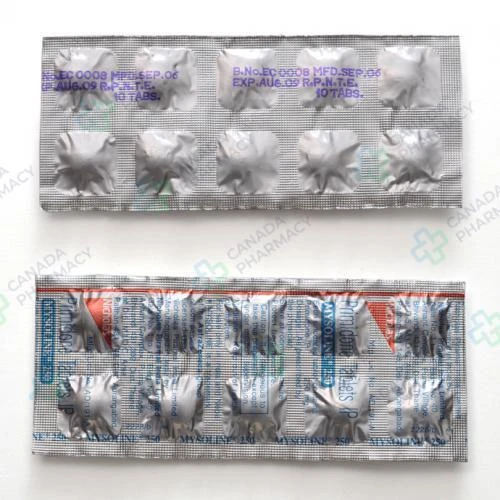
Mysoline
Price range: $ 41,00 through $ 275,00
Mysoline is a highly effective anticonvulsant medication primarily utilized to manage various types of seizure disorders. It is specifically indicated for the control of grand mal, psychomotor, and focal epileptic seizures in both adults and children. The active ingredient works by stabilizing overactive electrical signals in the brain to reduce the frequency and severity of convulsive episodes. This medication can be used as a standalone treatment or in combination with other anti-seizure agents to achieve optimal results. By effectively managing neurological symptoms, Mysoline helps individuals maintain a more stable and predictable daily routine.
Active substance: Primidone
Delivery: 5–21 days (depending on the shipping method)
Extra 10% discount with coupon: IT4K6SVM
Each dosage option has its own packaging choices.
Description
Mysoline belongs to a class of anticonvulsant medications commonly referred to as barbiturate derivatives. It is a prescription-only drug regulated by the U.S. Food and Drug Administration (FDA) for the management of specific seizure disorders under the supervision of a licensed healthcare provider.
The active pharmaceutical ingredient in Mysoline is primidone, which requires careful dosage titration and therapeutic monitoring to achieve optimal clinical outcomes. Proper administration of this medication depends on strict adherence to individual prescribing instructions.
Basic Information Overview
| Drug Name | Mysoline |
| Active Ingredient | Primidone |
| Therapeutic Class | Anticonvulsant / Barbiturate Derivative |
| Prescription Status | Prescription only (Rx) |
| Dosage Form | Oral tablet |
| Route of Administration | Oral |
| Primary Purpose | Control of specific seizure types |
| Storage | Controlled room temperature (68°F to 77°F) |
Main uses
Mysoline is FDA-approved for the control of grand mal (generalized tonic-clonic), psychomotor (complex partial), and focal epileptic seizures. It may be prescribed as monotherapy or as part of a combination regimen with other antiepileptic agents depending on the patient’s neurological profile. In clinical practice, healthcare providers may also prescribe primidone off-label for the management of essential tremor; however, this specific application is classified as an off-label use and requires clinical evaluation by a qualified prescriber. Treatment regimens must be tailored to the individual’s seizure frequency and therapeutic tolerance.
How the drug works
The exact mechanism of action of Mysoline is complex, as therapeutic activity is derived both from the parent compound, primidone, and its major active metabolites, phenobarbital and phenylethylmalonamide (PEMA). Primidone alters ionic fluxes across nerve cell membranes, raising the seizure threshold and suppressing the spread of electrical discharge from epileptic foci in the central nervous system. Phenobarbital further enhances gamma-aminobutyric acid (GABA)-mediated inhibitory neurotransmission. By stabilizing neuronal membranes and reducing hyperexcitability, Mysoline helps control involuntary electrical surges associated with seizure activity.
What happens in the body
Following oral administration, Mysoline is readily absorbed from the gastrointestinal tract. The parent drug is extensively metabolized in the liver, primarily via oxidation, into two pharmacologically active metabolites: phenobarbital and phenylethylmalonamide (PEMA). The rate of metabolism can vary significantly among individuals depending on hepatic function and concurrent drug therapy. Primidone and its active metabolites are ultimately eliminated from the body via renal excretion in the urine. Because phenobarbital accumulates slowly in the systemic circulation due to its extended elimination characteristics, therapeutic blood monitoring may be utilized by prescribers to optimize dosage accuracy.
Dosing schedule
Dosage and administration of Mysoline must be determined by a licensed physician according to the patient’s specific diagnosis, age, and clinical response. Treatment typically begins with a low dose administered at bedtime to minimize initial adverse effects such as sedation or lightheadedness. Prescribers gradually increase the dosage over several days or weeks until optimal seizure control is achieved without excessive toxicity. Mysoline is available in oral tablet forms, which should be taken consistently as directed. Patients must never alter their dosing schedule, skip doses, or discontinue the medication abruptly without medical guidance.
Compatibility with other medicines
Mysoline exhibits significant potential for interactions with other pharmaceutical agents due to its hepatic metabolism and the induction of cytochrome P450 enzymes by its metabolite, phenobarbital. Combining Mysoline with central nervous system (CNS) depressants, such as alcohol, benzodiazepines, or opioids, can markedly increase the risk of severe sedation and respiratory depression. Additionally, Mysoline may reduce the plasma concentrations and clinical efficacy of oral contraceptives, blood thinners such as warfarin, and certain antimicrobial or cardiovascular drugs. Patients must inform their healthcare provider of all prescription medications, over-the-counter products, and dietary supplements currently being taken.
Adverse reactions
The administration of Mysoline may lead to side effects, particularly during the initiation of treatment. Common central nervous system reactions include drowsiness, ataxia (loss of muscle coordination), dizziness, and fatigue. Gastrointestinal symptoms such as nausea, vomiting, headache, and loss of appetite may also occur as the body adjusts to the medication. Less frequently, patients may experience hypersensitivity reactions, such as skin rashes. Prolonged administration has been associated with megaloblastic anemia due to altered folate metabolism. Patients experiencing severe, persistent, or bothersome side effects should contact their healthcare provider promptly.
Safety Guidelines and Precautions
Important precautions
Healthcare providers assess several critical precautions prior to initiating Mysoline therapy. As with all antiepileptic medications, Mysoline carries a general warning regarding an increased risk of suicidal thoughts or behaviors; patients and caregivers should monitor for unexpected changes in mood, behavior, or cognitive status. Abrupt withdrawal of Mysoline must be avoided, as sudden cessation can precipitate status epilepticus or severe rebound seizures. Patients with a history of porphyria, severe respiratory impairment, or hepatic dysfunction require specialized evaluation before receiving this drug. Operating machinery or driving motor vehicles should be avoided until the individual’s response to the drug is established.
What to avoid while taking it
Patients taking Mysoline should avoid consuming alcohol or using non-prescribed sedating substances, as these can compound central nervous system depression and severely impair physical and mental alertness. Caution is required when engaging in activities demand focus, such as operating heavy machinery or navigating traffic in dense areas like Chicago or Houston, until the drug’s sedative effects are fully understood. Patients should also avoid starting new prescription or over-the-counter medications without consulting their pharmacist or prescribing doctor to prevent adverse drug interactions.
If you skip a dose
If a dose of Mysoline is missed, it should be taken as soon as it is remembered. However, if it is almost time for the next scheduled dose, the missed dose should be skipped entirely, and the regular dosing schedule should be resumed. Double doses should never be taken to compensate for a missed tablet. Maintaining consistent blood levels of the medication is crucial for effective seizure management; patients are encouraged to establish a reliable daily routine or use pill organizers to minimize forgotten doses.
Pregnancy, breastfeeding, and other groups
The use of Mysoline during pregnancy involves potential risks to the developing fetus, including congenital malformations and neonatal bleeding tendencies or withdrawal symptoms. Females of childbearing potential should discuss family planning and effective non-hormonal contraception options with their physician, as Mysoline can decrease the efficacy of hormonal birth control. Primidone and phenobarbital pass into breast milk and may cause somnolence or feeding difficulties in nursing infants. Pediatric patients and elderly individuals may exhibit heightened sensitivity to the central nervous system effects of the drug, necessitating careful dose selection and monitoring.
Storage and expiration
Mysoline tablets should be stored at controlled room temperature, typically between 20°C and 25°C (68°F to 77°F), away from excessive heat, light, and moisture. Store the medication in its original, tightly closed container and keep it out of reach of children and pets. Do not store tablets in humid environments such as bathroom cabinets. Unused or expired medication should be disposed of properly according to local waste regulations or community take-back programs, rather than flushed down the toilet or poured into household drains.
Common questions
Can Mysoline cause significant daytime drowsiness?
Yes, somnolence and sedation are known central nervous system side effects of Mysoline, particularly when initiating therapy or increasing the dosage. Prescribers often recommend starting with a night-time dose to minimize daytime impact. If drowsiness persists or interferes with daily function, patients should consult their healthcare provider for evaluation.
Is Mysoline officially approved to treat essential tremor?
Mysoline is FDA-approved primarily for seizure disorders, including grand mal, psychomotor, and focal seizures. While physicians may prescribe it off-label for essential tremor based on clinical evidence, this indication is off-label, and treatment decisions should be thoroughly discussed with a prescribing clinician.
What action is required if a skin rash appears during treatment?
Any unexplained skin rash, severe itching, or mucosal involvement should be reported to a healthcare provider immediately. Rashes can occasionally signal severe dermatological hypersensitivity reactions, requiring prompt clinical assessment and potential discontinuation of the drug.
Does Mysoline alter the effectiveness of hormonal contraceptives?
Yes, Mysoline induces hepatic enzymes that accelerate the metabolism of steroid hormones, which can reduce the systemic levels and effectiveness of oral contraceptive pills, patches, and implants. Patients using hormonal birth control should consult their doctor regarding alternative or barrier methods of contraception.
Why must Mysoline be discontinued gradually rather than stopped suddenly?
Abrupt cessation of any antiepileptic drug, including Mysoline, can lower the seizure threshold and precipitate withdrawal seizures or status epilepticus. A gradual dose reduction under direct medical supervision is necessary to safely taper off the medication.
In accordance with FDA requirements.
This text is for informational purposes only and does not constitute individual medical advice.
Additional information
| Dosage |
250 mg |
|---|---|
| Package |
30 tabs ,60 tabs ,90 tabs ,120 tabs ,180 tabs ,360 tabs |
| Ενεργός Ουσία |
Related products
Depakote
Price range: $ 32,00 through $ 267,00
Active substance: Divalproex
More Details
This product has multiple variants. The options may be chosen on the product page
Dilantin
Price range: $ 43,00 through $ 171,00
Active substance: Phenytoin
More Details
This product has multiple variants. The options may be chosen on the product page
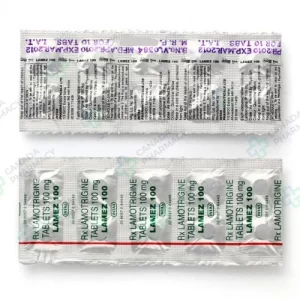
Lamictal
Price range: $ 47,00 through $ 491,00
Active substance: Lamotrigine
More Details
This product has multiple variants. The options may be chosen on the product page
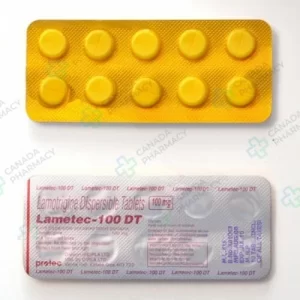
Lamictal Dispersible
Price range: $ 14,00 through $ 61,00
Active substance: Lamotrigine
More Details
This product has multiple variants. The options may be chosen on the product page
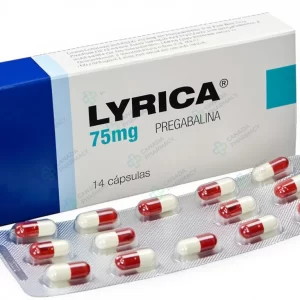
Lyrica
Price range: $ 50,00 through $ 540,00
Active substance: Pregabalin
More Details
This product has multiple variants. The options may be chosen on the product page
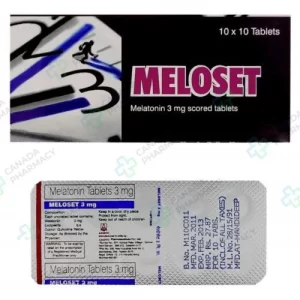
Melatonin
Anti-Inflammatories, AntiConvulsants, AntiParasitics, Cancer, Dementias, HIV, Migraine, Osteoporosis, Respiratory Tract
Price range: $ 46,00 through $ 201,00
Active substance: Melatonin
More Details
This product has multiple variants. The options may be chosen on the product page
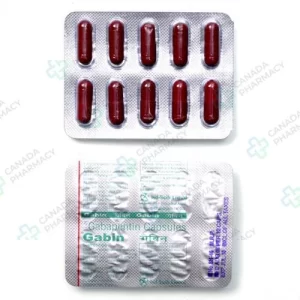
Neurontin
Price range: $ 40,00 through $ 650,00
Active substance: gabapentin
More Details
This product has multiple variants. The options may be chosen on the product page

Valparin
Price range: $ 100,00 through $ 273,00
Active substance: Valproic Acid
More Details
This product has multiple variants. The options may be chosen on the product page