
-7%
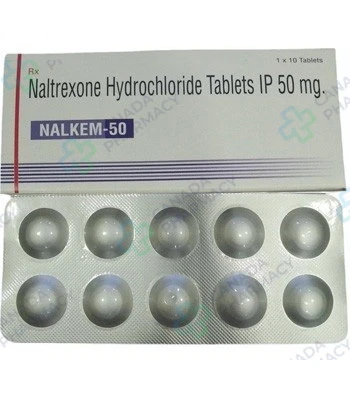
Mysoline
Price range: $ 41,00 through $ 275,00
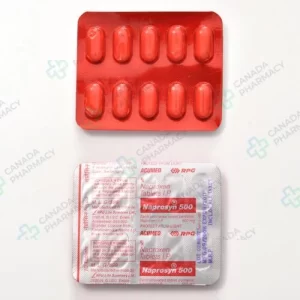
Naprosyn
Price range: $ 56,00 through $ 260,00
Naltrexone
Price range: $ 214,00 through $ 595,00
Naltrexone is a highly effective medication primarily used to manage alcohol dependence and opioid use disorder. It works by blocking the sedative and euphoric effects of opioids, helping to prevent relapse during the recovery process. For individuals struggling with alcohol use, this medication reduces the urge to drink and helps maintain long-term sobriety. As a non-addictive treatment option, it provides a stable foundation for those committed to overcoming substance use challenges. This FDA-approved medication is a vital tool for improving the quality of life and supporting a healthy, drug-free lifestyle.
Active substance: naltrexone hydrochloride
Delivery: 5–21 days (depending on the shipping method)
Extra 10% discount with coupon: IT4K6SVM
Each dosage option has its own packaging choices.
Description
Naltrexone belongs to a class of medications known as opioid antagonists. It is an FDA-approved prescription medication indicated for the management of alcohol dependence and for the prevention of relapse in patients following complete detoxification from opioid dependence.
As a prescription-only therapy, naltrexone acts as part of a comprehensive management program that typically includes psychosocial support, counseling, and behavioral interventions. Proper clinical evaluation and screening are required prior to initiating therapy, particularly regarding recent exposure to exogenous opioid substances.
| Parameter | Details |
|---|---|
| Active Ingredient | Naltrexone hydrochloride |
| Pharmacologic Class | Opioid receptor antagonist |
| Prescription Status | Prescription (Rx) only |
| Administration Route | Oral |
| Primary Clinical Purpose | Alcohol dependence management and opioid relapse prevention |
| Storage Parameters | Controlled room temperature (68°F to 77°F / 20°C to 25°C) |
Clinical Overview and Pharmacologic Profile
Main uses
Naltrexone is approved by the U.S. Food and Drug Administration (FDA) for two primary indications within a comprehensive treatment plan: the treatment of alcohol dependence and the blockade of the effects of exogenously administered opioids in detoxification-cleared patients. In alcohol use disorder, naltrexone helps reduce the urge or craving to drink alcohol and reduces the heavy-drinking rate when consumption occurs. In opioid use disorder, it prevents relapse by blocking the subjective euphoric and analgesic effects of opioids.
Off-Label Use Notice: Clinical literature discusses the use of low-dose naltrexone (LDN) for certain chronic pain conditions or autoimmune disorders. However, low-dose applications constitute an off-label use that has not received formal FDA approval for these specific indications, and standard commercial tablets must be custom-compounded to achieve low dosages.
How the drug works
Naltrexone operates as a competitive, pure antagonist at opioid receptor sites in the central nervous system, exhibiting the highest affinity for mu-opioid receptors, with lesser activity at kappa and delta receptors. By binding to these receptors without activating them, naltrexone blocks endogenous opioids (such as endorphins) and exogenous opioid analgesics from producing receptor-mediated physiological effects.
In the context of alcohol dependence, the exact mechanism is not fully understood, but it is hypothesized that ethanol consumption releases endogenous opioids. By blocking mu-opioid receptors, naltrexone disrupts the alcohol-induced reward pathway mediated by the mesolimbic dopamine system, thereby reducing the reinforcement associated with alcohol intake.
What happens in the body
Following oral administration, naltrexone is rapidly and almost completely absorbed from the gastrointestinal tract, with peak plasma concentrations reached within approximately one hour. The medication undergoes extensive first-pass hepatic metabolism, with approximately 50% to 60% of the dose reaching systemic circulation as active compounds. The major active metabolite is 6-beta-naltrexol, which also possesses opioid antagonist properties.
The elimination half-life of oral naltrexone is approximately 4 hours, whereas the elimination half-life of its primary active metabolite, 6-beta-naltrexol, is approximately 13 hours. Renal excretion is the primary clearance pathway, with renal elimination accounting for the majority of the metabolized drug and unchanged parent compound over a 24-hour period.
Important precautions
A critical clinical precaution involves the risk of precipitated opioid withdrawal. Patients must be fully detoxified and free from all exogenous opioids (including short-acting opioids for 7 to 10 days and long-acting opioids such as methadone or buprenorphine for up to 14 days) before starting naltrexone. Administering naltrexone to an opioid-dependent individual precipitates acute, severe withdrawal symptoms requiring emergency management.
Hepatotoxicity is a recognized concern with naltrexone therapy. Dose-dependent hepatocellular injury has been documented at elevated doses. Baseline liver function tests (LFTs) should be evaluated prior to initiation and monitored periodically during treatment. Naltrexone is contraindicated in patients with acute hepatitis or severe hepatic failure.
Administration, Safety, and Common Questions
How to take it: The standard oral dosage of naltrexone for alcohol dependence is 50 mg once daily. For opioid relapse prevention, treatment typically begins with a 25 mg trial dose to verify tolerance, followed by 50 mg once daily if no withdrawal symptoms occur. Dosing schedules should be strictly directed by a prescribing clinician. Healthcare providers may perform a naloxone challenge test or urine drug screen prior to administration to ensure complete opioid elimination.
If you skip a dose: If a scheduled oral dose is missed, it should be taken as soon as remembered on the same day. However, if it is nearly time for the next scheduled dose, the missed tablet should be skipped, and the regular administration schedule resumed. Patients should never double the dose to make up for a missed tablet.
What not to combine: Naltrexone significantly diminishes or entirely abolishes the therapeutic efficacy of opioid-containing medications. Patients must avoid co-administration with prescription opioid analgesics (such as oxycodone, hydrocodone, morphine, or fentanyl), opioid-containing cough syrups (such as codeine-based suppressants), and over-the-counter or prescription antidiarrheals containing opioid derivatives (such as loperamide). Attempting to overcome the naltrexone blockade by consuming large doses of opioids is extremely dangerous and can result in fatal opioid overdose, respiratory depression, and circulatory collapse.
Food and alcohol interactions: Naltrexone oral tablets may be taken with food or meals to minimize potential gastrointestinal side effects, such as nausea or stomach cramps. Unlike disulfiram, naltrexone does not produce an aversion-type physical illness (such as severe vomiting or flushing) if alcohol is ingested; rather, it decreases the reinforcing feeling of intoxication. Patients are advised to abstain from alcohol while undergoing treatment as part of an overall recovery plan.
Adverse reactions: The most frequently reported adverse reactions associated with oral naltrexone include gastrointestinal distress (nausea, vomiting, abdominal pain, and reduced appetite), central nervous system effects (headache, dizziness, fatigue, and insomnia), and musculoskeletal complaints (joint and muscle pain). Most mild side effects occur early in therapy and tend to diminish over time. Patients experiencing persistent or worsening side effects should consult their healthcare provider.
Red flags: Immediate medical attention is required if signs of severe liver injury or severe adverse reactions develop. Patients and caregivers should monitor for key red flags, including:
- Jaundice (yellowing of the skin or eyes) or dark, tea-colored urine
- Severe, persistent abdominal pain in the upper right quadrant
- Signs of acute opioid withdrawal (severe nausea, vomiting, intense tremors, sweating, or severe anxiety)
- Symptoms of a severe allergic reaction (rash, hives, swelling of the face, lips, tongue, or throat, and difficulty breathing)
- Unusual fatigue, dark stools, or severe loss of appetite
Storage and expiration: Naltrexone oral tablets should be stored at controlled room temperature between 68°F and 77°F (20°C to 25°C), with excursions permitted between 59°F and 86°F (15°C to 30°C). Keep the medication in its original container, tightly closed, away from excess moisture, direct heat, and light. Store safely out of the reach of children and pets. Do not use tablets past the expiration date printed on the packaging.
Common questions
Can acute pain be treated with opioid analgesics while taking naltrexone?
Standard doses of opioid analgesics will be rendered ineffective by naltrexone due to competitive receptor blockade. In emergency situations requiring analgesia, alternative non-opioid pain management protocols (such as regional anesthesia, NSAIDs, or non-opioid IV medications) must be utilized under direct medical supervision in a hospital setting.
How long after stopping opioids must a patient wait before initiating naltrexone?
Patients must be free of short-acting opioids for at least 7 to 10 days and long-acting opioids (such as methadone or buprenorphine) for at least 10 to 14 days. Initiating naltrexone sooner can precipitate immediate and severe opioid withdrawal symptoms.
Will naltrexone cause physical dependence or addiction?
No. Naltrexone is a pure opioid antagonist and possesses no addiction potential, euphoric properties, or potential for physical dependence. Discontinuing naltrexone does not cause drug-rebound withdrawal symptoms associated with addictive substances.
Does naltrexone affect a person’s ability to drive or operate machinery?
Naltrexone may cause dizziness, fatigue, or somnolence in some individuals, particularly during the initial days of treatment. Patients should evaluate how the medication affects them individually before driving, operating heavy machinery, or engaging in tasks requiring mental alertness.
What occurs if a patient ingests opioids after stopping naltrexone treatment?
After stopping naltrexone, opioid receptor sensitivity may be heightened. Patients who resume opioid use after stopping naltrexone are vulnerable to lower doses of opioids than previously used, which significantly increases the risk of accidental toxicity and fatal overdose.
In accordance with FDA requirements.
This text is for informational purposes only and does not constitute individual medical advice.
Additional information
| Dosage |
50mg |
|---|---|
| Package |
30 pills ,60 pills ,90 pills |
| Ενεργός Ουσία |
Related products
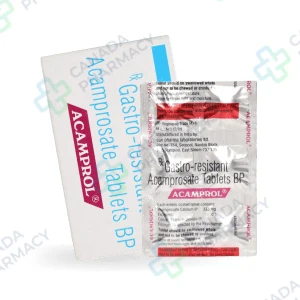
Acamprol
Price range: $ 62,00 through $ 188,00
Active substance: Acamprosate
More Details
This product has multiple variants. The options may be chosen on the product page
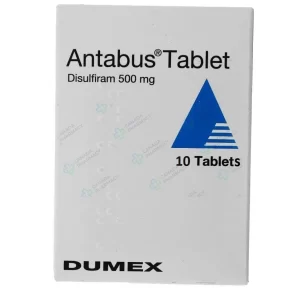
Antabuse
Price range: $ 46,00 through $ 242,00
Active substance: Disulfiram
More Details
This product has multiple variants. The options may be chosen on the product page
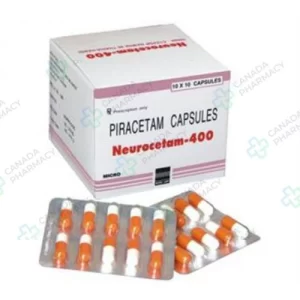
Nootropil
Price range: $ 30,00 through $ 363,00
Active substance: Piracetam
More Details
This product has multiple variants. The options may be chosen on the product page
Revia
Price range: $ 82,00 through $ 432,00
Active substance: Naltrexone
More Details
This product has multiple variants. The options may be chosen on the product page