-41%
Reosto
Price range: $ 33,00 through $ 55,00
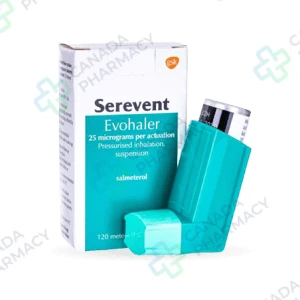
Serevent
Price range: $ 7,00 through $ 35,00
Revia
Price range: $ 82,00 through $ 432,00
Revia is an effective medication primarily used to support individuals recovering from alcohol and opioid dependence. It works by blocking the euphoric effects and physical sensations associated with both opioid use and alcohol consumption. For those managing alcohol use disorder, this treatment helps reduce the urge to drink and supports the maintenance of long-term sobriety. It also assists in preventing relapse among individuals who have successfully completed detoxification from narcotic substances. By targeting the brain’s reward system, Revia serves as a valuable tool for achieving and maintaining a healthy, drug-free lifestyle.
Active substance: Naltrexone
Delivery: 5–21 days (depending on the shipping method)
Extra 10% discount with coupon: IT4K6SVM
Each dosage option has its own packaging choices.
Description
Revia belongs to a class of medications designated as opioid antagonists. It is a prescription drug approved by the U.S. Food and Drug Administration (FDA) for the management of alcohol dependence and for blocking the effects of exogenously administered opioids in individuals maintaining opioid abstinence.
This therapy is prescribed as part of a comprehensive management program that incorporates psychosocial counseling, medical follow-up, and behavioral support. To prevent severe precipitated withdrawal symptoms, patients must complete an opioid-free interval prior to initiating treatment with Revia.
Basic Information
| Parameter | Details |
|---|---|
| Active Ingredient | Naltrexone hydrochloride |
| Therapeutic Class | Opioid antagonist |
| Prescription Status | Prescription only (Rx) |
| Route of Administration | Oral |
| Primary Purpose | Alcohol dependence treatment and opioid blockade |
| Dosage Form | Oral tablet (50 mg) |
How the Drug Works
The active ingredient in Revia, naltrexone hydrochloride, operates as a pure opioid receptor antagonist. Its mechanism of action involves competitive binding to $mu$-opioid receptors located throughout the central nervous system, as well as minor binding to $kappa$-opioid and $delta$-opioid receptors. By occupying these receptor sites, Revia prevents endogenously produced endorphins and exogenously administered opioid molecules from binding and initiating signal transduction.
In patients diagnosed with alcohol dependence, the exact central mechanism is not fully elucidated, but clinical evidence indicates that blocking endogenous opioid pathways reduces the reinforcement, craving, and euphoric feelings associated with alcohol consumption. In patients with prior opioid dependence, Revia blocks the physical euphoric and sedative effects of narcotics such as morphine, heroin, and synthetic opioids.
What It Is Used For
Revia is indicated for two principal clinical uses under FDA guidelines:
- Alcohol Dependence: Indicated as part of a comprehensive treatment strategy to reduce alcohol consumption, lower relapse rates, and support long-term abstinence.
- Opioid Blockade: Indicated for the blockade of exogenously administered opioids in post-detoxified patients maintaining total abstinence from opioid substances.
Any potential therapeutic use outside these approved indications–such as low-dose administration protocols for chronic pain conditions–is classified as an off-label usage and must be explicitly evaluated and monitored by a qualified healthcare provider.
Dosing Schedule
Treatment with Revia requires careful medical supervision and individualized dosage determination based on clinical history and toxicology screening.
- For Alcohol Dependence: The standard adult dosage is 50 mg taken orally once daily. Alternative flexible dosing schedules may be directed by a clinician depending on individual response and adherence protocols.
- For Opioid Blockade: Therapy must not begin until the patient has undergone an adequate opioid-free period (typically 7 to 10 days). Treatment often starts with an initial dose of 25 mg to evaluate tolerance, followed by a standard maintenance dose of 50 mg daily. Flexible outpatient schedules (e.g., 100 mg every other day or 150 mg every third day) may be employed under strict clinical oversight to enhance adherence.
How It Is Absorbed and Eliminated
Following oral administration, naltrexone hydrochloride is rapidly and almost completely absorbed from the gastrointestinal tract, with approximately 96% of the dose entering systemic circulation. However, the drug undergoes extensive first-pass hepatic metabolism, resulting in a systemic bioavailability ranging between 5% and 40%.
The major active metabolite formed via hepatic reduction is 6-$beta$-naltrexol, which also possesses opioid antagonist properties. Peak plasma concentrations of naltrexone and 6-$beta$-naltrexol are achieved within approximately one hour after oral ingestion. The elimination half-life of unchanged naltrexone is approximately 4 hours, whereas the elimination half-life of 6-$beta$-naltrexol is approximately 13 hours. Excretion occurs primarily via renal pathways, with less than 2% of unchanged naltrexone recovered in the urine.
What Not to Combine
Revia exhibits significant pharmacokinetic and pharmacodynamic interactions with several classes of drugs:
- Opioid-Containing Medications: Prescribed opioid analgesics, cough preparations containing codeine or hydrocodone, and antidiarrheal formulations containing loperamide or diphenoxylate are completely blocked by Revia. Concurrent administration can lead to treatment failure of pain management or precipitate sudden, severe opioid withdrawal.
- Hepatotoxic Agents: Co-administration with other medications known to cause liver damage requires close clinical monitoring, as excessive doses of naltrexone carry a risk of hepatocellular injury.
- Disulfiram: Combined use of disulfiram and Revia is generally avoided unless monitored, due to potential additive hepatic toxicity.
Adverse Reactions
During clinical evaluations, several adverse reactions were reported across patient populations receiving Revia therapy. Most side effects are mild to moderate in severity and tend to occur during the initial weeks of treatment.
- Gastrointestinal: Nausea, vomiting, abdominal pain, loss of appetite, and constipation.
- Central Nervous System: Headache, dizziness, insomnia, anxiety, fatigue, and nervous restlessness.
- Musculoskeletal: Joint stiffness, muscle pain, and physical weakness.
- Severe Reactions: Hepatocellular toxicity (elevated liver transaminases), severe depressive symptoms, suicidal ideation, and acute precipitated opioid withdrawal.
Before You Take It
Prior to starting Revia, healthcare providers assess patient health parameters to minimize clinical risks:
- Hepatic Warning: Revia has the potential to cause dose-dependent hepatocellular injury. It is contraindicated in patients with acute hepatitis, severe hepatic impairment, or active liver failure. Baseline liver function tests (ALT, AST, total bilirubin) must be obtained prior to treatment and monitored periodically.
- Opioid Withdrawal Risk: Administering Revia to an individual currently dependent on opioids precipitates acute, severe withdrawal within minutes. Patients must undergo a urine drug screening test and, if indicated, a naloxone challenge test to confirm total absence of opioids.
- Pregnancy and Lactation: Revia is categorized as a prescription therapy to be used during pregnancy only if the potential benefit justifies the potential risk to the fetus. Naltrexone and its active metabolite are excreted in human milk; caution should be exercised when administered to a nursing woman.
- Pediatric Use: Safety and effectiveness in pediatric patients under 18 years of age have not been established.
What to Avoid While Taking It
Revia tablets may be ingested with or without food. Taking the dose with food or milk may help attenuate initial gastrointestinal adverse effects, such as nausea or abdominal discomfort.
Unlike disulfiram, Revia does not cause a physical toxic reaction (such as facial flushing, vomiting, or tachycardia) if alcohol is consumed during therapy. However, consuming alcohol while taking Revia impairs cognitive and motor functions, defeats the therapeutic intent, and poses health risks. Patients are instructed to maintain complete abstinence from alcohol and recreational substances throughout treatment.
First Days of Treatment
Upon beginning Revia therapy, patients may experience transient physiological reactions during the initial days of administration. Common early signs include mild nausea, temporary sleep disturbances, headache, and fatigue. These early effects often subside as the body adapts to the drug over the first one to two weeks. Patients experiencing persistent or severe symptoms should notify their prescribing clinician immediately.
If You Skip a Dose
If a dose of Revia is missed, the patient should take the missed tablet as soon as it is remembered on the same day. However, if the time is close to the next scheduled dose, the patient should skip the missed dose and return to the established daily dosing routine. Patients should never double the dose or take extra tablets to compensate for a missed administration.
Storage and Expiration
Revia tablets should be stored at controlled room temperature between 20°C and 25°C (68°F to 77°F), with permitted excursions between 15°C and 30°C (59°F to 86°F). Store the drug in its original container, tightly closed, and protected from excessive heat, direct light, and moisture. Keep out of reach of children and pets. Properly dispose of any medication that is expired or no longer needed according to local pharmaceutical waste guidelines.
Frequently Asked Questions
What happens if opioid medications are taken while using Revia?
If a patient attempts to take prescription opioid pain relievers or illicit opioids while on Revia, the opioid antagonist effect prevents the opioid from binding to receptors, effectively neutralizing pain relief and euphoria. Attempting to overcome this blockade by taking large quantities of opioids is dangerous and can lead to fatal opioid overdose, respiratory arrest, or circulatory collapse.
Is a detox period required before starting Revia?
Yes. Patients must be completely free from all opioids, including prescription pain medications, methadone, and buprenorphine, for a minimum of 7 to 10 days prior to taking Revia. Initiating therapy without an adequate opioid-free period triggers acute, intense, and severe withdrawal symptoms requiring emergency medical intervention.
Can Revia cause liver toxicity?
Revia carries a risk of dose-dependent hepatocellular injury if administered at concentrations higher than recommended or to individuals with compromised liver function. Prescribing physicians routinely perform baseline liver enzyme tests before initiating therapy and continue periodic monitoring throughout the treatment course.
What should be done if an emergency surgery requires pain medication?
In emergency medical situations where regional or general anesthesia and pain control are required, standard opioid analgesics may not be effective due to the receptor blockade. Emergency care teams must be informed immediately that the patient is taking Revia so that alternative non-opioid analgesics or specialized anesthetic techniques can be safely administered.
Does Revia prevent alcohol intoxication?
No. Revia does not prevent the physical, motor, or cognitive impairment caused by alcohol consumption. It does not lower blood alcohol concentration (BAC) or speed up alcohol metabolism. Revia functions by blocking the neurochemical reward response associated with drinking, thereby helping reduce cravings and the urge to consume alcohol.
Disclaimer
Information on this page is for reference and does not replace an assessment by a licensed healthcare professional. In accordance with FDA requirements.
Additional information
| Dosage |
50 mg |
|---|---|
| Package |
10 pills ,20 pills ,30 pills ,60 pills ,90 pills |
| Ενεργός Ουσία |
Related products
Amalaki
Price range: $ 42,00 through $ 72,00
Active substance: Amalaki (Emblica officinalis) Extract
More Details
This product has multiple variants. The options may be chosen on the product page
Deflazacort
Price range: $ 18,00 through $ 170,00
Active substance: Deflazacort
More Details
This product has multiple variants. The options may be chosen on the product page
Esbriet
Price range: $ 100,00 through $ 328,00
Active substance: Pirfenidone
More Details
This product has multiple variants. The options may be chosen on the product page
Ethionamide
Price range: $ 49,00 through $ 172,00
Active substance: Ethionamide
More Details
This product has multiple variants. The options may be chosen on the product page
LDN
Price range: $ 81,00 through $ 266,00
Active substance: Naltrexone
More Details
This product has multiple variants. The options may be chosen on the product page
Levothroid
Price range: $ 42,00 through $ 144,00
Active substance: Levothyroxine sodium
More Details
This product has multiple variants. The options may be chosen on the product page
Limcee
Price range: $ 21,00 through $ 39,00
Active substance: Ascorbic Acid
More Details
This product has multiple variants. The options may be chosen on the product page