

-41%

Estriol Cream
Price range: $ 13,00 through $ 93,00
Etodolac
Price range: $ 46,00 through $ 390,00
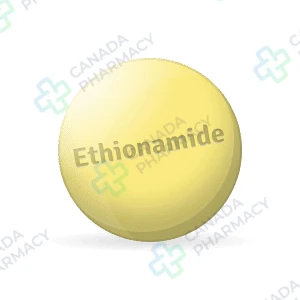
Ethionamide
Price range: $ 49,00 through $ 172,00
Ethionamide is a potent second-line antimicrobial agent specifically formulated to treat active tuberculosis infections. It functions by disrupting the synthesis of mycolic acids, which are vital components for the growth of Mycobacterium tuberculosis. This medication is primarily utilized in combination with other antitubercular drugs to maximize therapeutic outcomes and prevent further bacterial spread. It serves as a critical alternative for patients facing resistance to first-line treatments or those who cannot tolerate standard therapies. Consistent use of Ethionamide helps to effectively eliminate the bacteria and promote the restoration of respiratory health.
Active substance: Ethionamide
Delivery: 5–21 days (depending on the shipping method)
Extra 10% discount with coupon: IT4K6SVM
Each dosage option has its own packaging choices.
Description
Ethionamide belongs to a group of medicines called antitubercular agents, specifically classified as a thioamide derivative. It is a prescription medication dispensed in accordance with applicable federal and state regulations in the United States for the management of active mycobacterial infections.
This medication is primarily indicated for patients diagnosed with active tuberculosis who have demonstrated resistance or intolerance to first-line agents. Healthcare providers administer ethionamide strictly as part of a multi-drug antimicrobial regimen to prevent the emergence of resistant bacterial strains.
| Attribute | Specification |
|---|---|
| Active ingredient (INN) | Ethionamide |
| Therapeutic class | Antitubercular agent (Thioamide derivative) |
| Prescription status | Rx (Prescription required) |
| Route of administration | Oral |
| Primary purpose | Treatment of active tuberculosis (second-line therapy) |
| Dosage form | Oral tablet |
Clinical Overview and Usage Parameters
Main uses
Ethionamide is indicated for the treatment of active pulmonary and extrapulmonary tuberculosis in patients who have failed first-line therapy or who harbor strains of Mycobacterium tuberculosis resistant to primary medications such as isoniazid or rifampin. The United States Food and Drug Administration (FDA) specifies that ethionamide must never be prescribed as monotherapy; it must always be combined with at least one or two other active antitubercular drugs to which the clinical isolate is susceptible. In specialized clinical practice, off-label application of ethionamide includes its off-label use as an alternative agent in multi-drug regimens for leprosy (Hansen’s disease) caused by Mycobacterium leprae. Proper laboratory susceptibility testing should guide initial therapy to ensure clinical effectiveness and prevent treatment failure.
How the drug works
Ethionamide is a prodrug that undergoes intracellular metabolic activation by the mycobacterial monooxygenase enzyme EthA. Once activated, the drug forms a covalent adduct with nicotinamide adenine dinucleotide (NAD). This active complex inhibits the enoyl-ACP reductase enzyme, known as InhA, which is vital for the biosynthesis of mycolic acids. Mycolic acids are essential structural components of the mycobacterial cell wall. By disrupting cell wall integrity and permeability, ethionamide exerts a bacteriostatic effect on actively dividing Mycobacterium tuberculosis organisms. Because ethionamide shares structural similarities with isoniazid, cross-resistance between the two agents can occur when mutations alter the shared InhA target pathway.
How it’s absorbed and eliminated
Following oral administration, ethionamide is rapidly and extensively absorbed from the gastrointestinal tract, achieving peak plasma concentrations within approximately 2 hours. The drug distributes widely into body tissues and fluids, including the liver, kidneys, lungs, and central nervous system, achieving cerebrospinal fluid levels comparable to those in serum. Metabolism occurs predominantly in the liver, converting ethionamide into active sulfoxide intermediates and several inactive metabolites. The elimination half-life of ethionamide ranges between 2 and 3 hours in individuals with normal renal function. Excretion occurs primarily through the kidneys, with less than 1 percent of the administered dose excreted unchanged in the urine, while the remaining portion is eliminated as metabolic derivatives.
Dosing schedule
The dosing of ethionamide must be determined individually by a qualified prescriber based on patient body weight, tolerability, and clinical response. In adult populations, standard dosing typically ranges from 500 mg to 1,000 mg daily, divided into two or three doses administered throughout the day. To minimize severe gastrointestinal distress, therapy is frequently initiated at lower daily amounts, such as 250 mg daily, and gradually titrated upward over several days as tolerated. Pediatric dosing is calculated based on body weight, generally administered in divided daily doses. Concomitant administration of pyridoxine (vitamin B6) is routinely recommended to mitigate neurotoxic effects associated with therapy. Compliance with the entire prescribed duration is essential to avoid bacterial resurgence.
Key Considerations for Patients
Food and alcohol interactions
Administration of ethionamide with meals or light snacks can assist in reducing gastrointestinal side effects such as nausea and gastric irritation without significantly impairing total drug absorption. Alcohol consumption is strictly contraindicated during ethionamide therapy. Combining alcohol with ethionamide increases the risk of central nervous system toxicity, including confusion, cognitive impairment, and acute psychotic reactions. Furthermore, both alcohol and ethionamide possess hepatotoxic potential; simultaneous ingestion significantly elevates the potential for severe liver injury and metabolic decompensation.
If you skip a dose
If a dose of ethionamide is missed, it should be taken as soon as remembered, provided the next scheduled dose is not imminent. If the time is close to the next scheduled administration, the missed dose should be skipped, and the regular dosing schedule resumed. Patients must never double the dose to make up for a missed tablet, as this dramatically increases the risk of acute gastrointestinal and neurological adverse events. Consistent compliance is necessary to maintain therapeutic serum levels and minimize drug resistance.
Storage and expiration
Ethionamide tablets should be stored at controlled room temperature between 20°C and 25°C (68°F to 77°F), with excursions permitted between 15°C and 30°C (59°F to 86°F). The medication must be kept in its original, tightly closed container, protected from excessive moisture, heat, and direct light. Ensure the drug is kept out of reach of children and pets. Medication that has passed its expiration date printed on the packaging should be disposed of according to local pharmaceutical disposal guidelines.
Managing Adverse Effects and Risks
Adverse reactions
Ethionamide exhibits a prominent side effect profile, with gastrointestinal disturbances being the most frequent adverse reactions reported. Patients often experience severe nausea, vomiting, metallic taste, excessive salivation, abdominal discomfort, loss of appetite, and weight loss. Central nervous system adverse effects include dizziness, drowsiness, peripheral neuropathy, headache, depression, and rare instances of psychotic reactions. Endocrine abnormalities may occur during prolonged administration, including hypothyroidism, hypoglycemia in diabetic patients, and gynecomastia. Hepatotoxicity is a significant adverse event, manifested by elevated serum transaminases, hepatitis, or jaundice. Periodic hepatic and thyroid laboratory evaluations are indicated throughout the course of treatment to monitor for organ dysfunction.
Important precautions
Ethionamide requires careful evaluation of underlying risk factors prior to initiation. Patients with pre-existing hepatic impairment or severe liver disease should exercise extreme caution, as the risk of drug-induced hepatotoxicity is heightened. Serum transaminase levels must be established at baseline and monitored regularly during therapy. Diabetic patients require frequent blood glucose monitoring due to potential alterations in glycemic control. In pregnant populations, ethionamide is classified as an agent where human data demonstrate potential teratogenic risks; therefore, it should be avoided during pregnancy unless no suitable therapeutic alternative exists. Lactation requires careful risk-benefit analysis, as it is unknown whether ethionamide passes into human breast milk. Pediatric patients require close clinical oversight for neurological toxicity.
Red flags
Immediate emergency medical evaluation is required if a patient experiences signs of severe acute toxicity or organ failure. Key red flags include signs of hepatotoxicity such as yellowing of the skin or eyes (jaundice), severe abdominal pain, dark urine, or persistent vomiting. Neurological warning signs include sudden severe depression, confusion, hallucinations, seizures, or loss of motor coordination. An allergic reaction manifested by swelling of the face, lips, tongue, or throat, alongside difficulty breathing or severe skin rashes, warrants immediate emergency intervention.
Critical Drug and Dietary Interactions
Compatibility with other medicines
Ethionamide interacts with several concomitant therapeutic agents, necessitating close clinical management. Co-administration with isoniazid can increase serum concentrations of isoniazid, leading to a higher incidence of central nervous system toxicity, peripheral neuropathy, and liver enzymes elevation. Concurrent use of cycloserine significantly increases the risk of neurotoxicity, including severe central nervous system adverse events and seizures. Rifampin co-administration may increase the risk of hepatotoxicity; baseline liver function tests are critical when combining these agents. Additionally, ethionamide may alter the metabolism of oral hypoglycemic agents, increasing the risk of hypoglycemia. Prescribers should review all concurrent medications, including non-prescription products and supplements, before starting treatment.
Frequently Asked Questions and Safety Standards
Common Questions About Ethionamide Therapy
Common questions
How long does ethionamide treatment typically last?
Ethionamide therapy is typically continued for 12 to 24 months, depending on the patient’s individual treatment regimen, microbiological response, and drug resistance profile. Treatment duration is established by the attending specialist.
Is it normal to experience a metallic taste while taking ethionamide?
Yes, metallic taste (dysgeusia) is a recognized gastrointestinal side effect of ethionamide. It often persists throughout treatment but resolves after the medication is discontinued.
What happens if blood sugar levels drop during ethionamide therapy?
Ethionamide can enhance the blood-glucose-lowering effect of insulin and oral antidiabetic drugs. Diabetic patients should monitor blood glucose levels closely and consult their physician if hypoglycemic episodes occur.
Can ethionamide affect thyroid function test results?
Yes, ethionamide can induce hypothyroidism by inhibiting thyroid hormone synthesis. Physicians frequently evaluate serum thyroid-stimulating hormone (TSH) levels during long-term therapy.
How does pyridoxine (vitamin B6) help during ethionamide treatment?
Pyridoxine supplementation helps prevent neurotoxic side effects, such as peripheral neuropathy (numbness, tingling, or pain in the hands and feet), caused by ethionamide’s structural similarity to other neurotoxic antitubercular agents.
Can I drive while taking ethionamide?
Ethionamide may cause drowsiness, dizziness, or central nervous system disturbances. Patients should assess their personal reaction to the drug before driving or operating heavy machinery.
This text is for informational purposes only and does not constitute individual medical advice. In accordance with FDA requirements.
Additional information
| Dosage |
250 mg |
|---|---|
| Package |
30 pills ,60 pills ,90 pills ,120 pills ,180 pills |
| Ενεργός Ουσία |
Related products
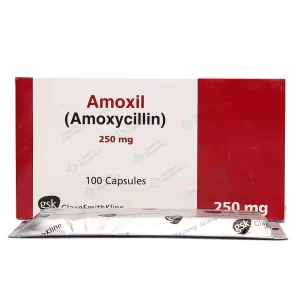
Amoxil
Price range: $ 40,00 through $ 170,00
Active substance: amoxicillin
More Details
This product has multiple variants. The options may be chosen on the product page
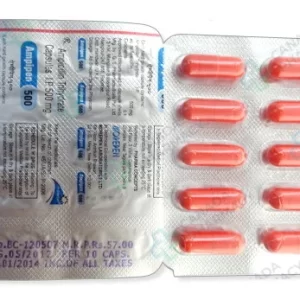
Ampicillin
Price range: $ 40,00 through $ 140,00
Active substance: acillin
More Details
This product has multiple variants. The options may be chosen on the product page
Azipro
Price range: $ 90,00 through $ 680,00
Active substance: Azithromycin
More Details
This product has multiple variants. The options may be chosen on the product page
Cefixime
Price range: $ 101,00 through $ 509,00
Active substance: cefixime
More Details
This product has multiple variants. The options may be chosen on the product page
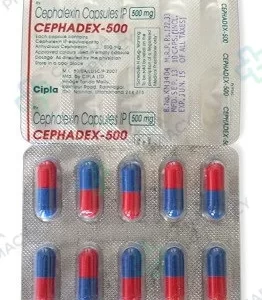
Cephalexin
Price range: $ 39,00 through $ 349,00
Active substance: cephalexin
More Details
This product has multiple variants. The options may be chosen on the product page
Chloramphenicol
Price range: $ 56,00 through $ 260,00
Active substance: chloramphenicol
More Details
This product has multiple variants. The options may be chosen on the product page
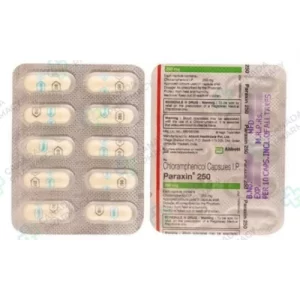
Chloromycetin
Price range: $ 52,00 through $ 242,00
Active substance: chloramphenicol
More Details
This product has multiple variants. The options may be chosen on the product page

Cipro
Price range: $ 40,00 through $ 317,00
Active substance: Ciprofloxacin
More Details
This product has multiple variants. The options may be chosen on the product page