

-47%
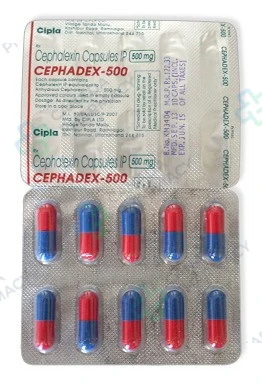
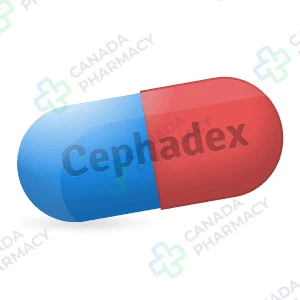
Cephadex
Price range: $ 16,00 through $ 48,00
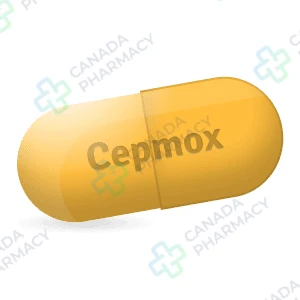
Cepmox
Price range: $ 41,00 through $ 115,00
Cephalexin
Price range: $ 39,00 through $ 349,00
Cephalexin is a potent first-generation cephalosporin antibiotic designed to combat a wide variety of bacterial infections. It works by inhibiting the growth of bacteria, effectively stopping the spread of infection throughout the body. This medication is commonly used to treat skin and soft tissue infections, as well as respiratory tract issues like pneumonia and bronchitis. It is also highly effective in managing urinary tract infections and middle ear infections. By targeting the source of the ailment, Cephalexin helps patients recover quickly from painful symptoms and prevents further complications.
Active substance: cephalexin
Delivery: 5–21 days (depending on the shipping method)
Extra 10% discount with coupon: IT4K6SVM
Each dosage option has its own packaging choices.
Description
Cephalexin belongs to a class of medications known as first-generation cephalosporin antibiotics. It is prescribed for the treatment of susceptible bacterial infections in adults and pediatric patients in accordance with federal regulations and applicable prescribing standards.
Understanding its pharmacological profile, administration requirements, and potential interactions helps ensure optimal therapeutic outcomes and safe use during therapy. This document provides a detailed factual overview based on approved medical literature.
| Parameter | Details |
|---|---|
| Active Ingredient | Cephalexin monohydrate |
| Therapeutic Class | First-generation cephalosporin antibiotic (AHFS 8:12.06.08) |
| Dosage Form | Oral capsule, oral tablet, powder for oral suspension |
| Route of Administration | Oral |
| Primary Purpose | Treatment of susceptible bacterial infections |
| Prescription Status | Prescription (Rx) only |
Clinical Overview and Pharmacological Profile
Pharmacology and Indications
How the drug works
Cephalexin is a bactericidal agent that exerts its antimicrobial activity through the inhibition of bacterial cell wall synthesis. It specifically binds to penicillin-binding proteins (PBPs) located within the bacterial cell wall, which prevents the final transpeptidation step of peptidoglycan synthesis. Without a stable peptidoglycan network, the structural integrity of the bacterial cell wall becomes compromised, leading to osmotic instability, cell lysis, and bacterial death. Cephalexin exhibits activity against Gram-positive organisms, including Staphylococcus aureus (methicillin-susceptible strains) and Streptococcus pneumoniae, as well as select Gram-negative pathogens such as Escherichia coli and Proteus mirabilis.
Main uses
Cephalexin is indicated for the treatment of respiratory tract infections caused by susceptible strains of Streptococcus pneumoniae and Streptococcus pyogenes. It is also indicated for otitis media, skin and skin structure infections, bone infections, and genitourinary tract infections, including acute prostatitis. Antimicrobial therapy with cephalexin is restricted strictly to confirmed or strongly suspected bacterial infections. Cephalexin possesses no antiviral properties and is completely ineffective against viral pathogens, such as influenza or the common cold. Diagnostic culture and susceptibility testing are recommended to confirm bacterial sensitivity before or during treatment.
How it’s absorbed and eliminated
Following oral administration, cephalexin is rapidly and almost completely absorbed from the upper gastrointestinal tract. Peak serum concentrations are attained within approximately one hour after ingestion under fasting conditions. Cephalexin is acid-stable and distributes broadly into tissue spaces and body fluids, including bone and joint fluid, although therapeutic concentrations are not achieved in the cerebrospinal fluid. Cephalexin does not undergo hepatic metabolic transformation; it is eliminated virtually unchanged in the urine via glomerular filtration and tubular secretion. In individuals with normal kidney function, the elimination half-life is approximately one hour, but this duration increases significantly in patients with reduced renal clearance.
Administration and Efficacy
Dosing schedule
Cephalexin is administered orally in capsule, tablet, or liquid suspension formulations. The standard adult daily dose ranges from 1 gram to 4 grams, administered in divided doses depending on the type and severity of the target infection. Common regimens include 250 mg taken every 6 hours or 500 mg taken every 12 hours for uncomplicated conditions such as mild skin structure infections or urinary tract infections. Pediatric dosages are calculated on a body-weight basis, typically ranging between 25 and 50 mg per kilogram of body weight per day in divided doses. Completing the entire course of therapy as prescribed by a licensed healthcare provider is essential, even if symptoms subside early, to minimize the risk of bacterial resistance.
Signs of improvement
Clinical response to cephalexin therapy typically manifests within 24 to 48 hours after treatment initiation. Systemic signs of bacterial infection, such as fever, chills, or generalized malaise, generally begin to diminish within this period. For localized skin or soft tissue infections, physical indicators of improvement include reduced redness, diminished localized swelling, and decreased tenderness. If clinical signs fail to improve or progressively deteriorate after 48 to 72 hours of continuous administration, clinical re-evaluation is necessary to re-confirm pathogen sensitivity or identify secondary complications.
If you skip a dose
If a dose of cephalexin is missed, it should be administered as soon as it is remembered. If the time of recollection is close to the next scheduled dose, the missed dose should be omitted and the regular administration schedule resumed. Doses should not be doubled to compensate for a missed administration. Maintaining steady serum drug concentrations is necessary for effective bacterial clearance, so establishing a consistent daily schedule for medication intake is recommended.
Safety Profile and Special Instructions
Adverse Effects and Interactions
Adverse reactions
Cephalexin is generally well tolerated, with gastrointestinal disturbance representing the most frequently reported adverse effect. Common gastrointestinal symptoms include nausea, vomiting, diarrhea, dyspepsia, and abdominal pain. Cutaneous reactions, such as transient erythematous skin rashes, hives, or pruritus, may also occur. Less frequent adverse events include temporary elevations in serum transaminases, genital moniliasis (vaginal yeast infection), and dizziness. A significant potential risk associated with broad-spectrum antibiotic therapy is Clostridioides difficile-associated diarrhea (CDAD), which can range in severity from mild watery diarrhea to pseudomembranous colitis. Severe hypersensitivity reactions, including anaphylaxis, represent rare but medical emergencies.
Compatibility with other medicines
Concomitant administration of probenecid decreases the renal excretion of cephalexin by competitively inhibiting tubular secretion, resulting in elevated peak plasma concentrations and a prolonged elimination half-life. Cephalexin may also interact with metformin, potentially increasing metformin plasma concentrations and reducing its renal clearance. Additionally, oral antibacterial agents may diminish the therapeutic efficacy of live attenuated vaccines, such as the oral typhoid vaccine, if administered concurrently. Patients should inform their prescribing clinician of all current prescription medications, non-prescription drugs, and dietary supplements.
What to avoid while taking it
Cephalexin may be taken with or without food. Taking the dose with food or milk can reduce gastrointestinal discomfort if nausea occurs. While ethanol does not produce a direct metabolic interaction (such as a disulfiram-like reaction) with cephalexin, alcohol consumption can aggravate central nervous system and gastrointestinal side effects like dizziness and stomach upset. Furthermore, alcohol intake during an active systemic infection can impair immune defense mechanisms and delay physiological recovery.
Precautions and Common Questions
Important precautions
Prior to starting cephalexin, a detailed history regarding prior hypersensitivity reactions to cephalosporins, penicillins, or other beta-lactam antibiotics must be established. Cross-reactivity between penicillins and first-generation cephalosporins occurs in a subset of patients; therefore, cephalexin should be prescribed with caution to individuals with a documented history of severe immediate-type penicillin hypersensitivity. In patients with renal impairment (creatinine clearance less than 50 mL/min), dosage adjustments or extended dosing intervals are required to avoid excessive accumulation of the drug in the systemic circulation.
Special populations
During pregnancy, cephalexin should be utilized only when clearly indicated. Animal reproduction studies have not demonstrated fetal risk, though adequate, well-controlled studies in pregnant women remain limited. Cephalexin is excreted in human breast milk in low concentrations, requiring caution when administered to a nursing mother. Geriatric patients with normal renal function for their age generally demonstrate pharmacokinetic profiles comparable to younger adults; however, because elderly individuals are more likely to exhibit decreased renal function, dose selection should be conducted cautiously alongside periodic renal monitoring.
Common questions
Can cephalexin alter laboratory test results?
Yes, cephalexin administration may cause a false-positive reaction for glucose in urine when using copper reduction methods (such as Benedict’s solution or Clinitest tablets). Enzymatic glucose oxidase test methods are not affected. Additionally, a positive direct Coombs’ test result may develop during cephalexin therapy.
Does cephalexin interfere with operating machinery or driving?
Cephalexin generally does not impair psychomotor performance or cognitive functioning. However, if central nervous system adverse effects such as dizziness or fatigue occur, operating heavy machinery or driving should be avoided until symptoms resolve.
What action is required if persistent diarrhea develops?
If severe, watery, or persistent diarrhea occurs during or up to several weeks following completion of treatment, a healthcare provider should be consulted immediately. Antidiarrheal agents that inhibit intestinal peristalsis, such as opioids or diphenoxylate, should not be used, as they may prolong toxin retention in the intestinal lumen.
What are the storage guidelines for reconstituted oral liquid suspension?
Reconstituted oral liquid suspensions of cephalexin must be stored under refrigeration between 2°C and 8°C (36°F to 46°F). Any unused liquid portion must be discarded after 14 days of storage.
Can cephalexin be used to treat fungal or yeast infections?
No, cephalexin is strictly an antibacterial medication and has no therapeutic activity against fungal or yeast pathogens. Treatment with antibacterial agents can alter normal microflora and occasionally result in secondary fungal overgrowth, such as oral or vaginal candidiasis.
This text is for informational purposes only and does not constitute individual medical advice. In accordance with FDA requirements.
Additional information
| Dosage |
125 mg ,250mg ,500mg ,750 mg |
|---|---|
| Package |
30 pills ,60 pills ,90 pills ,120 pills ,180 pills ,270 pills ,360 pills |
| Ενεργός Ουσία |
Related products

Azipro
Price range: $ 90,00 through $ 680,00
Active substance: Azithromycin
More Details
This product has multiple variants. The options may be chosen on the product page
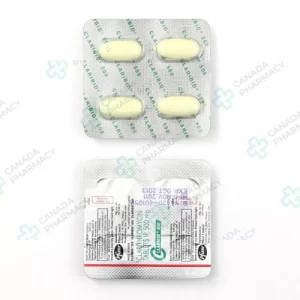
Biaxin
Price range: $ 107,00 through $ 427,00
Active substance: Clarithromycin
More Details
This product has multiple variants. The options may be chosen on the product page
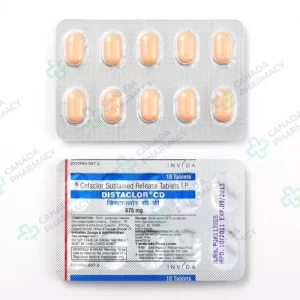
Ceclor CD
Price range: $ 53,00 through $ 154,00
Active substance: Cefaclor
More Details
This product has multiple variants. The options may be chosen on the product page
Cephadex
Price range: $ 16,00 through $ 48,00
Active substance: cephalexin
More Details
This product has multiple variants. The options may be chosen on the product page
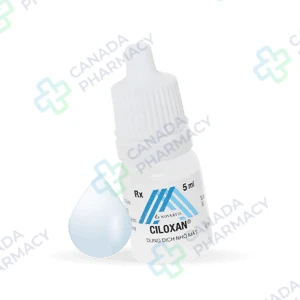
Ciloxan Ophthalmic Solution
Price range: $ 50,00 through $ 63,00
Active substance: Ciprofloxacin hydrochloride
More Details
This product has multiple variants. The options may be chosen on the product page
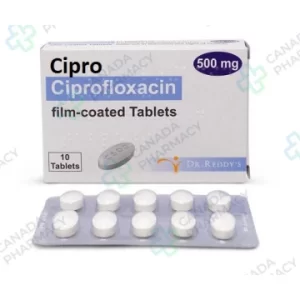
Cipro
Price range: $ 40,00 through $ 317,00
Active substance: Ciprofloxacin
More Details
This product has multiple variants. The options may be chosen on the product page

Cleocin
Price range: $ 91,00 through $ 361,00
Active substance: Clindamycin
More Details
This product has multiple variants. The options may be chosen on the product page
Clindamycin
Price range: $ 43,00 through $ 326,00
Active substance: clindamycin hydrochloride
More Details
This product has multiple variants. The options may be chosen on the product page