

-3%
Caverta
Price range: $ 135,00 through $ 248,00
Cefaclor
Price range: $ 68,00 through $ 3 600,00
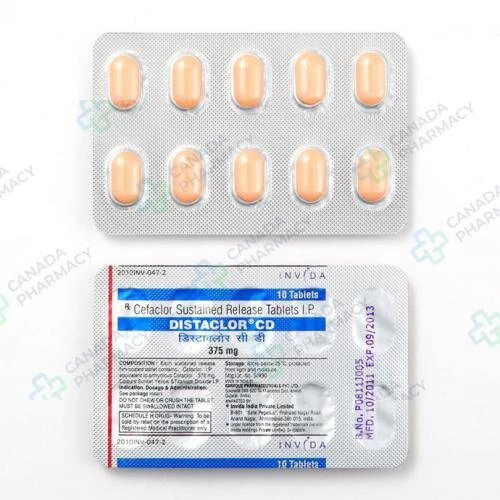
Ceclor CD
Price range: $ 53,00 through $ 154,00
Ceclor CD is a potent extended-release cephalosporin antibiotic formulated to combat a wide range of bacterial infections. The medication works by interfering with the formation of bacterial cell walls, which effectively stops the growth and spread of the infection. It is primarily indicated for the treatment of respiratory tract infections, including acute bacterial exacerbations of chronic bronchitis and pharyngitis. Additionally, this medication is used to address uncomplicated skin infections and urinary tract infections caused by susceptible strains of bacteria. The advanced controlled-delivery system allows for a steady release of the active ingredient, ensuring consistent efficacy throughout the course of therapy.
Active substance: Cefaclor
Delivery: 5–21 days (depending on the shipping method)
Extra 10% discount with coupon: IT4K6SVM
Each dosage option has its own packaging choices.
Description
Ceclor CD belongs to a group of medicines called second-generation cephalosporin antibiotics. It is an extended-release oral formulation containing cefaclor as its active ingredient, prescribed for specific mild-to-moderate bacterial infections in adults under appropriate healthcare supervision.
As a prescription-only medication regulated by the US Food and Drug Administration (FDA), Ceclor CD must be used strictly in accordance with a licensed practitioner’s orders. It is designed to deliver sustained bactericidal action against susceptible strains of micro-organisms while maintaining convenient twice-daily dosing schedules.
| Parameter | Details |
|---|---|
| Active ingredient (INN) | Cefaclor (as monohydrate) |
| Therapeutic class | Second-generation cephalosporin antibiotic |
| Dosage form | Extended-release oral tablet |
| Route of administration | Oral |
| Prescription status | Prescription only (Rx) |
| Primary purpose | Treatment of susceptible bacterial infections |
Clinical Overview and Prescribing Guidelines
What it’s used for and How the drug works
What it’s used for
Ceclor CD is indicated for the treatment of adult patients with mild to moderate infections caused by susceptible isolates of designated micro-organisms. Approved indications include acute bacterial exacerbations of chronic bronchitis, secondary bacterial infections of acute bronchitis, pharyngitis and tonsillitis caused by Streptococcus pyogenes, and uncomplicated skin and skin structure infections caused by Staphylococcus aureus. Antibacterial therapy should be guided by culture and susceptibility testing when available to minimize the development of drug-resistant bacteria.
How the drug works
The active substance, cefaclor, exerts its bactericidal activity through the inhibition of bacterial cell wall synthesis. By binding to specific penicillin-binding proteins (PBPs) located inside the bacterial cell wall, cefaclor stops the final transpeptidation step of peptidoglycan synthesis. This structural disruption weakens the bacterial cell wall, leading to cell lysis and bacterial death. Ceclor CD is effective against select Gram-positive and Gram-negative organisms, provided they do not produce beta-lactamases that render the molecule inactive.
Dosing schedule and What happens in the body
Dosing schedule
Ceclor CD extended-release tablets must be swallowed whole and taken with food to ensure optimal systemic absorption. Cutting, crushing, or chewing the tablets compromises the controlled-release delivery matrix and is strictly contraindicated. The standard adult regimen varies based on the underlying infection, typically ranging from 375 mg to 500 mg administered orally every 12 hours for a duration of 7 to 10 days. Patients must complete the full prescribed course of therapy even if clinical symptoms resolve early, as premature discontinuation increases the risk of recurrent infection and antibiotic resistance.
What happens in the body
Following oral administration with food, cefaclor extended-release is absorbed through the gastrointestinal tract, achieving peak plasma concentrations significantly influenced by nutrient intake. Taking the tablet with meals increases total bioavailability (AUC) compared to fasting conditions. Cefaclor is widely distributed in body tissues and fluids. It does not undergo extensive hepatic metabolism and is primarily eliminated unchanged by the kidneys via glomerular filtration and tubular secretion. The elimination half-life ranges from 0.6 to 1.0 hour in patients with normal renal function, though clearance is prolonged in individuals with severe renal impairment.
Adverse reactions and Important precautions
Adverse reactions
Treatment with Ceclor CD may produce adverse reactions, most commonly affecting the gastrointestinal system. Frequently reported side effects include mild diarrhea, nausea, vomiting, abdominal discomfort, and dyspepsia. Cutaneous reactions such as transient skin rash, pruritus, and urticaria may occur. Less frequently, patients may experience elevated serum transaminases (AST, ALT) or transient eosinophilia. As with all broad-spectrum antibacterial agents, prolonged use may cause fungal superinfections, such as oral thrush or vaginal candidiasis, and severe Clostridioides difficile-associated diarrhea, which requires prompt medical evaluation.
Important precautions
Prior to therapy, clinicians must verify whether the patient has a history of severe hypersensitivity reactions to cephalosporins, penicillins, or other beta-lactam agents, as cross-reactivity can lead to anaphylaxis. Caution is advised when administering Ceclor CD to individuals with a history of gastrointestinal disease, particularly ulcerative colitis or enteritis. Dosage adjustment is necessary for patients with severe renal failure. In elderly individuals, dosage selection should reflect potential age-related reductions in renal function. Safe use during pregnancy and lactation requires careful risk-benefit evaluation by the prescribing physician.
Compatibility with other medicines and Practical considerations
Compatibility with other medicines
Concomitant administration of Ceclor CD with probenecid decreases the renal tubular clearance of cefaclor, resulting in elevated and prolonged plasma concentrations. Co-administration with antacids containing aluminum hydroxide or magnesium hydroxide within 1 hour of dosing reduces the rate and extent of cefaclor absorption; therefore, antacid ingestion should be separated from dosing. Additionally, broad-spectrum antibiotics may alter intestinal flora and potentially enhance the anticoagulant effect of warfarin, necessitating periodic monitoring of prothrombin time and international normalized ratio (INR) values.
Food and alcohol interactions
Food plays an essential clinical role in the administration of Ceclor CD. Consuming food alongside the tablet optimizes drug release and systemic absorption; taking the medication on an empty stomach results in reduced systemic availability. While ethanol does not have a direct pharmacodynamic interaction with cefaclor, alcohol consumption can aggravate gastrointestinal side effects such as nausea and dizziness and impair overall immune recovery during active infection. Patients are advised to limit or avoid alcohol during the treatment course.
If you skip a dose
If a scheduled dose of Ceclor CD is missed, it should be taken as soon as remembered, provided it is taken with food. However, if it is almost time for the next scheduled dose, the missed tablet should be skipped and the regular dosing schedule resumed. Patients must never double the dose or take extra tablets to make up for a missed administration, as this increases the likelihood of adverse gastrointestinal side effects.
Signs of improvement
Patients generally begin to notice clinical improvement within 48 to 72 hours after starting Ceclor CD therapy. Signs of resolution include reduction of fever, decrease in cough or sputum production, and alleviation of localized pain or skin inflammation. If symptoms persist unchanged after 3 days of consistent administration, or if the condition worsens at any point, the patient should contact their healthcare professional for clinical reassessment.
Storage and expiration
Ceclor CD tablets should be stored at controlled room temperature between 20°C and 25°C (68°F to 77°F), with excursions permitted between 15°C and 30°C (59°F to 86°F). Protect the medication from excessive moisture, heat, and direct light. Store the original container tightly closed and out of reach of children. Unused or expired tablets should be safely discarded according to local pharmacy disposal guidelines or drug take-back programs, rather than flushed down household drains.
Common questions
What should I do if I develop severe diarrhea while taking Ceclor CD?
If you experience watery or severe diarrhea, abdominal cramping, or fever during or weeks after completing Ceclor CD, contact your doctor immediately. This could be a sign of Clostridioides difficile-associated diarrhea, a serious intestinal condition that requires specific medical intervention. Do not take anti-diarrheal products like loperamide without consulting your healthcare provider, as they may worsen the condition.
Can Ceclor CD extended-release tablets be split or crushed for easier swallowing?
No. Ceclor CD tablets must be swallowed whole. The extended-release formulation relies on an intact tablet structure to release the active drug gradually over time. Crushing, splitting, or chewing the tablet destroys this mechanism, causing the entire dose to be released at once, which increases the risk of side effects and reduces therapeutic effectiveness.
Is it safe to drive or operate machinery while taking this medication?
Ceclor CD generally does not impair cognitive function or motor skills. However, some patients may experience mild side effects such as dizziness, headache, or fatigue. If you experience these symptoms, avoid driving, operating heavy machinery, or engaging in hazardous tasks until you know how the medication affects you.
What happens if my symptoms disappear before finishing the full prescription?
Even if your fever and symptoms improve after a few days, you must complete the entire course prescribed by your physician. Stopping antibiotic treatment early can leave surviving bacteria behind, leading to a relapse of the infection that may be resistant to cefaclor and other cephalosporin antibiotics.
How does taking Ceclor CD with meals affect how it works?
Taking Ceclor CD with food is critical because food significantly enhances the absorption of cefaclor extended-release into your bloodstream. Administration on an empty stomach leads to lower drug levels in the body, which may compromise the effectiveness of the treatment against the target bacteria.
In accordance with US Food and Drug Administration (FDA) requirements.
This text is for informational purposes only and does not constitute individual medical advice.
Additional information
| Dosage |
375 mg |
|---|---|
| Package |
30 pills ,60 pills ,90 pills |
| Ενεργός Ουσία |
Related products
Bactrim
Price range: $ 41,00 through $ 196,00
Active substance: sulfamethoxazole, trimethoprim
More Details
This product has multiple variants. The options may be chosen on the product page
Biaxin
Price range: $ 107,00 through $ 427,00
Active substance: Clarithromycin
More Details
This product has multiple variants. The options may be chosen on the product page
Cefadroxil
Price range: $ 41,00 through $ 349,00
Active substance: cefadroxil
More Details
This product has multiple variants. The options may be chosen on the product page
Cefixime
Price range: $ 101,00 through $ 509,00
Active substance: cefixime
More Details
This product has multiple variants. The options may be chosen on the product page
Ceftin
Price range: $ 38,00 through $ 386,00
Active substance: Cefuroxime
More Details
This product has multiple variants. The options may be chosen on the product page
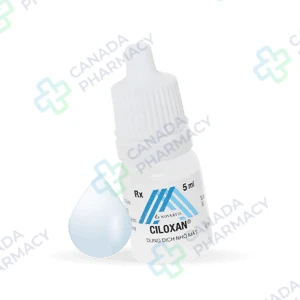
Ciloxan Ophthalmic Solution
Price range: $ 50,00 through $ 63,00
Active substance: Ciprofloxacin hydrochloride
More Details
This product has multiple variants. The options may be chosen on the product page
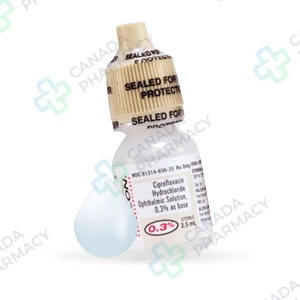
Ciprodex Ophthalmic Solution
Price range: $ 63,00 through $ 95,00
Active substance: Ciprofloxacin, Dexamethasone
More Details
This product has multiple variants. The options may be chosen on the product page
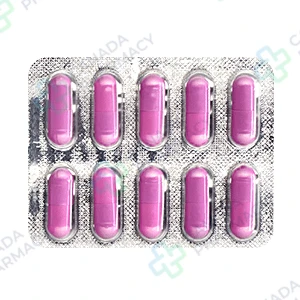
Clindamycin
Price range: $ 43,00 through $ 326,00
Active substance: clindamycin hydrochloride
More Details
This product has multiple variants. The options may be chosen on the product page