

-50%
Cefaclor
Price range: $ 68,00 through $ 3 600,00
Cefixime
Price range: $ 101,00 through $ 509,00
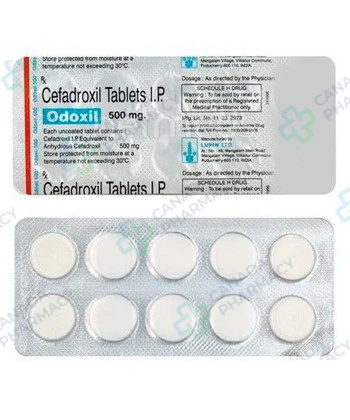
Cefadroxil
Price range: $ 41,00 through $ 349,00
Cefadroxil is a potent cephalosporin antibiotic designed to eliminate a wide range of bacterial infections. It functions by disrupting the cell wall synthesis of harmful bacteria, effectively stopping their growth and spread. This medication is frequently utilized to treat skin and soft tissue infections, ensuring a swift recovery for affected areas. Additionally, it is highly effective against urinary tract infections and respiratory conditions such as strep throat or tonsillitis. By targeting the underlying cause of the illness, Cefadroxil provides a reliable solution for restoring overall health and well-being.
Active substance: cefadroxil
Delivery: 5–21 days (depending on the shipping method)
Extra 10% discount with coupon: IT4K6SVM
Each dosage option has its own packaging choices.
Description
Cefadroxil belongs to a class of medications known as first-generation cephalosporin antibiotics. It is prescribed for the treatment of specific bacterial infections in adult and pediatric patients when caused by susceptible organisms. As an oral antimicrobial agent, it is dispensed strictly under the oversight of a licensed healthcare provider in accordance with federal prescription regulations.
Understanding the pharmacological characteristics, appropriate dosage regimens, and safety considerations of cefadroxil ensures effective clinical management while minimizing the risk of adverse events and antimicrobial resistance. This reference provides an objective summary based on official drug labeling standards in the United States.
| Parameter | Specification |
|---|---|
| Active ingredient | Cefadroxil monohydrate |
| Primary purpose | Treatment of susceptible bacterial infections |
| Route of administration | Oral (capsules, tablets, oral suspension) |
| Prescription status | Prescription only (Rx) |
| Mechanism of action | Inhibition of bacterial cell wall synthesis |
| Storage conditions | Controlled room temperature 20°C to 25°C (68°F to 77°F) |
1. Pharmacological Profile and Indications
How the drug works
Cefadroxil is a bactericidal antibiotic that acts by interfering with the synthesis of the peptidoglycan layer in bacterial cell walls. It binds specifically to penicillin-binding proteins (PBPs) located within the bacterial cell membrane. This binding inhibits the final transpeptidation step required for cross-linking peptidoglycan strands, thereby weakening the cell wall structural integrity. Consequently, internal osmotic pressure causes cell lysis and bacterial death. Cefadroxil exhibits activity against various Gram-positive organisms, including Staphylococcus aureus (penicillinase-producing and non-penicillinase-producing strains) and Streptococcus pyogenes, as well as select Gram-negative organisms such as Escherichia coli, Proteus mirabilis, and Klebsiella pneumoniae.
Main uses
Cefadroxil is indicated for the treatment of mild-to-moderate infections caused by susceptible strains of designated microorganisms. Approved indications include urinary tract infections caused by E. coli, P. mirabilis, and Klebsiella species; skin and skin structure infections caused by staphylococci or streptococci; and pharyngitis or tonsillitis caused by Streptococcus pyogenes (Group A beta-hemolytic streptococci). Standard culture and susceptibility testing should be performed prior to or during therapy to confirm organism sensitivity. Utilizing antimicrobial susceptibility data aids in preventing the selection of resistant strains in institutional settings, such as healthcare centers in Chicago or other medical facilities.
How it’s absorbed and eliminated
Following oral administration, cefadroxil is rapidly and almost completely absorbed from the gastrointestinal tract. Peak serum concentrations are achieved within 1.2 to 2 hours after ingestion. The administration of food alongside cefadroxil does not alter the overall extent of systemic absorption, though it may slightly delay the rate at which peak concentration is reached. Cefadroxil exhibits low plasma protein binding, approximately 20%. The elimination half-life of cefadroxil in individuals with normal renal function is approximately 1.5 hours. The drug is not significantly metabolized in the liver; more than 90% of an administered dose is excreted unchanged in the urine via glomerular filtration and tubular secretion within 24 hours.
2. Clinical Administration and Safety Precautions
Dosing schedule
The dosage of cefadroxil depends upon the specific diagnosis, infection severity, and the patient’s renal functional status. For uncomplicated lower urinary tract infections in adults, the standard dosage is 1 gram to 2 grams daily, administered as a single daily dose or divided into two equal doses every 12 hours. For skin and soft tissue infections, the typical adult dosage is 1 gram per day, given once daily or split into 500 mg every 12 hours. For Group A beta-hemolytic streptococcal pharyngitis or tonsillitis, the recommended regimen is 1 gram daily for a minimum duration of 10 days to prevent acute rheumatic fever. Pediatric dosages are calculated based on body weight, typically ranging from 30 mg/kg/day divided into equal doses every 12 hours. Patients with impaired kidney function require modification of dosing intervals based on creatinine clearance rates.
Compatibility with other medicines
Concomitant administration of cefadroxil with probenecid decreases the renal tubular secretion of cefadroxil, resulting in higher and prolonged serum concentrations of the antibiotic. Co-administration with nephrotoxic agents, such as aminoglycosides or potent diuretics like furosemide, may increase the potential for renal toxicity and requires monitoring of kidney function. Bacteriostatic antibiotics (such as tetracyclines or erythromycins) may interfere with the bactericidal activity of cephalosporins when used concurrently. Additionally, cefadroxil may reduce the efficacy of oral live vaccines (such as oral typhoid vaccine) if administered simultaneously.
Adverse reactions
The most frequently observed adverse reactions associated with cefadroxil involve the gastrointestinal system. Patients may experience nausea, vomiting, dyspepsia, or diarrhea. Hypersensitivity responses can occur, manifesting as urticaria, pruritus, or generalized skin rashes. Rare but severe adverse events include pseudomembranous colitis caused by an overgrowth of Clostridioides difficile, transient neutropenia, leukopenia, elevated serum transaminases, or serum sickness-like reactions. Anaphylactic reactions, though uncommon, constitute medical emergencies requiring immediate clinical intervention.
Important precautions
Before initiating therapy with cefadroxil, inquiry should be made regarding prior hypersensitivity reactions to cephalosporins, penicillins, or other beta-lactam antibiotics. Cross-sensitivity among beta-lactam derivatives has been documented in 5% to 10% of penicillin-allergic patients. Prescribing cefadroxil in the absence of a proven or strongly suspected bacterial infection is unlikely to provide therapeutic benefit and increases the risk of developing drug-resistant bacteria. Prolonged use may result in fungal or bacterial superinfections.
Food and alcohol interactions
Cefadroxil may be taken with or without food. Consuming the medication with meals or milk can help alleviate gastrointestinal discomfort if stomach irritation occurs. While ethanol does not directly interact with the metabolic pathway of cefadroxil, alcohol consumption should be limited during active bacterial infections to support optimal immune recovery and avoid compounding gastrointestinal adverse effects.
If you skip a dose
If a dose of cefadroxil is missed, it should be taken as soon as remembered unless it is nearly time for the next scheduled dose. Patients must not double the prescribed dose to compensate for a missed administration. Maintaining consistent dosing intervals helps preserve adequate tissue concentrations of the drug required for antimicrobial efficacy.
Storage and expiration
Unreconstituted oral capsules and tablets should be stored at controlled room temperature between 20°C and 25°C (68°F to 77°F), with excursions permitted between 15°C and 30°C (59°F to 86°F). Protect the medication from excessive moisture and heat. Once reconstituted by a pharmacist, oral liquid suspensions should be kept refrigerated between 2°C and 8°C (36°F to 46°F). Any unused portion of liquid suspension must be discarded after 14 days. Expiration dates marked on official packaging must be strictly observed.
Special populations
Cefadroxil is categorized as Pregnancy Category B under the prior FDA classification system; animal reproduction studies have revealed no evidence of impaired fertility or harm to the fetus, but adequate, well-controlled studies in pregnant women are lacking. Cefadroxil is excreted in human milk in low concentrations; caution should be exercised when administered to a nursing mother. Geriatric patients with reduced renal clearance require dosage adjustments tailored to measured or estimated creatinine clearance values.
Common questions
How quickly does cefadroxil begin to clear bacterial infections?
Systemic absorption occurs rapidly, achieving therapeutic plasma levels within two hours post-ingestion. While bacterial suppression begins within hours, clinical symptom improvement typically becomes noticeable within 48 to 72 hours of continuous administration.
What should be done if stomach upset occurs while taking this antibiotic?
Gastrointestinal discomfort can often be mitigated by taking the capsule or suspension with meals or a light snack. If severe nausea, vomiting, or persistent watery diarrhea develops, the treating physician should be consulted promptly.
Can cefadroxil be taken concurrently with oral contraceptives?
Certain broad-spectrum antibiotics may theoretically alter gut flora involved in the enterohepatic circulation of estrogens, potentially reducing oral contraceptive efficacy. Utilizing an additional non-hormonal barrier method during antibiotic therapy is advisable.
Is it necessary to finish the entire course of cefadroxil if symptoms disappear early?
Yes, the full prescribed course of antimicrobial therapy must be completed even if clinical symptoms resolve. Premature discontinuation increases the risk of infection relapse and promotes the emergence of antibiotic-resistant bacterial strains.
Does cefadroxil cause skin sensitivity to sunlight?
Photosensitivity is not a primary recognized adverse effect of first-generation cephalosporins like cefadroxil. However, any unusual rash or cutaneous eruption should be evaluated by a medical professional to rule out a drug-induced allergic response.
In accordance with FDA requirements.
This material is educational. Only a licensed prescriber can determine whether a medication is appropriate for you.
Additional information
| Dosage |
250mg ,500 mg |
|---|---|
| Package |
30 pills ,60 pills ,90 pills ,120 pills ,180 pills ,270 pills ,360 pills |
| Ενεργός Ουσία |
Related products
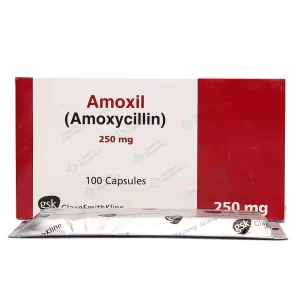
Amoxil
Price range: $ 40,00 through $ 170,00
Active substance: amoxicillin
More Details
This product has multiple variants. The options may be chosen on the product page
Azithromycin DT
Price range: $ 60,00 through $ 972,00
Active substance: Azithromycin
More Details
This product has multiple variants. The options may be chosen on the product page
Biaxin
Price range: $ 107,00 through $ 427,00
Active substance: Clarithromycin
More Details
This product has multiple variants. The options may be chosen on the product page
Cenmox
$ 51,00
Active substance: amoxicillin
More Details
This product has multiple variants. The options may be chosen on the product page
Cepmox
Price range: $ 41,00 through $ 115,00
Active substance: amoxicillin
More Details
This product has multiple variants. The options may be chosen on the product page
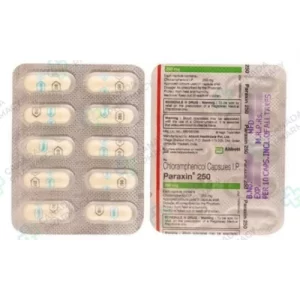
Chloromycetin
Price range: $ 52,00 through $ 242,00
Active substance: chloramphenicol
More Details
This product has multiple variants. The options may be chosen on the product page
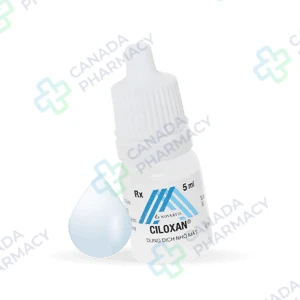
Ciloxan Ophthalmic Solution
Price range: $ 50,00 through $ 63,00
Active substance: Ciprofloxacin hydrochloride
More Details
This product has multiple variants. The options may be chosen on the product page

Cleocin
Price range: $ 91,00 through $ 361,00
Active substance: Clindamycin
More Details
This product has multiple variants. The options may be chosen on the product page