

-34%
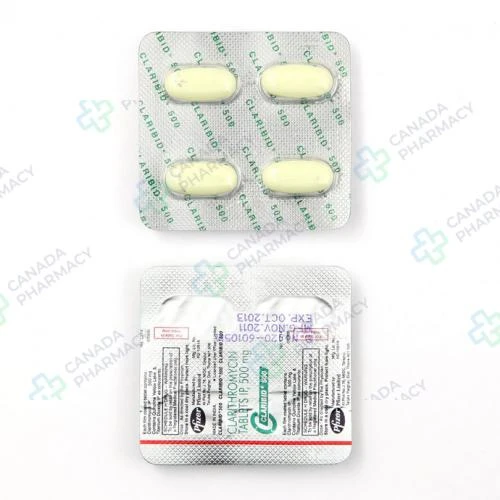
Biaxin
Price range: $ 107,00 through $ 427,00
Biaxin is a powerful macrolide antibiotic designed to treat a diverse range of bacterial infections. The medication works by preventing the growth and spread of bacteria, helping the body recover more quickly. It is widely used for managing respiratory tract issues such as acute bronchitis and community-acquired pneumonia. Furthermore, Biaxin effectively targets skin infections, strep throat, and sinus inflammation caused by susceptible bacteria. This versatile treatment is also a key component in therapeutic regimens to eradicate H. pylori and reduce the risk of duodenal ulcer recurrence.
Active substance: Clarithromycin
Delivery: 5–21 days (depending on the shipping method)
Extra 10% discount with coupon: IT4K6SVM
Each dosage option has its own packaging choices.
Description
Biaxin belongs to a group of antibacterial medicines known as macrolide antibiotics. It contains the active substance clarithromycin and is prescribed for the treatment of specific bacterial infections affecting the respiratory system, skin, and other organ systems. This medication is available by prescription only and must be used strictly under medical supervision in accordance with federal regulations.
| Active ingredient | Clarithromycin |
| Therapeutic class | Macrolide antibacterial agent |
| Dosage form | Oral tablet, extended-release tablet, oral suspension |
| Route of administration | Oral |
| Prescription status | Prescription only (Rx) |
| Primary purpose | Treatment of susceptible bacterial infections |
Clinical Profile and Therapeutic Indications
How the drug works
Biaxin exerts its antimicrobial action by inhibiting bacterial protein synthesis. It reversibly binds to the 50S ribosomal subunit of susceptible microorganisms, blocking the transpeptidation and translocation reactions required for peptide chain elongation. This mechanism halts the growth and replication of bacteria, allowing the host immune system to clear the infection. Clarithromycin exhibits activity against a broad spectrum of Gram-positive and Gram-negative aerobic and anaerobic bacteria, as well as atypical pathogens such as Mycoplasma pneumoniae and Chlamydia pneumoniae. In human tissue, it is metabolized into 14-hydroxyclarithromycin, an active metabolite that displays synergistic antimicrobial activity against certain pathogens, including Haemophilus influenzae.
Main uses
Biaxin is indicated for the treatment of mild to moderate infections caused by susceptible strains of designated microorganisms. Primary clinical indications include acute bacterial exacerbation of chronic bronchitis, community-acquired pneumonia, acute maxillary sinusitis, and pharyngitis or tonsillitis. Additionally, it is used for uncomplicated skin and skin structure infections, such as impetigo or folliculitis. The drug is also prescribed as part of combination therapy with proton pump inhibitors and other antibacterials to eradicate Helicobacter pylori in patients with duodenal ulcer disease. In immunocompromised individuals, it is indicated for the prevention and treatment of disseminated Mycobacterium avium complex (MAC) disease. Non-bacterial viral infections, such as the common cold, do not respond to Biaxin.
Dosing schedule
The dosage of Biaxin depends on the specific type and severity of the infection, patient age, and renal function. For most standard infections in adult patients, the standard regimen is 250 mg to 500 mg administered orally every 12 hours for 7 to 14 days. The extended-release formulation (Biaxin XL) is typically administered as two 500 mg tablets (total 1000 mg) taken once daily with food for 7 to 14 days. Dosing regimens for Helicobacter pylori eradication require specific combination schedules. In pediatric patients, dosing is calculated based on body weight (typically 15 mg/kg per day divided into two doses every 12 hours). Dosage adjustment is necessary for patients with severe renal impairment with a creatinine clearance less than 30 mL/min.
How it’s absorbed and eliminated
Following oral administration, clarithromycin is rapidly absorbed from the gastrointestinal tract. Absolute bioavailability is approximately 50% due to first-pass metabolism. Administration with food increases the rate of absorption and peak plasma concentrations, though immediate-release tablets can be taken with or without food. Peak serum concentrations are achieved within 2 to 3 hours after oral administration. The active metabolite, 14-hydroxyclarithromycin, reaches peak concentrations shortly thereafter. The elimination half-life of clarithromycin is dose-dependent, averaging 3 to 4 hours following a 250 mg dose every 12 hours, and extending to 5 to 7 hours with a 500 mg dose every 12 hours. Elimination occurs via hepatic metabolism involving cytochrome P450 enzymes (specifically CYP3A4) and renal excretion.
Safety Profile and Administration Guidelines
Adverse reactions
Treatment with Biaxin may produce gastrointestinal adverse effects, which represent the most frequently reported side effects. Common reactions include nausea, abdominal pain, diarrhea, vomiting, and dysgeusia (altered taste perception). Headache and transient elevations in liver enzymes may also occur. Less common but significant adverse reactions include pseudomembranous colitis caused by Clostridioides difficile overgrowth, severe hepatic dysfunction, QT interval prolongation, ventricular arrhythmias (including Torsades de Pointes), and hypersensitivity reactions such as anaphylaxis or severe cutaneous adverse reactions. Patients experiencing persistent diarrhea, yellowing of the skin or eyes, dark urine, or cardiac palpitations require immediate medical evaluation.
Compatibility with other medicines
Biaxin is a potent inhibitor of the hepatic enzyme CYP3A4 and P-glycoprotein transporters, creating potential for severe drug interactions. Concomitant administration with certain medications cleared by CYP3A4 can lead to elevated plasma concentrations of those agents, increasing the risk of toxicity. Co-administration with HMG-CoA reductase inhibitors primarily metabolized by CYP3A4 (such as simvastatin and lovastatin) is contraindicated due to an increased risk of myopathy and rhabdomyolysis. Concomitant use with colchicine in patients with renal or hepatic impairment, ergot alkaloids, cisapride, or pimozide is strictly contraindicated. Combined use with oral anticoagulants like warfarin requires monitoring of prothrombin time due to potential enhancement of anticoagulant effects.
Important precautions
Careful medical evaluation is required prior to initiating Biaxin. Prescribers assess cardiovascular risks because macrolide antibiotics have been associated with QT prolongation and cardiac arrhythmias. Caution is advised when prescribing to patients with pre-existing coronary artery disease, hypokalemia, hypomagnesemia, or bradycardia. Clarithromycin therapy may exacerbate symptoms in patients with myasthenia gravis. Discontinuation of therapy is warranted if signs of hepatitis, such as anorexia, jaundice, or dark urine, develop. Prescribing Biaxin in the absence of a proven or strongly suspected bacterial infection increases the risk of developing drug-resistant bacteria.
Pregnancy, breastfeeding, and other groups
Biaxin should not be used in pregnant women except in clinical circumstances where no alternative therapy is appropriate, as animal studies have demonstrated potential adverse outcomes on fetal development. Clarithromycin is excreted in human milk; caution is exercised when administering the drug to nursing mothers, weighing treatment benefits against potential exposure to the infant. In geriatric patients with severe renal dysfunction, dosage adjustments are required based on creatinine clearance. Pediatric safety and effectiveness have been established for specific indications in patients aged 6 months and older.
What to avoid while taking it
Regular Biaxin film-coated tablets and oral suspensions may be taken with or without food, whereas Biaxin XL extended-release tablets must be taken with food to ensure adequate systemic absorption. Patients should avoid grapefruit and grapefruit juice during treatment, as grapefruit can inhibit intestinal CYP3A4 enzymes and alter drug levels. Although alcohol does not directly interfere with the antibacterial action of clarithromycin, consuming alcohol during an active bacterial infection can exacerbate gastrointestinal side effects, cause dehydration, and impair immune recovery. Patients are advised to maintain adequate hydration with non-alcoholic beverages.
If you skip a dose
If a dose of Biaxin is missed, it should be taken as soon as it is remembered. However, if it is nearly time for the next scheduled dose, the missed dose should be skipped and the regular dosing schedule resumed. Patients must not double the dose to make up for a missed tablet, as taking excessive amounts increases the risk of gastrointestinal toxicity and adverse events. Completing the full course of prescribed antibiotic therapy is necessary even if symptoms resolve early, as premature discontinuation can lead to treatment failure and bacterial resistance.
Storage and expiration
Biaxin film-coated tablets and extended-release tablets should be stored at controlled room temperature between 20°C and 25°C (68°F to 77°F), protected from light and moisture in a tightly closed container. Reconstituted oral suspensions should be stored at room temperature between 15°C and 30°C (59°F to 86°F) and must not be refrigerated, as cooling can cause precipitation. Reconstituted suspension must be discarded after 14 days of preparation. All drug products should be kept out of the reach of children and disposed of properly according to local waste guidelines after the expiration date printed on the packaging.
Common questions
How long does it usually take for Biaxin to show results?
Clinical improvement in bacterial symptoms typically begins within 24 to 48 hours after starting Biaxin. However, the exact timeframe depends on the severity of the infection and individual patient factors. Even if symptomatic relief occurs early in the treatment course, patients must complete the full prescribed duration of therapy to ensure complete bacterial clearance and prevent relapse.
What should I do if I experience severe diarrhea during treatment?
Diarrhea is a common side effect, but severe, watery, or bloody stool may indicate Clostridioides difficile-associated diarrhea. This condition can occur during treatment or up to several months after completing antibiotic therapy. Patients experiencing severe abdominal cramping and persistent diarrhea should contact their healthcare provider immediately and avoid taking anti-diarrheal medications like loperamide without medical advice.
Can Biaxin be taken with daily statin medications?
Concomitant use of Biaxin with certain cholesterol-lowering statins, particularly simvastatin and lovastatin, is contraindicated. Clarithromycin inhibits CYP3A4 enzymes, which leads to significantly elevated statin concentrations in the blood and increases the risk of severe muscle damage (rhabdomyolysis). Patients taking statins must consult their prescriber, who may recommend temporarily holding statin therapy during the antibiotic course.
Is it normal to experience a metallic or altered taste while taking Biaxin?
Yes, dysgeusia, often described as a metallic or bitter taste, is a recognized side effect of clarithromycin. It occurs because the drug and its active metabolites are secreted in small amounts into saliva. This symptom is harmless and typically resolves once the antibiotic treatment course is completed.
Why must Biaxin XL tablets be taken specifically with food?
The extended-release formulation (Biaxin XL) relies on food to optimize its pharmacokinetic release profile and bioavailability. Taking Biaxin XL on an empty stomach significantly reduces systemic absorption, resulting in lower blood levels of the antibiotic that may compromise therapeutic effectiveness against bacterial pathogens.
Information on this page is for reference and does not replace an assessment by a licensed healthcare professional.
In accordance with FDA requirements.
Additional information
| Dosage |
250mg ,500mg |
|---|---|
| Package |
30 pills ,60 pills ,90 pills ,120 pills ,180 pills |
| Ενεργός Ουσία |
Related products
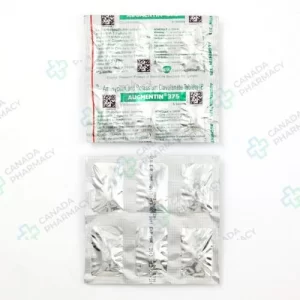
Augmentin
Price range: $ 56,00 through $ 678,00
Active substance: amoxicillin, clavulanate
More Details
This product has multiple variants. The options may be chosen on the product page
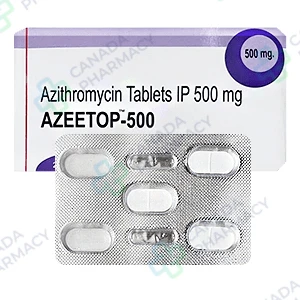
Azeetop
Price range: $ 40,00 through $ 250,00
Active substance: Azithromycin
More Details
This product has multiple variants. The options may be chosen on the product page
Azipro
Price range: $ 90,00 through $ 680,00
Active substance: Azithromycin
More Details
This product has multiple variants. The options may be chosen on the product page
Azithromycin DT
Price range: $ 60,00 through $ 972,00
Active substance: Azithromycin
More Details
This product has multiple variants. The options may be chosen on the product page
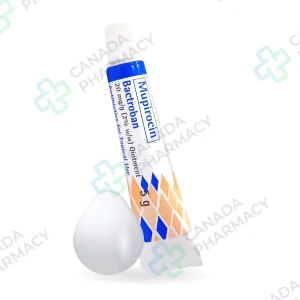
Bactroban Ointment 5g
Price range: $ 55,00 through $ 200,00
Active substance: Mupirocin
More Details
This product has multiple variants. The options may be chosen on the product page
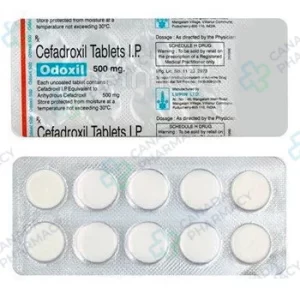
Cefadroxil
Price range: $ 41,00 through $ 349,00
Active substance: cefadroxil
More Details
This product has multiple variants. The options may be chosen on the product page
Cepmox
Price range: $ 41,00 through $ 115,00
Active substance: amoxicillin
More Details
This product has multiple variants. The options may be chosen on the product page
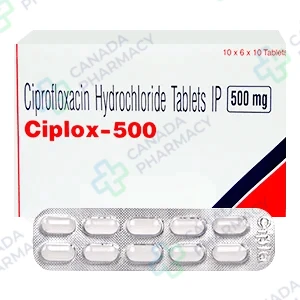
Ciplox
Price range: $ 49,00 through $ 434,00
Active substance: Ciprofloxacin
More Details
This product has multiple variants. The options may be chosen on the product page