

-20%
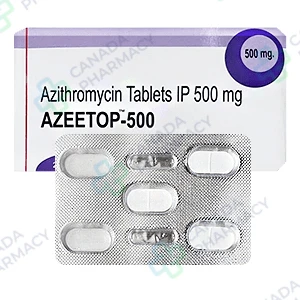
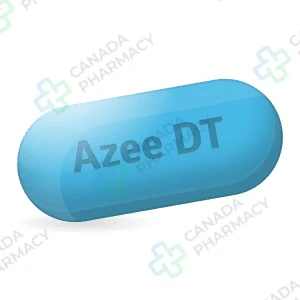
Azee DT
Price range: $ 20,00 through $ 42,00
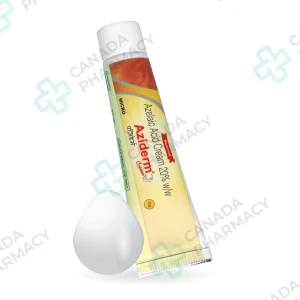
Aziderm Cream
Price range: $ 11,00 through $ 57,00
Azeetop
Price range: $ 40,00 through $ 250,00
Azeetop is a potent antibiotic containing Azithromycin, which belongs to the macrolide class of medications. It works by inhibiting the growth of bacteria, effectively stopping the spread of infection within the body. This medication is widely used to treat various bacterial infections, including respiratory tract issues like bronchitis and pneumonia. It is also highly effective against infections of the skin, ears, and throat, providing relief from painful symptoms. The convenient dosing schedule of Azeetop ensures a steady therapeutic effect, helping patients recover quickly and efficiently.
Active substance: Azithromycin
Delivery: 5–21 days (depending on the shipping method)
Extra 10% discount with coupon: IT4K6SVM
Each dosage option has its own packaging choices.
Description
Azeetop belongs to the macrolide class of antibacterial medications, specifically categorized within the azalide subclass. It contains azithromycin as its active pharmaceutical ingredient and is prescribed for treating specific susceptible bacterial infections in adult and pediatric populations.
This therapeutic agent requires a valid prescription from a licensed healthcare provider prior to dispensing in accordance with US federal and state regulations. Proper clinical evaluation is necessary to determine microbial susceptibility and appropriate dosing duration prior to initiating therapy.
| Active Ingredient | Azithromycin |
| Therapeutic Class | Macrolide Antibiotic (Azalide Subclass) |
| Dosage Form | Oral Tablet / Oral Suspension |
| Route of Administration | Oral |
| Prescription Status | Prescription Only (Rx) |
| Primary Purpose | Treatment of susceptible bacterial infections |
Main uses
Azeetop is indicated for the treatment of mild to moderate infections caused by susceptible strains of designated microorganisms. Approved clinical indications include community-acquired pneumonia caused by Streptococcus pneumoniae or Haemophilus influenzae, acute bacterial exacerbations of chronic obstructive pulmonary disease (COPD), and acute bacterial sinusitis.
Additionally, it is prescribed for pharyngitis or tonsillitis caused by Streptococcus pyogenes as an alternative in individuals who cannot tolerate first-line beta-lactam therapy. Skin and skin structure infections, such as uncomplicated folliculitis, cellulitis, or erysipelas due to Staphylococcus aureus or Streptococcus pyogenes, are also managed with this agent. In sexually transmitted disease management, it is indicated for non-gonococcal urethritis and cervicitis caused by Chlamydia trachomatis. Any use outside FDA-approved labeling, such as long-term anti-inflammatory maintenance in chronic respiratory conditions, is considered off-label and requires specialized clinical oversight.
How the drug works
The active constituent of Azeetop exerts its antimicrobial action by reversibly binding to the 50S ribosomal subunit of susceptible bacterial pathogens. This molecular interaction blocks transpeptidation and inhibits RNA-dependent protein synthesis, thereby halting bacterial cell growth and replication.
While primarily characterized as a bacteriostatic agent, it may exhibit bactericidal activity against select bacterial strains at higher concentrations or prolonged tissue exposure. The drug displays extensive tissue distribution, accumulating intracellularly within phagocytes, macrophages, and fibroblasts. During active infection, migrating phagocytes transport high drug concentrations directly to the sites of inflammation, resulting in tissue concentrations that significantly exceed corresponding serum levels.
Dosing schedule
The dosing regimen for Azeetop depends upon the underlying diagnosis, infection severity, patient age, and renal or hepatic function. Oral formulations are typically administered once daily as a single dose. Treatment durations vary significantly: standard respiratory tract infections often follow a 5-day regimen (consisting of an initial single loading dose followed by lower daily doses for four days) or a 3-day single-dose daily course.
For genital ulcer disease or urethritis caused by Chlamydia trachomatis, single-dose therapy is standard. Tablets may be taken with or without food. Patients must complete the full prescribed course even if clinical symptoms resolve early, as premature discontinuation can lead to therapeutic failure and foster bacterial resistance.
What happens in the body
Following oral administration, azithromycin is rapidly absorbed from the gastrointestinal tract, reaching peak plasma concentrations within 2.1 to 3.2 hours. Absolute bioavailability is approximately 37%. The drug is widely distributed throughout bodily tissues, exhibiting a steady-state volume of distribution of approximately 31 L/kg.
Plasma protein binding ranges from 7% to 50%, decreasing as serum concentration increases. The terminal elimination half-life is extensive, averaging approximately 68 hours due to extensive tissue uptake and slow subsequent release. Biliary excretion is the primary route of elimination for unchanged drug, with hepatic metabolism playing a minor role. Approximately 12% of an administered dose is excreted unchanged in urine within several days.
Compatibility with other medicines
Azeetop exhibits potential drug-drug interactions that require clinical monitoring. Co-administration with antacids containing aluminum hydroxide or magnesium hydroxide reduces peak serum drug concentrations; therefore, these antacids should not be ingested simultaneously. Co-administration with warfarin may prolong prothrombin time, necessitating routine monitoring of International Normalized Ratio (INR) levels.
Caution is warranted when combining this agent with medications known to prolong the QT interval, such as class IA (e.g., quinidine, procainamide) and class III (e.g., amiodarone, sotalol) antiarrhythmics, antipsychotics, or fluoroquinolones. Concomitant use with digoxin may lead to elevated serum digoxin concentrations, requiring clinical oversight and laboratory monitoring where necessary.
Adverse reactions
The safety profile of Azeetop is characterized primarily by mild to moderate gastrointestinal adverse events. The most frequently reported adverse reactions in clinical trials include diarrhea or loose stools, nausea, abdominal pain, vomiting, and dyspepsia. Dizziness, headache, and altered taste sensation may occur in a minority of patients.
Less common but significant adverse reactions include reversible elevations in liver enzymes, transient neutropenia, skin rash, pruritus, and vaginitis. Patients experiencing persistent gastrointestinal distress or severe abdominal cramping should consult their healthcare professional for clinical evaluation.
Important precautions
Serious warnings associated with Azeetop include cardiovascular risk related to QT interval prolongation, which can precipitate life-threatening arrhythmias such as Torsades de Pointes. Caution is advised in patients with known proarrhythmic conditions, uncorrected hypokalemia or hypomagnesemia, or clinically significant bradycardia. Hepatotoxicity, including liver dysfunction, hepatitis, and hepatic necrosis, has been reported.
Clostridioides difficile-associated diarrhea (CDAD) must be considered in all patients presenting with severe diarrhea following antibiotic use. In specific populations: dosage adjustments are generally not required for mild to moderate renal impairment, but caution is advised in severe renal impairment (GFR < 10 mL/min). Pregnancy Category B status indicates that animal reproduction studies have failed to demonstrate risk to the fetus, but adequate, well-controlled studies in pregnant women are lacking; clear clinical need must be established.
What to avoid while taking it
Azeetop tablets may be taken without regard to meals. However, taking the dose with food may help decrease potential gastrointestinal discomfort, such as mild nausea or stomach upset. Aluminum- or magnesium-containing antacids must not be taken concurrently, as they impair peak absorption; separate administration times by at least two hours.
While alcohol does not directly inhibit the metabolic breakdown of azithromycin, concurrent alcohol consumption can exacerbate gastrointestinal side effects and cause dehydration or dizziness. Limiting or avoiding alcohol during the treatment period is recommended to support recovery.
Red flags
Immediate medical evaluation is necessary if severe, life-threatening reactions develop during treatment. Patients must seek emergency care if they experience signs of anaphylaxis, including facial swelling, lip or tongue edema, chest tightness, or severe respiratory distress.
Emergency care is also required if severe cutaneous adverse reactions occur, such as progressive skin rash accompanied by blistering, mucosal erosions, or skin peeling. Signs of liver injury–including yellowing of the skin or eyes (jaundice), dark urine, or severe right upper quadrant abdominal pain–or cardiac symptoms such as palpitations, fainting, or irregular heart rhythms mandate immediate medical intervention.
If you skip a dose
If a dose of Azeetop is missed, it should be taken as soon as remembered on the same day. However, if it is almost time for the next scheduled dose, the missed dose should be omitted, and the regular dosing schedule resumed.
Patients should never double the dose to compensate for a missed administration. Taking extra medication can increase the risk of gastrointestinal toxicity and cardiac adverse effects. Maintaining a consistent daily administration time helps maintain therapeutic tissue concentrations.
Storage and expiration
Azeetop solid oral dosage forms should be stored at controlled room temperature between 20°C and 25°C (68°F to 77°F), with excursions permitted between 15°C and 30°C (59°F to 86°F). Protect the medication from excess moisture, heat, and direct light exposure.
Keep the product in its original packaging or a tightly closed container out of reach of children and pets. Do not use medication past the printed expiration date located on the blister pack or bottle label. Expired or unused antibiotics should be disposed of via drug take-back programs rather than flushed down household drains.
Common questions
How quickly does Azeetop begin working against an infection?
Tissue concentrations of the active ingredient build rapidly after the initial dose, with absorption beginning within hours. Although therapeutic tissue levels are achieved early, clinical improvement in symptoms usually becomes noticeable within 24 to 48 hours of starting treatment. Completing the full prescribed course remains essential even after symptoms improve.
Can Azeetop cause a cardiac arrhythmia?
In rare instances, this medication can prolong the QT interval, leading to cardiac rhythm disturbances such as Torsades de Pointes. This risk is elevated in individuals with pre-existing heart rhythm conditions, electrolyte imbalances, or those taking concurrent antiarrhythmic medications. Patients experiencing sudden dizziness, lightheadedness, or palpitations should contact a provider promptly.
Is it necessary to finish the entire prescription if symptoms disappear?
Yes, completing the prescribed course is mandatory even if feeling completely recovered. Prematurely stopping antibiotic therapy leaves surviving bacteria exposed to sub-therapeutic drug concentrations, increasing the risk of infection relapse and promoting bacterial resistance to macrolide antibiotics.
What should be done if vomiting occurs shortly after taking a dose?
If vomiting occurs within 15 to 30 minutes of taking an oral dose, drug absorption may be incomplete, and a replacement dose may be required under medical guidance. If vomiting happens several hours after administration, significant absorption has typically occurred, and patients should contact their prescriber before taking an extra dose.
Does Azeetop interact with oral contraceptive pills?
Current clinical evidence indicates that azithromycin does not directly alter the pharmacokinetics of oral estrogen-progestin contraceptives. However, if the medication causes severe vomiting or persistent diarrhea, gastrointestinal absorption of oral contraceptives may be reduced. Using an additional non-hormonal barrier method during acute gastrointestinal illness is advisable.
This text is for informational purposes only and does not constitute individual medical advice.
In accordance with FDA requirements.
Additional information
| Dosage |
500mg |
|---|---|
| Package |
15 pills ,21 pills ,30 pills ,60 pills ,90 pills |
| Ενεργός Ουσία |
Related products
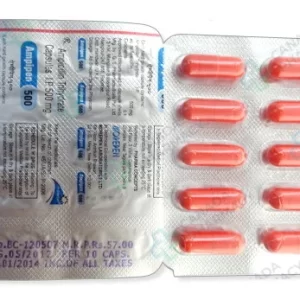
Ampicillin
Price range: $ 40,00 through $ 140,00
Active substance: acillin
More Details
This product has multiple variants. The options may be chosen on the product page
Azee
Price range: $ 30,00 through $ 150,00
Active substance: Azithromycin
More Details
This product has multiple variants. The options may be chosen on the product page
Azithromycin DT
Price range: $ 60,00 through $ 972,00
Active substance: Azithromycin
More Details
This product has multiple variants. The options may be chosen on the product page
Baycip
Price range: $ 42,00 through $ 113,00
Active substance: Ciprofloxacin
More Details
This product has multiple variants. The options may be chosen on the product page
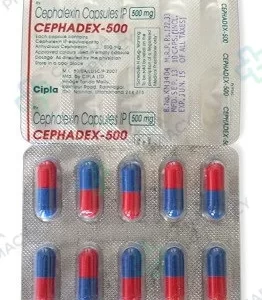
Cephalexin
Price range: $ 39,00 through $ 349,00
Active substance: cephalexin
More Details
This product has multiple variants. The options may be chosen on the product page
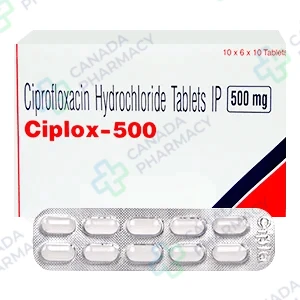
Ciplox
Price range: $ 49,00 through $ 434,00
Active substance: Ciprofloxacin
More Details
This product has multiple variants. The options may be chosen on the product page
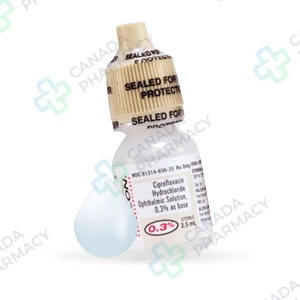
Ciprodex Ophthalmic Solution
Price range: $ 63,00 through $ 95,00
Active substance: Ciprofloxacin, Dexamethasone
More Details
This product has multiple variants. The options may be chosen on the product page

Cleocin
Price range: $ 91,00 through $ 361,00
Active substance: Clindamycin
More Details
This product has multiple variants. The options may be chosen on the product page