

-24%
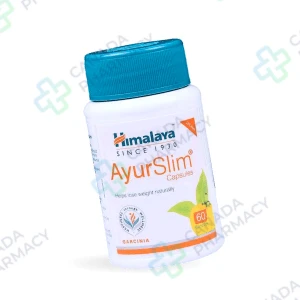
Ayurslim
Price range: $ 71,00 through $ 199,00
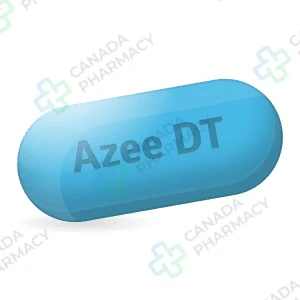
Azee DT
Price range: $ 20,00 through $ 42,00
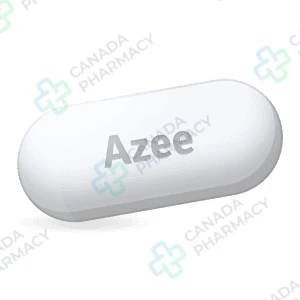
Azee
Price range: $ 30,00 through $ 150,00
Azee is a highly effective macrolide antibiotic designed to treat a wide range of bacterial infections. It works by inhibiting the growth of bacteria, allowing the body’s immune system to overcome the illness more efficiently. This medication is commonly used to address respiratory tract issues, including bronchitis, pneumonia, and sinus infections. Additionally, Azee is effective in treating skin infections and acute middle ear infections in both adults and children. Its long-lasting effect often allows for a shorter treatment course compared to other traditional antibiotics, ensuring a faster return to health.
Active substance: Azithromycin
Delivery: 5–21 days (depending on the shipping method)
Extra 10% discount with coupon: IT4K6SVM
Each dosage option has its own packaging choices.
Description
Azee belongs to a group of medicines called macrolide antibacterials, containing the active substance azithromycin. This prescription medication functions by inhibiting bacterial protein synthesis, effectively treating various susceptible Gram-positive and Gram-negative bacterial infections. In the United States, this medication is available by prescription only and must be dispensed in accordance with federal and state regulations.
Understanding the clinical characteristics, pharmacokinetic behavior, and proper administration guidelines of Azee is essential for achieving optimal therapeutic outcomes while mitigating potential risks. Patients should use this pharmaceutical product strictly under the supervision of a licensed healthcare provider.
Basic Drug Overview
| Attribute | Details |
|---|---|
| Active ingredient (INN) | Azithromycin |
| Therapeutic class | Macrolide antibacterial |
| Route of administration | Oral |
| Prescription status | Prescription (Rx) only |
| Primary purpose | Treatment of susceptible bacterial infections |
| Storage temperature | Store at 68°F to 77°F (20°C to 25°C) |
How the Drug Works
Azee exerts its antimicrobial effect by selectively binding to the 50S ribosomal subunit of susceptible microorganisms, thereby inhibiting transpeptidation and translocation during protein synthesis. This mechanism predominantly renders the medication bacteriostatic, preventing bacterial replication and allowing the host’s immune system to clear the pathogen. At higher local concentrations against specific organisms, bactericidal activity may be observed. A distinct property of the active ingredient is its extensive accumulation in tissue spaces and intracellular compartments, resulting in tissue concentrations significantly exceeding serum levels.
Main Uses
This antibacterial agent is indicated for the treatment of mild-to-moderate infections caused by susceptible strains of designated microorganisms. Approved clinical uses include acute bacterial exacerbations of chronic obstructive pulmonary disease, acute bacterial sinusitis, community-acquired pneumonia, pharyngitis or tonsillitis, and uncomplicated skin and skin structure infections. Additionally, it is prescribed for non-gonococcal urethritis and cervicitis caused by Chlamydia trachomatis, as well as genital ulcer disease in men caused by Haemophilus ducreyi. Off-label uses, such as long-term prophylaxis for recurrent pulmonary exacerbations or specific gastrointestinal infection protocols, require explicit prescriber authorization and specialized clinical monitoring.
Clinical and Pharmacological Profile
Primary Indications and Dosages
Dosing Schedule
Dosage regimens are determined individually based on the location and severity of the infection, patient weight, and renal or hepatic status. For typical respiratory tract or skin infections in adults, the standard regimen involves 500 mg administered as a single dose on the first day, followed by 250 mg once daily on days 2 through 5. Single-dose regimens (such as 1000 mg) are specified for certain sexually transmitted infections under clinical supervision. The total cumulative dose and duration must be adhered to strictly, even if clinical improvement occurs prior to completing the regimen.
What Happens in the Body
Following oral administration, azithromycin is rapidly absorbed from the gastrointestinal tract, achieving peak plasma concentrations within 2.1 to 3.2 hours. Absolute bioavailability is approximately 37%. The drug distributes extensively throughout body tissues–including lungs, tonsils, prostate, and skin–where tissue concentrations can be up to 50 times higher than concurrent plasma concentrations. It exhibits a terminal elimination half-life ranging from 68 to 72 hours, enabling once-daily dosing. The primary route of elimination is biliary excretion of unchanged drug, with minimal renal clearance.
Signs of Improvement
Patients typically begin to observe symptom relief within 24 to 48 hours following the initial dose. Key markers of therapeutic efficacy include body temperature normalization, reduced localized inflammation, decreased cough severity, and overall clinical stabilization. If symptoms fail to improve or worsen after three days of therapy, re-evaluation by the prescribing clinician is warranted to assess bacterial susceptibility or alternative diagnoses.
Safety Profile and Drug Interactions
Compatibility with Other Medicines
Concomitant use of Azee with other drugs requires careful evaluation. Co-administration with aluminum- or magnesium-containing antacids reduces peak serum concentrations and requires administration times to be separated by at least two hours. Concurrent use with oral anticoagulants like warfarin may enhance hypoprothrombinemic effects, necessitating prothrombin time monitoring. Avoid combining this agent with drugs known to prolong the QT interval (such as quinidine, procainamide, amiodarone, or sotalol) due to an increased risk of serious cardiac arrhythmias. Monitoring is also advised when co-administering with digoxin, cyclosporine, or nelfinavir.
What to Avoid While Taking It
While oral formulations may be taken with or without food, administration with meals may improve gastrointestinal tolerance if nausea occurs. Patients should avoid taking antacid formulations containing magnesium or aluminum concurrently. Although alcohol does not directly diminish the antibacterial activity of azithromycin, consuming alcoholic beverages during treatment can exacerbate gastrointestinal side effects, such as nausea or abdominal pain, and place added metabolic stress on the liver.
Adverse Reactions
Most reported side effects are mild to moderate in severity and primarily involve the digestive tract. Commonly observed adverse reactions include diarrhea, nausea, abdominal discomfort, vomiting, and flatulence. Less frequent side effects comprise dizziness, headache, taste perversion, and transient elevations in liver transaminases. Serious, albeit rare, adverse events include QT prolongation, torsades de pointes, acute cholestatic jaundice, severe cutaneous reactions (such as Stevens-Johnson syndrome), anaphylaxis, and Clostridioides difficile-associated diarrhea.
Special Considerations and Precautions
If You Skip a Dose
If a dose is missed, it should be taken as soon as remembered on the same day. However, if it is nearly time for the next scheduled dose, skip the missed dose and resume the prescribed schedule. Patients must not double the dose to make up for a missed administration, as this elevates the risk of gastrointestinal adverse effects.
Important Precautions
Caution is advised when prescribing Azee to individuals with existing hepatic dysfunction, as the primary elimination pathway is biliary. Patients with known cardiac conduction abnormalities, hypokalemia, or uncorrected hypomagnesemia face a heightened risk of QT prolongation. Exacerbation of myasthenia gravis symptoms has been reported in patients receiving macrolide therapy. For pregnant or nursing mothers, clinical evaluation is required; azithromycin is excreted in human milk, and risks versus benefits must be assessed by a physician.
Storage and Expiration
Store the medication at room temperature between 68°F and 77°F (20°C to 25°C), with permitted excursions from 59°F to 86°F (15°C to 30°C). Keep the container tightly closed and protected from excessive heat, moisture, and direct light. Do not store in humid environments such as bathrooms. Safely discard any unused or expired medication in accordance with local pharmaceutical disposal guidelines, keeping all medicines out of reach of children.
Frequently Asked Questions
What should be done if severe diarrhea develops during treatment?
If watery or bloody diarrhea occurs during or weeks after completing therapy, contact a healthcare professional promptly. This may indicate Clostridioides difficile-associated colitis, a condition requiring specific medical intervention rather than self-treatment with anti-diarrheal agents.
Can Azee affect the ability to drive or operate machinery?
Azee generally does not impair psychomotor performance. However, adverse reactions such as dizziness or somnolence may occur in certain individuals. Patients should observe their individual response before operating heavy machinery or driving.
How does liver function impairment alter the use of this antibiotic?
Because azithromycin is predominantly excreted via the liver and biliary system, cautious administration is necessary in patients with significant hepatic impairment. Regular liver function monitoring may be advised by the prescriber during extended therapy.
Why is the treatment duration with Azee often shorter than other antibiotics?
The prolonged terminal elimination half-life and extensive tissue penetration of azithromycin allow therapeutic drug levels to persist at infection sites for several days after the final dose is taken. Consequently, a 3-to-5-day course often provides therapeutic coverage equivalent to standard 7-to-10-day regimens of alternative agents.
In accordance with FDA requirements.
This text is for informational purposes only and does not constitute individual medical advice.
Additional information
| Dosage |
250 mg ,500 mg ,1000 mg |
|---|---|
| Package |
30 pills ,60 pills ,90 pills |
| Ενεργός Ουσία |
Related products
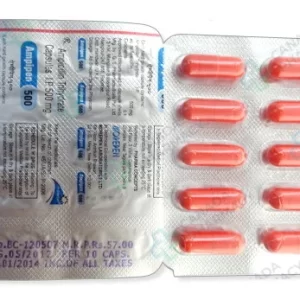
Ampicillin
Price range: $ 40,00 through $ 140,00
Active substance: acillin
More Details
This product has multiple variants. The options may be chosen on the product page
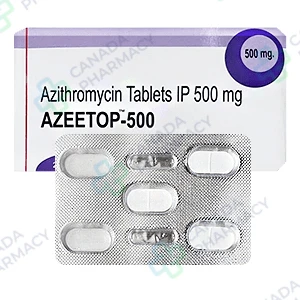
Azeetop
Price range: $ 40,00 through $ 250,00
Active substance: Azithromycin
More Details
This product has multiple variants. The options may be chosen on the product page
Azipro
Price range: $ 90,00 through $ 680,00
Active substance: Azithromycin
More Details
This product has multiple variants. The options may be chosen on the product page
Cefaclor
Price range: $ 68,00 through $ 3 600,00
Active substance: cefaclor monohydrate
More Details
This product has multiple variants. The options may be chosen on the product page
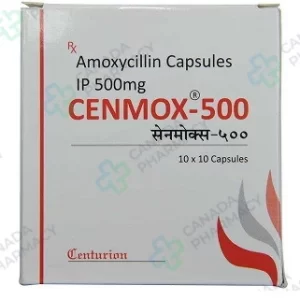
Cenmox
$ 51,00
Active substance: amoxicillin
More Details
This product has multiple variants. The options may be chosen on the product page
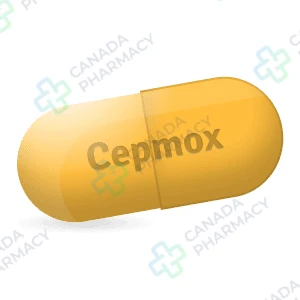
Cepmox
Price range: $ 41,00 through $ 115,00
Active substance: amoxicillin
More Details
This product has multiple variants. The options may be chosen on the product page
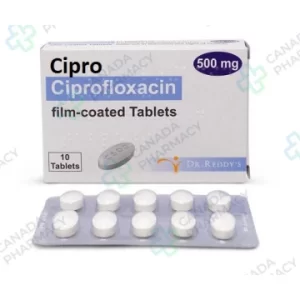
Cipro
Price range: $ 40,00 through $ 317,00
Active substance: Ciprofloxacin
More Details
This product has multiple variants. The options may be chosen on the product page
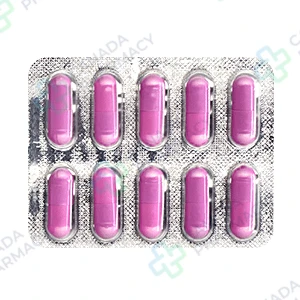
Clindamycin
Price range: $ 43,00 through $ 326,00
Active substance: clindamycin hydrochloride
More Details
This product has multiple variants. The options may be chosen on the product page