

-30%
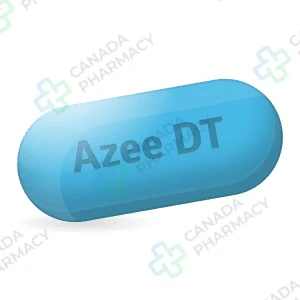
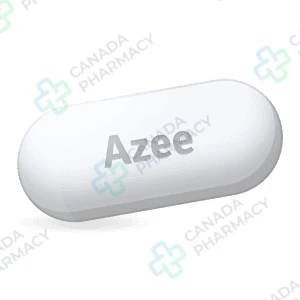
Azee
Price range: $ 30,00 through $ 150,00
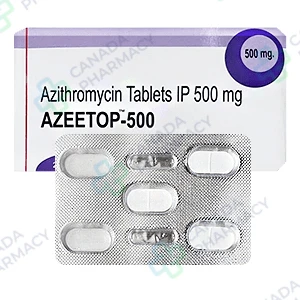
Azeetop
Price range: $ 40,00 through $ 250,00
Azee DT
Price range: $ 20,00 through $ 42,00
Azee DT is a potent macrolide antibiotic containing Azithromycin, designed to effectively combat a wide range of bacterial infections. This medication works by inhibiting the growth of bacteria, helping the body’s immune system eliminate the underlying cause of illness. It is commonly used to treat respiratory tract infections, such as bronchitis and pneumonia, as well as skin and soft tissue conditions. Additionally, Azee DT is effective against acute ear infections and certain uncomplicated sexually transmitted infections. The dispersible tablet format allows for easy administration, ensuring rapid absorption and convenient dosing.
Active substance: Azithromycin
Delivery: 5–21 days (depending on the shipping method)
Extra 10% discount with coupon: IT4K6SVM
Each dosage option has its own packaging choices.
Description
Azee DT belongs to the macrolide class of antibacterial medications, containing azithromycin as its active pharmaceutical ingredient. It is prescribed for the treatment of specific mild-to-moderate bacterial infections affecting the upper and lower respiratory tracts, skin structures, and sexually transmitted microbial pathogens.
This prescription medication requires precise administration in accordance with applicable federal and state regulations. The dispersible tablet formulation is engineered for oral administration after disintegration in liquid, facilitating accurate dosing for individuals who experience difficulty swallowing solid oral dosage forms.
| Active ingredient (INN) | Azithromycin |
| Dosage form | Dispersible tablet (DT) |
| Route of administration | Oral (after liquid dispersion) |
| Primary purpose | Treatment of susceptible bacterial infections |
| Prescription status | Prescription only (Rx) |
| Mechanism of action | Inhibition of bacterial 50S ribosomal protein synthesis |
Clinical Indications and Pharmacological Profile
Main uses
Azithromycin is indicated for the treatment of patients with mild-to-moderate infections caused by susceptible strains of designated microorganisms. Approved indications include acute bacterial exacerbations of chronic obstructive pulmonary disease (COPD), community-acquired pneumonia caused by Streptococcus pneumoniae or Haemophilus influenzae, acute bacterial sinusitis, and streptococcal pharyngitis or tonsillitis as an alternative in individuals unable to use first-line therapy. It is also utilized for uncomplicated skin and skin structure infections due to Staphylococcus aureus, Streptococcus pyogenes, or Streptococcus agalactiae, as well as non-gonococcal urethritis and cervicitis caused by Chlamydia trachomatis. Any administration for conditions outside official regulatory labels, such as long-term prophylaxis in non-cystic fibrosis bronchiectasis, represents off-label use and requires direct clinical supervision.
How the drug works
The mechanism of action relies on binding reversibly to the 50S ribosomal subunit of susceptible bacterial microorganisms. This binding interferes with microbial protein synthesis by inhibiting the transpeptidation and translocation steps of peptide chain elongation. Consequently, cellular growth and replication are halted. Although azithromycin primarily functions as a bacteriostatic agent, it exhibits bactericidal activity against select strains of Streptococcus pyogenes, Streptococcus pneumoniae, and Haemophilus influenzae when adequate tissue concentrations are achieved at the site of infection.
Dosing schedule
Administration of the dispersible formulation requires dissolving the tablet in a small volume of drinking water (approximately 5 to 10 mL) prior to ingestion. The mixture should be stirred thoroughly until the tablet completely disintegrates into a uniform suspension, which must be swallowed immediately. To ensure complete dose delivery, the container should be rinsed with an additional small volume of water and consumed right away. The specific dosage strength, frequency, and treatment duration are determined by the prescribing provider based on the type of infection, patient body weight, and clinical status. Dispersible tablets should not be swallowed whole or chewed.
How it’s absorbed and eliminated
Following oral administration, azithromycin is rapidly absorbed from the gastrointestinal tract and widely distributed throughout bodily tissues. Absolute oral bioavailability is approximately 37%. Tissue concentrations in lung parenchyma, tonsillar tissue, bronchial mucosa, and urogenital structures significantly exceed peak plasma concentrations, allowing therapeutic levels to persist at the infection site. The drug exhibits an extended terminal elimination half-life of approximately 68 hours due to extensive tissue uptake and subsequent slow release. Biliary excretion is the main route of elimination for unchanged drug, while renal clearance accounts for approximately 12% of the dose excreted unchanged in urine over 72 hours.
Safety Profile, Interactions, and Practical Handling
Adverse reactions
Clinical evaluation indicates that gastrointestinal events represent the most frequent side effects associated with azithromycin. Patients may experience mild-to-moderate diarrhea, nausea, abdominal pain, vomiting, or dyspepsia. Central nervous system symptoms such as headache, dizziness, or fatigue may occasionally occur. Transient elevations in hepatic transaminases have been reported. Severe adverse reactions, while rare, include serious allergic reactions (anaphylaxis, Stevens-Johnson syndrome, toxic epidermal necrolysis), drug-induced liver injury, Clostridioides difficile-associated diarrhea, and cardiac conduction abnormalities such as QTc prolongation and torsades de pointes.
Compatibility with other medicines
Co-administration of antacids containing aluminum hydroxide or magnesium hydroxide reduces the peak serum concentration of azithromycin by approximately 24%, although overall systemic exposure remains unchanged; therefore, antacids and dispersible tablets should not be taken simultaneously. Concomitant administration with oral anticoagulants like warfarin may enhance hypoprothrombinemic effects, necessitating periodic monitoring of the International Normalized Ratio (INR). Caution is required when combining azithromycin with drugs known to prolong the QT interval, including class IA and class III antiarrhythmics, pimozide, or fluoroquinolones. Monitoring is also recommended during co-administration with P-glycoprotein substrates such as digoxin due to potential elevations in serum digoxin levels.
Important precautions
This medication is contraindicated in individuals with a known hypersensitivity to azithromycin, erythromycin, any macrolide or ketolide antibacterial agent, or any inactive component of the formulation. Caution must be exercised in patients with underlying cardiac risk factors, including known QTc prolongation, uncorrected hypokalemia or hypomagnesemia, or clinically relevant bradycardia. Patients with severe hepatic dysfunction or severe renal impairment (creatinine clearance less than 10 mL/min) require careful risk-benefit assessment. Prescribers should monitor for exacerbation of symptoms in patients with myasthenia gravis, as macrolide antibiotics have been associated with worsening weakness.
What to avoid while taking it
Azee DT may be taken with or without food, though taking the dispersed suspension alongside a meal can help reduce potential stomach discomfort. Alcohol does not directly interfere with the chemical breakdown of azithromycin; however, consuming alcohol during active infection treatment can exacerbate gastrointestinal side effects like nausea and dizziness, while placing additional stress on liver function and delaying recovery.
If you skip a dose
If a dose is forgotten, it should be administered as soon as it is remembered on the same day. However, if it is nearly time for the next scheduled dose, the missed dose should be skipped entirely and the regular schedule resumed. Patients must never double the dose or take extra liquid to compensate for a missed tablet. Maintaining consistent concentration levels in the body is important for treatment efficacy and preventing resistance.
Special populations
In pregnant individuals, azithromycin is classified under legacy FDA Pregnancy Category B; clinical data have not shown a clear association with major birth defects, but administration should occur only when clearly needed under medical supervision. Azithromycin passes into human breast milk, requiring cautious monitoring of the nursing infant for signs such as diarrhea or oral candidiasis. Pediatric dosing must be precisely calculated based on body weight by a qualified provider. Elderly patients may demonstrate higher susceptibility to drug-induced QT prolongation.
Storage and expiration
Store the tablets at controlled room temperature between 20°C and 25°C (68°F to 77°F), with permitted excursions between 15°C and 30°C (59°F to 86°F). Keep the medication in its original packaging to protect it from moisture and direct light. The liquid dispersion must be consumed immediately after preparation; do not store the reconstituted liquid for future use. Keep out of reach of children and pets.
Common Questions
What should I do if the dispersed tablet is not taken immediately after mixing?
If the tablet has been dissolved in water but not consumed immediately, the suspension should be discarded and a new tablet prepared. The active ingredient can degrade or settle unevenly over time once exposed to liquid, which may result in inaccurate dosing. Always consume the dispersed mixture immediately after preparation.
Can Azee DT cause severe skin reactions?
Although uncommon, severe cutaneous adverse reactions such as Stevens-Johnson syndrome and toxic epidermal necrolysis have been reported with azithromycin. If you develop a progressive skin rash accompanied by blisters, mucosal lesions, or unexplained fever, discontinue the medication immediately and seek emergency medical care.
How long does azithromycin stay in the body after completing the course?
Due to its extensive tissue distribution and long elimination half-life of approximately 68 hours, azithromycin remains in tissue sites and plasma for several days after the final dose. It can take up to 10 to 15 days for the drug to be substantially cleared from the body.
Is it safe to drive after taking Azee DT?
Azithromycin generally does not impair alertness or motor skills. However, side effects such as dizziness or fatigue may occur in some individuals. You should observe how your body reacts to the medication before driving, operating heavy machinery, or performing tasks requiring full mental alertness.
What signs indicate that the bacterial infection is resolving?
Signs of improvement typically include a reduction in fever, decreasing severity of pain or cough, and an overall improvement in energy levels within 48 to 72 hours of starting treatment. If symptoms fail to improve or worsen after three days, contact your healthcare provider for evaluation.
This text is for informational purposes only and does not constitute individual medical advice. In accordance with FDA requirements.
Additional information
| Dosage |
100 mg |
|---|---|
| Package |
30 pills ,60 pills ,90 pills |
| Ενεργός Ουσία |
Related products
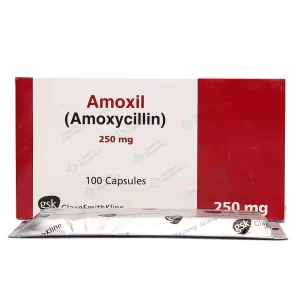
Amoxil
Price range: $ 40,00 through $ 170,00
Active substance: amoxicillin
More Details
This product has multiple variants. The options may be chosen on the product page
Azeetop
Price range: $ 40,00 through $ 250,00
Active substance: Azithromycin
More Details
This product has multiple variants. The options may be chosen on the product page
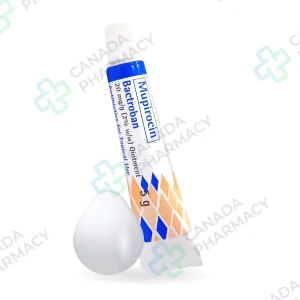
Bactroban Ointment 5g
Price range: $ 55,00 through $ 200,00
Active substance: Mupirocin
More Details
This product has multiple variants. The options may be chosen on the product page
Baycip
Price range: $ 42,00 through $ 113,00
Active substance: Ciprofloxacin
More Details
This product has multiple variants. The options may be chosen on the product page
Cefixime
Price range: $ 101,00 through $ 509,00
Active substance: cefixime
More Details
This product has multiple variants. The options may be chosen on the product page
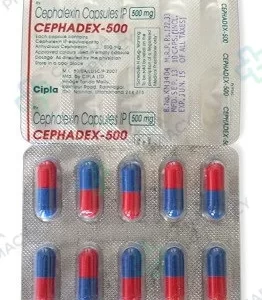
Cephalexin
Price range: $ 39,00 through $ 349,00
Active substance: cephalexin
More Details
This product has multiple variants. The options may be chosen on the product page
Cepmox
Price range: $ 41,00 through $ 115,00
Active substance: amoxicillin
More Details
This product has multiple variants. The options may be chosen on the product page
Cipro
Price range: $ 40,00 through $ 317,00
Active substance: Ciprofloxacin
More Details
This product has multiple variants. The options may be chosen on the product page