

-88%
Amitriptyline
Price range: $ 41,00 through $ 114,00
Ampicillin
Price range: $ 40,00 through $ 140,00
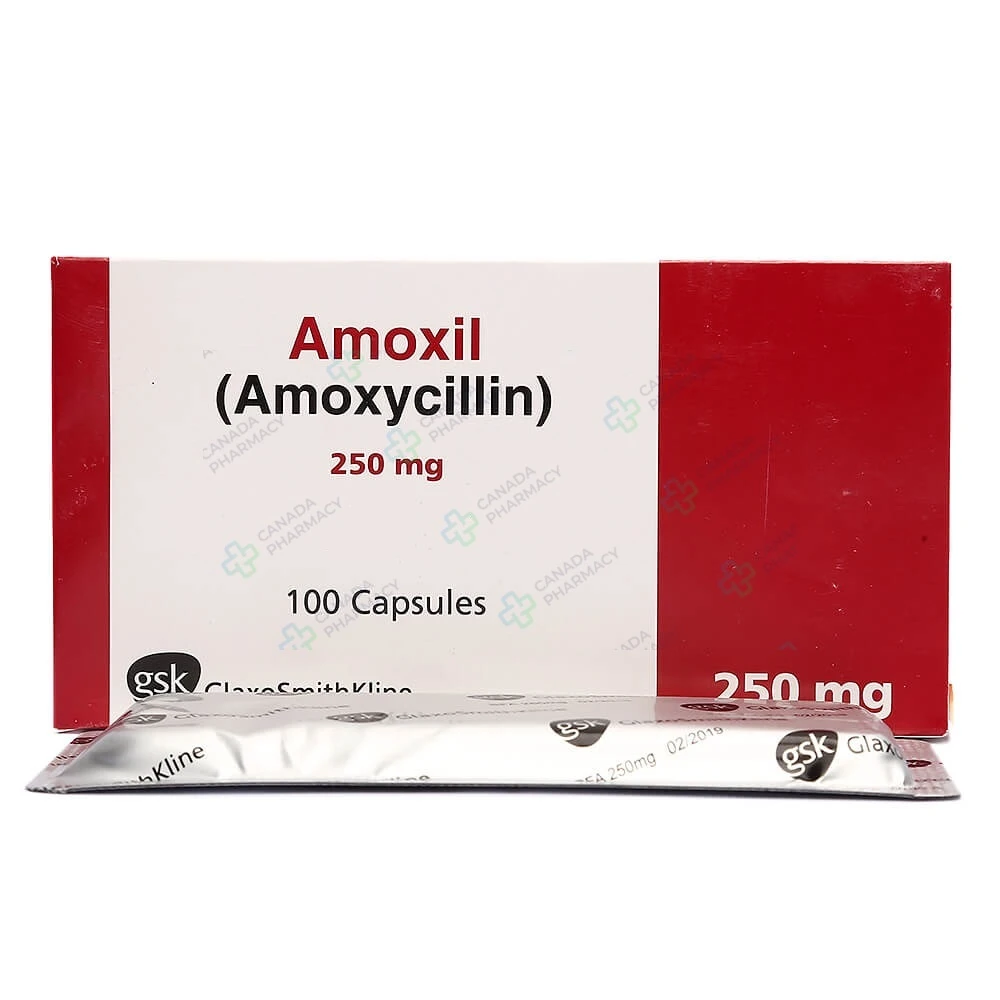
Amoxil
Price range: $ 40,00 through $ 170,00
Amoxil is a versatile penicillin-type antibiotic used to treat a wide range of bacterial infections. It works effectively by stopping the growth of bacteria that cause illness in various parts of the body. This medication is commonly indicated for respiratory tract infections, including pneumonia, bronchitis, and tonsillitis. It is also frequently utilized to resolve ear, nose, and throat infections, as well as certain skin and urinary tract conditions. Amoxil remains a trusted therapeutic option for patients seeking a reliable solution to common bacterial ailments.
Active substance: amoxicillin
Delivery: 5–21 days (depending on the shipping method)
Extra 10% discount with coupon: IT4K6SVM
Each dosage option has its own packaging choices.
Description
Amoxil belongs to a class of medications known as aminopenicillin antibiotics, derived from the core penicillin structure. It is an FDA-approved prescription drug indicated for the treatment of susceptible bacterial infections affecting the respiratory tract, urinary tract, skin, and ear, nose, and throat structures.
Because Amoxil targets bacterial pathogens specifically, it is ineffective against viral illnesses such as the common cold or influenza. Proper selection of dosage and duration depends on the anatomical site of infection, pathogen susceptibility, and individual patient risk factors as determined by a licensed healthcare provider.
Basic Information
| Parameter | Details |
|---|---|
| Active ingredient | Amoxicillin |
| Therapeutic class | Penicillin-class antibacterial |
| Dosage form | Oral capsules, tablets, chewable tablets, oral suspension |
| Route of administration | Oral |
| Primary purpose | Treatment of susceptible bacterial infections |
| Prescription status | Prescription only (Rx) |
How the drug works
Amoxicillin exerts bactericidal activity by inhibiting the biosynthesis of bacterial cell wall peptidoglycan. During active bacterial multiplication, peptidoglycan cross-linking is essential for osmotic stability. Amoxicillin binds to specific penicillin-binding proteins (PBPs) located inside the bacterial cell wall, which inhibits the final transpeptidation step of peptidoglycan synthesis. This enzymatic inhibition weakens the structural integrity of the cell wall, leading to cell lysis and bacterial death. Amoxicillin is active against select Gram-positive and Gram-negative organisms; however, it is susceptible to degradation by beta-lactamase enzymes produced by resistant bacterial strains.
Main uses
Amoxil is indicated for the treatment of infections caused by susceptible isolates of designated microorganisms. Common FDA-approved indications include acute otitis media, lower respiratory tract infections (such as community-acquired pneumonia), streptococcal pharyngitis and tonsillitis, uncomplicated skin and skin structure infections, and acute bacterial sinusitis. Additionally, Amoxil is used in combination regimens with other agents, such as proton pump inhibitors and clarithromycin, for the eradication of Helicobacter pylori to reduce the risk of duodenal ulcer recurrence. Off-label use for specific unapproved indications must be evaluated by a healthcare professional based on clinical guidelines and sensitivity testing.
Dosing schedule
The dosage of Amoxil is individualized based on the infection site, severity, patient age, body weight in pediatric patients, and underlying renal function. For adults and pediatric patients weighing more than 40 kg, typical oral dosages range from 250 mg to 500 mg every 8 hours, or 500 mg to 875 mg every 12 hours, depending on the indication. Pediatric dosing is generally calculated on a milligram-per-kilogram body weight basis (mg/kg/day) divided into two or three equal doses. Capsules and tablets should be swallowed whole with water, while oral suspension formulations must be shaken thoroughly before administration. Treatment duration varies, but patients should complete the full prescribed course even if symptoms resolve early.
How it’s absorbed and eliminated
Amoxicillin exhibits stable oral absorption and is resistant to gastric acid inactivation. Systemic bioavailability following oral administration is high, with peak plasma concentrations typically reached within 1 to 2 hours post-dose. The presence of food in the gastrointestinal tract does not significantly impair overall systemic absorption. Amoxicillin diffuses readily into most body tissues and fluids, including middle ear fluid, bronchial secretions, and peritoneal fluid, though penetration into non-inflamed meninges remains minimal. Approximately 20% of circulating amoxicillin is bound to plasma proteins. The elimination half-life in individuals with normal renal clearance is approximately 1 hour. Elimination occurs primarily through renal excretion via glomerular filtration and tubular secretion, with 50% to 70% of an oral dose recovered unchanged in urine within 6 hours.
Compatibility with other medicines
Concomitant administration of Amoxil with other pharmacologic agents may alter therapeutic responses or increase adverse event risks. Probenecid decreases the renal tubular secretion of amoxicillin, resulting in elevated and prolonged serum levels. Simultaneous use of bacteriostatic antibiotics, such as tetracyclines or erythromycin, may interfere with the bactericidal activity of amoxicillin. Allopurinol co-administration increases the incidence of cutaneous rashes compared to amoxicillin monotherapy. Amoxicillin may alter intestinal microflora, potentially decreasing the reabsorption of oral estrogen-containing contraceptives, which may lower contraceptive efficacy. Periodic monitoring of international normalized ratio (INR) is recommended when co-administered with oral anticoagulants like warfarin.
Adverse reactions
Amoxil is generally tolerated, but adverse effects may occur across various organ systems. The most frequent clinical side effects include gastrointestinal disturbances such as nausea, vomiting, diarrhea, and abdominal discomfort. Cutaneous reactions, including maculopapular rash and urticaria, are reported occasionally. Mild elevation of serum hepatic enzymes may occur transiently. Serious adverse reactions, though less common, include severe hypersensitivity reactions (anaphylaxis), Clostridioides difficile-associated diarrhea (CDAD), severe cutaneous adverse reactions such as Stevens-Johnson syndrome, and hematologic alterations including anemia, thrombocytopenia, and leukopenia. Patients experiencing persistent or severe symptoms should consult their healthcare provider.
Important precautions
Serious and occasionally fatal hypersensitivity (anaphylactic) reactions have been reported in patients receiving beta-lactam antibacterial therapy. Prior to initiating Amoxil, inquiry should be made regarding previous hypersensitivity reactions to penicillins, cephalosporins, or other allergens. Prescribing Amoxil in the absence of a proven or strongly suspected bacterial infection is unlikely to provide patient benefit and increases the risk of drug-resistant bacteria development. Patients with infectious mononucleosis who receive amoxicillin frequently develop an erythematous skin rash; therefore, usage should be avoided in this population. Long-term use requires monitoring of renal, hepatic, and hematopoietic function.
What to avoid while taking it
Amoxil oral formulations may be taken with or without food, as gastrointestinal absorption remains effective under either condition. Taking the medication with meals or a light snack may assist in minimizing common gastrointestinal side effects such as stomach upset or nausea. While alcohol does not directly interact with amoxicillin to produce a dangerous metabolic reaction, alcohol consumption can dehydrate the body, disrupt sleep patterns, and impair immune function, potentially delaying recovery from infection. Patients are advised to limit or avoid alcohol during antibiotic treatment.
If you skip a dose
If a scheduled dose of Amoxil is missed, it should be taken as soon as remembered. However, if it is almost time for the next scheduled dose, the missed dose should be omitted, and the regular dosing schedule resumed. Patients must not double the dose to compensate for a missed administration. Maintaining consistent drug levels in the bloodstream is critical for optimal antimicrobial efficacy; therefore, establishing a daily routine or using reminders is recommended.
Storage and expiration
Solid oral dosage forms, such as Amoxil tablets and capsules, should be stored at controlled room temperature between 68°F and 77°F (20°C to 25°C), away from excess moisture, heat, and direct light. Reconstituted oral suspensions should ideally be kept refrigerated between 36°F and 46°F (2°C to 8°C) to maintain stability, although room temperature storage up to 14 days is acceptable for certain formulations per product labeling. Any unused liquid portion must be discarded after 14 days. All medications must be kept out of reach of children and pets.
Pregnancy, breastfeeding, and other groups
Amoxicillin is classified under FDA pregnancy risk parameters as widely used during pregnancy without evidence of direct teratogenic risk; however, it should be prescribed only when clearly needed. Amoxicillin is excreted in human milk in small concentrations, which may cause sensitization or alterations in neonatal intestinal flora. Caution is advised when administering to nursing mothers. In pediatric populations, dosing must be carefully calculated based on weight and renal maturity. Elderly patients, who are more likely to have decreased renal function, require selection of dosage based on creatinine clearance evaluation.
Common questions
What should I do if I develop diarrhea while taking Amoxil?
Mild diarrhea is a common adverse effect associated with antibiotic use due to alterations in normal intestinal flora. However, if diarrhea becomes watery, severe, persistent, or is accompanied by stomach cramps and fever, it may indicate Clostridioides difficile infection. Patients should contact a physician promptly and refrain from taking anti-diarrheal medications without medical advice.
Can Amoxil be used to treat a viral cold or sinus infection?
Amoxil is strictly an antibacterial agent and is completely ineffective against viruses, including those responsible for the common cold, flu, or viral sinusitis. Using antibiotics for viral illnesses contributes to the development of drug-resistant bacteria. A healthcare professional must confirm a bacterial etiology before prescribing this drug.
How should liquid Amoxil oral suspension be prepared and administered?
Reconstituted oral suspension must be shaken thoroughly prior to measuring each dose to ensure uniform drug distribution. Dosage measurement should always be performed using a calibrated oral syringe or dosing cup rather than a household spoon. The liquid may be administered directly or mixed with cold liquids, milk, or fruit juice immediately before consumption.
Is it safe to stop taking Amoxil once my symptoms improve?
Stopping antibiotic therapy prematurely can allow surviving bacteria to multiply, leading to infection relapse and increased risk of antimicrobial resistance. The prescribed treatment course should be completed entirely unless explicitly directed by a healthcare provider due to an adverse event.
What signs indicate an allergic reaction to Amoxil?
Symptoms of a mild allergic reaction include skin itching, hives, or a generalized rash. Severe hypersensitivity (anaphylaxis) presents with swelling of the face, lips, tongue, or throat, difficulty breathing, and dizziness. Immediate emergency medical intervention is required if signs of a severe allergic reaction occur.
In accordance with FDA requirements.
This text is for informational purposes only and does not constitute individual medical advice.
Additional information
| Dosage |
250mg ,500mg |
|---|---|
| Package |
10 pills ,20 pills ,30 pills ,60 pills ,90 pills ,120 pills ,180 pills ,240 pills ,270 pills ,360 pills |
| Ενεργός Ουσία |
Related products

Azee
Price range: $ 30,00 through $ 150,00
Active substance: Azithromycin
More Details
This product has multiple variants. The options may be chosen on the product page
Bactrim
Price range: $ 41,00 through $ 196,00
Active substance: sulfamethoxazole, trimethoprim
More Details
This product has multiple variants. The options may be chosen on the product page
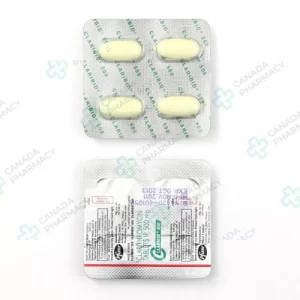
Biaxin
Price range: $ 107,00 through $ 427,00
Active substance: Clarithromycin
More Details
This product has multiple variants. The options may be chosen on the product page
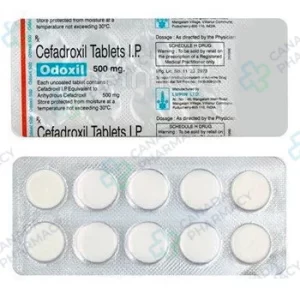
Cefadroxil
Price range: $ 41,00 through $ 349,00
Active substance: cefadroxil
More Details
This product has multiple variants. The options may be chosen on the product page
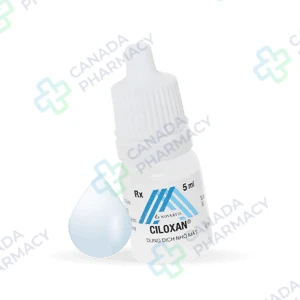
Ciloxan Ophthalmic Solution
Price range: $ 50,00 through $ 63,00
Active substance: Ciprofloxacin hydrochloride
More Details
This product has multiple variants. The options may be chosen on the product page
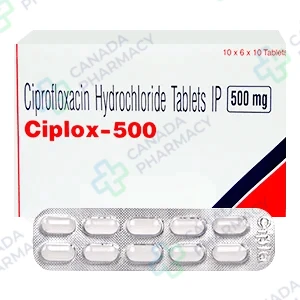
Ciplox
Price range: $ 49,00 through $ 434,00
Active substance: Ciprofloxacin
More Details
This product has multiple variants. The options may be chosen on the product page
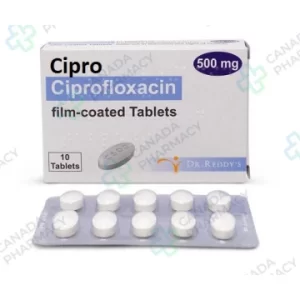
Cipro
Price range: $ 40,00 through $ 317,00
Active substance: Ciprofloxacin
More Details
This product has multiple variants. The options may be chosen on the product page
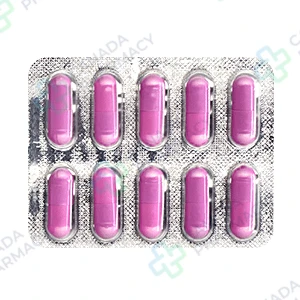
Clindamycin
Price range: $ 43,00 through $ 326,00
Active substance: clindamycin hydrochloride
More Details
This product has multiple variants. The options may be chosen on the product page