

-30%
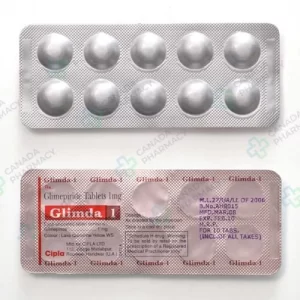
Amaryl
Price range: $ 39,00 through $ 424,00
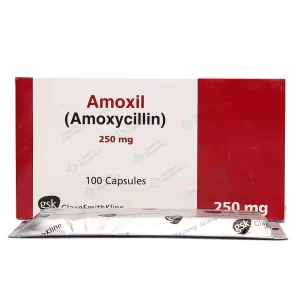
Amoxil
Price range: $ 40,00 through $ 170,00
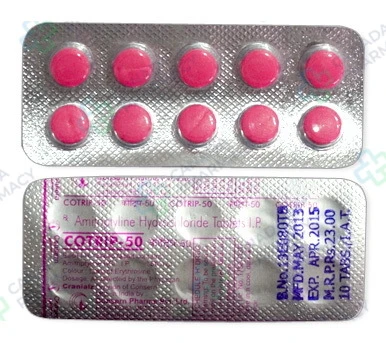
Amitriptyline
Price range: $ 41,00 through $ 114,00
Amitriptyline is a highly effective tricyclic antidepressant primarily used to treat major depressive disorder. It works by restoring the balance of certain natural chemicals in the brain to help improve mood and emotional well-being. This medication is also widely recognized for its efficacy in preventing chronic tension-type headaches and migraine attacks. In addition to its mood-stabilizing properties, it can help relieve symptoms of neuropathic pain and promote better sleep quality. This reliable treatment provides a comprehensive approach to managing complex emotional and neurological conditions.
Active substance: amitriptyline
Delivery: 5–21 days (depending on the shipping method)
Extra 10% discount with coupon: IT4K6SVM
Each dosage option has its own packaging choices.
Description
Amitriptyline should only be administered under the strict supervision of a licensed healthcare provider due to its complex pharmacological activity and potential adverse risks. It is a prescription medication belonging to the tricyclic antidepressant (TCA) class, approved by the U.S. Food and Drug Administration (FDA) for the treatment of major depressive disorder in adults.
Because of its broad receptor binding profile, healthcare providers may also prescribe amitriptyline off-label for conditions such as chronic neuropathic pain or migraine prevention. Patients must adhere strictly to prescribed dosing protocols to avoid serious cardiac, central nervous system, and anticholinergic side effects.
| Basic Information | |
|---|---|
| Drug Name | Amitriptyline Hydrochloride |
| Active Ingredient | Amitriptyline hydrochloride |
| Therapeutic Class | Tricyclic Antidepressants (AHFS 12:16.04) |
| Dosage Form | Oral tablet |
| Route of Administration | Oral |
| Primary Purpose | Major Depressive Disorder (FDA-approved) |
| Prescription Status | Prescription (Rx) only |
Safety Profile and Immediate Red Flags
| Emergency Symptom | Potential Underlying Risk |
|---|---|
| Swelling of the face, lips, tongue, or throat | Severe allergic reaction / Anaphylaxis |
| Chest pain, rapid or irregular heartbeat, palpitations | Cardiac arrhythmia or QT interval prolongation |
| Severe agitation, hallucinations, acute confusion, high fever | Serotonin syndrome or neuroleptic malignant-like syndrome |
| Seizures or sudden loss of consciousness | Central nervous system toxicity |
| Inability to pass urine or acute lower abdominal pain | Severe urinary retention / Anticholinergic crisis |
| Sudden severe eye pain, blurred vision, halo vision | Acute angle-closure glaucoma |
When to Get Emergency Care
Red Flags: Immediate emergency medical intervention is required if you experience any sign of a severe life-threatening reaction. Amitriptyline can cause serious cardiovascular complications, including cardiac arrhythmias, sinus tachycardia, and prolongation of conduction time. If chest discomfort, palpitations, severe dizziness, or fainting occurs, call 911 or visit the nearest emergency department immediately. For instance, clinical protocols in hospital networks such as those in Chicago emphasize emergency electrocardiogram (ECG) monitoring if a patient exhibits sudden cardiac symptoms while taking tricyclic agents.
Toxic states can also manifest as Serotonin Syndrome–especially when combined with other serotonergic medications. Symptoms such as hyperthermia, muscular rigidity, sudden confusion, extreme restlessness, and tremors require urgent emergency room evaluation. Severe anticholinergic toxicity can lead to acute urinary retention or an abrupt spike in intraocular pressure (angle-closure glaucoma), both of which require immediate medical care.
Black Box Warning and Important Precautions
FDA Boxed Warning: Antidepressants, including amitriptyline, increase the risk of suicidal thoughts and behaviors in children, adolescents, and young adults (up to age 24) during initial treatment and dose adjustments. Patients of all ages initiated on therapy must be closely monitored for clinical worsening, sudden changes in behavior, or emerging suicidality. Amitriptyline is not approved by the FDA for pediatric patients with depression.
Contraindications and High-Risk Conditions: Never initiate amitriptyline concurrently with a Monoamine Oxidase Inhibitor (MAOI) or within 14 days of discontinuing an MAOI, as hyperpyretic crises, severe convulsions, and death may occur. Amitriptyline is strictly contraindicated during the acute recovery phase following a myocardial infarction. Patients with a history of cardiovascular disease, seizures, narrow-angle glaucoma, urinary retention, or hyperthyroidism require extreme caution and extensive pre-treatment screening.
Pharmacological Information and Daily Management
How the Drug Works and Metabolism
How the Drug Works: Amitriptyline exerts its primary antidepressant effect by inhibiting the membrane reuptake pump mechanism responsible for the presynaptic reuptake of norepinephrine and serotonin (5-HT) in the central nervous system. By blocking reuptake, it increases the concentration of these monoamine neurotransmitters in the synaptic cleft, altering central receptor sensitivity over time.
In addition to its monoaminergic effects, amitriptyline exhibits strong affinity for central and peripheral muscarinic acetylcholine receptors, histamine H1 receptors, and alpha-1 adrenergic receptors. Its anticholinergic action accounts for frequent side effects like dry mouth and constipation, while histamine H1 antagonism drives its potent sedating properties. Alpha-1 adrenergic blockade contributes to orthostatic hypotension.
What Happens in the Body (Pharmacokinetics): Following oral administration, amitriptyline is rapidly and completely absorbed from the gastrointestinal tract. However, it undergoes significant hepatic first-pass metabolism. The active substance is demethylated in the liver via cytochrome P450 enzymes–primarily CYP2D6, CYP2C19, and CYP3A4–into its primary active metabolite, nortriptyline, which also possesses antidepressant activity.
Peak plasma concentrations of amitriptyline typically occur within 2 to 12 hours after an oral dose. The plasma elimination half-life of amitriptyline displays substantial inter-individual variation, generally ranging from 10 to 50 hours. Both amitriptyline and nortriptyline are extensively bound to plasma proteins (approximately 95%). Elimination occurs primarily through the kidneys as conjugated metabolites, with a minor fraction excreted in the feces.
Dosing, Interactions, and Daily Guidelines
Main Uses: The sole FDA-approved indication for amitriptyline is the treatment of Major Depressive Disorder (MDD) in adults. Clinical practice must distinguish between FDA-approved uses and off-label applications.
Healthcare providers may prescribe amitriptyline off-label for several chronic conditions. These non-FDA-approved off-label indications include postherpetic neuralgia, diabetic peripheral neuropathy, tension headache and migraine prophylaxis, fibromyalgia, and chronic insomnia. Any off-label use must be specifically directed and managed by a qualified prescriber.
Dosing Schedule: Dosing must always be individualized by the prescribing clinician based on clinical response and tolerability. Treatment typically begins at a low daily dose (often 25 mg to 50 mg at bedtime for depression in outpatient settings) to minimize sedation and anticholinergic effects, followed by gradual upward titration. The maximum recommended adult outpatient dose is generally 150 mg per day, though hospitalized patients under close supervision may receive higher doses.
Due to its sedating nature, the total daily dose is frequently taken as a single administration at bedtime. Medication must be taken consistently as directed. Sudden discontinuation is dangerous; abrupt cessation can produce withdrawal symptoms, including nausea, headache, malaise, sleep disturbance, and cholinergic rebound. Tapering under medical supervision is mandatory when discontinuing therapy.
What Not to Combine (Drug Interactions): Co-administration with drugs that inhibit CYP2D6 (such as fluoxetine, paroxetine, quinidine, or cimetidine) significantly increases amitriptyline plasma levels, raising the risk of toxicity. Combining amitriptyline with other serotonergic drugs–including SSRIs, SNRIs, triptans, tramadol, or St. John’s Wort–substantially elevates the risk of life-threatening Serotonin Syndrome.
Central nervous system depressants, including sedatives, hypnotics, opioids, and anesthetics, exert additive sedative effects when taken with amitriptyline. Anticholinergic drugs (e.g., benztropine, oxybutynin) taken concurrently can precipitate severe paralytic ileus, hyperpyrexia, or acute urinary retention. Sympathomimetic agents (such as epinephrine added to local anesthetics) can trigger severe cardiovascular reactions when combined with TCAs.
What to Avoid While Taking It (Food and Alcohol): Patients taking amitriptyline must strictly avoid alcohol. Alcohol potentiates the central nervous system depressant effects of amitriptyline, resulting in severe drowsiness, impaired motor coordination, respiratory depression, and an increased risk of accidental injury or overdose.
Food does not significantly alter the overall bio-availability of oral amitriptyline tablets. However, taking the dose shortly before bedtime with a small meal or snack may help reduce gastrointestinal upset while taking advantage of the drug’s sedating properties during sleep hours. Avoid excessive consumption of grapefruit juice if advised by your physician, as it may interfere with CYP3A4-mediated drug clearance.
Adverse Reactions (Side Effects): Common anticholinergic side effects include dry mouth, blurred vision, accommodation disturbances, constipation, and urinary hesitancy. Central nervous system adverse reactions frequently involve somnolence, fatigue, dizziness, confusion, tremor, and headache.
Cardiovascular side effects include orthostatic hypotension (a sudden drop in blood pressure upon standing), tachycardia, and palpitations. Endocrine and metabolic effects may present as weight gain, altered blood glucose levels, and sexual dysfunction (including reduced libido or erectile dysfunction). Long-term use requires periodic clinical re-evaluation.
Special Populations:
- Elderly Patients: The elderly are particularly sensitive to anticholinergic, sedative, and cardiovascular side effects. Lower starting doses are required, and titration must proceed cautiously to avoid delirium, severe confusion, and falls.
- Pregnancy and Breastfeeding: Amitriptyline crosses the placenta. Adverse effects (including withdrawal symptoms and respiratory depression) have been reported in neonates whose mothers took TCAs during pregnancy. Amitriptyline passes into human breast milk; a decision must be made to discontinue nursing or discontinue the drug, considering the importance of the drug to the mother.
- Pediatric Patients: Safety and effectiveness in pediatric populations for depression have not been established by the FDA.
If You Skip a Dose: If you miss a dose, take it as soon as you remember, provided it is not close to the time for your next scheduled dose. If you take your complete daily dose at bedtime and forget it overnight, do not take a double dose in the morning, as this can cause severe daytime drowsiness and impairment. Skip the missed dose and resume your regular bedtime schedule. Never double up on tablets to make up for a missed dose.
Common Questions
How long does it take for amitriptyline to show therapeutic benefits?
While sedative effects may occur shortly after starting treatment, the full antidepressant effect of amitriptyline usually requires several weeks of continuous daily use. Initial therapeutic improvements in mood or sleep patterns may be noticed within 1 to 2 weeks, but peak clinical efficacy for major depressive disorder typically develops after 4 to 6 weeks. It is critical not to stop taking the medication early simply because immediate mood elevation is not experienced.
Why must amitriptyline be tapered off slowly rather than stopped suddenly?
Abruptly stopping amitriptyline after prolonged use can trigger a withdrawal syndrome driven by cholinergic rebound and central nervous system instability. Symptoms of sudden discontinuation include severe nausea, vomiting, headache, dizziness, insomnia, irritability, and excessive sweating. To prevent these uncomfortable and potentially severe reactions, your prescribing clinician will design a gradual dosage reduction schedule tailored to your specific therapy duration.
Is it safe to drive or operate heavy machinery while using this medication?
No, you should avoid driving, operating dangerous machinery, or participating in hazardous activities until you know precisely how amitriptyline affects your alertness and motor skills. Amitriptyline commonly causes somnolence, blurred vision, and impaired cognitive reflexes, particularly during the first few weeks of therapy or following a dose increase. Combining the drug with alcohol or other sedatives severely amplifies these risks.
What should I do if I experience persistent dry mouth or severe constipation?
Dry mouth and constipation are classic anticholinergic side effects of tricyclic antidepressants. Frequent sips of water, chewing sugarless gum, or using artificial saliva products can help alleviate dry mouth symptoms. To manage mild constipation, increase dietary fiber intake and maintain adequate hydration, provided your doctor has not restricted your fluid intake. If constipation becomes severe or is accompanied by severe abdominal pain, contact your physician promptly to rule out intestinal obstruction.
Can amitriptyline be safely taken alongside over-the-counter pain relievers or cold medications?
Caution is necessary when combining amitriptyline with any over-the-counter (OTC) medication. Many OTC cold, allergy, and sleep aids contain antihistamines or decongestants that possess anticholinergic or sympathomimetic properties, which can exacerbate dry mouth, urinary retention, drowsiness, or elevated heart rate. Furthermore, OTC pain relievers containing caffeine or alcohol-based liquid preparations can interact negatively. Always consult your pharmacist or doctor before taking any new OTC drug with amitriptyline.
In accordance with FDA requirements.
This text is for informational purposes only and does not constitute individual medical advice.
Additional information
| Dosage |
50mg |
|---|---|
| Package |
90 pills ,120 pills ,180 pills ,270 pills ,360 pills |
| Ενεργός Ουσία |
Related products
Anafranil
Price range: $ 41,00 through $ 457,00
Active substance: Clomipramine
More Details
This product has multiple variants. The options may be chosen on the product page

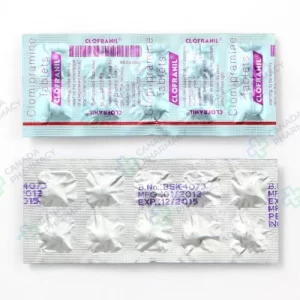
Clofranil
Price range: $ 47,00 through $ 318,00
Active substance: Clomipramine
More Details
This product has multiple variants. The options may be chosen on the product page

Elavil
Price range: $ 39,00 through $ 222,00
Active substance: amitriptyline
More Details
This product has multiple variants. The options may be chosen on the product page

Flunil
Price range: $ 21,00 through $ 138,00
Active substance: Fluoxetine
More Details
This product has multiple variants. The options may be chosen on the product page
Lithium
Price range: $ 16,00 through $ 139,00
Active substance: Lithium
More Details
This product has multiple variants. The options may be chosen on the product page
Pamelor
Price range: $ 54,00 through $ 185,00
Active substance: Nortriptyline
More Details
This product has multiple variants. The options may be chosen on the product page

Paxil
Price range: $ 34,00 through $ 445,00
Active substance: paroxetine
More Details
This product has multiple variants. The options may be chosen on the product page
Pexep
Price range: $ 42,00 through $ 162,00
Active substance: paroxetine
More Details
This product has multiple variants. The options may be chosen on the product page