

-61%
Lisinopril
Price range: $ 44,00 through $ 248,00
Liv.52
Price range: $ 55,00 through $ 118,00
Lithium
Price range: $ 16,00 through $ 139,00
Lithium is a mood stabilizer primarily indicated for the treatment and management of manic episodes associated with bipolar disorder. The medication works by balancing specific neurotransmitters in the brain to help normalize mood and behavior. It is highly effective in reducing the intensity of symptoms like extreme irritability, hyperactivity, and racing thoughts during manic phases. Beyond treating acute symptoms, it is used for maintenance therapy to decrease the frequency and severity of future emotional shifts. By providing long-term stabilization, Lithium helps individuals maintain a more balanced and steady psychological state.
Active substance: Lithium
Delivery: 5–21 days (depending on the shipping method)
Extra 10% discount with coupon: IT4K6SVM
Each dosage option has its own packaging choices.
Description
Lithium belongs to a group of psychiatric medications known as mood stabilizers, prescribed under strict medical supervision in the United States. It is primary FDA-approved for the treatment of manic episodes and maintenance therapy in bipolar I disorder in adults and pediatric patients aged 7 years and older. Due to its narrow therapeutic window, clinical management requires routine monitoring of serum concentrations and renal function.
As a prescription-only therapy, lithium is available in oral formulations, including immediate-release capsules, extended-release tablets, and oral solution (as lithium citrate). Safe administration depends on individualized dosage titration based on therapeutic drug monitoring, clinical response, and patient tolerability.
| Property | Details |
|---|---|
| Active ingredient | Lithium carbonate / Lithium citrate |
| Primary purpose | Treatment and maintenance of bipolar I disorder |
| Prescription status | Prescription (Rx) |
| Route of administration | Oral |
| Dosing | Individualized based on serum concentration monitoring |
| Storage | Controlled room temperature 20°C to 25°C (68°F to 77°F) |
Clinical Overview and Dosing Guidance
Main uses
Lithium is approved by the U.S. Food and Drug Administration (FDA) for the management of acute manic and mixed episodes associated with bipolar I disorder, as well as for long-term maintenance therapy to reduce the frequency and severity of future manic episodes. Beyond its FDA-approved indications, clinicians may prescribe lithium off-label as an adjunctive treatment for treatment-resistant major depressive disorder, recurrent unipolar depression, or cluster headache. Any off-label usage is determined solely by a licensed healthcare provider after weighing prospective benefits against clinical risks.
How the drug works
Although the exact biological mechanisms remain incompletely understood, lithium is believed to exert its neuroprotective and mood-stabilizing effects by modulating intracellular signaling pathways. It influences monovalent and divalent cation transport in nerve and muscle cells, alters neurotransmitter synthesis and release (including serotonin, dopamine, and glutamate), and inhibits enzymes such as glycogen synthase kinase-3 beta (GSK-3β) and inositol monophosphatase. These actions collectively promote neuronal plasticity and help regulate circadian rhythm disrupted in mood disorders.
Dosing schedule
Dosing for lithium must be individualized based on clinical status and therapeutic blood levels. For acute manic episodes in adults, initial daily doses typically range from 900 mg to 1800 mg given in divided doses, targeting a target serum lithium concentration between 0.8 and 1.2 mEq/L. For maintenance therapy, daily doses usually range from 900 mg to 1200 mg, aiming for target serum levels of 0.6 to 1.0 mEq/L. Blood samples for trough level monitoring should be drawn approximately 12 hours after the previous dose. Extended-release formulations should be swallowed whole without chewing or crushing.
How it’s absorbed and eliminated
Lithium is rapidly and almost completely absorbed from the gastrointestinal tract after oral administration. Peak serum levels occur within 0.5 to 3 hours for immediate-release formulations and 4 to 12 hours for extended-release preparations. Lithium does not bind to plasma proteins and distributes evenly across body water. The drug is not metabolized in the liver; it is eliminated almost entirely unchanged by the kidneys through glomerular filtration. The elimination half-life averages approximately 18 to 24 hours in adults with normal renal function, but can extend significantly in elderly patients or individuals with renal impairment.
Signs of improvement: Evaluating the therapeutic response to lithium requires patience, as full clinical stabilization may take several weeks to materialize. Early signs of improvement during an acute manic episode may include decreased agitation, reduced sleep disruption, less rapid speech, and improved impulse control within 7 to 14 days of achieving target serum concentrations. For maintenance treatment, the primary indicator of effectiveness is a measurable reduction in the frequency, duration, or severity of bipolar mood swings over months of consistent therapy.
Precautions and Safety Monitoring
Compatibility with other medicines: Lithium has significant clinical interactions with various drug classes that alter renal clearance or sodium balance. Concurrent use with nonsteroidal anti-inflammatory drugs (NSAIDs) such as ibuprofen, naproxen, or celecoxib can decrease renal lithium clearance, leading to elevated blood levels and increased risk of toxicity. Diuretics, particularly thiazide diuretics, reduce renal lithium excretion and markedly elevate serum concentrations. Angiotensin-converting enzyme (ACE) inhibitors, angiotensin II receptor blockers (ARBs), and metronidazole can similarly increase lithium levels. Conversely, sodium bicarbonate, aminophylline, and acetazolamide may accelerate lithium excretion, lowering its therapeutic efficacy.
What to avoid while taking it: Dietary sodium intake directly influences renal handling of lithium. Consuming a low-sodium diet or sudden reductions in salt intake can cause the kidneys to retain lithium, increasing serum levels toward toxic ranges. Conversely, excessive sodium intake can lower lithium levels and diminish therapeutic effectiveness. Patients must maintain a stable, normal intake of dietary sodium and fluids. Alcohol consumption should be strictly avoided or minimized, as alcohol can exacerbate central nervous system side effects such as drowsiness, dizziness, and impaired motor coordination, while contributing to dehydration.
Adverse reactions: Common side effects experienced during initial lithium therapy include fine hand tremors, mild thirst, polyuria (increased urination), nausea, mild diarrhea, fatigue, and muscle weakness. Many early symptoms subside over time as the body adapts to medication. However, persistent side effects may include weight gain, benign leukocytosis, mild cognitive slowing, and dermatological conditions such as acne or psoriasis exacerbation. Prolonged lithium use requires monitoring for potential long-term adverse events, including thyroid dysfunction (hypothyroidism or goiter) and chronic kidney disease or nephrogenic diabetes insipidus.
Red flags: Recognizing the early signs of lithium toxicity is critical because of the narrow margin between therapeutic and toxic serum levels. Toxic manifestations typically arise when blood levels exceed 1.5 mEq/L. Patients and caregivers should recognize key red flags:
- Persistent severe nausea, vomiting, or severe diarrhea
- Coarse hand tremors, muscle twitching, or ataxia (unsteadiness)
- Slurred speech, confusion, lethargy, or severe drowsiness
- Tinnitus, blurred vision, or muscle hyperirritability
- Seizures, cardiac dysrhythmias, or loss of consciousness
Important precautions: Lithium therapy requires comprehensive clinical monitoring, including baseline and periodic evaluations of renal function (serum creatinine, blood urea nitrogen), thyroid function tests, complete blood count, and serum electrolytes. Lithium carries a risk for renal impairment, including impaired tubular concentrating ability. In pregnancy, lithium is classified as having potential fetal risk, notably cardiovascular malformations such as Ebstein’s anomaly when administered during the first trimester; benefit-risk ratio must be evaluated carefully by the prescriber. Lithium is excreted in human milk, and breastfeeding is generally not recommended during treatment. Geriatric patients often exhibit decreased renal clearance and increased sensitivity to neurotoxicity, necessitating lower dosages and frequent laboratory checks.
Storage and expiration: Lithium capsules, tablets, and oral solutions should be stored at controlled room temperature between 20°C and 25°C (68°F to 77°F), with permitted excursions between 15°C and 30°C (59°F to 86°F). Keep containers tightly closed to protect the medication from light and moisture. Avoid storing in humid environments such as bathrooms. Unused or expired medication should be disposed of safely according to local waste management procedures or community pharmacy take-back programs rather than flushed down the toilet.
Common questions
How often are blood tests required when taking lithium?
During initial dose titration or after dosage adjustments, serum lithium levels are typically checked every 1 to 2 weeks until stabilized. Once stable target levels and clinical response are achieved, routine blood monitoring is usually performed every 3 to 6 months, alongside periodic kidney and thyroid function tests.
What happens if I miss a scheduled dose of lithium?
If a dose is missed, take it as soon as remembered unless it is close to the time for the next scheduled dose. In that case, skip the missed dose and resume the regular dosing schedule. Never double the dose to compensate for a missed one, as this increases the risk of elevated blood levels and toxicity.
Can lithium cause weight gain?
Weight gain is a recognized potential side effect of long-term lithium therapy. It may result from metabolic changes, fluid retention, or increased caloric intake associated with increased thirst. Regular physical activity, a balanced diet, and monitoring thyroid function can help manage weight changes.
Is it safe to take over-the-counter pain relievers like ibuprofen with lithium?
Over-the-counter NSAIDs, including ibuprofen and naproxen, should generally be avoided unless specifically approved by your prescriber. These drugs can decrease kidney clearance of lithium, leading to higher serum concentration and toxicity. Acetaminophen is usually preferred for mild pain relief in patients taking lithium.
Can lithium treatment be stopped abruptly?
Discontinuing lithium suddenly significantly increases the risk of immediate relapse of manic or depressive episodes. Discontinuation should always occur gradually under direct medical supervision to allow safe dosage tapering while monitoring for recurrent symptoms.
This content is informational and does not replace a consultation with your doctor or pharmacist.
In accordance with FDA requirements.
Additional information
| Dosage |
150 mg ,300mg |
|---|---|
| Package |
30 caps ,90 pills ,90 caps ,180 pills ,180 caps ,270 pills ,360 pills |
| Ενεργός Ουσία |
Related products
Abilify
Price range: $ 45,00 through $ 413,00
Active substance: Aripiprazole
More Details
This product has multiple variants. The options may be chosen on the product page
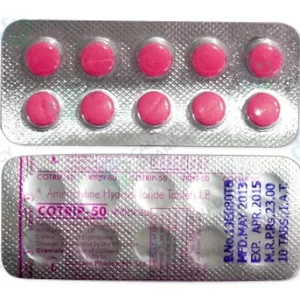
Amitriptyline
Price range: $ 41,00 through $ 114,00
Active substance: amitriptyline
More Details
This product has multiple variants. The options may be chosen on the product page
Bupron SR
Price range: $ 50,00 through $ 510,00
Active substance: Bupropion
More Details
This product has multiple variants. The options may be chosen on the product page
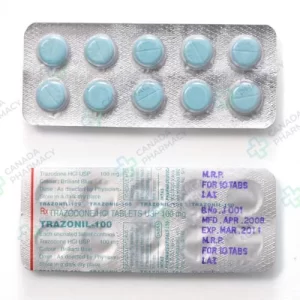
Desyrel
Price range: $ 41,00 through $ 206,00
Active substance: Trazodone
More Details
This product has multiple variants. The options may be chosen on the product page
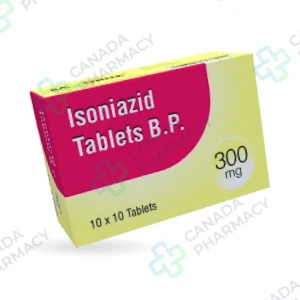
Isoniazid
Price range: $ 45,00 through $ 444,00
Active substance: Isoniazid
More Details
This product has multiple variants. The options may be chosen on the product page
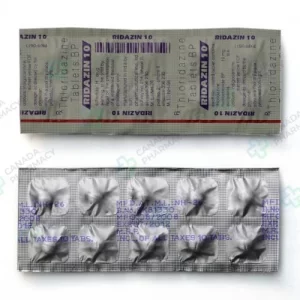
Mellaril
Price range: $ 40,00 through $ 427,00
Active substance: Thioridazine
More Details
This product has multiple variants. The options may be chosen on the product page
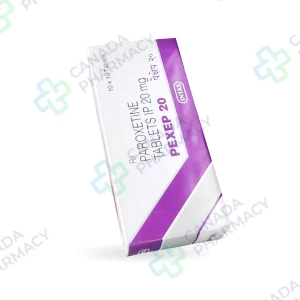
Pexep
Price range: $ 42,00 through $ 162,00
Active substance: paroxetine
More Details
This product has multiple variants. The options may be chosen on the product page
Prothiaden
Price range: $ 32,00 through $ 131,00
Active substance: Dosulepin
More Details
This product has multiple variants. The options may be chosen on the product page