

-24%
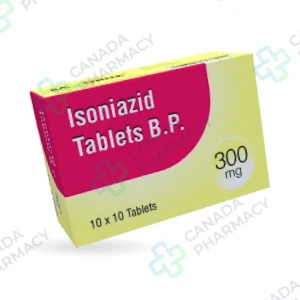
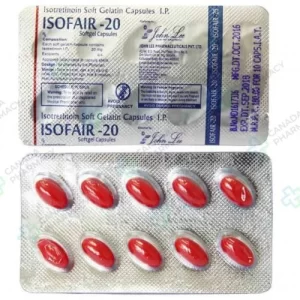
Isofair
Price range: $ 50,00 through $ 486,00

Isoptin
Price range: $ 35,00 through $ 338,00
Isoniazid
Price range: $ 45,00 through $ 444,00
Isoniazid is a highly effective antibacterial medication specifically designed to treat and prevent infections caused by Mycobacterium tuberculosis. This medication acts by interfering with the development of the bacterial cell wall, effectively halting the growth of the pathogen. It is a cornerstone treatment for active tuberculosis cases when used in combination with other therapeutic agents. Additionally, Isoniazid is widely utilized for the prevention of tuberculosis in individuals who have been exposed to the bacteria but do not yet show symptoms. This potent antibiotic remains a primary choice for managing bacterial infections associated with the respiratory system and other organs.
Active substance: Isoniazid
Delivery: 5–21 days (depending on the shipping method)
Extra 10% discount with coupon: IT4K6SVM
Each dosage option has its own packaging choices.
Description
Isoniazid belongs to a group of medicines called antimycobacterial agents. It is a prescription medication primarily indicated for the treatment and prevention of tuberculosis infections caused by Mycobacterium tuberculosis, dispensed in accordance with applicable federal and state regulations.
Warning: Because isoniazid carries a significant risk of severe and potentially fatal liver toxicity, it must be used strictly under medical supervision. Regular clinical evaluations and laboratory monitoring of liver function are essential safety components for anyone receiving this drug.
Clinical Profile and Safety Warnings
What it’s used for
Isoniazid is indicated for the treatment of active tuberculosis disease in combination with other effective antitubercular agents. Co-administration with other medications is mandatory when treating active disease to prevent the emergence of drug-resistant bacterial strains. In addition, isoniazid is prescribed as monotherapy for latent tuberculosis infection (LTBI) in individuals with positive diagnostic tests who do not have active clinical disease. Treating latent infection prevents conversion to active, infectious tuberculosis, which is a major objective in clinical public health management. The decision to initiate treatment for latent infection depends on individual risk factors, age, and exposure history as evaluated by a licensed prescriber.
How the drug works
Isoniazid works by inhibiting the synthesis of mycolic acids, which are essential structural components of the mycobacterial cell wall. By disrupting cell wall integrity, the drug exerts a bactericidal effect against actively dividing intracellular and extracellular strains of Mycobacterium tuberculosis. It also demonstrates bacteriostatic activity against resting or dormant mycobacteria. Because its biochemical target is unique to mycobacteria, isoniazid does not display broad-spectrum antimicrobial activity against typical Gram-positive or Gram-negative bacteria. This selective mechanism helps minimize disruption to unrelated normal human bacterial flora.
How it’s absorbed and eliminated
Following oral administration, isoniazid is rapidly absorbed from the gastrointestinal tract, reaching peak concentration in the blood within 1 to 2 hours. Taking the medication with high-fat meals can decrease absorption and lower overall drug levels. The drug distributes widely into body fluids and tissues, including cerebrospinal, pleural, and caseous tubercular lesions. Metabolism occurs primarily in the liver through N-acetylation by the enzyme N-acetyltransferase 2 (NAT2). The rate of acetylation is genetically determined, dividing individuals into fast or slow acetylator categories. Elimination occurs predominantly through the kidneys, with most of the administered dose excreted in urine within 24 hours as active drug and inactive metabolites.
Important precautions and Red flags
Warning: Severe and sometimes fatal hepatitis is associated with isoniazid therapy. The risk of hepatotoxicity increases markedly with advancing age, daily alcohol consumption, pre-existing liver disease, and during the immediate postpartum period. Baseline liver function tests are recommended prior to starting treatment, followed by monthly laboratory monitoring and clinical evaluations. Patients must be instructed to discontinue the drug immediately and contact their physician if symptoms of hepatic injury occur. Furthermore, isoniazid interferes with pyridoxine (vitamin B6) metabolism, which can lead to peripheral neuropathy. Individuals with diabetes, alcoholism, malnutrition, or HIV infection have a higher risk of nerve damage and usually require pyridoxine supplementation.
Red flags: When to seek emergency care
Certain adverse reactions require immediate medical evaluation. If you observe any of the severe signs listed below, stop taking isoniazid and contact emergency healthcare services right away.
| Warning Sign / Red Flag | Possible Clinical Indication |
|---|---|
| Swelling of the face, lips, throat, or tongue; difficulty breathing | Severe acute allergic reaction (anaphylaxis) |
| Yellowing of the skin or eyes (jaundice), dark brown urine, pale stools | Drug-induced liver injury or hepatitis |
| Persistent severe nausea, vomiting, loss of appetite, or right upper abdominal pain | Hepatic toxicity / early liver failure |
| Severe numbness, burning pain, or tingling in hands and feet | Progressive neurotoxicity / peripheral neuropathy |
| Unusual bleeding, unexpected bruising, or pinpoint red spots on skin | Hematologic toxicity (thrombocytopenia or blood dyscrasia) |
Adverse reactions
Common side effects of isoniazid include mild gastrointestinal distress, such as nausea, vomiting, and epigastric discomfort. Neurological side effects are also recognized, most commonly peripheral neuropathy characterized by numbness, tingling, or paresthesia in the extremities. Central nervous system effects, though less common, can include dizziness, hyperreflexia, memory impairment, or toxic encephalopathy. Less frequent side effects involve hypersensitivity reactions such as skin rash, fever, or lymphadenopathy. Mild hematologic changes or transient elevations in liver enzymes may also occur. Patients should report any persistent or bothersome symptoms to their healthcare provider without stopping therapy unless signs of severe liver toxicity appear.
Dosing, Interactions, and FAQ
Compatibility with other medicines
Isoniazid acts as an inhibitor of several hepatic cytochrome P450 enzymes. As a result, it can significantly alter the clearance of co-administered drugs. Concomitant use with anticonvulsants such as carbamazepine or phenytoin can cause elevated serum levels of these drugs, leading to toxicity; therapeutic drug monitoring and dosage adjustments are often necessary. Combining isoniazid with other hepatotoxic medications, such as rifampin or high doses of acetaminophen, increases the risk of severe liver injury. Interactions may also occur with oral antifungals, anticoagulants, and certain sedatives. Always disclose all prescription drugs, over-the-counter products, and dietary supplements to your provider prior to starting therapy.
What to avoid while taking it
Warning: Never consume daily or excessive amounts of alcohol while taking isoniazid. Concurrent alcohol consumption significantly raises the incidence of severe drug-induced hepatitis. Food reduces the rate and extent of drug absorption; therefore, isoniazid should ideally be taken on an empty stomach, either one hour before or two hours after meals. Additionally, isoniazid exhibits weak monoamine oxidase (MAO) inhibitory properties. Patients should avoid consuming excessive amounts of foods containing high levels of tyramine (aged cheeses, cured meats) or histamine (certain fish such as tuna or skipjack), as this may trigger flushing, rapid heartbeat, or headache.
How to take it
Isoniazid is administered orally as tablets or syrup, or via intramuscular/intravenous injection when oral administration is not feasible. The precise dosage, frequency, and treatment duration are individualized by a licensed prescriber based on indication, patient body weight, renal function, and therapeutic protocol. When treating active tuberculosis, isoniazid must never be used alone; it is always prescribed as part of a multi-drug regimen to prevent the emergence of bacterial resistance. Adherence to the full prescribed course is mandatory, even if clinical symptoms improve early. Stopping therapy prematurely risks treatment failure and the selection of multi-drug-resistant mycobacterial strains.
If you skip a dose
If you miss a dose of isoniazid, take it as soon as you remember on the same day. If it is almost time for your next scheduled dose, skip the missed dose and resume your regular dosing schedule. Never double the dose or take additional tablets to compensate for a missed dose. Maintaining consistent drug levels is critical to suppress bacterial proliferation effectively. If adherence becomes difficult, consult your healthcare provider or pharmacist regarding tools or regimens to help maintain schedule consistency.
Pregnancy, breastfeeding, and other groups
During pregnancy, isoniazid should be used only when clearly needed and under strict medical supervision. Pregnant individuals prescribed isoniazid generally receive daily pyridoxine (vitamin B6) supplementation to prevent neurotoxicity in both mother and fetus. Isoniazid is excreted into human breast milk in low concentrations; nursing mothers should weigh the benefits of treatment against potential risks in consultation with a pediatrician. Pediatric dosages are calculated on a body-weight basis. Elderly patients face a higher baseline risk of hepatotoxicity and require careful liver function monitoring throughout the treatment period.
Frequently asked questions
Why is Vitamin B6 (pyridoxine) often prescribed alongside isoniazid?
Isoniazid promotes the excretion and interferes with the normal metabolism of pyridoxine (vitamin B6) in the body. This disruption can lead to nerve inflammation, causing numbness, burning, or tingling in the hands and feet. Supplemental vitamin B6 helps prevent these neurotoxic side effects, particularly in vulnerable populations such as individuals with diabetes, kidney disease, malnutrition, or pregnancy.
Can isoniazid cause skin changes or sensitivity to sunlight?
Yes, skin reactions such as rash, itching, or redness can occur as side effects of isoniazid. Some patients may also experience photosensitivity, making the skin more susceptible to sunburn upon exposure to sunlight or ultraviolet light. Protective clothing and broad-spectrum sunscreen are recommended if sun exposure occurs during therapy.
What should I do if I notice my eyes or skin turning slightly yellow while taking this medication?
Yellowing of the skin or eyes (jaundice) is a warning sign of potential liver dysfunction. Stop taking isoniazid immediately and seek urgent medical evaluation. Do not resume taking the drug until a healthcare provider has evaluated your liver enzyme levels and confirmed whether it is safe to proceed.
How long does a typical course of isoniazid treatment last?
The duration of treatment depends on whether the medication is used for latent infection or active tuberculosis disease. Latent tuberculosis regimens typically last between 6 to 9 months of daily or intermittent dosing. Treatment for active tuberculosis usually lasts 6 months or longer within a multi-drug protocol. Your prescriber determines the exact duration based on clinical guidelines.
Is it safe to drive or operate machinery while taking isoniazid?
Isoniazid can occasionally cause side effects such as dizziness, lightheadedness, or central nervous system changes. If you experience these symptoms, avoid driving, operating heavy machinery, or engaging in hazardous tasks until you know how the medication affects you and your physician advises it is safe.
In accordance with FDA requirements.
This text is for informational purposes only and does not constitute individual medical advice.
Additional information
| Dosage |
100 mg ,300mg |
|---|---|
| Package |
30 pills ,60 pills ,90 pills ,120 pills ,180 pills ,270 pills ,360 pills |
| Ενεργός Ουσία |
Related products
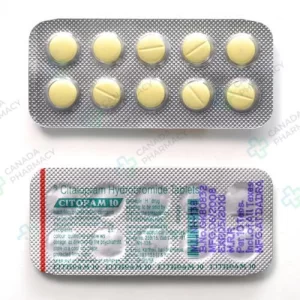
Celexa
Price range: $ 7,00 through $ 193,00
Active substance: Citalopram
More Details
This product has multiple variants. The options may be chosen on the product page
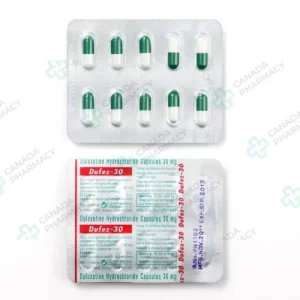
Cymbalta
Price range: $ 46,00 through $ 561,00
Active substance: Duloxetine
More Details
This product has multiple variants. The options may be chosen on the product page

Duzela
Price range: $ 36,00 through $ 83,00
Active substance: Duloxetine
More Details
This product has multiple variants. The options may be chosen on the product page
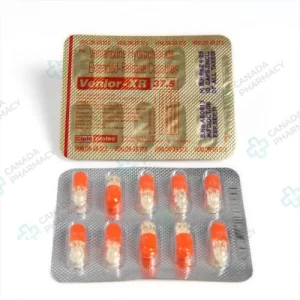
Effexor XR
Price range: $ 36,00 through $ 310,00
Active substance: Venlafaxine
More Details
This product has multiple variants. The options may be chosen on the product page
Geodon
Price range: $ 46,00 through $ 418,00
Active substance: Ziprasidone
More Details
This product has multiple variants. The options may be chosen on the product page
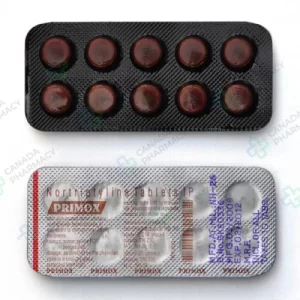
Pamelor
Price range: $ 54,00 through $ 185,00
Active substance: Nortriptyline
More Details
This product has multiple variants. The options may be chosen on the product page

Paxil
Price range: $ 34,00 through $ 445,00
Active substance: paroxetine
More Details
This product has multiple variants. The options may be chosen on the product page

Pexep
Price range: $ 42,00 through $ 162,00
Active substance: paroxetine
More Details
This product has multiple variants. The options may be chosen on the product page