

-23%

Dutas
Price range: $ 57,00 through $ 464,00

Ecosprin
Price range: $ 19,00 through $ 57,00
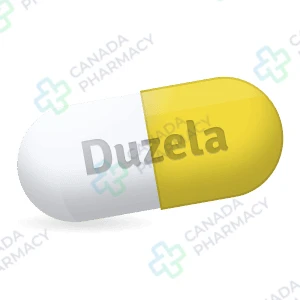
Duzela
Price range: $ 36,00 through $ 83,00
Duzela is a potent medication belonging to the class of serotonin-norepinephrine reuptake inhibitors (SNRIs) used to restore chemical balance in the brain. It is primarily indicated for the treatment of major depressive disorder and generalized anxiety disorder in adults. Beyond mental health, Duzela is highly effective in managing chronic pain conditions such as fibromyalgia and persistent musculoskeletal discomfort. It is also a trusted option for alleviating the burning or stabbing nerve pain caused by diabetic peripheral neuropathy. By stabilizing neurotransmitter levels, this medication helps improve mood, enhance sleep quality, and significantly reduce physical symptoms of pain.
Active substance: Duloxetine
Delivery: 5–21 days (depending on the shipping method)
Extra 10% discount with coupon: IT4K6SVM
Each dosage option has its own packaging choices.
Description
Duzela belongs to a class of medications known as serotonin-norepinephrine reuptake inhibitors (SNRIs). Prescribed under medical supervision, it helps restore the balance of natural chemical messengers in the central nervous system to address major depressive disorder, generalized anxiety disorder, and specific chronic pain conditions.
In the United States, duloxetine formulations are classified as prescription-only (Rx) medications under FDA regulations. Proper use requires professional medical assessment, individualized dosage adjustments, and routine oversight by a licensed healthcare provider.
| Parameter | Specification |
|---|---|
| Active Ingredient | Duloxetine hydrochloride |
| Therapeutic Class | Serotonin-Norepinephrine Reuptake Inhibitor (SNRI) |
| Dosage Form | Delayed-release oral capsule |
| Route of Administration | Oral |
| Prescription Status | Prescription only (Rx) |
| Storage Conditions | Store at 20°C to 25°C (68°F to 77°F) |
Overview and Clinical Profile
How the Drug Works
Duloxetine operates by inhibiting the neuronal reuptake of dual neurotransmitters: serotonin (5-HT) and norepinephrine (NE). By selectively blocking serotonin and norepinephrine transporter proteins in the central nervous system, Duzela increases the concentration of these neurochemicals within synaptic clefts. Elevated serotonin levels play a fundamental role in mood stabilization, emotional processing, and sleep regulation. Simultaneously, increased central norepinephrine enhances alertness, energy, and descending inhibitory pain pathways within the spinal cord. Unlike older tricyclic antidepressants, duloxetine displays negligible binding affinity for histaminergic, dopaminergic, and cholinergic receptors, which contributes to a lower incidence of severe sedative or anticholinergic adverse events.
What It’s Used For
Duzela is FDA-approved for the management of major depressive disorder (MDD) and generalized anxiety disorder (GAD) in adult patients. Beyond psychiatric conditions, it holds regulatory approval for several chronic painful conditions, including diabetic peripheral neuropathic pain, fibromyalgia, and chronic musculoskeletal pain related to osteoarthritis or chronic lower back pain. In specific clinical scenarios, prescribers may evaluate duloxetine for off-label indications, such as stress urinary incontinence or chemotherapy-induced peripheral neuropathy. Off-label use relies on individualized clinical judgment, as safety and efficacy parameters for non-approved indications have not been formally established by the FDA.
Dosing Schedule
Duzela is administered orally as a delayed-release capsule containing enteric-coated pellets. The standard initial dosage for major depressive disorder or chronic pain management ranges from 30 mg to 60 mg taken once daily. Depending on clinical response and tolerability, a physician may adjust the dosage up to a maximum recommended limit of 120 mg daily, though clinical trials demonstrate that daily doses above 60 mg rarely yield additional benefit for pain conditions. Capsules must be swallowed whole with water; they should never be crushed, chewed, or opened to sprinkle contents onto food, as compromising the enteric coating alters drug bioavailability. Dosage adjustments are mandatory for patients with severe renal impairment or hepatic dysfunction.
What Happens in the Body
Following oral ingestion, duloxetine is well absorbed across the gastrointestinal mucosa, reaching peak plasma concentrations within approximately 6 hours. Co-administration with food extends the time to peak concentration to 6–10 hours and slightly decreases the extent of absorption, though without clinically significant changes in total therapeutic exposure. The drug is extensively bound to plasma proteins (>90%), primarily albumin and alpha-1-acid glycoprotein. Hepatic metabolism occurs predominantly via cytochrome P450 isoenzymes CYP1A2 and CYP2D6, generating multiple inactive metabolites that are cleared mainly through renal excretion (70%) and feces (20%). The elimination half-life averages approximately 12 hours under steady-state conditions.
What to Avoid While Taking It
Patients receiving Duzela should strictly avoid heavy alcohol consumption. Combining duloxetine with chronic or excessive alcohol intake significantly increases the risk of severe hepatic toxicity and liver injury. While food does not impair the overall absorption of the medication, taking capsules alongside meals can reduce initial gastrointestinal side effects such as transient nausea. Furthermore, patients must avoid dietary supplements containing Saint John’s Wort or high doses of L-tryptophan, as these substances increase central serotonergic tone and elevate the risk of dangerous neurochemical complications.
Safety Information and Precautions
What Not to Combine
Duzela exhibits significant potential for drug interactions. Concurrent administration with monoamine oxidase inhibitors (MAOIs) is strictly contraindicated due to the severe risk of serotonin syndrome; a minimum 14-day washout period is required when transitioning between MAOIs and duloxetine. Co-administration with potent CYP1A2 inhibitors (such as fluvoxamine) or CYP2D6 inhibitors elevated plasma duloxetine concentrations. Combining Duzela with other serotonergic agents–including SSRIs, SNRIs, triptans, tramadol, or fentanyl–increases the risk of serotonin toxicity. Additionally, taking duloxetine with nonsteroidal anti-inflammatory drugs (NSAIDs), aspirin, or oral anticoagulants like warfarin heightens the risk of upper gastrointestinal bleeding due to serotonin depletion in blood platelets.
Adverse Reactions
Common adverse reactions associated with Duzela include nausea, dry mouth, somnolence, fatigue, constipation, decreased appetite, hyperhidrosis (excessive sweating), and dizziness. Sexual dysfunction, such as decreased libido, erectile dysfunction, or delayed ejaculation, may also occur during treatment. Most mild gastrointestinal side effects manifest within the first few weeks of therapy and diminish gradually over time. Less common but notable adverse events include modest blood pressure elevation, body weight changes, and orthostatic hypotension. Sudden cessation of Duzela can precipitate discontinuation syndrome, characterized by severe dizziness, paresthesia, electric-shock sensations, headache, anxiety, and insomnia; therapeutic dosage tapering under medical supervision is strongly advised.
Red Flags
Immediate emergency medical assistance is required if patients exhibit signs of a severe allergic reaction, including facial swelling, swelling of the tongue or throat, severe skin rash, or breathing difficulties. Emergency care is also critical if symptoms of serotonin syndrome appear–such as high fever, muscle rigidity, tremor, confusion, agitation, and rapid heart rate. Severe hepatic dysfunction (jaundice, dark urine, upper right abdominal pain), acute urinary retention, unusual bleeding or bruising, and sudden changes in mood or behavior (such as mania or suicidal thoughts) warrant immediate clinical intervention.
If You Skip a Dose
If a dose of Duzela is missed, it should be taken as soon as it is remembered on that day. However, if it is nearly time for the next scheduled dose, skip the missed capsule entirely and continue with the standard dosing schedule. Patients must never double the dose or take extra capsules to make up for a missed dose, as exceeding the prescribed quantity significantly increases the likelihood of acute toxic reactions.
Storage and Expiration
Store Duzela capsules at room temperature between 20°C to 25°C (68°F to 77°F), with permitted excursions between 15°C and 30°C (59°F and 86°F). Keep the medication in its original container, tightly closed, and protected from excessive moisture, heat, and direct sunlight. Store out of reach of children and pets. Properly discard any expired capsules or unused medication following federal guidelines or local pharmacy take-back programs.
Important Precautions
Antidepressant medications increase the risk of suicidal thoughts and behaviors in children, adolescents, and young adults (under 24 years of age) during initial stages of therapy. Prescribers and caregivers must closely monitor patients for clinical worsening or behavioral changes. Duzela is not approved for pediatric populations without specialized medical evaluation. Elderly patients face a higher risk of developing hyponatremia (abnormally low sodium levels) secondary to Syndrome of Inappropriate Antidiuretic Hormone (SIADH) secretion. Pregnant women should discuss potential risks with their physician, particularly during the third trimester, due to risks of persistent pulmonary hypertension or neonatal adaptation symptoms. Duloxetine is excreted into human milk, requiring careful evaluation of nursing benefits versus potential infant exposure risks.
Common Questions
Q: How long does it take for Duzela to show noticeable therapeutic effects?
A: Initial improvements in sleep pattern, energy, or anxiety may occur within 1 to 2 weeks of starting treatment. However, full therapeutic response for major depressive disorder or chronic pain conditions typically requires 4 to 8 weeks of continuous daily use under appropriate dosage guidance.
Q: Is it safe to drive or operate machinery while taking Duzela?
A: Duzela can cause drowsiness, dizziness, and mild cognitive impairment, particularly during initial treatment or following a dose increase. Patients should determine how the medication affects them individually before operating vehicles or complex machinery.
Q: What should be done if Duzela needs to be discontinued?
A: Duzela should never be stopped abruptly. Abrupt cessation can trigger discontinuation syndrome, marked by sensory disturbances, dizziness, nausea, and irritability. A doctor will design a gradual dosage tapering schedule over several weeks to minimize withdrawal symptoms.
Q: Can Duzela cause changes in blood pressure?
A: Yes, duloxetine treatment is associated with potential increases in blood pressure. Baseline blood pressure should be measured prior to starting therapy and monitored periodically throughout treatment, especially in patients with pre-existing hypertension.
Q: Does Duzela increase the risk of bleeding during surgical or dental procedures?
A: Because duloxetine inhibits serotonin reuptake in platelets, it can impair normal blood clotting mechanisms. Patients should inform their surgeon or dentist about taking Duzela prior to undergoing elective surgical or invasive dental procedures.
In accordance with FDA requirements.
This text is for informational purposes only and does not constitute individual medical advice.
Additional information
| Dosage |
60 mg |
|---|---|
| Package |
30 caps ,60 caps ,90 caps |
| Ενεργός Ουσία |
Related products

Abilify
Price range: $ 45,00 through $ 413,00
Active substance: Aripiprazole
More Details
This product has multiple variants. The options may be chosen on the product page

Amitriptyline
Price range: $ 41,00 through $ 114,00
Active substance: amitriptyline
More Details
This product has multiple variants. The options may be chosen on the product page

Bupropion
Price range: $ 41,00 through $ 297,00
Active substance: Bupropion
More Details
This product has multiple variants. The options may be chosen on the product page

Celexa
Price range: $ 7,00 through $ 193,00
Active substance: Citalopram
More Details
This product has multiple variants. The options may be chosen on the product page

Elavil
Price range: $ 39,00 through $ 222,00
Active substance: amitriptyline
More Details
This product has multiple variants. The options may be chosen on the product page

Isoniazid
Price range: $ 45,00 through $ 444,00
Active substance: Isoniazid
More Details
This product has multiple variants. The options may be chosen on the product page

Lexapro
Price range: $ 40,00 through $ 265,00
Active substance: Escitalopram
More Details
This product has multiple variants. The options may be chosen on the product page

Pristiq
Price range: $ 73,00 through $ 561,00
Active substance: desvenlafaxine
More Details
This product has multiple variants. The options may be chosen on the product page