

-25%
Duzela
Price range: $ 36,00 through $ 83,00
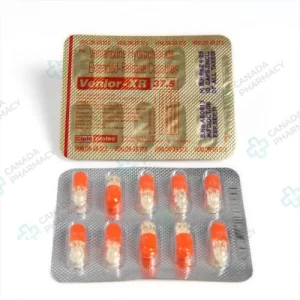
Effexor XR
Price range: $ 36,00 through $ 310,00
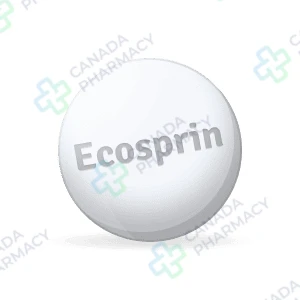
Ecosprin
Price range: $ 19,00 through $ 57,00
Ecosprin is a reliable medication widely used for the prevention of cardiovascular events such as heart attacks and strokes. It functions as an effective antiplatelet agent, helping to prevent blood clots from forming in the arteries. This low-dose aspirin is also beneficial for managing long-term heart health and improving overall blood circulation. Beyond its cardiovascular benefits, Ecosprin can be used to alleviate minor aches, pains, and inflammation. The enteric-coated tablets are specifically formulated to reduce stomach irritation while ensuring optimal absorption.
Active substance: aspirin
Delivery: 5–21 days (depending on the shipping method)
Extra 10% discount with coupon: IT4K6SVM
Each dosage option has its own packaging choices.
Description
Ecosprin belongs to a class of medications known as nonsteroidal anti-inflammatory drugs (NSAIDs) and antiplatelet agents. The active ingredient in Ecosprin is acetylsalicylic acid (commonly known as aspirin), which works primarily by inhibiting prostaglandin synthesis and suppressing blood platelet aggregation. Over-the-counter acetylsalicylic acid products are widely available across the United States for pain relief, fever reduction, and cardiovascular risk reduction under appropriate professional oversight.
When used in low-dose formulations, acetylsalicylic acid helps reduce the risk of clot formation in blood vessels. Although accessible over-the-counter, daily or long-term administration of Ecosprin for cardioprotective purposes should always be conducted in accordance with personalized medical advice from a healthcare provider to ensure therapeutic benefit while minimizing potential risks.
| Parameter | Details |
|---|---|
| Drug name | Ecosprin |
| Active ingredient | Acetylsalicylic acid (Aspirin) |
| Therapeutic class | Antiplatelet agent / Nonsteroidal anti-inflammatory drug (NSAID) |
| Dosage form | Enteric-coated oral tablet |
| Route of administration | Oral |
| Primary purpose | Inhibition of platelet aggregation and relief of mild-to-moderate inflammation |
Overview and Pharmacological Profile
How the drug works
The therapeutic action of Ecosprin relies on the irreversible inactivation of the cyclooxygenase-1 (COX-1) enzyme in blood platelets. Cyclooxygenase-1 is responsible for converting arachidonic acid into thromboxane A2, a potent inducer of platelet activation and blood clot formation. By irreversibly acetylating a specific serine residue within the COX-1 enzyme structure, acetylsalicylic acid permanently blocks thromboxane A2 production for the entire lifespan of the affected platelet, which typically lasts between 7 and 10 days. At higher doses, acetylsalicylic acid also inhibits cyclooxygenase-2 (COX-2), leading to reduced synthesis of inflammatory prostaglandins and providing systemic analgesic, anti-inflammatory, and antipyretic effects.
Main uses
Ecosprin is primarily indicated for clinical scenarios where inhibition of blood clot formation is beneficial. Major FDA-approved indications for low-dose acetylsalicylic acid include reducing the risk of vascular mortality in patients with suspected acute myocardial infarction, decreasing the risk of recurrent non-fatal myocardial infarction, and reducing the combined risk of stroke and transient ischemic attack (TIA) in individuals with prior cerebrovascular events. Additionally, it is used for secondary prevention of coronary artery disease, such as stable or unstable angina. At higher therapeutic doses, acetylsalicylic acid serves as an over-the-counter medication for the temporary symptomatic relief of minor aches, headache, toothache, muscle pain, and fever.
Dosing and Administration Guidelines
The recommended dosage of Ecosprin depends directly on the specific clinical indication being addressed. For long-term cardiovascular prophylactic therapy, typical low-dose regimens range from 75 mg to 81 mg once daily, or up to 325 mg daily as directed by a physician. Tablets should be swallowed whole with a full glass of water and should not be crushed, chewed, or split, particularly when using enteric-coated formulations designed to protect the gastric mucosa. Taking the medication with food or milk may help minimize localized gastric discomfort. Dosage adjustments for specific cardiovascular conditions must be determined individually by a qualified physician.
What happens in the body
Following oral administration, acetylsalicylic acid is rapidly absorbed from both the stomach and the upper small intestine. Enteric coatings delay gastric dissolution, shifting primary absorption downstream into the duodenum to minimize direct stomach lining irritation. Acetylsalicylic acid undergoes rapid presystemic hydrolysis by esterases in the gastrointestinal mucosa and liver, converting into its primary active metabolite, salicylic acid. The systemic bioavailability of unchanged acetylsalicylic acid is approximately 50% to 70%. Salicylic acid is extensively bound to plasma proteins, primarily albumin, and is widely distributed throughout body tissues. Metabolites are excreted mainly by the kidneys through glomerular filtration and tubular secretion, with an elimination half-life for unesterified acetylsalicylic acid of approximately 15 to 20 minutes, while salicylic acid exhibits a dose-dependent half-life ranging from 2 to 3 hours at low doses up to 15 hours at higher therapeutic doses.
If you skip a dose
If a regularly scheduled dose of Ecosprin is missed, it should be taken as soon as remembered on that day. However, if it is nearly time for the next scheduled dose, the missed dose should be skipped entirely, and the normal dosing schedule resumed. Patients should never double the dose or take extra medication to make up for a missed tablet, as this increases the risk of gastrointestinal irritation and bleeding complications.
Safety, Interactions, and Daily Use
Compatibility with other medicines
Acetylsalicylic acid interacts with several drug classes, potentially modifying therapeutic efficacy or increasing toxicities. Concurrent use with anticoagulant agents (such as warfarin, heparin, or direct oral anticoagulants) or other antiplatelet drugs (such as clopidogrel) significantly elevates the risk of major hemorrhage. Concomitant administration with other nonsteroidal anti-inflammatory drugs (NSAIDs like ibuprofen or naproxen) can attenuate the irreversible cardioprotective antiplatelet effect of low-dose aspirin and compound mucosal injury within the stomach. Furthermore, acetylsalicylic acid may reduce the renal excretion of methotrexate, increasing its systemic toxicity, and can antagonize the uricosuric effects of medications like probenecid. Patients taking systemic corticosteroids or selective serotonin reuptake inhibitors (SSRIs) alongside Ecosprin face a heightened incidence of upper gastrointestinal bleeding.
What to avoid while taking it
Patients taking Ecosprin should minimize or eliminate alcohol consumption. Consuming three or more alcoholic beverages daily while using acetylsalicylic acid markedly increases the likelihood of severe gastrointestinal bleeding and gastric mucosal ulceration. While standard dietary items do not significantly impair overall drug bioavailability, taking the tablet with heavy meals may slightly delay absorption, whereas taking it alongside food generally improves gastrointestinal tolerability.
Adverse Effects and Red Flags
Adverse reactions associated with Ecosprin vary depending on dosage, duration of therapy, and individual patient susceptibility. Gastrointestinal disturbances represent the most common category of adverse effects, including dyspepsia, heartburn, epigastric discomfort, nausea, and mild mucosal erosion. Less frequent but more serious adverse reactions involve gastrointestinal ulceration, overt gastrointestinal bleeding, elevated hepatic enzyme levels, and transient tinnitus or hearing impairment (typically observed at higher doses). Cutaneous hypersensitivity reactions, such as urticaria or localized rash, can also occur in susceptible individuals.
Important precautions
Acetylsalicylic acid requires caution in patients with a history of peptic ulcer disease, bleeding diatheses, severe hepatic impairment, or severe renal insufficiency. Ecosprin is strictly contraindicated in children and teenagers recovering from viral infections (such as influenza or varicella) due to the risk of Reye’s syndrome–a rare but potentially fatal condition characterized by acute encephalopathy and fatty liver failure. Pregnant women, particularly during the third trimester, should avoid acetylsalicylic acid unless specifically prescribed by an obstetrician, as COX inhibition can cause premature closure of the fetal ductus arteriosus and prolong labor or maternal-fetal bleeding.
Red flags
Immediate medical evaluation is necessary if signs of acute bleeding or severe systemic hypersensitivity occur. Emergency care should be sought if the patient experiences signs of gastrointestinal hemorrhage, such as black or tarry stools, bright red blood in the stool, or vomiting material that resembles coffee grounds. Urgent medical attention is likewise required for symptoms indicative of severe allergic reactions, including swelling of the face, lips, tongue, or throat, sudden difficulty breathing or swallowing, severe dizziness, or an unexplained widespread cutaneous rash.
Storage and expiration
Ecosprin should be stored at controlled room temperature, ideally between 68°F and 77°F (20°C to 25°C), away from excess heat, direct light, and moisture. Store the medication in its original container with the closure tightly sealed. Do not keep tablets in humid environments such as bathrooms. Discard any medication that has passed its stated expiration date or shows visible signs of physical deterioration.
Frequently Asked Questions
Should Ecosprin be taken before or after food?
Ecosprin can be taken either before or after food, but consuming it with a meal or a glass of milk is frequently recommended to reduce mild stomach upset or acid reflux.
Can Ecosprin be discontinued abruptly?
Patients taking daily low-dose Ecosprin for underlying cardiovascular prevention should not stop taking the medication abruptly without consulting their healthcare provider. Abrupt discontinuation in high-risk cardiac patients may lead to a rebound hypercoagulable state and increase the risk of ischemic cardiac events.
What should I do if I notice unusual bruising while taking this medication?
Because acetylsalicylic acid inhibits blood clotting, minor bruising may occur more easily. However, if you develop widespread, unexplained, or abnormally large bruises, or if bleeding from minor cuts persists for an unusually long period, inform your physician promptly.
Is it safe to drive after taking Ecosprin?
Ecosprin does not typically affect central nervous system function or reaction speed. Patients are generally safe to operate motor vehicles or heavy machinery, provided they do not experience rare adverse effects like dizziness.
Can I take Ecosprin alongside over-the-counter pain relievers like ibuprofen?
Combining Ecosprin with other nonsteroidal anti-inflammatory drugs (NSAIDs) such as ibuprofen or naproxen is not recommended without medical supervision. Ibuprofen can interfere with the antiplatelet protective effect of acetylsalicylic acid and significantly raises the risk of stomach ulcers and gastrointestinal bleeding.
This content is informational and does not replace a consultation with your doctor or pharmacist. In accordance with FDA requirements.
Additional information
| Dosage |
75 mg |
|---|---|
| Package |
140 tabs ,280 tabs ,560 tabs |
| Ενεργός Ουσία |
Related products
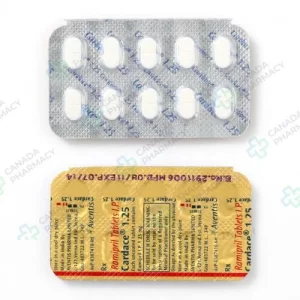
Altace
Price range: $ 40,00 through $ 322,00
Active substance: Ramipril
More Details
This product has multiple variants. The options may be chosen on the product page
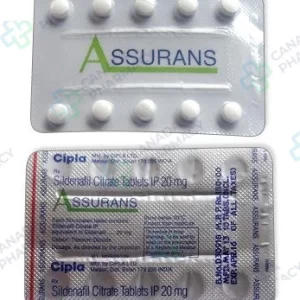
Assurans
Price range: $ 50,00 through $ 70,00
Active substance: Sildenafil Citrate
More Details
This product has multiple variants. The options may be chosen on the product page
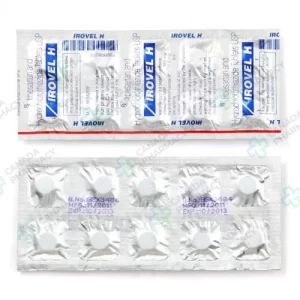
Avalide
Price range: $ 66,00 through $ 333,00
Active substance: Irbesartan
More Details
This product has multiple variants. The options may be chosen on the product page
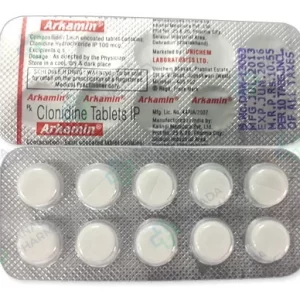
Combipres
Price range: $ 50,00 through $ 202,00
Active substance: chlorthalidone, clonidine hydrochloride
More Details
This product has multiple variants. The options may be chosen on the product page
Diltiazem HCL
Price range: $ 52,00 through $ 393,00
Active substance: Diltiazem
More Details
This product has multiple variants. The options may be chosen on the product page
Dipyridamole
Price range: $ 43,00 through $ 257,00
Active substance: Dipyridamole
More Details
This product has multiple variants. The options may be chosen on the product page
Eliquis
Price range: $ 60,00 through $ 320,00
Active substance: Apixaban
More Details
This product has multiple variants. The options may be chosen on the product page
Hydrochlorothiazide
Price range: $ 24,00 through $ 139,00
Active substance: hydrochlorothiazide
More Details
This product has multiple variants. The options may be chosen on the product page