

-55%

Ecosprin
Price range: $ 19,00 through $ 57,00
Elavil
Price range: $ 39,00 through $ 222,00
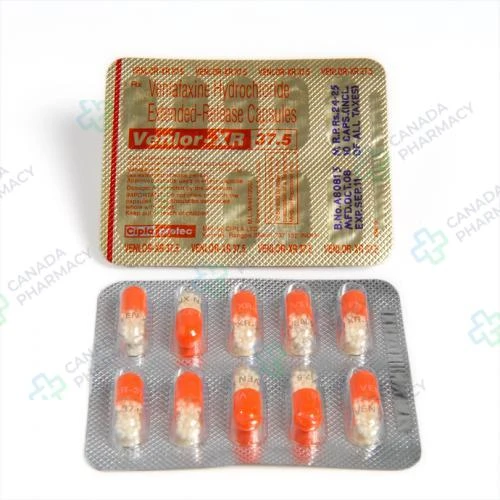
Effexor XR
Price range: $ 36,00 through $ 310,00
Effexor XR is a trusted extended-release medication used to treat major depressive disorder and various anxiety conditions. It belongs to a class of drugs known as serotonin-norepinephrine reuptake inhibitors (SNRIs), which help balance key chemicals in the brain. The long-acting formula provides a consistent release of venlafaxine to effectively manage symptoms of generalized anxiety disorder throughout the day. Additionally, this medication is a proven treatment option for individuals dealing with social anxiety disorder and panic disorder. By stabilizing mood and reducing persistent worry, Effexor XR helps many patients regain their emotional well-being and daily focus.
Active substance: Venlafaxine
Delivery: 5–21 days (depending on the shipping method)
Extra 10% discount with coupon: IT4K6SVM
Each dosage option has its own packaging choices.
Description
Effexor XR belongs to a group of medicines called serotonin-norepinephrine reuptake inhibitors (SNRIs). It is a prescription extended-release formulation designed to provide a steady release of the active compound venlafaxine throughout the day. The medication is indicated primarily for the management of major depressive disorder and specific anxiety disorders in adult patients under proper medical supervision.
In accordance with United States regulations established by the Food and Drug Administration (FDA), Effexor XR is available strictly by prescription (Rx). Proper clinical evaluation by a qualified healthcare provider is necessary before initiation of treatment to establish an appropriate dosing schedule and monitor therapeutic response.
| Parameter | Specification |
|---|---|
| Active ingredient (INN) | Venlafaxine hydrochloride |
| Therapeutic class | Serotonin-Norepinephrine Reuptake Inhibitor (SNRI) |
| Dosage form | Extended-release oral capsules (37.5 mg, 75 mg, 150 mg) |
| Route of administration | Oral |
| Primary purpose | Treatment of depressive and anxiety disorders |
| Prescription status | Prescription only (Rx) |
Clinical Profile and Therapeutics
Main Uses
Effexor XR is FDA-approved for four primary psychiatric indications in adult populations: major depressive disorder (MDD), generalized anxiety disorder (GAD), social anxiety disorder (SAD, also known as social phobia), and panic disorder (PD) with or without agoraphobia. Clinical studies demonstrate its effectiveness in alleviating persistent feelings of sadness, emotional blunting, somatic symptoms of anxiety, and panic episode frequency over extended treatment intervals.
Beyond its FDA-approved label, clinicians may prescribe venlafaxine for off-label indications based on published evidence. These off-label applications include neuropathic pain management (such as diabetic peripheral neuropathy), prevention of chronic migraine headaches, attention-deficit/hyperactivity disorder (ADHD) in adults, and the management of vasomotor symptoms (hot flashes) in postmenopausal individuals or breast cancer survivors undergoing hormone therapy.
How the Drug Works
reached through pharmacological inhibition of neuronal neurotransmitter reuptake. Venlafaxine and its primary active metabolite, O-desmethylvenlafaxine (ODV), inhibit the reuptake transport mechanisms for both serotonin (5-HT) and norepinephrine (NE) in the central nervous system. This action enhances neurotransmission by increasing the concentration of active serotonin and norepinephrine within the synaptic cleft.
At low daily doses (under 75 mg per day), venlafaxine primarily inhibits serotonin reuptake. As the daily dosage increases, inhibition of norepinephrine reuptake becomes progressively more pronounced. Venlafaxine displays weak inhibitory activity on dopamine reuptake at high doses. Importantly, it lacks significant affinity for muscarinic, histaminergic, or alpha-1 adrenergic receptors in vitro, which contributes to a reduced incidence of anticholinergic side effects compared to older tricyclic antidepressants.
What Happens in the Body
Following oral administration of an extended-release capsule, at least 92% of venlafaxine is absorbed into the systemic circulation. Due to extensive first-pass hepatic metabolism, the absolute bioavailability of venlafaxine is approximately 45%. Peak plasma concentrations of venlafaxine are attained within approximately 5.5 hours, whereas peak levels of the active metabolite ODV occur approximately 9 hours post-dose. Co-administration with food slows the rate of absorption slightly but does not alter the overall bioavailability.
Venlafaxine is extensively metabolized in the liver, primarily via the cytochrome P450 isoenzyme CYP2D6 to form ODV, and to a lesser extent by CYP3A4 to form N-desmethylvenlafaxine. Renal excretion represents the primary pathway of elimination, with approximately 87% of a dose recovered in urine within 48 hours as unchanged drug or metabolites. The elimination half-life of venlafaxine is approximately 5 hours (±2 hours), whereas the half-life of ODV is approximately 11 hours (±2 hours). Steady-state plasma concentrations of both compounds are typically reached within 3 days of daily administration.
Compatibility with Other Medicines
Effexor XR exhibits significant pharmacodynamic and pharmacokinetic interactions that require careful clinical evaluation. Concomitant administration with monoamine oxidase inhibitors (MAOIs) is strictly contraindicated due to the high risk of severe, potentially fatal serotonin syndrome. A washout period of at least 14 days must elapse between discontinuing an MAOI and starting Effexor XR, and at least 7 days must elapse after stopping Effexor XR before initiating an MAOI.
Combining venlafaxine with other serotonergic agents–including selective serotonin reuptake inhibitors (SSRIs), serotonin-norepinephrine reuptake inhibitors (SNRIs), triptans, tramadol, fentanyl, lithium, linezolid, intravenous methylene blue, or St. John’s wort–substantially increases the risk of serotonin toxicity. Concurrent use of nonsteroidal anti-inflammatory drugs (NSAIDs), aspirin, or oral anticoagulants (such as warfarin or direct oral anticoagulants) increases the risk of upper gastrointestinal bleeding due to altered platelet aggregation. Potent CYP2D6 inhibitors (such as fluoxetine, paroxetine, or quinidine) may increase plasma concentrations of venlafaxine while decreasing ODV levels.
Patient Administration and Safety
Adverse Reactions
Adverse reactions during treatment with Effexor XR are common, particularly upon therapy initiation or following upward dose titration. Most adverse events are mild to moderate in severity and tend to diminish over time, though some may persist throughout the duration of therapy.
- Gastrointestinal: Nausea (the most frequently reported reaction), dry mouth, constipation, anorexia, abdominal pain, diarrhea, and vomiting.
- Central Nervous System: Dizziness, somnolence, insomnia, nervousness, tremor, abnormal dreams, anxiety, paresthesia, and headache.
- Cardiovascular: Dose-dependent increases in resting blood pressure, vasodilation (flushing), and palpitations.
- Dermatologic & Metabolic: Hyperhidrosis (excessive sweating), weight changes, decreased appetite, and hyponatremia.
- Genitourinary & Sexual: Erectile dysfunction, delayed or impaired ejaculation, anorgasmia, decreased libido, and urinary hesitation or retention.
Important Precautions
Effexor XR carries a boxed warning regarding an increased risk of suicidal thoughts and behaviors in children, adolescents, and young adults (up to age 24) receiving antidepressant treatment. The drug is not FDA-approved for pediatric use. Patients of all ages initiated on therapy should be monitored closely for clinical worsening, agitation, irritability, or unusual changes in behavior.
Elevations in blood pressure can occur; sustained hypertension has been observed in clinical trials, particularly at higher daily doses. Regular blood pressure monitoring is recommended before starting treatment and throughout therapy. Discontinuation of Effexor XR, especially when abrupt, is associated with a specific withdrawal profile known as discontinuation syndrome. Symptoms include dizziness, sensory disturbances (such as electric-shock sensations or “brain zaps”), agitation, confusion, tremor, anxiety, insomnia, sweating, and headache. Tapering the dose gradually under medical supervision is required when stopping the drug.
Special caution is warranted in patients with pre-existing cardiovascular conditions, history of seizures, narrow-angle glaucoma, or bipolar disorder (to avoid precipitation of a manic state). In patients with hepatic or renal impairment, clear reductions in dosage are necessary due to reduced systemic clearance of venlafaxine and ODV.
First Days of Treatment
During the first 1 to 2 weeks of taking Effexor XR, patients often experience initial side effects, most commonly mild nausea, dry mouth, and mild dizziness, before therapeutic gains become apparent. It is important to understand that antidepressant and anxiolytic clinical effects are not instantaneous. While early improvement in sleep pattern or energy level may occur within 1 to 2 weeks, full therapeutic benefit for depression or anxiety disorders typically requires 4 to 8 weeks of consistent, uninterrupted daily use.
Dosing Schedule
Effexor XR capsules should be taken once daily with food, either in the morning or evening, at approximately the same time each day. Taking the medication with a meal improves gastrointestinal tolerance. Capsules must be swallowed whole with fluid and should not be crushed, chewed, dissolved, or divided.
For patients who have difficulty swallowing intact capsules, the capsule may be carefully opened and the entire contents sprinkled onto a single spoonful of applesauce. This mixture must be swallowed immediately without chewing, followed by a full glass of water to ensure complete ingestion of the extended-release pellets.
For major depressive disorder and generalized anxiety disorder, the standard starting dose is typically 75 mg once daily. Some patients may initiate therapy at 37.5 mg daily for 4 to 7 days to mitigate initial gastrointestinal side effects. If clinical improvement is insufficient, doses may be increased in increments of up to 75 mg per day at intervals of no less than 4 days, up to a maximum recommended dose of 225 mg per day for outpatients.
What to Avoid While Taking It
Patients should completely avoid consuming alcohol while taking Effexor XR. Alcohol can compound central nervous system depression, impair alertness, motor skills, and judgment, and potentially exacerbate antidepressant side effects. Patients should also avoid operating motor vehicles or operating dangerous machinery until they are reasonably certain that the medication does not impair their physical or cognitive capabilities.
If You Skip a Dose
If a dose of Effexor XR is forgotten, it should be taken as soon as remembered on the same day. However, if it is almost time for the next scheduled dose, the missed dose should be skipped, and the standard dosing schedule resumed. Patients should never take two doses at the same time or take extra capsules to compensate for a missed dose, as this increases the likelihood of toxicity and transient blood pressure spikes.
Storage and Expiration
Effexor XR capsules should be stored at controlled room temperature between 20°C and 25°C (68°F to 77°F), with permitted excursions between 15°C and 30°C (59°F to 86°F). Protect the container from excessive moisture, heat, and direct light. Store the medication securely out of the reach of children and domestic animals. Do not use any capsules beyond the expiration date clearly printed on the original bottle or blister package.
Q&A
What should I do if I experience electric-shock sensations after missing a dose?
Sensations described as electric shocks or “brain zaps” are recognized symptoms of venlafaxine withdrawal, often triggered by a missed dose due to the drug’s relatively short half-life. If a dose was missed, take the next scheduled dose as directed by your physician. Do not take extra doses. If these sensations persist despite adherence, contact your healthcare provider to discuss your dosing routine.
How frequently should blood pressure be monitored while on Effexor XR?
Blood pressure should be measured prior to starting treatment and periodically throughout therapy. For patients receiving higher doses (above 150 mg daily) or those with pre-existing hypertension, more frequent monitoring–such as at every clinical follow-up or monthly–may be recommended by your prescriber.
Is it acceptable to stop taking Effexor XR once symptoms resolve?
No. Abruptly discontinuing Effexor XR can precipitate severe discontinuation symptoms and increases the risk of depressive relapse. Any modification to your treatment plan, including dose reduction or discontinuation, must be conducted under the direction of your prescribing physician using a structured tapering schedule.
Does Effexor XR cause significant body weight changes during long-term use?
Weight loss or decreased appetite is often reported during early treatment phase. However, long-term studies show that some patients may experience modest weight gain over extended periods. Regular monitoring of body weight is advised during prolonged treatment.
What is the difference between immediate-release venlafaxine and Effexor XR?
Immediate-release venlafaxine releases the active drug quickly and typically requires dosing two to three times daily to maintain therapeutic plasma levels. Effexor XR contains a specialized membrane-coated pellet system that slowly releases venlafaxine over 24 hours, allowing for convenient once-daily administration and a smoother plasma concentration profile.
In accordance with FDA requirements.
This text is for informational purposes only and does not constitute individual medical advice.
Additional information
| Dosage |
37.5 mg ,75mg ,150mg |
|---|---|
| Package |
30 pills ,60 pills ,90 pills ,120 pills ,180 pills ,270 pills ,360 pills |
| Ενεργός Ουσία |
Related products
Abilify
Price range: $ 45,00 through $ 413,00
Active substance: Aripiprazole
More Details
This product has multiple variants. The options may be chosen on the product page
Anafranil
Price range: $ 41,00 through $ 457,00
Active substance: Clomipramine
More Details
This product has multiple variants. The options may be chosen on the product page
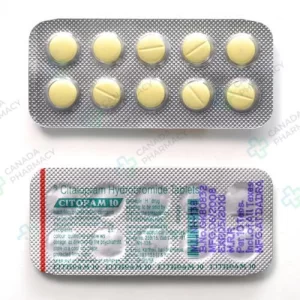
Celexa
Price range: $ 7,00 through $ 193,00
Active substance: Citalopram
More Details
This product has multiple variants. The options may be chosen on the product page
Clozaril
Price range: $ 45,00 through $ 129,00
Active substance: Clozapine
More Details
This product has multiple variants. The options may be chosen on the product page
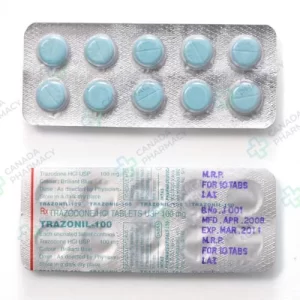
Desyrel
Price range: $ 41,00 through $ 206,00
Active substance: Trazodone
More Details
This product has multiple variants. The options may be chosen on the product page
Duzela
Price range: $ 36,00 through $ 83,00
Active substance: Duloxetine
More Details
This product has multiple variants. The options may be chosen on the product page
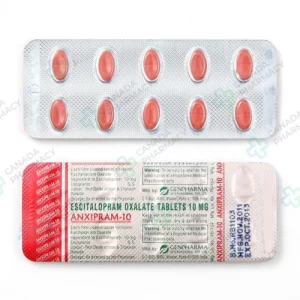
Lexapro
Price range: $ 40,00 through $ 265,00
Active substance: Escitalopram
More Details
This product has multiple variants. The options may be chosen on the product page
Ventodep ER
Price range: $ 53,00 through $ 561,00
Active substance: Venlafaxine
More Details
This product has multiple variants. The options may be chosen on the product page