

-31%
Diltiazem HCL
Price range: $ 52,00 through $ 393,00
Ditropan
Price range: $ 23,00 through $ 262,00
Dipyridamole
Price range: $ 43,00 through $ 257,00
Dipyridamole is a specialized antiplatelet medication and vasodilator designed to support cardiovascular health by improving blood flow. It works by preventing the formation of harmful blood clots while simultaneously helping to dilate the blood vessels. This medication is primarily used to reduce the risk of thromboembolic complications in patients who have undergone heart valve replacement surgery. When integrated into a long-term treatment plan, it helps maintain smooth circulation and protects the integrity of prosthetic valves. Dipyridamole serves as a reliable component in the ongoing management of specific heart-related conditions and the prevention of vascular events.
Active substance: Dipyridamole
Delivery: 5–21 days (depending on the shipping method)
Extra 10% discount with coupon: IT4K6SVM
Each dosage option has its own packaging choices.
Description
Dipyridamole – What You Need to Know
Dipyridamole belongs to the pharmacological class of adenosine reuptake inhibitors and phosphodiesterase inhibitors, functioning primarily as a platelet aggregation inhibitor and coronary vasodilator. In clinical practice, this prescription drug is administered to reduce the risk of postoperative thromboembolic events in patients who have undergone cardiac valve replacement surgery.
As a prescription medication regulated by the United States Food and Drug Administration (FDA), dipyridamole requires formal medical evaluation and oversight to ensure patient safety and therapeutic efficacy. Proper usage depends on individual clinical parameters, underlying cardiovascular health, and concurrent administration of other blood-thinning agents.
| Parameter | Details |
|---|---|
| Active ingredient | Dipyridamole |
| Therapeutic class | Antiplatelet agent / Coronary vasodilator |
| Dosage form | Oral tablet |
| Route of administration | Oral |
| Prescription status | Prescription only (Rx) |
| Primary purpose | Thromboembolism prophylaxis following heart valve replacement |
| Storage | Controlled room temperature (68°F to 77°F / 20°C to 25°C) |
How the drug works
The pharmacological mechanism of dipyridamole involves multiple pathway interactions affecting vascular tone and platelet function. Dipyridamole inhibits the cellular reuptake of adenosine into red blood cells, vascular endothelial cells, and platelets. By blocking adenosine transport, extracellular concentrations of adenosine increase, stimulating platelet A2-receptors and subsequently elevating intracellular cyclic adenosine monophosphate (cAMP) levels. Furthermore, dipyridamole directly inhibits the enzymes phosphodiesterase-3 (PDE3) and phosphodiesterase-5 (PDE5), which normally degrade cAMP and cyclic guanosine monophosphate (cGMP). The resultant accumulation of cellular cAMP and cGMP suppresses platelet activation, inhibits intracellular calcium mobilization, prevents shape change and granule secretion, and induces vascular smooth muscle relaxation resulting in coronary vasodilation.
What it’s used for
The FDA-approved primary indication for oral dipyridamole is as an adjunct to coumarin anticoagulants (such as warfarin) in the prevention of postoperative thromboembolic complications associated with prosthetic heart valve replacement. Clinical studies demonstrate that adding dipyridamole to oral anticoagulant therapy significantly reduces the incidence of systemic emboli in post-surgical valve patients compared to anticoagulant monotherapy alone.
In clinical practice, physicians may occasionally prescribe dipyridamole off-label for other cardiovascular or renal applications. Off-label uses include secondary stroke prevention (often administered in combination with aspirin) and the reduction of proteinuria in specific non-diabetic renal pathologies. Off-label administration is determined strictly by a licensed prescriber based on specific clinical evidence and individual patient profile.
What happens in the body
Following oral administration, dipyridamole is absorbed through the gastrointestinal tract, though bioavailability displays inter-individual variability ranging between 37% and 66%. Peak plasma concentrations are typically attained within 1 to 2 hours after ingestion. Dipyridamole is extensively bound to plasma proteins (approximately 99%), primarily associating with alpha-1-acid glycoprotein and albumin. The drug undergoes hepatic metabolism, where it is conjugated with glucuronic acid to form a major monoglucuronide metabolite that exhibits minimal biological activity. Elimination occurs predominantly via the biliary system into feces, with less than 1% excreted unchanged in urine. Dipyridamole exhibits a two-compartment kinetic model: an initial fast distribution half-life of approximately 40 minutes and a terminal elimination half-life ranging from 10 to 12 hours.
Dosing schedule
Dosing of dipyridamole is individualized by the treating physician depending on the indication, renal and hepatic function, and concurrent anticoagulant therapy. For the FDA-approved indication of thromboembolism prophylaxis following cardiac valve replacement, the standard recommended adult dosage is 75 mg to 100 mg administered orally four times daily. Doses should be taken at evenly spaced intervals throughout the day to maintain therapeutic plasma concentrations.
Oral tablets are preferably taken with a full glass of water at least 1 hour before meals or 2 hours after meals to optimize systemic absorption. If gastrointestinal upset occurs, healthcare providers may advise taking the medication with meals or milk. Patients must strictly adhere to the schedule prescribed by their healthcare provider and must not adjust doses or discontinue therapy without medical guidance.
What not to combine
Dipyridamole presents clinically significant interactions with several classes of medications:
- Adenosine: Dipyridamole markedly enhances the hemodynamic and electrophysiological effects of adenosine. Severe bradycardia, heart block, or profound hypotension may result. If adenosine administration is necessary, substantial dose reduction of adenosine is required.
- Cholinesterase inhibitors: Dipyridamole may counteract the therapeutic action of cholinesterase inhibitors (such as neostigmine or pyridostigmine), potentially aggravating muscle weakness in patients with myasthenia gravis.
- Anticoagulants and antiplatelet agents: Concurrent administration with aspirin, heparin, low molecular weight heparins, or direct oral anticoagulants increases the cumulative risk of bleeding. Close clinical monitoring of coagulation parameters is required.
- Antihypertensive agents: The vasodilatory properties of dipyridamole may potentiate the blood pressure-lowering effects of antihypertensive drugs, increasing the risk of symptomatic hypotension.
What to avoid while taking it
Patients receiving dipyridamole should exercise caution regarding dietary habits and substance intake. Consuming alcohol while taking dipyridamole may enhance systemic peripheral vasodilation, increasing the likelihood of orthostatic hypotension, dizziness, and syncope. High dietary intake of xanthines, such as significant quantities of caffeinated beverages (coffee, tea, energy drinks), may theoretically interfere with adenosine-mediated actions, although clinical dose adjustments are generally determined on a patient-by-patient basis. Always consult your prescriber before introducing new dietary supplements or over-the-counter products.
Adverse reactions
Like all pharmacologically active substances, dipyridamole can cause adverse reactions, though not all patients experience them. Most side effects are dose-related and secondary to the vasodilatory action of the drug.
Common side effects:
- Headache (frequently reported at the initiation of treatment; often diminishes with continued dosing)
- Dizziness or lightheadedness
- Vascular flushing or feeling of warmth
- Gastrointestinal distress, including nausea, vomiting, diarrhea, or abdominal cramps
- General weakness or fatigue
Serious side effects (requiring immediate medical evaluation):
- Exacerbation of angina pectoris or chest pain due to coronary steal phenomenon
- Profound hypotension or syncope
- Hypersensitivity reactions, including severe skin rash, urticaria, angioedema, or bronchospasm
- Unusual bleeding or bruising, including gastrointestinal hemorrhage
- Hepatic dysfunction, manifested by jaundice, dark urine, or elevated liver transaminases
If you skip a dose
If a dose of dipyridamole is missed, it should be taken as soon as remembered. However, if it is almost time for the next scheduled dose, skip the missed dose and continue with the regular dosing schedule. Patients should never double the dose or take extra medicine to compensate for a missed dose, as this increases the risk of vasodilatory side effects and hypotension.
Special populations
The safety and efficacy of dipyridamole vary across specific clinical sub-populations:
- Pregnancy: Reproductive studies in animals have revealed no evidence of harm to the fetus. However, adequate and well-controlled studies in pregnant women are lacking. Dipyridamole should be used during pregnancy only if clearly needed and prescribed by a physician.
- Nursing mothers: Dipyridamole is excreted in human milk. Caution should be exercised when dipyridamole is administered to a nursing woman.
- Pediatric use: Safety and effectiveness in pediatric patients under 12 years of age have not been established.
- Geriatric use: Elderly patients may exhibit increased sensitivity to vasodilatory effects and higher baseline rates of hepatic dysfunction; careful dose selection and clinical monitoring are advised.
Storage and expiration
Dipyridamole tablets should be stored at controlled room temperature, ideally between 68°F and 77°F (20°C to 25°C), with permitted excursions between 59°F and 86°F (15°C to 30°C). Protect the medication from excessive heat, moisture, and direct light exposure. Store tablets in their original container, tightly closed. Keep all medications safely out of the reach of children and domestic animals. Unused or expired medication should be disposed of in accordance with local environmental and pharmacy waste guidelines.
Important precautions
Dipyridamole should be used with extreme caution in patients with underlying coronary artery disease, including severe coronary atherosclerosis or recent myocardial infarction. Due to its vasodilatory properties, dipyridamole can induce a “coronary steal” phenomenon, diverting blood flow away from compromised ischemic myocardium toward non-ischemic areas, potentially precipitating chest pain or myocardial ischemia. Patients with subaortic stenosis, severe hypotension, or hemodynamically unstable cardiac conditions require rigorous evaluation prior to therapy initiation. Hepatic impairment may decrease drug clearance, necessitating clinical monitoring of hepatic enzymes.
Common questions
Why does dipyridamole frequently cause headaches when starting therapy?
Headache is a common side effect of dipyridamole caused by its potent vasodilatory action on cerebral blood vessels. As the vascular system adapts to the medication, the frequency and intensity of headaches often decrease. If headaches persist, become severe, or interfere with daily activities, consult your prescribing physician for management strategies rather than stopping the medication independently.
Can dipyridamole be taken with over-the-counter pain relievers like ibuprofen or naproxen?
Combining dipyridamole with nonsteroidal anti-inflammatory drugs (NSAIDs) such as ibuprofen or naproxen increases the risk of gastrointestinal mucosal irritation and bleeding. Because both dipyridamole and NSAIDs alter hemostatic mechanisms, concurrent use should only occur under explicit medical direction and supervision.
Is it safe to drive or operate machinery while taking dipyridamole?
Dipyridamole can cause side effects such as dizziness, lightheadedness, and low blood pressure, particularly during the first few days of treatment or after dose increases. Patients should assess how they personally react to the drug before driving, operating machinery, or performing hazardous tasks requiring mental alertness.
What should a patient do if chest pain occurs after taking dipyridamole?
Chest pain during dipyridamole therapy may indicate coronary artery steal or myocardial ischemia. Patients experiencing new or worsening chest pain, pressure radiating to the arm or jaw, or shortness of breath must seek emergency medical evaluation immediately.
How does dipyridamole differ from anticoagulant medications like warfarin?
Dipyridamole is an antiplatelet agent that prevents blood platelets from clumping together, whereas warfarin is an oral anticoagulant that inhibits the hepatic synthesis of vitamin K-dependent clotting factors. They target different pathways in the coagulation cascade and are often prescribed together synergistically after heart valve surgery.
In accordance with FDA requirements.
This content is informational and does not replace a consultation with your doctor or pharmacist.
Additional information
| Dosage |
25mg ,100mg |
|---|---|
| Package |
60 pills ,90 pills ,120 pills ,180 pills ,270 pills ,360 pills |
| Ενεργός Ουσία |
Related products
Aceon
Price range: $ 51,00 through $ 491,00
Active substance: erbumine, perindopril
More Details
This product has multiple variants. The options may be chosen on the product page
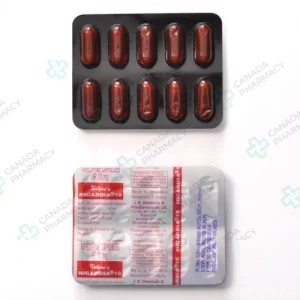
Adalat
Price range: $ 41,00 through $ 267,00
Active substance: Nifedipine
More Details
This product has multiple variants. The options may be chosen on the product page
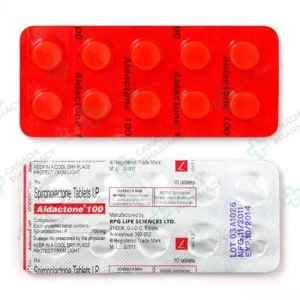
Aldactone
Price range: $ 33,00 through $ 345,00
Active substance: Spironolactone
More Details
This product has multiple variants. The options may be chosen on the product page
Aquazide
Price range: $ 18,00 through $ 30,00
Active substance: hydrochlorothiazide
More Details
This product has multiple variants. The options may be chosen on the product page

Cardizem
Price range: $ 24,00 through $ 389,00
Active substance: Diltiazem
More Details
This product has multiple variants. The options may be chosen on the product page
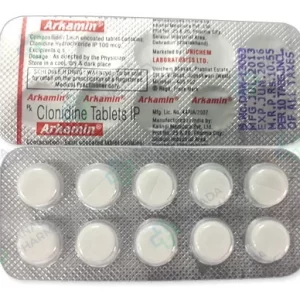
Combipres
Price range: $ 50,00 through $ 202,00
Active substance: chlorthalidone, clonidine hydrochloride
More Details
This product has multiple variants. The options may be chosen on the product page
Digoxin
Price range: $ 48,00 through $ 152,00
Active substance: digoxin
More Details
This product has multiple variants. The options may be chosen on the product page
Doxazosin
Price range: $ 42,00 through $ 332,00
Active substance: Doxazosin
More Details
This product has multiple variants. The options may be chosen on the product page