

-39%
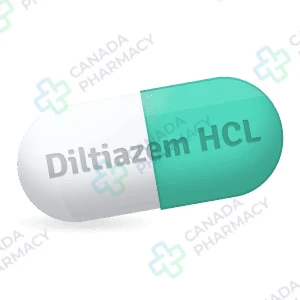

Diltiazem
Price range: $ 49,00 through $ 590,00
Dipyridamole
Price range: $ 43,00 through $ 257,00
Diltiazem HCL
Price range: $ 52,00 through $ 393,00
Diltiazem HCL is a highly effective calcium channel blocker used primarily to manage various cardiovascular conditions. It works by relaxing the muscles of your heart and blood vessels, which helps to significantly lower high blood pressure. This medication is also commonly prescribed to prevent chronic stable angina and improve exercise tolerance by increasing blood flow to the heart. Additionally, Diltiazem HCL is utilized to control certain heart rhythm disorders, ensuring a steady and healthy heartbeat. By effectively managing these conditions, the treatment helps reduce the long-term risk of heart attacks and strokes.
Active substance: Diltiazem
Delivery: 5–21 days (depending on the shipping method)
Extra 10% discount with coupon: IT4K6SVM
Each dosage option has its own packaging choices.
Description
Diltiazem HCL – What You Need to Know
Diltiazem HCL belongs to a group of cardiovascular medications known as non-dihydropyridine calcium channel blockers. It is an FDA-approved prescription medication indicated for the management of hypertension, chronic stable angina, and specific supraventricular cardiac arrhythmias.
By relaxing coronary vascular smooth muscle and decreasing sinoatrial and atrioventricular conduction, diltiazem hydrochloride reduces blood pressure and heart workload. This medication must be taken strictly under the guidance of a licensed healthcare provider in accordance with federal prescription regulations.
| Property | Details |
|---|---|
| Drug Name | Diltiazem HCL (Diltiazem Hydrochloride) |
| Active Ingredient | Diltiazem Hydrochloride |
| Therapeutic Class | Calcium Channel Blocker (Non-Dihydropyridine) |
| Dosage Form | Oral Tablets, Extended-Release Capsules, Intravenous Solution |
| Route of Administration | Oral, Intravenous |
| Prescription Status | Prescription only (Rx) |
| Primary Purpose | Hypertension management and chronic stable angina relief |
How the Drug Works
Diltiazem HCL inhibits the influx of extracellular calcium ions across the cellular membranes of myocardial cells and vascular smooth muscle cells during depolarization. This inhibition prevents calcium-dependent muscular contractions. In vascular smooth muscle, diltiazem produces relaxation of coronary and peripheral arteries, resulting in vasodilation, decreased systemic vascular resistance, and lowered systolic and diastolic blood pressure. In cardiac tissue, diltiazem slows conduction through the atrioventricular (AV) node and prolongs the refractory period. This dual action reduces myocardial oxygen demand and helps control excessively rapid heart rhythms without significantly suppressing cardiac contractility in patients with normal ventricular function.
Main Uses
Diltiazem HCL is FDA-approved for several cardiovascular conditions. It is indicated for the treatment of hypertension, where lowering blood pressure reduces the overall risk of fatal and nonfatal cardiovascular events, such as strokes and heart attacks. It is also indicated for the management of chronic stable angina pectoris and angina due to coronary artery spasm (Prinzmetal’s angina). Intravenous formulations are approved for the temporary control of rapid ventricular rate in atrial fibrillation or atrial flutter, as well as the rapid conversion of paroxysmal supraventricular tachycardia (PSVT) to sinus rhythm. Off-label uses include Raynaud’s phenomenon prophylaxis and rate control in specific non-acute arrhythmia settings, which must be evaluated individually by a physician.
Dosing Schedule
Dosing of diltiazem HCL must be individualized based on clinical response, blood pressure monitoring, and pulse rate. Immediate-release oral tablets are typically administered three to four times daily before meals and at bedtime, starting at lower doses such as 30 mg four times daily and titrated gradually under medical supervision. Extended-release (ER) capsules are formulated for once-daily administration, usually in the morning or at bedtime depending on the specific formulation prescribed. Doses for extended-release preparations range from 120 mg to 360 mg daily for hypertension or angina. Extended-release products must be swallowed whole and should not be crushed, chewed, or split unless specifically directed by official product labeling.
How It’s Absorbed and Eliminated
Diltiazem HCL is rapidly and almost completely absorbed from the gastrointestinal tract following oral administration. However, due to extensive first-pass hepatic metabolism, the absolute systemic bioavailability of oral diltiazem is approximately 40%. Peak plasma concentrations occur within 2 to 4 hours for immediate-release tablets and between 6 and 14 hours for sustained-release and extended-release formulations. Approximately 70% to 80% of circulating diltiazem is bound to plasma proteins. The drug is extensively metabolized in the liver via the cytochrome P450 enzyme system, specifically CYP3A4, producing active metabolites including desacetyldiltiazem. The elimination half-life ranges from 3 to 9 hours depending on the formulation. Less than 4% of unchanged diltiazem is excreted in the urine, with the remainder excreted as metabolites in urine and bile.
Food and Alcohol Interactions
Food does not significantly impair the overall extent of diltiazem absorption, though taking immediate-release formulations prior to meals is recommended to optimize clinical effect. Patients taking diltiazem HCL must avoid grapefruit and grapefruit juice. Grapefruit inhibits intestinal CYP3A4 enzymes, which can significantly elevate diltiazem concentrations in the bloodstream, increasing the risk of adverse reactions such as severe hypotension and slow heart rate. Alcohol consumption should be limited or avoided during treatment, as ethanol can compound the blood pressure-lowering effects of diltiazem, causing pronounced dizziness, orthostatic lightheadedness, or syncope.
Compatibility with Other Medicines
Diltiazem HCL acts as a moderate inhibitor of the CYP3A4 enzyme system and P-glycoprotein, which creates potential for significant interactions with other drugs. Concomitant administration with beta-blockers (such as metoprolol or atenolol) or digitalis glycosides (digoxin) increases the risk of severe bradycardia and heart block due to additive effects on cardiac conduction. Co-administration of diltiazem with statins metabolized by CYP3A4 (such as simvastatin or lovastatin) markedly increases serum statin concentrations, raising the risk of muscle toxicity and rhabdomyolysis. Potent CYP3A4 inhibitors (e.g., ketoconazole, clarithromycin) may elevate diltiazem levels, whereas CYP3A4 inducers (e.g., rifampin, carbamazepine, St. John’s wort) can lower diltiazem plasma levels and reduce therapeutic effectiveness.
Adverse Reactions
Adverse reactions associated with diltiazem HCL are primarily related to its vasodilatory and electrophysiological effects. Common side effects reported in clinical trials include peripheral edema (lower extremity swelling), headache, dizziness, fatigue, flushing, nausea, and first-degree AV block. Gastrointestinal complaints such as constipation and dyspepsia may also occur. Less common but serious adverse events include marked sinus bradycardia, severe hypotension, second- or third-degree AV block, sinus node dysfunction (sick sinus syndrome), and worsening congestive heart failure. Rarely, patients may experience elevated liver enzymes or severe cutaneous hypersensitivity reactions, including Stevens-Johnson syndrome or generalized pustular rash, requiring prompt medical intervention.
Red Flags
Emergency medical care must be sought immediately if signs of a life-threatening hypersensitivity reaction occur, such as swelling of the face, lips, tongue, or throat, or difficulty swallowing and breathing. Immediate medical attention is also necessary if a patient experiences severe shortness of breath, unexplained fainting (syncope), an excessively slow heart rate (under 50 beats per minute), worsening chest pain, or widespread skin rash with blistering and peeling. These critical signs may indicate acute cardiotoxicity, severe heart block, or serious dermatologic reactions.
If You Skip a Dose
If a dose of diltiazem HCL is missed, it should be taken as soon as remembered on that day. If it is almost time for the next scheduled dose, skip the missed dose and resume the normal dosing schedule. Do not double the dose or take extra medication to make up for a missed tablet or capsule, as taking excessive quantities can induce severe low blood pressure or hazardous drops in heart rate.
Important Precautions
Diltiazem HCL is contraindicated in patients with sick sinus syndrome or second- or third-degree AV block (except in the presence of a functioning ventricular pacemaker), severe hypotension (systolic blood pressure below 90 mmHg), acute myocardial infarction with pulmonary congestion, and known hypersensitivity to the drug. Caution is required when administering diltiazem to patients with impaired hepatic or renal function, as drug clearance may be diminished. Elderly patients often display increased sensitivity to hypotension and bradycardia; cautious dosage titration starting at the low end of the dosing range is recommended. Diltiazem is excreted in human milk, and alternative feeding or treatment options should be discussed with a healthcare provider. Use during pregnancy should occur only if potential benefits justify potential risks to the fetus.
Storage and Expiration
Diltiazem HCL formulations should be stored at controlled room temperature between 20°C to 25°C (68°F to 77°F), with permitted excursions between 15°C and 30°C (59°F and 86°F). Store the medication in a tight, light-resistant container away from excessive moisture, heat, and direct sunlight. Do not store in humid environments such as bathrooms. Keep out of reach of children and pets, and dispose of expired or unused medication safely in compliance with local pharmacy waste guidelines.
Common Questions
Can diltiazem HCL be stopped abruptly if blood pressure normalizes?
No, diltiazem HCL should not be discontinued abruptly without consulting a doctor. Sudden cessation of calcium channel blockers can lead to rebound hypertension or severe exacerbation of angina pectoris. If the drug must be discontinued, the dosage is typically reduced gradually under close medical supervision.
How does diltiazem differ from other calcium channel blockers like amlodipine?
Diltiazem is a non-dihydropyridine calcium channel blocker, whereas amlodipine is a dihydropyridine. Diltiazem affects both vascular smooth muscle and the cardiac conduction system (slowing heart rate and AV node conduction), whereas dihydropyridines like amlodipine primarily cause peripheral vascular dilation with minimal direct effect on heart rate.
What should I do if my heart rate drops significantly while taking diltiazem?
Because diltiazem slows electrical conduction in the heart, it can cause bradycardia. If your resting pulse drops consistently below 50 beats per minute, or if you feel severe lightheadedness, weakness, or dizziness, notify your prescribing healthcare provider promptly so your dosage can be re-evaluated.
Is it safe to exercise while taking diltiazem HCL?
Moderate physical activity is generally encouraged for cardiovascular health, but diltiazem blunts the normal increase in heart rate during exertion. Consult your physician before initiating or altering an exercise regimen to establish appropriate heart rate targets and safety parameters.
Can diltiazem extended-release capsules be opened and sprinkled on food?
Some specific brand formulations of extended-release diltiazem capsules permit opening the capsule to sprinkle contents over soft foods like applesauce, provided the granules are swallowed immediately without chewing. However, this varies by product formulation. Always check your specific prescription labeling and consult your pharmacist before altering how you take your capsule.
This content is informational and does not replace a consultation with your doctor or pharmacist. In accordance with FDA requirements.
Additional information
| Dosage |
60 mg ,120 mg ,180 mg |
|---|---|
| Package |
30 pills ,60 pills ,90 pills ,120 pills ,180 pills ,360 pills |
| Ενεργός Ουσία |
Related products
Aquazide
Price range: $ 18,00 through $ 30,00
Active substance: hydrochlorothiazide
More Details
This product has multiple variants. The options may be chosen on the product page
Benicar
Price range: $ 42,00 through $ 478,00
Active substance: Olmesartan
More Details
This product has multiple variants. The options may be chosen on the product page
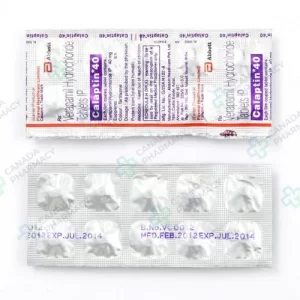
Calan
Price range: $ 46,00 through $ 242,00
Active substance: Verapamil
More Details
This product has multiple variants. The options may be chosen on the product page
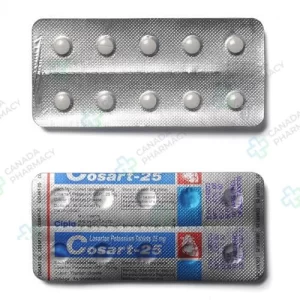
Cozaar
Price range: $ 41,00 through $ 281,00
Active substance: Losartan
More Details
This product has multiple variants. The options may be chosen on the product page
Diltiazem
Price range: $ 49,00 through $ 590,00
Active substance: Diltiazem
More Details
This product has multiple variants. The options may be chosen on the product page
Doxazosin
Price range: $ 42,00 through $ 332,00
Active substance: Doxazosin
More Details
This product has multiple variants. The options may be chosen on the product page
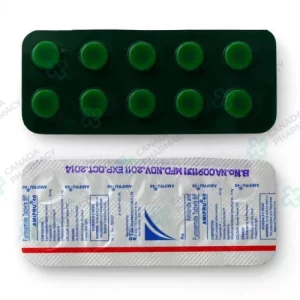
Frumil
Price range: $ 43,00 through $ 202,00
Active substance: Amiloride, furosemide
More Details
This product has multiple variants. The options may be chosen on the product page
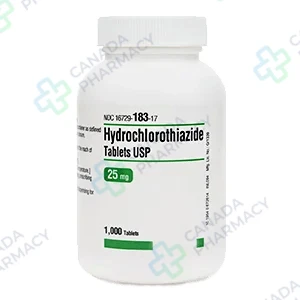
Hydrochlorothiazide
Price range: $ 24,00 through $ 139,00
Active substance: hydrochlorothiazide
More Details
This product has multiple variants. The options may be chosen on the product page