

-33%
Coversyl
Price range: $ 40,00 through $ 540,00
Crestor
Price range: $ 50,00 through $ 435,00
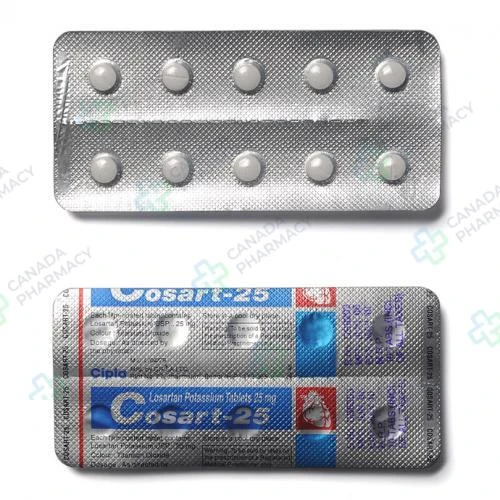
Cozaar
Price range: $ 41,00 through $ 281,00
Cozaar is an effective medication primarily used to treat high blood pressure in both adults and children. As an angiotensin II receptor blocker, it works by relaxing blood vessels to allow blood to flow more easily throughout the body. This treatment is also indicated to lower the risk of stroke in patients who have both hypertension and left ventricular hypertrophy. Furthermore, Cozaar helps protect the kidneys and slow the progression of renal disease in patients with type 2 diabetes. By managing blood pressure effectively, this medication helps prevent serious cardiovascular events and supports long-term heart health.
Active substance: Losartan
Delivery: 5–21 days (depending on the shipping method)
Extra 10% discount with coupon: IT4K6SVM
Each dosage option has its own packaging choices.
Description
Cozaar belongs to a group of medicines called angiotensin II receptor blockers (ARBs). It is prescribed by healthcare providers to manage high blood pressure, decrease the risk of stroke in certain populations, and protect kidney function in individuals with type 2 diabetes. Available by prescription only, this oral medication helps regulate cardiovascular function through targeted vascular mechanisms.
Proper use of Cozaar requires ongoing medical oversight, consistent daily administration, and routine laboratory monitoring to evaluate renal parameters and serum electrolyte levels.
| Parameter | Details |
|---|---|
| Active ingredient | Losartan potassium |
| Therapeutic class | Angiotensin II Receptor Blocker (ARB) |
| Dosage form | Oral film-coated tablet (25 mg, 50 mg, 100 mg) |
| Route of administration | Oral |
| Prescription status | Prescription (Rx) only |
| Primary purpose | Hypertension management and stroke risk reduction |
Clinical Profile and Usage Guidelines
Main uses
Cozaar is indicated for several primary cardiovascular and metabolic conditions under federal regulatory approvals:
- Hypertension: It is used alone or in combination with other antihypertensive agents to lower elevated blood pressure in adults and pediatric patients aged 6 years and older.
- Stroke Risk Reduction: It is prescribed to reduce the risk of stroke in patients with hypertension and left ventricular hypertrophy. Evidence suggests this benefit may not apply equally to Black patients.
- Diabetic Nephropathy: It is indicated for the treatment of diabetic nephropathy in patients with type 2 diabetes, elevated serum creatinine, and proteinuria, helping slow the progression of renal disease.
How the drug works
Angiotensin II is a potent hormone that binds to AT1 receptors found in vascular smooth muscle and adrenal glands. This binding causes blood vessels to constrict and prompts the release of aldosterone, which leads to sodium and water retention. Cozaar selectively blocks the binding of angiotensin II to the AT1 receptor site in many tissues. By blocking these receptors, the medication inhibits vasoconstriction and aldosterone secretion, resulting in systemic vasodilation and reduced vascular resistance.
Dosing schedule
Dosing of Cozaar must be individualized based on the patient’s medical condition and clinical response. For adult hypertension, the standard initial dose is 50 mg taken orally once daily. Depending on blood pressure response, the dosage may be adjusted to a range of 25 mg to 100 mg daily, administered as a single dose or divided into two daily doses. Patients with intravascular volume depletion or hepatic impairment generally start at a lower initial dose of 25 mg daily. For diabetic nephropathy, the typical target maintenance dose is 100 mg once daily.
What happens in the body
Following oral administration, Cozaar is well absorbed and undergoes significant first-pass hepatic metabolism. It is converted via cytochrome P450 enzymes (specifically CYP2C9 and CYP3A4) into an active carboxylic acid metabolite designated as E-3174. This active metabolite is pharmacologically more potent than the parent compound and accounts for most of the angiotensin II receptor antagonism. The systemic bioavailability of losartan is approximately 33%. Peak plasma concentrations of losartan occur within 1 hour, whereas peak levels of the active metabolite are reached in 3 to 4 hours. The terminal elimination half-life is about 2 hours for losartan and 6 to 9 hours for its active metabolite. Elimination occurs through both renal (35%) and biliary/fecal (60%) excretion routes.
What you may notice early on
When starting treatment with Cozaar, blood pressure reduction typically begins within 1 week of initiating therapy, with the maximal therapeutic effect usually observed within 3 to 6 weeks. Patients may notice mild dizziness or lightheadedness during the first few days as the body adapts to lower blood pressure levels. Routine self-monitoring of blood pressure at home helps track early therapeutic responses.
Safety and Management
Compatibility with other medicines
Cozaar can interact with several classes of medications, requiring careful clinical management:
- Potassium Supplements and Potassium-Sparing Diuretics: Concomitant use with potassium-sparing diuretics (such as spironolactone or triamterene), potassium supplements, or salt substitutes containing potassium increases the risk of elevated serum potassium (hyperkalemia).
- Nonsteroidal Anti-inflammatory Drugs (NSAIDs): In elderly, volume-depleted, or renal-compromised patients, co-administration of NSAIDs (including COX-2 inhibitors) may cause deterioration of kidney function and diminish the antihypertensive effect.
- Lithium: Reversible increases in serum lithium concentrations and toxicity have been reported during concomitant use with ARBs.
- Dual Blockade of the Renin-Angiotensin System: Combining Cozaar with aliskiren is contraindicated in patients with diabetes and should be avoided in patients with renal impairment.
Adverse reactions
Most side effects associated with Cozaar are mild and transient. Frequently documented adverse reactions in clinical trials include:
- Dizziness and orthostatic lightheadedness
- Upper respiratory tract infections and nasal congestion
- Back pain and musculoskeletal discomfort
- Hyperkalemia (elevated blood potassium levels)
- Rare hypersensitivity reactions, including angioedema (swelling of the face, lips, throat, or tongue)
Important precautions
Boxed Warning – Fetal Toxicity: Drugs that act directly on the renin-angiotensin system can cause injury and death to the developing fetus when used during the second and third trimesters of pregnancy. When pregnancy is detected, Cozaar must be discontinued as soon as possible.
Patients with severe renal impairment, renal artery stenosis, or congestive heart failure require careful monitoring, as blockade of the renin-angiotensin-aldosterone system can lead to acute renal failure. Periodic blood tests to evaluate serum creatinine and potassium levels are standard clinical practice during treatment.
If you skip a dose
If a dose of Cozaar is missed, it should be taken as soon as remembered on the same day. However, if it is almost time for the next scheduled dose, skip the missed dose and resume the regular dosing schedule. Double doses should never be taken to compensate for a missed tablet.
Practical tips
Cozaar may be taken with or without food. Establishing a routine by taking the tablet at the same time each day helps maintain consistent plasma concentrations. Patients experiencing lightheadedness upon standing should transition slowly from sitting or lying positions to standing.
Storage and expiration
Store Cozaar tablets at controlled room temperature between 20°C to 25°C (68°F to 77°F). Brief excursions are permitted between 15°C and 30°C (59°F and 86°F). Keep the container tightly closed, protected from light and excessive moisture, and out of reach of children. Discard any medication that has passed its printed expiration date.
Common Questions
Does Cozaar cause a persistent dry cough like ACE inhibitors?
Dry cough is significantly less common with ARBs like Cozaar than with ACE inhibitors. ACE inhibitors prevent the breakdown of bradykinin, which triggers a dry cough in susceptible individuals. Cozaar acts directly on the angiotensin receptor without inhibiting bradykinin breakdown, resulting in a much lower incidence of persistent cough.
Can Cozaar be taken during pregnancy?
No. Cozaar carries a explicit Boxed Warning against use during pregnancy. Exposure to medications that affect the renin-angiotensin system during the second and third trimesters can cause fetal injury, renal failure, skull hypoplasia, and fetal death. Women of childbearing potential should discuss alternative antihypertensive options with their prescriber.
How long does it take for Cozaar to achieve its full blood pressure lowering effect?
While initial reductions in blood pressure can occur within 1 week of starting therapy, the full therapeutic effect of a given dose is typically observed after 3 to 6 weeks of continuous daily use. Dosage adjustments are generally evaluated over this timeframe.
Is special dietary monitoring required while taking Cozaar?
Patients taking Cozaar should be cautious regarding high-potassium diets, potassium supplements, and salt substitutes that contain potassium. Because Cozaar can increase potassium retention in the body, excessive dietary intake of potassium may lead to hyperkalemia. Specific dietary guidance should be provided by a healthcare professional.
This content is informational and does not replace a consultation with your doctor or pharmacist. In accordance with FDA requirements.
Additional information
| Dosage |
25mg ,50mg ,100 mg |
|---|---|
| Package |
30 pills ,56 pills ,60 pills ,90 pills ,112 pills ,120 pills ,180 pills ,224 pills ,270 pills ,360 pills |
| Ενεργός Ουσία |
Related products
Benicar
Price range: $ 42,00 through $ 478,00
Active substance: Olmesartan
More Details
This product has multiple variants. The options may be chosen on the product page

Cardizem
Price range: $ 24,00 through $ 389,00
Active substance: Diltiazem
More Details
This product has multiple variants. The options may be chosen on the product page
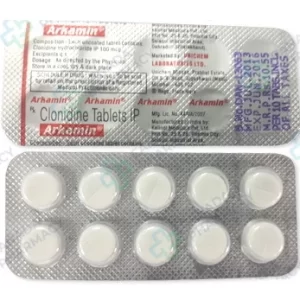
Clonidine
Price range: $ 40,00 through $ 95,00
Active substance: clonidine
More Details
This product has multiple variants. The options may be chosen on the product page
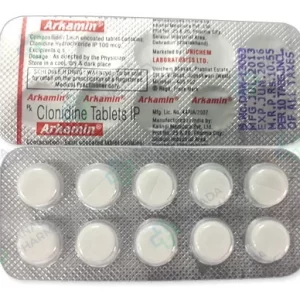
Combipres
Price range: $ 50,00 through $ 202,00
Active substance: chlorthalidone, clonidine hydrochloride
More Details
This product has multiple variants. The options may be chosen on the product page
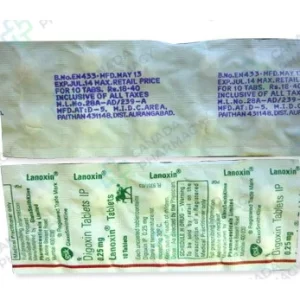
Digoxin
Price range: $ 48,00 through $ 152,00
Active substance: digoxin
More Details
This product has multiple variants. The options may be chosen on the product page

Diltiazem HCL
Price range: $ 52,00 through $ 393,00
Active substance: Diltiazem
More Details
This product has multiple variants. The options may be chosen on the product page
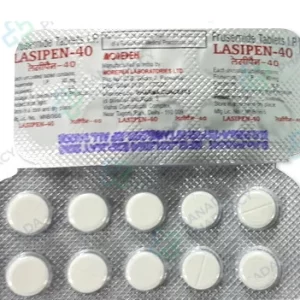
Furosemide
Price range: $ 46,00 through $ 193,00
Active substance: furosemide
More Details
This product has multiple variants. The options may be chosen on the product page
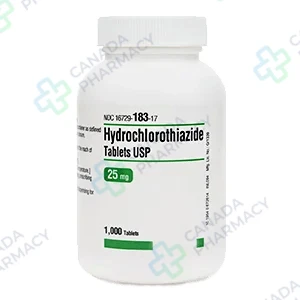
Hydrochlorothiazide
Price range: $ 24,00 through $ 139,00
Active substance: hydrochlorothiazide
More Details
This product has multiple variants. The options may be chosen on the product page