

-33%

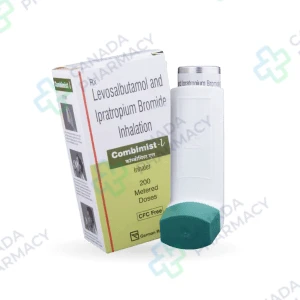
Combimist L Inhaler
Price range: $ 60,00 through $ 81,00
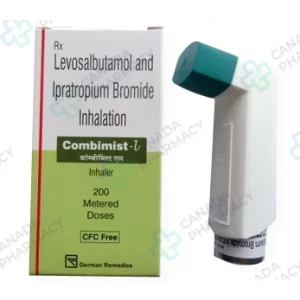
Combivent
Price range: $ 128,00 through $ 384,00
Combipres
Price range: $ 50,00 through $ 202,00
Combipres is an effective combination medication specifically formulated to manage high blood pressure in adults. This treatment combines two active ingredients, clonidine and chlorthalidone, which work together to relax blood vessels and reduce excess fluid in the body. By lowering arterial pressure, the medication helps decrease the workload on the heart and promotes better cardiovascular health. Consistent use of this therapy can significantly reduce the long-term risks associated with uncontrolled hypertension, such as strokes and heart attacks. This reliable antihypertensive solution provides a convenient way to achieve stable blood pressure levels through a dual-action approach.
Active substance: chlorthalidone, clonidine hydrochloride
Delivery: 5–21 days (depending on the shipping method)
Extra 10% discount with coupon: IT4K6SVM
Each dosage option has its own packaging choices.
Description
Combipres belongs to a class of combination cardiovascular medications containing a centrally acting alpha-2 adrenergic agonist and a thiazide-like diuretic. Prescribed for the management of hypertension, this oral formulation integrates two distinct physiological pathways to help lower blood pressure. In accordance with U.S. Food and Drug Administration (FDA) regulations, this medication is dispensed exclusively with a valid prescription from a licensed healthcare provider.
The combined action of its active components–clonidine hydrochloride and chlorthalidone–provides blood pressure control for individuals requiring dual therapy. Proper administration requires strict adherence to professional guidance to prevent rebound hypertensive episodes and monitor electrolyte levels during treatment.
| Drug Name | Combipres |
| Active Ingredients | Clonidine hydrochloride, Chlorthalidone |
| Therapeutic Class | Centrally acting antihypertensive and diuretic combination |
| Dosage Form | Oral tablet |
| Route of Administration | Oral |
| Prescription Status | Prescription (Rx) only |
Core Clinical Overview
Pharmacological mechanism of action
The pharmacological effect of Combipres is derived from the synergistic actions of clonidine hydrochloride and chlorthalidone. Clonidine acts as a central alpha-2 adrenergic receptor agonist within the brainstem. By stimulating these receptors, clonidine reduces sympathetic outflow from the central nervous system, leading to a decrease in peripheral vascular resistance, renal vascular resistance, heart rate, and blood pressure. Chlorthalidone is a long-acting monosulfonamyl thiazide-like diuretic. It inhibits sodium and chloride reabsorption in the cortical diluting segment of the ascending limb of the loop of Henle and the early distal renal tubule. This enhances the excretion of sodium, chloride, and water, thereby reducing plasma volume and extracellular fluid volume, which further lowers blood pressure.
FDA-approved indications
Combipres is indicated for the treatment of hypertension in patients for whom combination therapy is deemed clinically appropriate. It is not indicated for the initial therapy of elevated blood pressure, as hypertension management typically begins with single-agent therapy before escalating to fixed-dose combination formulations. Any use of the individual active constituents for conditions outside of hypertension management–such as clonidine for attention deficit hyperactivity disorder (ADHD) or withdrawal syndromes–represents off-label usage relative to this specific combination tablet and must be evaluated separately by a qualified clinician.
Dosage and administration guidelines
Dosage must be individualized according to patient response and therapeutic goals. Combipres tablets are taken orally, usually once or twice daily as directed by the prescribing physician. It is essential that patients do not abruptly discontinue this medication. Sudden cessation of clonidine can precipitate a rapid rebound in blood pressure, accompanied by symptoms such as nervousness, agitation, tremor, and headache. When discontinuation is required, the dosage must be gradually reduced over a period of 2 to 4 days under close medical supervision. The presence of food does not significantly alter the absorption of the active components, allowing administration with or without meals.
Adverse reactions and side effects
Adverse events associated with Combipres reflect the known side-effect profiles of both clonidine and chlorthalidone. Frequent central nervous system reactions include sedation, drowsiness, dizziness, and headache. Dry mouth and gastrointestinal disturbances, such as constipation, nausea, or abdominal discomfort, are commonly reported. Orthostatic hypotension–a sudden drop in blood pressure upon standing–may occur, increasing the risk of lightheadedness or syncope. Electrolyte imbalance is a known effect of the chlorthalidone component, which can cause hypokalemia (low serum potassium), hyponatremia, and hyperuricemia (elevated blood uric acid). Patients should report persistent lethargy, muscle cramps, or cardiac palpitations to their physician.
Safety and Practical Use
Absorption and elimination profile
Following oral administration, clonidine hydrochloride is well absorbed from the gastrointestinal tract, achieving peak plasma concentration within 3 to 5 hours. The elimination half-life of clonidine ranges from 12 to 16 hours in patients with normal renal function, with approximately 50% of the dose excreted unchanged in the urine. Chlorthalidone exhibits a slower absorption profile, with peak concentrations reached in approximately 12 hours. It exhibits extensive binding to red blood cells and plasma proteins. The elimination half-life of chlorthalidone is prolonged, typically ranging between 40 and 60 hours, with renal excretion serving as the primary pathway for elimination. Renal impairment significantly decreases the clearance of both active ingredients.
Potential drug interactions
Combipres demonstrates potential interactions with several drug classes. Concomitant administration with central nervous system depressants, including alcohol, barbiturates, or sedatives, can enhance depressive central effects. Beta-adrenergic blockers combined with clonidine may exacerbate bradycardia; furthermore, if clonidine therapy is withdrawn while a patient is taking a beta-blocker, severe rebound hypertension may be intensified. Tricyclic antidepressants may diminish the hypotensive efficacy of clonidine. Concomitant use with digitalis glycosides increases the risk of AV block or bradycardia. Diuretic-induced hypokalemia may also increase the cardiac toxicity of digoxin. Nonsteroidal anti-inflammatory drugs (NSAIDs) may attenuate the antihypertensive and diuretic response of chlorthalidone.
Precautions and special population considerations
Caution is warranted in patients with severe coronary insufficiency, recent myocardial infarction, or cerebrovascular disease, as blood pressure reduction may compromise tissue perfusion. Patients with renal impairment require careful dosage titration due to reduced clearance of both active drugs, which heightens the risk of systemic accumulation. In elderly patients, lower initial doses are recommended due to higher susceptibility to orthostatic hypotension and altered renal excretion. Use during pregnancy requires a strict risk-benefit assessment, as chlorthalidone crosses the placental barrier and can cause fetal or neonatal jaundice and electrolyte disturbances. Clonidine is excreted in human milk, necessitating caution during breastfeeding.
Dietary and alcohol considerations
Alcohol consumption should be avoided or strictly limited during treatment with Combipres. Alcohol potentiates the central nervous system depressant effects of clonidine, exacerbating drowsiness, sedation, and impaired motor coordination. It also enhances the hypotensive action, increasing the likelihood of orthostatic dizziness. Patients should maintain adequate fluid intake unless otherwise directed by their physician, as dehydration combined with diuretic therapy can accelerate renal dysfunction and electrolyte imbalance. Serum potassium levels should be monitored, and dietary potassium adjustments should be conducted under medical supervision.
Managing a missed dose
If a dose of Combipres is missed, it should be taken as soon as remembered on the same day. However, if it is almost time for the next scheduled dose, the missed dose should be skipped, and the regular dosing schedule resumed. Patients must never double the dose to compensate for a missed tablet. Missing multiple consecutive doses increases the risk of withdrawal phenomena, including rebound blood pressure elevation. Patients who miss several doses should contact their healthcare provider immediately for guidance on safely restarting therapy.
Storage requirements and expiration
Combipres tablets should be stored at controlled room temperature between 68°F and 77°F (20°C to 25°C), with excursions permitted between 59°F and 86°F (15°C to 30°C). The container must be kept tightly closed and protected from light, heat, and excessive moisture. Medication should not be stored in humid environments such as bathrooms. Expired medications or those no longer required must be disposed of according to local disposal programs or FDA guidelines to prevent accidental ingestion or environmental contamination. Keep out of reach of children.
When to seek immediate medical attention
Immediate emergency medical evaluation is necessary if signs of a severe adverse reaction occur. Key emergency signs include:
- Swelling of the face, lips, tongue, or throat causing difficulty breathing or swallowing.
- Severe chest pain, abnormally slow heartbeat (bradycardia), or rapid, irregular heart rhythms.
- Signs of severe electrolyte loss, such as extreme muscle weakness, severe confusion, or persistent vomiting.
- Sudden severe headache, visual disturbances, or neurological changes indicative of acute hypertensive crisis following missed doses.
- Severe skin reactions featuring blistering, peeling, or spreading rash accompanied by fever.
Frequently asked questions
Q: What happens if Combipres is stopped abruptly?
A: Abrupt discontinuation can lead to rebound hypertension, characterized by a rapid spike in blood pressure, anxiety, tremors, sweating, and severe headaches. Dosages must always be tapered under medical supervision.
Q: Can Combipres cause electrolyte imbalances?
A: Yes. The chlorthalidone component increases renal excretion of potassium and sodium, which can lead to hypokalemia or hyponatremia. Periodic blood tests are performed to monitor electrolyte levels.
Q: Is it safe to drive while taking Combipres?
A: Combipres commonly causes drowsiness, sedation, and dizziness, especially during the initial weeks of treatment. Patients should evaluate their individual response before operating machinery or driving.
Q: How does Combipres interact with other blood pressure medications?
A: Combipres has an additive hypotensive effect when combined with other antihypertensives. Concomitant use with beta-blockers requires special care due to potential bradycardia and severe rebound hypertension upon withdrawal.
Q: Should potassium supplements be taken with Combipres?
A: Potassium supplementation should only be initiated if explicitly prescribed by a physician based on laboratory values showing hypokalemia, as unmonitored intake can lead to dangerous electrolyte disturbances.
This text is for informational purposes only and does not constitute individual medical advice. In accordance with FDA requirements.
Additional information
| Dosage |
0.1mg+20mg |
|---|---|
| Package |
60 pills ,120 pills ,270 pills ,360 pills |
| Ενεργός Ουσία | , |
Related products

Adalat
Price range: $ 41,00 through $ 267,00
Active substance: Nifedipine
More Details
This product has multiple variants. The options may be chosen on the product page
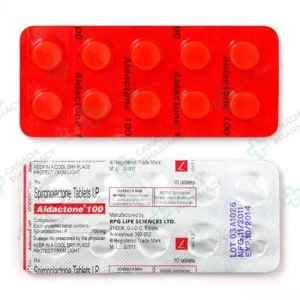
Aldactone
Price range: $ 33,00 through $ 345,00
Active substance: Spironolactone
More Details
This product has multiple variants. The options may be chosen on the product page
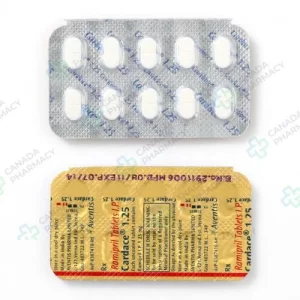
Altace
Price range: $ 40,00 through $ 322,00
Active substance: Ramipril
More Details
This product has multiple variants. The options may be chosen on the product page
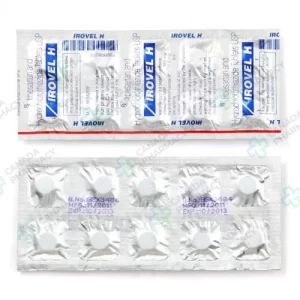
Avalide
Price range: $ 66,00 through $ 333,00
Active substance: Irbesartan
More Details
This product has multiple variants. The options may be chosen on the product page
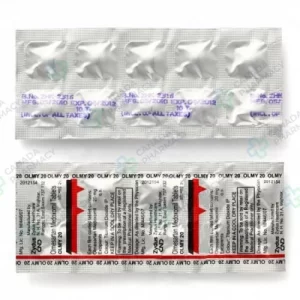
Benicar
Price range: $ 42,00 through $ 478,00
Active substance: Olmesartan
More Details
This product has multiple variants. The options may be chosen on the product page
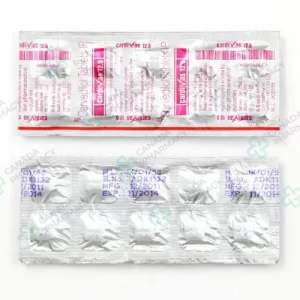
Coreg
Price range: $ 41,00 through $ 651,00
Active substance: Carvedilol
More Details
This product has multiple variants. The options may be chosen on the product page
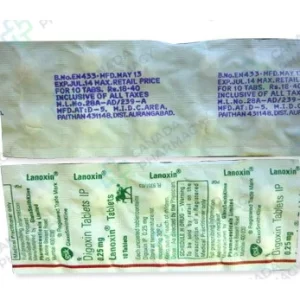
Digoxin
Price range: $ 48,00 through $ 152,00
Active substance: digoxin
More Details
This product has multiple variants. The options may be chosen on the product page

Diltiazem
Price range: $ 49,00 through $ 590,00
Active substance: Diltiazem
More Details
This product has multiple variants. The options may be chosen on the product page