

-10%
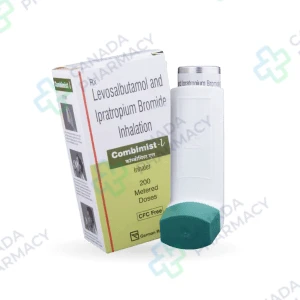
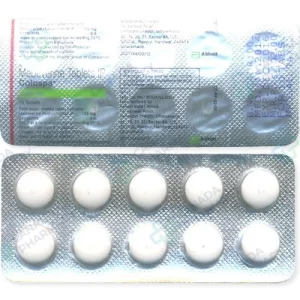
Colospa
Price range: $ 24,00 through $ 311,00
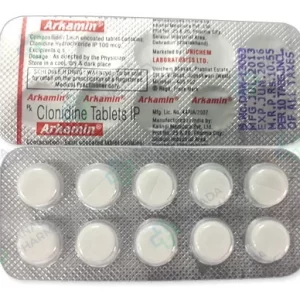
Combipres
Price range: $ 50,00 through $ 202,00
Combimist L Inhaler
Price range: $ 60,00 through $ 81,00
Combimist L Inhaler is a highly effective combination medication designed to manage and prevent symptoms of Chronic Obstructive Pulmonary Disease (COPD). This inhaler features two active ingredients, Levalbuterol and Ipratropium Bromide, which work together to relax the muscles around the airways. By widening the air passages, the medication helps to significantly reduce shortness of breath, wheezing, and coughing. It is particularly beneficial for individuals dealing with chronic bronchitis or emphysema, providing reliable relief for daily respiratory challenges. Regular use of Combimist L helps maintain open airways, allowing for easier breathing and an improved quality of life.
Active substance: ipratropium, Levosalbutamol
Delivery: 5–21 days (depending on the shipping method)
Extra 10% discount with coupon: IT4K6SVM
Each dosage option has its own packaging choices.
Description
Combimist L Inhaler belongs to a class of combination respiratory medications known as bronchodilators, which combine an anticholinergic agent with a selective beta2-adrenergic agonist. In the United States, this formulation is dispensed strictly by prescription (Rx) in accordance with applicable federal and state regulations. It is prescribed to assist in maintaining open airways for individuals diagnosed with chronic obstructive pulmonary disease (COPD).
The combination of levalbuterol sulfate and ipratropium bromide works via complementary physiological pathways to reduce airway resistance and facilitate improved airflow. Understanding the pharmacokinetics, potential side effects, and administration guidelines is essential for safe daily management of chronic pulmonary conditions.
Clinical Overview and Pharmacology
Basic Information
The following overview summarizes key pharmacological parameters of Combimist L Inhaler based on standard medical reference data.
| Parameter | Details |
|---|---|
| Active ingredients | Levalbuterol sulfate, Ipratropium bromide |
| Therapeutic class | Anticholinergic and beta2-adrenergic agonist combination |
| Dosage form | Inhalation aerosol / Metered-dose inhaler |
| Route of administration | Oral inhalation |
| Primary purpose | Management of bronchospasm in COPD |
| Prescription status | Prescription only (Rx) |
| Storage condition | Controlled room temperature (68°F to 77°F / 20°C to 25°C) |
How the drug works
The mechanism of action of Combimist L Inhaler relies on the synergistic pharmacological properties of its two active components. Levalbuterol acts as a selective beta2-adrenergic receptor agonist on pulmonary smooth muscle. Binding to these receptors stimulates intracellular adenyl cyclase, catalyzing the conversion of adenosine triphosphate (ATP) to cyclic-3′,5′-adenosine monophosphate (cyclic AMP). Elevated cyclic AMP levels lead to the activation of protein kinase A, which inhibits muscle phosphorylation and decreases intracellular calcium concentrations, resulting in bronchial smooth muscle relaxation. Levalbuterol represents the single R-enantiomer of albuterol, demonstrating high affinity for beta2-adrenergic receptors.
Ipratropium bromide functions as an anticholinergic (parasympatholytic) agent. It inhibits vagally mediated reflexes by antagonizing acetylcholine at muscarinic receptors on bronchial smooth muscle. By preventing muscarinic receptor activation, ipratropium blocks cholinergic-induced bronchoconstriction. Together, the two agents provide dual bronchodilation targeting distinct physiological pathways in the pulmonary tract.
What happens in the body
Following oral inhalation, the pharmacokinetics of both components reflect distinct systemic and local disposition profiles. Following inhalation of levalbuterol, onset of bronchodilation typically occurs within 5 to 15 minutes, with peak clinical improvement observed between 1 and 1.5 hours post-dose. The median duration of action ranges from 3 to 6 hours. Systemic absorption of levalbuterol occurs through pulmonary tissue, with systemic clearance driven primarily by hepatic metabolism into an inactive sulfate conjugate, followed by renal elimination.
Inhaled ipratropium bromide demonstrates limited systemic bioavailability, as the majority of the swallowed portion passes through the gastrointestinal tract. The pulmonary fraction rapidly exerts localized action on bronchial airways, with bronchodilation taking effect within 15 minutes and peaking between 1 and 2 hours. The elimination half-life of ipratropium is approximately 1.6 hours, with hepatic cleavage yielding inactive metabolites excreted in urine and feces.
Safety Profile and Frequently Asked Questions
What it’s used for and Dosing schedule
What it’s used for: Combimist L Inhaler is indicated for the treatment and maintenance management of reversible bronchospasm associated with chronic obstructive pulmonary disease (COPD), including chronic bronchitis and emphysema. Any use of this combination aerosol for acute severe asthma attacks outside specified clinical protocols is considered off-label and should only be undertaken under direct physician oversight.
Dosing schedule: The dose is determined individually by a licensed healthcare provider based on disease severity and patient response. Standard adult administration typically involves 2 inhalations (puffs) 4 times daily through oral inhalation. Total daily administration should not exceed 12 inhalations in a 24-hour period. Patients should prime the inhaler prior to initial use or when the device has remained unused for several days.
Compatibility with other medicines: Co-administration of Combimist L Inhaler with other sympathomimetic agents may increase the risk of adverse cardiovascular events. Non-potassium-sparing diuretics combined with beta-agonists like levalbuterol can exacerbate hypokalemia and electrocardiographic changes. Beta-receptor blocking agents (such as propranolol) antagonize the therapeutic effects of levalbuterol and may precipitate severe bronchospasm in susceptible patients. Monoamine oxidase inhibitors (MAOIs) and tricyclic antidepressants may potentiate beta-adrenergic effects on the vascular system; caution is advised when co-administered within 14 days of stopping such therapy.
Adverse reactions: Clinical studies and post-marketing surveillance indicate that common side effects include dry mouth, mild tremor, nervousness, headache, dizziness, pharyngitis, and cough. Gastrointestinal disturbances such as nausea or dyspepsia may also occur. Uncommonly, systemic beta-agonist absorption may induce transient palpitations or tachycardia. Paradoxical bronchospasm, characterized by sudden dyspnea following administration, represents a rare but critical adverse reaction requiring immediate treatment discontinuation.
Important precautions and Red flags
Important precautions: Caution is warranted in patients with underlying cardiovascular disorders, including coronary artery disease, cardiac arrhythmias, and hypertension. Patients with convulsive disorders, hyperthyroidism, or diabetes mellitus should be monitored closely due to potential beta-adrenergic metabolic effects. Because ipratropium bromide possesses anticholinergic activity, it must be used with care in individuals diagnosed with narrow-angle glaucoma, prostatic hyperplasia, or bladder neck obstruction. For pregnancy and breastfeeding, use should occur only if the potential benefit justifies potential fetal or infant risk. Safety and effectiveness in pediatric populations depend on specific age threshold guidelines established in approved medical labeling.
Red flags: Emergency medical care should be sought immediately if any of the following severe signs occur: swelling of the face, lips, tongue, or throat causing difficulty swallowing or breathing (anaphylaxis); sudden, severe worsening of shortness of breath immediately after using the inhaler; acute chest pain, rapid or irregular heartbeat; acute eye pain, blurred vision, or visual halos accompanied by red eyes (indicative of narrow-angle glaucoma crisis).
What to avoid while taking it: Patients should monitor their dietary intake of high-caffeine beverages and supplements, as excessive caffeine can compound sympathomimetic effects such as nervousness and cardiac palpitations. Alcohol does not demonstrate direct chemical incompatibility with levalbuterol or ipratropium, but caution is advised if experiencing central nervous system side effects such as dizziness.
Missed dose: If a scheduled inhalation is missed, it should be administered as soon as remembered. However, if it is nearly time for the next scheduled dose, skip the missed dose and resume the regular dosing schedule. Never double the number of inhalations to compensate for a missed dose.
Storage and expiration: Store the pressurized canister at controlled room temperature between 68°F and 77°F (20°C to 25°C), with excursions permitted between 59°F and 86°F (15°C to 30°C). Keep away from extreme heat, open flame, and direct sunlight. Avoid storing in high-humidity environments like bathrooms. Do not puncture or incinerate the canister even when empty. Discard the inhaler after the expiration date printed on the packaging.
Common questions
How rapidly does Combimist L Inhaler begin working after inhalation?
Bronchodilation generally begins within 5 to 15 minutes post-inhalation. Optimal pulmonary airflow improvements peak between 1 and 2 hours after administration.
Is it normal to feel a mild hand tremor or rapid heartbeat after dosing?
Yes, mild muscle tremor and transient heart rate increases are known pharmacological effects of beta-agonists such as levalbuterol. If these symptoms become severe or persistent, contact your prescribing provider.
What should be done if the inhaler spray accidentally gets into the eyes?
Rinse eyes thoroughly with clean water immediately. Accidental ocular exposure to ipratropium bromide may cause temporary blurred vision, pupil dilation, or acute eye pain, especially in individuals prone to narrow-angle glaucoma.
Can this medication be used as a primary rescue inhaler for sudden severe asthma attacks?
Combimist L is primarily formulated for maintenance and acute management of COPD bronchospasm. Standard asthma rescue protocols may recommend distinct single-agent rapid-acting beta-agonists; using this product for acute asthma without specific physician instructions is considered off-label.
How does missing multiple doses affect COPD symptom control?
Skipping doses consistently reduces baseline bronchodilation, potentially leading to increased dyspnea, wheezing, and disease flare-ups. Maintain a regular daily dosing schedule as directed by your physician.
This text is for informational purposes only and does not constitute individual medical advice. Dispensed in accordance with applicable federal and state regulations.
Additional information
| Dosage |
50mcg+20mcg |
|---|---|
| Package |
2 inhaler ,3 inhaler |
| Ενεργός Ουσία | , |
Related products
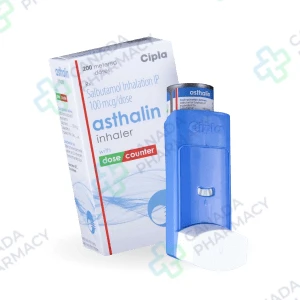
Asthalin Inhaler
Price range: $ 50,00 through $ 215,00
Active substance: Salbutamol
More Details
This product has multiple variants. The options may be chosen on the product page
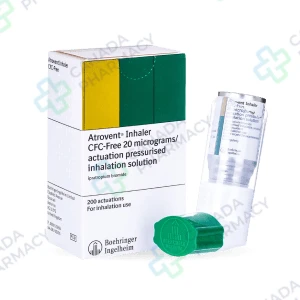
Atrovent
Price range: $ 22,00 through $ 65,00
Active substance: Ipratropium bromide
More Details
This product has multiple variants. The options may be chosen on the product page
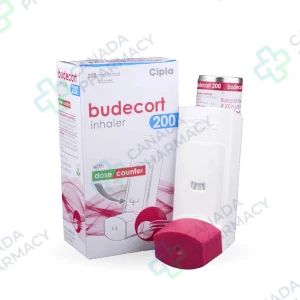
Budecort Inhaler
Price range: $ 17,00 through $ 92,00
Active substance: Budesonide
More Details
This product has multiple variants. The options may be chosen on the product page
Deltasone
Price range: $ 47,00 through $ 296,00
Active substance: Prednisone
More Details
This product has multiple variants. The options may be chosen on the product page
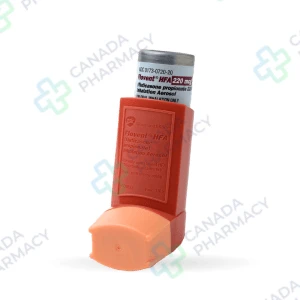
Flovent
Price range: $ 35,00 through $ 90,00
Active substance: fluticasone
More Details
This product has multiple variants. The options may be chosen on the product page
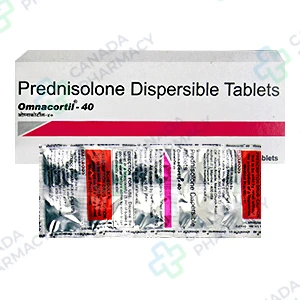
Omnacortil
Price range: $ 51,00 through $ 210,00
Active substance: prednisolone
More Details
This product has multiple variants. The options may be chosen on the product page

Prednisolone
Price range: $ 40,00 through $ 210,00
Active substance: prednisolone
More Details
This product has multiple variants. The options may be chosen on the product page
Rhinocort
Price range: $ 42,00 through $ 381,00
Active substance: Budesonide
More Details
This product has multiple variants. The options may be chosen on the product page