

-41%
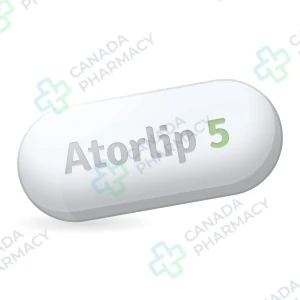
Atorlip 5
Price range: $ 43,00 through $ 157,00
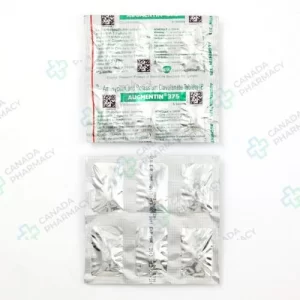
Augmentin
Price range: $ 56,00 through $ 678,00
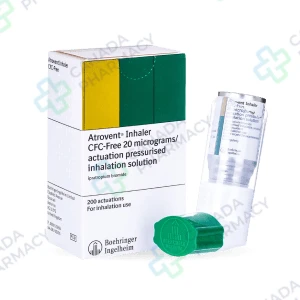
Atrovent
Price range: $ 22,00 through $ 65,00
Atrovent is an effective bronchodilator designed to help manage and prevent symptoms associated with chronic obstructive pulmonary disease (COPD). It works by relaxing the muscles around the airways, allowing them to open wider for improved airflow to the lungs. This medication is primarily used for the long-term maintenance treatment of chronic bronchitis and emphysema. Regular use helps to reduce shortness of breath, wheezing, and chest tightness, significantly enhancing daily respiratory comfort. By providing consistent relief from airway constriction, Atrovent supports better lung function and overall quality of life for patients with respiratory challenges.
Active substance: Ipratropium bromide
Delivery: 5–21 days (depending on the shipping method)
Extra 10% discount with coupon: IT4K6SVM
Each dosage option has its own packaging choices.
Description
Atrovent belongs to a class of respiratory medications known as anticholinergic bronchodilators. It is an FDA-approved prescription drug indicated for the maintenance treatment of bronchospasm associated with chronic obstructive pulmonary disease, including chronic bronchitis and emphysema. Proper administration helps manage day-to-day breathing difficulties by maintaining open respiratory passages.
Because Atrovent is a prescription-only agent, its use must be directed and monitored by a qualified healthcare provider. It is designed for regular daily maintenance rather than immediate relief of sudden, severe asthmatic attacks or acute bronchospastic episodes.
| Attribute | Details |
|---|---|
| Active ingredient | Ipratropium bromide |
| Therapeutic class | Anticholinergic bronchodilator |
| Route of administration | Oral inhalation |
| Primary purpose | Maintenance treatment of COPD-related bronchospasm |
| Prescription status | Prescription (Rx) only |
| Elimination half-life | Approximately 1.6 hours |
Clinical and Pharmacological Profile
How the drug works
The active substance in Atrovent is ipratropium bromide, an anticholinergic (antimuscarinic) compound. The mechanism of action involves inhibiting vagally mediated reflexes by antagonizing the action of acetylcholine at muscarinic receptors in bronchial smooth muscle. Acetylcholine released from parasympathetic nerves normally causes airway constriction and mucus secretion. By blocking these muscarinic receptors, ipratropium bromide prevents intracellular concentrations of cyclic guanosine monophosphate (cGMP) from increasing, thereby leading to bronchodilation. The pharmacological action is local within the pulmonary airways, providing effective bronchodilation with minimal systemic anticholinergic effects compared to systemic belladonna alkaloids.
What happens in the body
Following oral inhalation, the vast majority of the dose is swallowed and excreted largely unchanged in the feces. The portion deposited in the respiratory tract is rapidly absorbed into systemic circulation, though systemic bio-availability remains low (less than 10% of the administered dose). Plasma protein binding of ipratropium bromide is minimal, standing at less than 20%. The drug is partially metabolized into inactive hydrolysis products. The mean elimination half-life is approximately 1.6 hours. The therapeutic onset of bronchodilation typically occurs within 15 minutes of administration, reaching peak effect within 1 to 2 hours, and sustaining therapeutic action for approximately 4 to 6 hours in most individuals.
Main uses
Atrovent is FDA-approved for the regular maintenance treatment of bronchospasm associated with chronic obstructive pulmonary disease (COPD), which encompasses chronic bronchitis and emphysema. It is routinely used to maintain open airways and reduce chronic respiratory symptoms. In clinical practice, off-label administration of ipratropium bromide inhalation solution may occur as an adjunct treatment alongside short-acting beta-agonists during acute asthma exacerbations in emergency settings; however, such use represents an off-label application that must be determined strictly by a managing physician.
Dosing schedule
The dosage of Atrovent must be individualized based on the patient’s therapeutic needs and the specific aerosol or solution formulation prescribed. For the inhalation aerosol formulation, the standard maintenance regimen for adults with COPD is typically two inhalations four times daily, with total daily dosing generally not exceeding eight inhalations in a 24-hour period. When using an inhalation solution via a nebulizer, the customary adult dosage is 500 mcg administered three to four times daily. Proper inhalation technique is critical to ensure adequate pulmonary delivery. Patients must strictly adhere to the dosing schedule prescribed by their healthcare provider and avoid self-adjusting their regimen.
Safety Information and Interactions
Compatibility with other medicines
Concomitant administration of Atrovent with other anticholinergic-containing drugs (such as tiotropium, aclidinium, or ipratropium nasal spray) is generally avoided, as concurrent use may increase the incidence and severity of systemic anticholinergic adverse effects. Co-administration with adrenergic agents (such as albuterol or salmeterol) and xanthine derivatives (such as theophylline) may produce an additive bronchodilatory effect, which can be therapeutically advantageous but requires clinical monitoring. Patients should inform their prescriber of all prescription medications, over-the-counter products, and dietary supplements currently being taken to avoid potential drug interactions.
Adverse reactions
Adverse events associated with Atrovent primarily stem from its local anticholinergic action. Commonly reported side effects include dry mouth, throat irritation, cough, dizziness, headache, and nausea. Gastrointestinal disturbances such as constipation may also occur. Accidental spraying of the aerosol into the eyes can cause temporary ocular discomfort, blurred vision, and pupil dilation. In patients with pre-existing urinary tract outflow obstruction, urinary retention or urinary difficulty has been reported. Most mild side effects resolve as the body adapts to therapy, but persistent or bothersome symptoms should be evaluated by a healthcare professional.
Important precautions
Paradoxical bronchospasm can occur following inhalation of Atrovent, characterized by immediate increase in wheezing and difficulty breathing; if this occurs, treatment must be discontinued immediately and alternative therapy instituted. Caution is required when prescribing this medication to patients with narrow-angle glaucoma, prostatic hyperplasia, or bladder-neck obstruction, as anticholinergic agents may exacerbate these conditions. Immediate hypersensitivity reactions, including urticaria, angioedema, rash, and anaphylaxis, have been reported post-marketing. Patients should be instructed on proper administration techniques to prevent accidental ocular exposure, which could precipitate acute angle-closure glaucoma.
Red flags
Certain clinical signs indicate a potential medical emergency and require immediate healthcare intervention. Sudden, severe dyspnea occurring right after dose administration signals paradoxical bronchospasm. Signs of acute angle-closure glaucoma–such as severe eye pain, visual halos, ocular redness, and blurred vision–demand immediate ophthalmic assessment. Severe allergic reactions involving facial, lip, tongue, or throat swelling, alongside difficulty swallowing, require urgent emergency transport.
| Clinical Symptom / Red Flag | Recommended Immediate Action |
|---|---|
| Sudden increase in wheezing / chest tightness right after dose | Stop medication use immediately and seek emergency medical care |
| Swelling of the face, tongue, lips, or throat | Call 911 or visit the nearest emergency department |
| Eye pain, visual halos, or severe eye redness | Seek immediate medical evaluation by an ophthalmologist or emergency physician |
| Inability to urinate or severe pain during urination | Contact a physician or urgent care center immediately |
Practical Use and Special Considerations
If you skip a dose
If a dose of Atrovent is missed, it should be administered as soon as it is remembered. If it is almost time for the next scheduled dose, the missed dose should be skipped, and the standard dosing schedule resumed. Patients should never double a dose or take extra medication to compensate for a missed administration. Maintaining regular dosing intervals ensures consistent bronchodilation throughout the day.
Special populations
Regarding pregnancy, ipratropium bromide should be used during pregnancy only if the potential benefit justifies the potential risk to the fetus. It is currently unknown whether ipratropium bromide is excreted in human milk; caution should be exercised when administering to nursing mothers. Safety and effectiveness in pediatric COPD patients have not been established. In elderly patients, clinical trials have shown no overall differences in safety or effectiveness compared to younger adult subjects, though increased sensitivity to anticholinergic effects in some older individuals cannot be ruled out.
Storage and expiration
Atrovent should be stored at controlled room temperature, ideally between 68°F and 77°F (20°C to 25°C), with excursions permitted between 59°F and 86°F (15°C to 30°C). The container must be kept away from excessive heat, direct sunlight, and high humidity. Canisters should not be punctured or exposed to open flames or temperatures above 120°F (49°C). Keep all medication out of the reach of children and domestic pets. Expired medication or unused canisters should be safely discarded according to local environmental regulations.
Common Questions
Is Atrovent used as a fast-acting rescue inhaler for sudden asthma attacks?
Atrovent is designed primarily as a maintenance therapy for daily bronchospasm control in COPD and is not designated as a primary single-agent rescue inhaler for acute asthmatic fits. Short-acting beta-agonists (such as albuterol) are typically prescribed for rapid relief of sudden shortness of breath. Although ipratropium may be added to emergency protocols alongside beta-agonists in hospital settings, patients must rely on their designated rescue medication for acute breathing distress unless instructed otherwise by their doctor.
What should be done if Atrovent accidentally sprays into the eyes?
If the aerosol mist accidentally comes into contact with the eyes, it can cause temporary blurred vision, pupil dilation, and ocular discomfort. Affected individuals should flush their eyes gently with clean water immediately. If eye pain, persistent blurred vision, or visual halos around lights develop, prompt consultation with an eye care professional or physician is necessary to rule out acute angle-closure glaucoma.
Can Atrovent be combined with albuterol in a nebulizer?
Yes, healthcare providers frequently prescribe combination therapy involving ipratropium bromide and albuterol for enhanced bronchodilation, as the two drugs act through different pharmacologic mechanisms. Combination solutions containing both active ingredients are commercially available. However, combining medications in a single nebulizer chamber should only be done under the explicit instruction and guidance of a licensed prescriber.
Does Atrovent cause permanent dry mouth?
Dry mouth is a known anticholinergic effect of ipratropium bromide inhalation, but it is typically mild and temporary. It does not cause permanent damage to salivary glands. Sucking on sugarless candies, chewing sugarless gum, or maintaining adequate hydration often helps relieve this symptom. If dry mouth becomes severe or leads to oral irritation, the issue should be discussed with a healthcare provider.
Can alcohol be consumed while undergoing treatment with Atrovent?
There are no direct chemical interactions between alcohol and ipratropium bromide noted in the standard drug safety labeling. However, excessive alcohol consumption can contribute to systemic dehydration or exacerbate central nervous system side effects like dizziness. Patients are advised to discuss their alcohol consumption habits with their prescribing physician to ensure safe overall treatment.
In accordance with FDA requirements.
This material is educational. Only a licensed prescriber can determine whether a medication is appropriate for you.
Additional information
| Dosage |
20 mcg |
|---|---|
| Package |
1 inhaler ,2 inhaler ,3 inhaler ,4 inhaler ,5 inhaler |
| Ενεργός Ουσία |
Related products
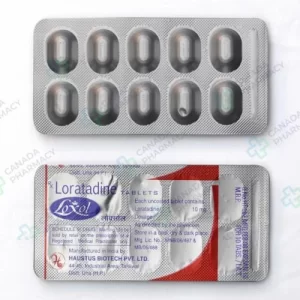
Claritin
Price range: $ 43,00 through $ 143,00
Active substance: Loratadine
More Details
This product has multiple variants. The options may be chosen on the product page
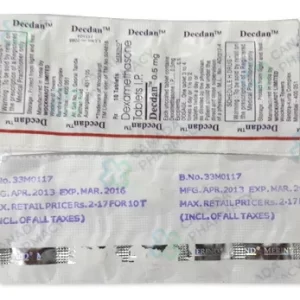
Decadron
Price range: $ 12,00 through $ 182,00
Active substance: Dexamethasone
More Details
This product has multiple variants. The options may be chosen on the product page
Deltasone
Price range: $ 47,00 through $ 296,00
Active substance: Prednisone
More Details
This product has multiple variants. The options may be chosen on the product page
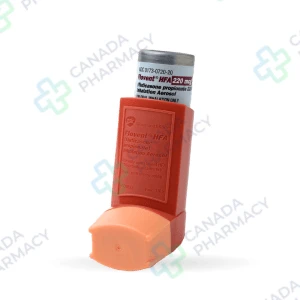
Flovent
Price range: $ 35,00 through $ 90,00
Active substance: fluticasone
More Details
This product has multiple variants. The options may be chosen on the product page
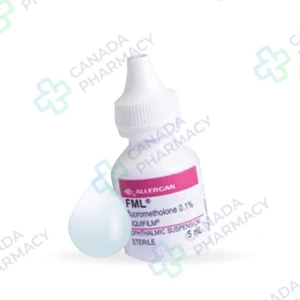
FML Forte
Price range: $ 43,00 through $ 166,00
Active substance: Fluorometholone
More Details
This product has multiple variants. The options may be chosen on the product page
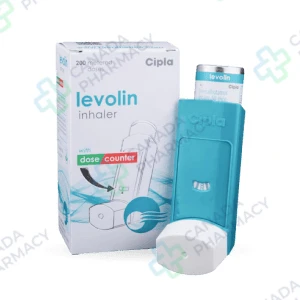
Levolin Inhaler
Price range: $ 9,00 through $ 48,00
Active substance: Levosalbutamol
More Details
This product has multiple variants. The options may be chosen on the product page
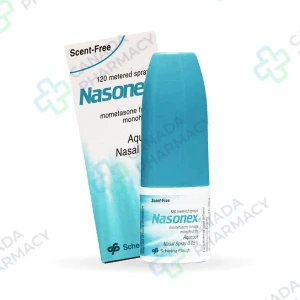
Nasonex nasal spray
Price range: $ 62,00 through $ 276,00
Active substance: Mometasone Furoate Monohydrate
More Details
This product has multiple variants. The options may be chosen on the product page
Quibron-T
Price range: $ 43,00 through $ 492,00
Active substance: Theophylline
More Details
This product has multiple variants. The options may be chosen on the product page