

-14%
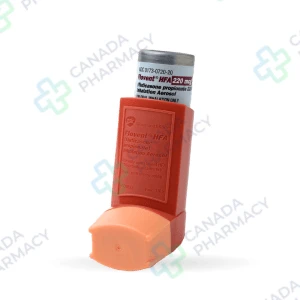

Florinef
Price range: $ 51,00 through $ 367,00
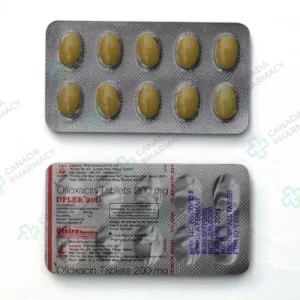
Floxin
Price range: $ 46,00 through $ 335,00
Flovent
Price range: $ 35,00 through $ 90,00
Flovent is an inhaled corticosteroid designed for the long-term maintenance treatment of asthma in both adults and children. It works by reducing swelling and irritation in the airways, making it significantly easier to breathe over time. This medication is specifically used as a preventative measure to help decrease the frequency and severity of asthma attacks. When used daily, Flovent helps to manage chronic respiratory symptoms and contributes to improved overall lung function. By targeting underlying inflammation, this inhaler provides a reliable solution for individuals seeking consistent and effective control over their asthma.
Active substance: fluticasone
Delivery: 5–21 days (depending on the shipping method)
Extra 10% discount with coupon: IT4K6SVM
Each dosage option has its own packaging choices.
Description
Flovent belongs to a class of medications known as inhaled corticosteroids, designed to suppress airway inflammation in respiratory conditions. It is prescribed for the long-term maintenance treatment and prophylaxis of asthma in adult and pediatric patients aged 4 years and older. Because Flovent is a prescription-only controller medication, it must be administered daily on a regular schedule and should never be used as a rescue inhaler to relieve sudden bronchospasm.
Patients using this drug should be aware of essential safety guidelines, proper administration techniques, and potential drug interactions to ensure safe and effective therapy. Proper mouth rinsing after each inhalation and strict adherence to prescribed dosing instructions are critical steps in minimizing both localized and systemic adverse effects.
Important Safety Precautions and Clinical Indications
| Parameter | Clinical Specification |
|---|---|
| Active Ingredient | Fluticasone propionate |
| Therapeutic Class | Inhaled corticosteroid (ICS) |
| Prescription Status | Prescription only (Rx) |
| Route of Administration | Oral inhalation |
| Primary Purpose | Asthma maintenance and prophylaxis |
| Dosing Frequency | Typically twice daily (morning and evening) |
Important Precautions
Warning: Inhaled corticosteroids like Flovent carry serious precautions regarding systemic absorption and systemic corticosteroid effects. Transferring patients from systemic corticosteroid therapy to Flovent requires careful monitoring, as adrenal insufficiency may occur during or after transfer. Severe asthma exacerbations or deaths due to adrenal insufficiency have been reported during and after transfer from systemic corticosteroids to less systemically available inhaled corticosteroids. Additionally, patients on immunosuppressive dosages of corticosteroids are more susceptible to infections than healthy individuals; exposure to chickenpox or measles can have a more serious or even fatal outcome in susceptible pediatric or adult patients. Decreases in bone mineral density and reduction in growth velocity in pediatric patients have also been documented with prolonged use. Patients with active or quiescent tuberculosis infection, untreated systemic fungal, bacterial, viral, or parasitic infections, or ocular herpes simplex must be evaluated carefully before initiating therapy.
Main Uses
Flovent is indicated solely for the maintenance treatment of asthma as prophylactic therapy in adult and pediatric patients 4 years of age and older. It helps reduce the frequency and severity of asthma attacks by dampening baseline inflammation within the bronchial passages. Warning: Flovent is not indicated for the relief of acute bronchospasm or acute asthma attacks. Patients must maintain a separate short-acting beta2-agonist (such as albuterol) for immediate symptom relief during acute asthma symptoms. Any off-label use for non-approved respiratory conditions must be strictly supervised by a qualified physician, as efficacy and safety parameters outside approved indications have not been formally established by the FDA.
How the Drug Works
Fluticasone propionate is a synthetic trifluorinated corticosteroid that exhibits potent anti-inflammatory activity within the respiratory airways. Inflammatory processes play a primary role in the pathogenesis of asthma, involving multiple cell types (such as mast cells, eosinophils, neutrophils, macrophages, and lymphocytes) and inflammatory mediators (including histamine, eicosanoids, leukotrienes, and cytokines). Fluticasone propionate inhibits these cellular responses and decreases microvascular hyperpermeability in the lungs. By reducing mucosal swelling, hyperresponsiveness, and excessive mucus production, it keeps bronchial passages clear over time. However, because this mechanical process works at the cellular level, therapeutic benefits are prophylactic and build incrementally; immediate bronchodilatory effects do not occur.
Dosing schedule
Flovent is supplied in oral inhalation formulations, including aerosol inhalers (HFA strengths: 44 mcg, 110 mcg, and 220 mcg per actuation) and dry powder inhalers (Diskus strengths: 50 mcg, 100 mcg, and 250 mcg per inhalation). The exact dosage is determined individually by the prescribing healthcare provider based on baseline asthma severity and previous asthma therapy. A standard administration schedule involves two inhalations taken twice daily, approximately 12 hours apart, every day. Never exceed the prescribed dosage or change dosing frequency without consulting your doctor. Patients must rinse their mouth thoroughly with water and spit it out (do not swallow) after every dose to reduce the risk of localized oral fungal infections.
Administration, Side Effects, and FAQs
What Side Effects May Occur
Warning: Patients using Flovent may experience localized or systemic adverse reactions. Localized adverse effects include oral candidiasis (thrush)–a fungal infection of the mouth and throat–as well as hoarseness (dysphonia), throat irritation, pharyngitis, upper respiratory tract infections, and persistent cough. Systemic effects can develop if recommended doses are exceeded or if individuals are uniquely sensitive to corticosteroid exposure. These systemic reactions include hypercorticism, adrenal suppression, reduction in bone mineral density, growth retardation in pediatric patients, glaucoma, and cataracts. Immediate emergency care is required if paradoxical bronchospasm occurs, characterized by an acute, unexpected increase in wheezing and shortness of breath right after dosing.
Red flags
Certain signs signal severe adverse events or life-threatening complications that require immediate emergency medical attention. Never delay seeking urgent medical care if any of the symptoms listed below appear after using Flovent.
| Symptom Category | Red Flag Manifestations | Immediate Action Required |
|---|---|---|
| Paradoxical Bronchospasm | Sudden, severe shortness of breath or wheezing immediately following inhalation | Stop Flovent, use a rescue inhaler, and seek emergency care immediately. |
| Severe Hypersensitivity | Swelling of the face, lips, tongue, or throat; severe skin rash; difficulty swallowing | Seek emergency medical assistance right away (anaphylaxis risk). |
| Adrenal Crisis | Extreme fatigue, severe muscle weakness, dizziness, severe nausea, or fainting | Contact emergency services; requires urgent medical assessment. |
| Ocular Complications | Vision changes, eye pain, blurred vision, or halo vision | Prompt consultation with an ophthalmologist or emergency physician. |
| Severe Infection Signs | High fever, chills, persistent sore throat, or widespread oral mucosal white lesions | Seek prompt evaluation by a healthcare provider. |
What happens in the body
When administered via oral inhalation, fluticasone propionate acts locally within the lung tissue. A portion of the dose is swallowed, but systemic bioavailability from swallowed drug is minimal (<1%) due to poor gastrointestinal absorption and extensive first-pass hepatic metabolism. Swallowed and absorbed fluticasone propionate is bound extensively to plasma proteins (~91%). The drug undergoes rapid and broad clearance from systemic circulation, primarily via hepatic metabolism by the cytochrome P450 3A4 (CYP3A4) isoenzyme system to an inactive carboxylic acid metabolite. Excretion occurs primarily through feces, with minimal renal elimination.
What not to combine
Warning: Co-administration of Flovent with strong cytochrome P450 3A4 (CYP3A4) inhibitors is not recommended due to increased systemic fluticasone concentrations. Potent CYP3A4 inhibitors–such as ritonavir, ketoconazole, itraconazole, clarithromycin, telithromycin, and cobicistat-containing products–can markedly decrease the clearance of fluticasone propionate. This elevation in systemic drug exposure significantly increases the risk of systemic corticosteroid side effects, including Cushing syndrome and adrenal suppression. Always inform your clinician of all concurrent prescription medicines, over-the-counter drugs, and herbal supplements before starting therapy.
If you skip a dose
If a scheduled dose of Flovent is missed, take the next planned dose at the regular scheduled time. Never take double doses or extra actuations to compensate for a missed dose. Skipping doses frequently can compromise control of airway inflammation, leading to a return or worsening of asthma symptoms. Maintaining consistent daily adherence is essential for prophylactic efficacy.
Special populations
Precautions apply to specific patient cohorts. Pregnancy: Hypersensitivity and safety data during pregnancy are limited; Flovent should be used during pregnancy only if the potential benefit justifies the potential risk to the fetus. Breastfeeding: It is not known whether fluticasone propionate is excreted in human milk, so caution must be exercised when administering to nursing mothers. Pediatric Use: Flovent is approved for children 4 years and older. Inhaled corticosteroids may cause a reduction in growth velocity in pediatric patients; routine monitoring of pediatric growth is strongly advised. Elderly Use: Dose selection for elderly patients should be cautious, typically starting at the lower end of the dosing range due to greater frequency of decreased hepatic, renal, or cardiac function.
Storage and expiration
Store Flovent at controlled room temperature between 68°F and 77°F (20°C to 25°C), with excursions permitted between 59°F and 86°F (15°C to 30°C). Keep the canister away from extreme heat, open flames, and direct sunlight. Contents are under pressure; never puncture or incinerate the container. Discard the inhaler unit when the built-in dose counter reads “00” or after the expiration date printed on the packaging, whichever occurs first.
Common Questions
Can Flovent be used during a sudden, acute asthma attack?
No. Flovent is a daily maintenance medication designed to prevent asthma symptoms by treating underlying inflammation over time. It has no immediate bronchodilatory action. During an acute asthma attack or sudden shortness of breath, you must use your fast-acting rescue inhaler (such as albuterol) as directed by your physician.
Why is rinsing the mouth with water required after each dose?
Rinsing your mouth with water and spitting it out after every inhalation removes residual drug particles that deposit in the oral cavity. This simple step significantly lowers the risk of developing oral candidiasis (a localized fungal infection commonly called thrush) and reduces voice hoarseness and throat irritation.
How long does it take for Flovent to start working effectively?
Flovent does not provide immediate relief. Initial symptom improvement generally begins within 1 to 2 weeks of continuous, daily administration, although maximum therapeutic benefit may take several weeks of consistent use to achieve. It is essential to continue taking the medication daily even when you feel well.
What should I do if my asthma symptoms worsen while using Flovent?
If your standard asthma symptoms worsen, if you require your rescue inhaler more frequently than usual, or if your peak flow readings decrease, contact your healthcare provider immediately. This may indicate decreased asthma control requiring a clinical evaluation and adjustment of your treatment plan.
Is it safe to stop taking Flovent suddenly once I feel better?
Never stop taking Flovent abruptly without consulting your doctor. Sudden discontinuation can cause your underlying airway inflammation to return, increasing the risk of severe asthma exacerbations. Furthermore, if you have recently transitioned from oral steroids, stopping inhaled steroids abruptly can precipitate adrenal insufficiency.
In accordance with FDA requirements.
This text is for informational purposes only and does not constitute individual medical advice.
Additional information
| Dosage |
125 mcg |
|---|---|
| Package |
1 inhaler ,2 inhaler ,3 inhaler |
| Ενεργός Ουσία |
Related products

Astelin
Price range: $ 46,00 through $ 193,00
Active substance: Azelastine
More Details
This product has multiple variants. The options may be chosen on the product page

Haridra
$ 48,00
Active substance: Haridra
More Details
This product has multiple variants. The options may be chosen on the product page

Ketasma
Price range: $ 10,00 through $ 23,00
Active substance: Ketotifen Fumarate
More Details
This product has multiple variants. The options may be chosen on the product page
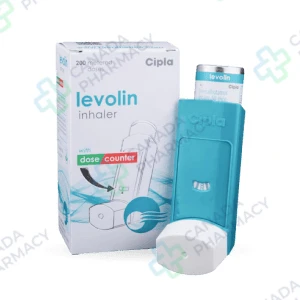
Levolin Inhaler
Price range: $ 9,00 through $ 48,00
Active substance: Levosalbutamol
More Details
This product has multiple variants. The options may be chosen on the product page

Medrol
Price range: $ 49,00 through $ 497,00
Active substance: Medrol
More Details
This product has multiple variants. The options may be chosen on the product page
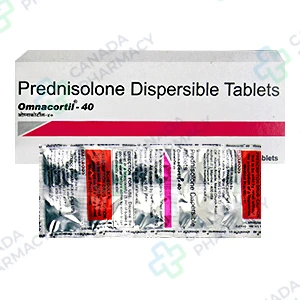
Omnacortil
Price range: $ 51,00 through $ 210,00
Active substance: prednisolone
More Details
This product has multiple variants. The options may be chosen on the product page
Promethazine
Price range: $ 43,00 through $ 228,00
Active substance: Promethazine
More Details
This product has multiple variants. The options may be chosen on the product page

Quibron-T
Price range: $ 43,00 through $ 492,00
Active substance: Theophylline
More Details
This product has multiple variants. The options may be chosen on the product page