

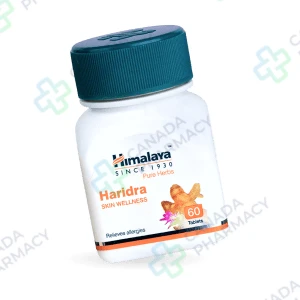
Haridra
$ 48,00
Haridra is a premium herbal supplement derived from Curcuma longa, a plant celebrated for its extensive health benefits. This natural formula is primarily known for its powerful anti-inflammatory properties, which help maintain joint comfort and flexibility. Rich in bioactive curcuminoids, it provides robust antioxidant support to protect the body’s cells from oxidative damage. Additionally, Haridra promotes healthy digestion and aids in maintaining optimal liver function for overall metabolic well-being. This versatile supplement is an excellent choice for those seeking to naturally support their immune system and skin health.
Active substance: Haridra
Delivery: 5–21 days (depending on the shipping method)
Extra 10% discount with coupon: IT4K6SVM
Each dosage option has its own packaging choices.
Description
Haridra belongs to a class of botanical preparations derived from Curcuma longa, standardly processed to deliver active bioflavonoids known as curcuminoids. In clinical and dietary contexts, it is widely utilized to help support joint comfort, maintain digestive health, and promote cellular defense against oxidative stress.
This product is dispensed in accordance with applicable federal and state regulations governing dietary and botanical supplements in the United States. While generally well tolerated across broad patient populations, understanding its pharmacological profile, absorption dynamics, and potential interactions ensures its safe integration into a comprehensive health regimen.
| Attribute | Specification |
|---|---|
| Active Ingredient | Haridra extract (Curcuma longa, standardized for curcuminoids) |
| Therapeutic Class | Botanical dietary supplement / Herbal digestive and joint support agent |
| Dosage Form | Oral capsule / Oral tablet |
| Route of Administration | Oral |
| Primary Purpose | Support of inflammatory balance, joint mobility, and antioxidant defense |
| Prescription Status | Dispensed in accordance with applicable federal and state regulations |
Core and Clinical Aspects
Main uses
On one hand, Haridra serves as a versatile botanical agent evaluated for its ability to maintain systemic inflammatory homeostasis. Primary indications include the management of mild joint stiffness, support of healthy cartilage function, and relief from occasional digestive discomfort such as indigestion or upper abdominal bloating. On the other hand, healthcare providers may recommend Haridra as an adjunct in broad antioxidant regimens to neutralize reactive oxygen species. Unlabeled or off-label dietary applications, such as supporting cardiovascular endothelial integrity or cognitive focus, remain subjects of ongoing investigation and should not replace primary medical therapies for established cardiovascular or neurological disorders.
How the drug works
The primary therapeutic actions of Haridra stem from its high concentrations of polyphenol compounds, notably curcumin, demethoxycurcumin, and bisdemethoxycurcumin. These active constituents modulate key molecular pathways involved in the body’s natural response to stress. Specifically, curcumin inhibits nuclear factor kappa B (NF-κB) transcription, which downregulates downstream inflammatory cytokines, including interleukin-6 (IL-6) and tumor necrosis factor-alpha (TNF-α). Additionally, Haridra demonstrates selective inhibition of cyclooxygenase-2 (COX-2) and lipoxygenase (LOX) enzymes. From an antioxidant perspective, it direct-scavenges free radical species and upregulates endogenous cellular antioxidants such as glutathione peroxidase.
Dosing schedule
Dosing of Haridra varies depending on the specific standardized concentration of curcuminoids in the chosen formulation. For general joint and antioxidant support, typical adult dosing ranges from 250 mg to 500 mg taken orally twice daily with meals. Because native curcumin exhibits limited natural absorption, many modern clinical formulations incorporate standardized black pepper extract (piperine) or liposomal delivery systems to enhance bioavailability. Patients should follow individualized instructions from their healthcare provider or the specific label directives on the container. Dosage adjustments may be necessary for individuals with sensitive gastrointestinal tracts.
How it’s absorbed and eliminated
When administered orally, unformulated curcumin exhibits relatively low systemic bioavailability due to poor water solubility and rapid intestinal and hepatic metabolism. Following absorption in the gut lumen, the compound undergoes extensive first-pass metabolism via glucuronidation and sulfation in the intestinal mucosa and liver. Peak plasma concentrations generally occur between 1 to 2 hours post-ingestion. The elimination half-life of oral formulations varies significantly based on bioavailability-enhancing technology, ranging from 1 to 6 hours. Excretion occurs primarily through the feces via biliary secretion, with a minor fraction excreted through renal pathways.
Compatibility with other medicines
Evaluating potential interactions is essential when adding Haridra to an existing pharmacological routine. On one hand, its mild antiplatelet properties provide cardioprotective benefits; on the other hand, combining Haridra with anticoagulant or antiplatelet drugs–such as warfarin, aspirin, or clopidogrel–may incrementally increase the risk of bruising or bleeding. Furthermore, Haridra can lower blood glucose levels, which warrants careful monitoring if co-administered with antidiabetic agents like metformin or insulin to prevent hypoglycemic episodes. It may also alter the activity of cytochrome P450 enzymes (particularly CYP3A4 and CYP2C9), potentially altering plasma levels of co-administered prescription drugs.
Adverse reactions
Haridra possesses a favorable safety profile across most clinical trials, though mild adverse effects can occur. Gastrointestinal complaints represent the most common reactions, including nausea, dyspepsia, mild gastric irritation, abdominal cramping, and diarrhea, particularly when taken in high doses on an empty stomach. Rare adverse manifestations include localized allergic contact dermatitis in sensitive individuals. Long-term administration of extremely high doses has been occasionally associated with transient liver enzyme elevations, highlighting the necessity of adhering to established dosing guidelines and seeking routine medical oversight.
Important precautions
Special caution is necessary for patients with pre-existing biliary tract pathology. Haridra stimulates gallbladder contraction and bile production; consequently, individuals with active gallstones, bile duct obstruction, or severe biliary disease should avoid high-dose therapy unless specifically cleared by a gastroenterologist. Pregnant and breastfeeding individuals should avoid therapeutic doses of concentrated extracts, as sufficient safety data in these populations are lacking (normal dietary culinary consumption remains acceptable). Due to its moderate effects on blood clotting pathways, elective surgical procedures require discontinuation of Haridra at least 14 days prior to surgery.
Food and alcohol interactions
Co-administering Haridra with dietary fats–such as olive oil, avocados, or yogurt–substantially improves the intestinal absorption of its lipophilic curcuminoids. Conversely, concurrent alcohol consumption should be minimized or carefully monitored. Alcohol can irritate the gastric mucosa, and combining it with high daily doses of botanical extracts may exacerbate stomach upset, reflux, or heartburn in susceptible individuals.
First days of treatment
During the initial 3 to 7 days of starting Haridra, patients typically experience early digestive adjustments. Mild changes in stool consistency or a warm sensation in the stomach may occur as the digestive tract adapts to the botanical compounds. Systemic joint comfort benefits generally do not manifest instantly; structural cellular modulation develops gradually over consecutive days of routine administration.
Signs of improvement
Evaluating the therapeutic benefit of Haridra relies on identifying physical trends over time. Patients tracking joint mobility usually notice a gradual reduction in morning stiffness, enhanced flexibility, and decreased exercise-induced discomfort after 2 to 6 weeks of consistent use. For digestive support, improvements such as reduced post-meal bloating and more predictable bowel habits often become apparent within the first two weeks of daily therapy.
Storage and expiration
Store Haridra capsules or tablets at controlled room temperature, ideally between 68°F and 77°F (20°C to 25°C), with permitted excursions between 59°F and 86°F (15°C to 30°C). Keep the container tightly closed and shielded from direct sunlight, excess heat, and humidity, as active curcuminoids decompose when exposed to light and moisture over extended periods. Always check the expiration date on the packaging and safely discard outdated products.
Common Questions
Should Haridra be stopped before elective surgical procedures?
Yes. Because Haridra exhibits mild antiplatelet effects that can influence normal blood clotting, clinical consensus recommends discontinuing supplement use at least two weeks prior to any planned surgical or dental procedures. Always inform your surgical team and anesthesiologist about all botanical products you are actively taking.
Can Haridra be taken alongside daily multivitamins or iron supplements?
Haridra can generally be co-administered with standard multivitamins. However, curcuminoids can bind to elemental iron in the digestive tract, forming insoluble complexes that may reduce iron absorption. If you take therapeutic iron supplements for anemia, separate the ingestion of Haridra and your iron product by at least two hours.
What should be done if a scheduled daily dose is missed?
If you miss a dose of Haridra, take it as soon as you remember with a light meal or snack containing dietary fat. However, if it is nearly time for your next scheduled dose, skip the missed dose entirely and resume your standard daily schedule. Never double the dose to compensate for a missed administration.
Is long-term daily administration considered safe for healthy adults?
Standard oral doses of Haridra have been evaluated in human clinical trials for durations ranging up to several months with high safety records. Nevertheless, long-term continuous supplementation should be periodically reviewed by a healthcare provider to confirm ongoing necessity, evaluate liver function parameters if high doses are used, and check for new medication interactions.
Does Haridra cause noticeable discoloration of urine or stool?
High doses of concentrated turmeric extracts can occasionally impart a bright yellow or orange hue to the stool due to unabsorbed yellow curcuminoid pigments passing through the gastrointestinal tract. This phenomenon is benign and harmless. However, dark, tarry stools or reddish discoloration require immediate evaluation by a medical professional.
In accordance with FDA requirements.
This material is educational. Only a licensed prescriber can determine whether a medication or botanical supplement is appropriate for your personal health situation.
Additional information
| Dosage |
60tabs |
|---|---|
| Package |
1 bottles |
| Ενεργός Ουσία |
Related products
Aristocort
Price range: $ 67,00 through $ 602,00
Active substance: Triamcinolone
More Details
This product has multiple variants. The options may be chosen on the product page
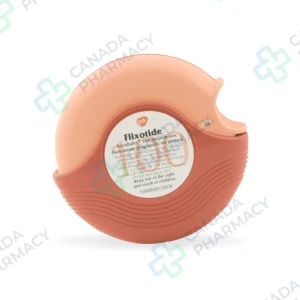
Flixotide Nasal Spray 100 doses
Price range: $ 54,00 through $ 220,00
Active substance: fluticasone
More Details
This product has multiple variants. The options may be chosen on the product page
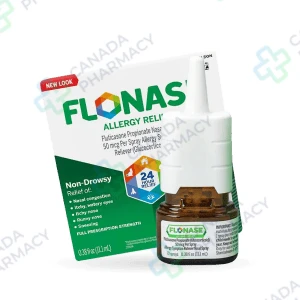
Flonase Nasal Spray
Price range: $ 47,00 through $ 304,00
Active substance: fluticasone
More Details
This product has multiple variants. The options may be chosen on the product page
Ketasma
Price range: $ 10,00 through $ 23,00
Active substance: Ketotifen Fumarate
More Details
This product has multiple variants. The options may be chosen on the product page
Montair
Price range: $ 19,00 through $ 45,00
Active substance: Montelukast
More Details
This product has multiple variants. The options may be chosen on the product page
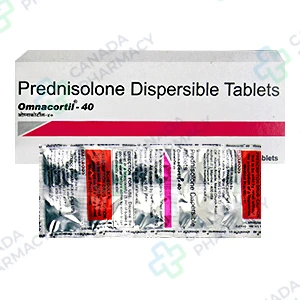
Omnacortil
Price range: $ 51,00 through $ 210,00
Active substance: prednisolone
More Details
This product has multiple variants. The options may be chosen on the product page
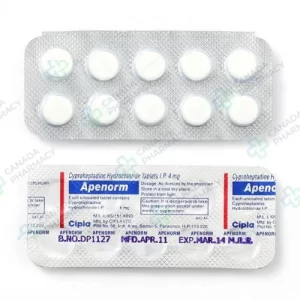
Periactin
Price range: $ 40,00 through $ 160,00
Active substance: Cyproheptadine
More Details
This product has multiple variants. The options may be chosen on the product page
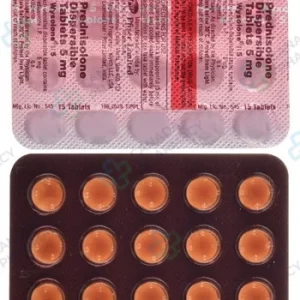
Prednisolone
Price range: $ 40,00 through $ 210,00
Active substance: prednisolone
More Details
This product has multiple variants. The options may be chosen on the product page