

-51%
Arimidex
Price range: $ 194,00 through $ 441,00
Arjuna
Price range: $ 63,00 through $ 72,00
Aristocort
Price range: $ 67,00 through $ 602,00
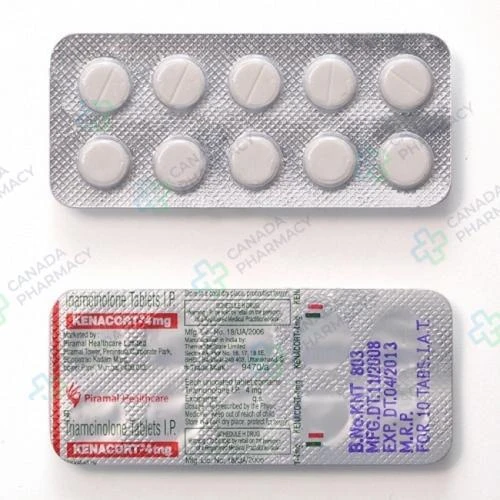
Aristocort is a potent corticosteroid designed to effectively manage a wide range of inflammatory conditions throughout the body. It works by suppressing the immune system’s response to reduce swelling, redness, and associated discomfort. This medication is highly effective for treating various skin disorders, including eczema, psoriasis, and severe allergic reactions. Additionally, it is frequently utilized to alleviate symptoms of arthritis and other chronic autoimmune issues. By targeting the source of irritation, Aristocort helps restore physical comfort and improves daily well-being.
Active substance: Triamcinolone
Delivery: 5–21 days (depending on the shipping method)
Extra 10% discount with coupon: IT4K6SVM
Each dosage option has its own packaging choices.
Description
Aristocort belongs to a class of synthetic corticosteroids designed to control inflammation and suppress overactive immune responses throughout the body. Available by prescription only under FDA regulations, this medication is prescribed to manage various systemic and localized conditions ranging from severe allergic reactions to chronic inflammatory disorders.
Proper administration under direct medical supervision is necessary to minimize risks associated with corticosteroid therapy. Patients taking Aristocort must adhere strictly to their prescribed regimen and clinical recommendations to achieve optimal therapeutic outcomes safely.
| Property | Details |
|---|---|
| Active ingredient | Triamcinolone |
| Therapeutic class | Corticosteroid (Glucocorticoid) |
| Prescription status | Prescription only (Rx) |
| Primary purpose | Reduction of systemic inflammation and suppression of inflammatory immune responses |
| Route of administration | Oral (formulation dependent) |
| Storage | Store at room temperature between 20°C and 25°C (68°F to 77°F) |
Clinical Overview and Pharmacologic Properties
Main uses
Aristocort is indicated for the treatment of numerous inflammatory, allergic, and autoimmune conditions. In dermatologic clinical practice, it is prescribed for severe psoriasis, pemphigus, and refractory dermatitis. Rheumatic disorders, including rheumatoid arthritis, osteoarthritis with acute inflammatory components, and ankylosing spondylitis, represent key systemic indications. Additionally, the medication serves an established therapeutic role in managing endocrine disorders, such as primary or secondary adrenocortical insufficiency, severe asthma exacerbations, allergic rhinitis, and collagen diseases like systemic lupus erythematosus. Prescribing physicians determine specific indications based on individual clinical evaluations and overall patient health profiles.
How the drug works
The active substance in Aristocort is triamcinolone, a synthetic corticosteroid with potent glucocorticoid activity. The primary mechanism of action involves the suppression of cellular inflammatory responses. Triamcinolone diffuses across cell membranes and binds to specific cytoplasmic glucocorticoid receptors. This hormone-receptor complex modifies gene transcription within the cell nucleus, leading to decreased synthesis of inflammatory mediators, including prostaglandins and leukotrienes. Furthermore, the drug inhibits leukocyte migration to sites of inflammation, reduces capillary permeability, and suppresses the proliferation of immune cells. Consequently, localized swelling, erythema, heat, and pain are significantly attenuated.
Dosing schedule
Dosage recommendations for Aristocort are highly individualized and depend strictly on the condition being treated, the severity of symptoms, and patient response. Initial systemic dosing varies based on clinical protocols established by the treating physician. High initial doses may be required for acute or severe exacerbations, followed by gradual reduction to the lowest effective maintenance dose. Sudden discontinuation of prolonged corticosteroid therapy can precipitate acute adrenal insufficiency; therefore, discontinuation must proceed via a controlled, medically supervised tapering schedule. Dosage forms must be administered precisely as prescribed, without adjusting timing or frequency independently.
How it’s absorbed and eliminated
Following oral administration, triamcinolone is absorbed through the gastrointestinal tract, reaching peak plasma concentrations within a few hours post-ingestion. Once absorbed, the drug binds variable degrees to plasma proteins, primarily albumin and transcortin. Triamcinolone undergoes metabolic biotransformation predominantly in the liver via enzymatic hepatic pathways, converting into inactive metabolites. These metabolic products, along with small fractions of unchanged drug, are subsequently excreted primarily by the kidneys through urine. The biological half-life of systemic triamcinolone exceeds its plasma half-life, providing prolonged tissue activity compared to shorter-acting corticosteroids like hydrocortisone.
Safety Guidelines and Interactions
What not to combine
Triamcinolone exhibits significant pharmacological interactions with several drug classes. Co-administration with nonsteroidal anti-inflammatory drugs (NSAIDs), such as ibuprofen or aspirin, increases the risk of gastrointestinal ulceration and hemorrhage. Concurrent use with antidiabetic agents (including insulin and oral hypoglycemics) may require dose adjustments, as corticosteroids can elevate blood glucose levels. Live attenuated vaccines are contraindicated during immunosuppressive corticosteroid therapy due to the risk of active infection. Furthermore, hepatic enzyme inducers (such as rifampin or phenytoin) may increase triamcinolone clearance, reducing efficacy, whereas CYP3A4 inhibitors (like ketoconazole) can increase plasma corticosteroid concentrations and potentiate adverse effects.
Adverse reactions
Systemic treatment with Aristocort can produce a range of adverse effects, particularly during high-dose or prolonged therapy. Short-term unwanted effects include elevated blood glucose levels, fluid retention, localized swelling, transient hypertension, insomnia, and mood alterations. Long-term systemic administration poses higher risks, including adrenocortical suppression, osteoporosis, delayed wound healing, muscle wasting, and increased susceptibility to fungal, bacterial, or viral infections. Dermatologic side effects associated with systemic or topical forms include skin thinning, striae, and acneiform eruptions. Patients experiencing severe systemic symptoms, marked elevation in blood pressure, or signs of acute infection require prompt clinical evaluation.
Important precautions
Corticosteroid therapy demands rigorous medical monitoring in specific patient populations. Patients with pre-existing cardiovascular disease, hypertension, renal impairment, or diabetes mellitus require cautious oversight due to fluid retention and metabolic alterations. Aristocort should be used with extreme caution in individuals with active or latent tuberculosis, ocular herpes simplex, or severe peptic ulcer disease. In pediatric patients, prolonged use can suppress linear growth, necessitating routine monitoring of growth curves. Elderly patients are at elevated risk for corticosteroid-induced osteoporosis and elevated blood pressure. During pregnancy and lactation, triamcinolone should only be administered when potential maternal benefits clearly outweigh fetal or neonatal risks.
Food and alcohol interactions
Aristocort oral formulations may be taken with food or milk to minimize potential gastrointestinal discomfort, such as stomach upset or acid reflux. Concurrent alcohol consumption should be limited or avoided during treatment, as alcohol can exacerbate gastric mucosal irritation and increase the risk of gastrointestinal ulcers when combined with systemic corticosteroids. Additionally, high dietary sodium intake can worsen corticosteroid-induced fluid retention and elevated blood pressure; dietary sodium restriction and adequate potassium intake may be advised by a clinical healthcare provider.
If you skip a dose
If a scheduled dose of Aristocort is missed, it should be taken as soon as remembered on the same day. However, if the time is close to the next scheduled dose, the missed dose should be omitted entirely, and the regular dosing schedule should be resumed. Double doses must never be ingested to make up for a missed administration. Patients receiving once-daily or alternate-day regimens should contact their prescribing clinician or pharmacist for guidance if multiple consecutive doses are missed, as abrupt interruptions can disrupt therapy goals.
Practical tips
Patients prescribed long-term corticosteroid therapy are advised to carry medical identification indicating their reliance on systemic steroid treatment. Maintaining consistent daily timing for dose intake facilitates stable therapeutic blood levels and adherence. Routine follow-up appointments, including periodic blood pressure checks, electrolyte monitoring, and blood glucose testing, are essential components of safe treatment protocols. Aristocort should be stored at controlled room temperature between 20°C and 25°C (68°F to 77°F), away from excessive heat, light, and direct moisture.
Common questions
What steps should be taken if treatment needs to be stopped?
Treatment with Aristocort must never be stopped abruptly, especially following prolonged usage. Gradual dose reduction (tapering) under direct medical supervision is essential to allow the adrenal glands to resume endogenous cortisol production. Abrupt cessation can trigger adrenal crisis, characterized by severe fatigue, weakness, hypotension, and nausea.
Can Aristocort affect routine blood test results?
Yes, triamcinolone therapy can alter various laboratory parameters. It may cause elevated serum glucose levels, altered serum electrolyte concentrations (such as reduced potassium and increased sodium), and temporary changes in white blood cell counts. Patients should inform laboratory staff and prescribers of their corticosteroid regimen before undergoing diagnostic blood tests.
How does Aristocort affect immune response during routine infections?
Systemic corticosteroids suppress immune activation, which can mask typical signs of infection and increase susceptibility to new viral, bacterial, or fungal pathogens. Patients experiencing fever, persistent sore throat, or unusual symptoms should report them to their healthcare provider promptly, as standard inflammatory warning signs may be suppressed.
Is routine monitoring required during long-term therapy?
Yes, extended treatment with Aristocort requires ongoing clinical monitoring. Physicians typically perform baseline and periodic evaluations of blood pressure, blood glucose levels, body weight, electrolyte levels, bone density, and ophthalmic status (to screen for cataracts or glaucoma). Regular consultations ensure side effects are managed early.
In accordance with FDA requirements.
This text is for informational purposes only and does not constitute individual medical advice.
Additional information
| Dosage |
4mg ,10 mg ,15 mg ,40 mg |
|---|---|
| Package |
10 tabs ,20 tabs ,30 tabs ,60 tabs ,60 pills ,90 pills ,90 tabs ,120 pills ,180 pills ,270 pills |
| Ενεργός Ουσία |
Related products
Antivert
Price range: $ 45,00 through $ 121,00
Active substance: Meclizine
More Details
This product has multiple variants. The options may be chosen on the product page
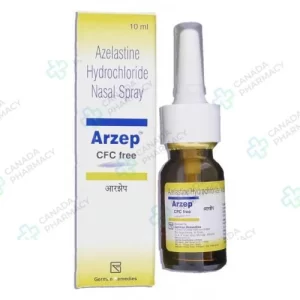
Astelin
Price range: $ 46,00 through $ 193,00
Active substance: Azelastine
More Details
This product has multiple variants. The options may be chosen on the product page
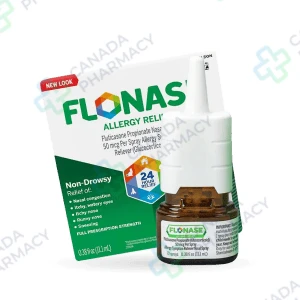
Flonase Nasal Spray
Price range: $ 47,00 through $ 304,00
Active substance: fluticasone
More Details
This product has multiple variants. The options may be chosen on the product page
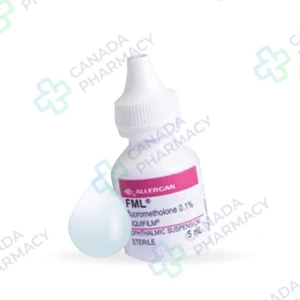
FML Forte
Price range: $ 43,00 through $ 166,00
Active substance: Fluorometholone
More Details
This product has multiple variants. The options may be chosen on the product page
Ketasma
Price range: $ 10,00 through $ 23,00
Active substance: Ketotifen Fumarate
More Details
This product has multiple variants. The options may be chosen on the product page
Montair
Price range: $ 19,00 through $ 45,00
Active substance: Montelukast
More Details
This product has multiple variants. The options may be chosen on the product page
Pred Forte
Price range: $ 42,00 through $ 72,00
Active substance: prednisolone
More Details
This product has multiple variants. The options may be chosen on the product page
Prednisolone
Price range: $ 40,00 through $ 210,00
Active substance: prednisolone
More Details
This product has multiple variants. The options may be chosen on the product page