

-21%
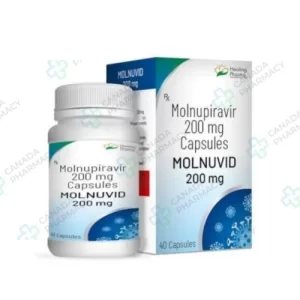
Molnupiravir
Price range: $ 229,00 through $ 706,00

Morr F
Price range: $ 100,00 through $ 307,00
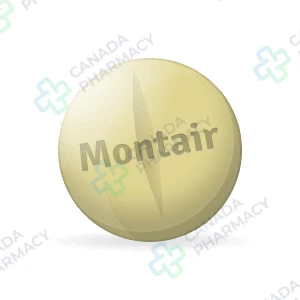
Montair
Price range: $ 19,00 through $ 45,00
Montair is an effective medication designed to help manage chronic asthma and provide relief from seasonal or year-round allergies. This treatment works by blocking leukotrienes, which are natural chemicals in the body that cause inflammation and airway constriction. Regular use of the tablets helps prevent common respiratory symptoms such as wheezing, chest tightness, and shortness of breath. It is also highly beneficial for reducing nasal congestion, sneezing, and itchy eyes caused by various environmental triggers. By promoting clearer breathing, Montair allows individuals to maintain an active and comfortable daily routine.
Active substance: Montelukast
Delivery: 5–21 days (depending on the shipping method)
Extra 10% discount with coupon: IT4K6SVM
Each dosage option has its own packaging choices.
Description
Montair belongs to a class of medications known as leukotriene receptor antagonists. This prescription drug is prescribed to prevent and manage chronic asthma symptoms, as well as to relieve symptoms of seasonal and perennial allergic rhinitis.
In accordance with federal regulations in the United States, Montair is available by prescription only. It must be used under the supervision of a licensed healthcare provider, as individual treatment regimens depend on patient age, medical history, and specific clinical diagnostic criteria.
| Parameter | Details |
|---|---|
| Active ingredient | Montelukast sodium |
| Therapeutic class | Leukotriene receptor antagonist |
| Dosage forms | Oral film-coated tablets, chewable tablets, oral granules |
| Route of administration | Oral |
| Prescription status | Prescription only (Rx) |
| Primary purpose | Asthma prophylaxis and allergic rhinitis management |
Clinical Pharmacology and Administration
How the drug works
Montair contains montelukast, a selective cysteinyl leukotriene type-1 (CysLT1) receptor antagonist. Cysteinyl leukotrienes (LTC4, LTD4, LTE4) are potent inflammatory eicosanoids released from various cells, including mast cells and eosinophils. These compounds bind to CysLT receptors located in the human airway, inducing bronchoconstriction, mucous secretion, vascular permeability, and eosinophil recruitment. By selectively binding to the CysLT1 receptor with high affinity, montelukast inhibits the physiological actions of LTD4 without exhibiting agonist activity. This inhibition reduces airway inflammation and prevents bronchospasm caused by allergen exposure or exercise.
Main uses
In the United States, FDA-approved indications for montelukast formulations include the prophylaxis and chronic treatment of asthma in adults and pediatric patients. It is also indicated for the prevention of exercise-induced bronchoconstriction (EIB) in patients of appropriate age groups. Additionally, it is prescribed for the relief of symptoms associated with seasonal allergic rhinitis in patients who have an inadequate response or intolerance to alternative therapies, and for perennial allergic rhinitis. Montair is not indicated for the reversal of acute bronchospasm in acute asthma attacks, as its onset of action is not intended for immediate rescue capability.
How to take it
Dosage schedules are determined based on patient age and specific clinical indication. For asthma prevention, administration is typically recommended once daily in the evening, with or without food. For seasonal or perennial allergic rhinitis, administration may occur once daily at a time tailored to patient needs. For exercise-induced bronchoconstriction, a single dose should be taken at least two hours before exercise, with no additional dose taken within 24 hours. Oral film-coated tablets should be swallowed whole with fluid. Chewable formulations must be chewed thoroughly before swallowing. Granules may be administered directly into the mouth or mixed with a spoonful of cold or room-temperature soft foods such as applesauce, ice cream, or rice.
How it’s absorbed and eliminated
Following oral administration, montelukast is rapidly absorbed. For the 10 mg film-coated tablet, the mean peak plasma concentration (Cmax) is achieved in approximately 3 to 4 hours post-dose in fasting adults. The mean oral bioavailability is approximately 64%. Montelukast is extensively bound to plasma proteins, with binding exceeding 99%. The mean apparent volume of distribution at steady state is approximately 8 to 11 liters. Montelukast undergoes extensive hepatic metabolism primarily via cytochrome P450 enzymes, including CYP2C8, CYP3A4, and CYP2C9. Plasma clearance averages approximately 45 mL/min in healthy adults. Elimination occurs almost exclusively through the biliary system into feces, with less than 0.2% of the administered dose excreted unchanged in urine. The elimination half-life ranges from 2.7 to 5.5 hours in healthy young adults.
Safety, Precautions, and Clinical Guidelines
Adverse reactions: Clinical trials and post-marketing surveillance have documented various side effects associated with montelukast therapy. Commonly reported adverse events in adult clinical studies include upper respiratory infection, headache, abdominal pain, coughing, and dyspepsia. In pediatric populations, fever, diarrhea, otitis media, and rash have been observed. Less common but significant adverse reactions include hypersensitivity events such as anaphylaxis, angioedema, pruritus, and urticaria. Increased risk of neuropsychiatric events has been identified, prompting enhanced clinical monitoring recommendations. Hepatobiliary disorders, systemic eosinophilia, and vasculitis consistent with Churg-Strauss syndrome have been reported rarely in patients receiving leukotriene receptor antagonist therapy.
Important precautions: The FDA safety labeling includes a Boxed Warning regarding serious neuropsychiatric events reported in patients taking montelukast. Reported events include agitation, aggressive behavior, depression, sleep disturbances, hallucinations, suicidal ideation, and completed suicide. Healthcare providers are advised to evaluate the risks and benefits before initiating treatment, particularly in patients with pre-existing psychiatric conditions. Patients and caregivers should be instructed to monitor for changes in behavior or mood and discontinue the medication immediately if such alterations occur, contacting a clinician promptly. Montair should not be used as a monotherapy for the urgent relief of acute asthma symptoms; patients must maintain short-acting beta-agonists as rescue medication.
Compatibility with other medicines: Montelukast is metabolized by CYP2C8 and to a lesser extent by CYP3A4 and CYP2C9. Concomitant administration with potent CYP enzyme inducers, such as phenobarbital, rifampin, or phenytoin, can decrease the plasma concentration area under the curve (AUC) of montelukast by approximately 40%. Clinicians should exercise caution and monitor clinical response when co-administering Montair with known enzyme inducers. Concurrent administration with CYP2C8 inhibitors like gemfibrozil may increase montelukast exposure, though dosage adjustments are generally not required based solely on pharmacokinetic data unless clinically indicated.
If you skip a dose: If a scheduled dose of Montair is omitted, the general clinical guidance is to skip the missed dose and resume the standard administration schedule at the next scheduled time. Patients should not double the dose to compensate for a missed tablet or packet.
Storage and expiration: Montair should be stored at controlled room temperature, between 20°C and 25°C (68°F to 77°F), with excursions permitted between 15°C and 30°C (59°F to 86°F). Store the medication in its original packaging to protect it from light and moisture. Granules must be administered within 15 minutes after opening the packet. Keep all medications out of reach of children and dispose of expired products according to local regulatory disposal guidelines.
Pregnancy, breastfeeding, and other groups: Montelukast is categorized for use in pregnancy only if clearly needed after a careful risk-benefit evaluation by a prescribing clinician. Available human observational data have not identified a drug-associated risk of major birth defects, though data remain limited. It is unknown whether montelukast is excreted in human milk; caution should be exercised when administered to a nursing woman. Safety and effectiveness in pediatric populations vary depending on the specific dosage form, with granules approved for infants as young as 6 months for certain indications. Clinical studies in elderly patients showed no overall differences in safety or effectiveness compared to younger adults, so age-based dose adjustment is generally not necessary.
Common questions
How long does it take for Montair to show therapeutic effects?
Therapeutic responses can be observed within 24 hours of the first oral dose. However, for chronic asthma management, consistent daily administration is required to maintain airway control, even when symptoms are absent.
Can Montair be used to treat an acute asthma attack?
No, Montair is formulated for long-term prophylaxis and controller therapy. It does not possess rapid-acting bronchodilator properties and must not be used to treat sudden asthma flare-ups or acute bronchospasm, which require short-acting rescue inhalers.
Is it necessary to take Montair at a specific time of day?
For patients receiving treatment for asthma, daily doses are generally recommended in the evening to maximize control of nocturnal symptoms. For allergic rhinitis alone, administration timing can be individualized to patient preferences or clinical response.
What should a patient do if behavioral or mood changes occur during treatment?
If neuropsychiatric symptoms such as severe anxiety, altered mood, sleep disturbances, or thoughts of self-harm develop, the medication should be stopped, and the prescribing clinician should be notified immediately for clinical evaluation.
Does food intake affect the absorption of Montair tablets?
The bioavailability and pharmacokinetics of film-coated tablets are not significantly altered by food intake, so they may be taken with or without meals. Granules can be administered mixed with specific cold soft foods if consumed within 15 minutes.
Are there specific dietary or alcohol restrictions while taking Montair?
No direct pharmacokinetic interaction with moderate alcohol consumption has been established in standard clinical labeling. However, because both alcohol and montelukast undergo hepatic metabolism, patients should discuss overall liver health and alcohol use with their healthcare provider.
This content is informational and does not replace a consultation with your doctor or pharmacist.
In accordance with FDA requirements.
Additional information
| Dosage |
10 mg |
|---|---|
| Package |
30 tabs ,60 tabs ,90 tabs |
| Ενεργός Ουσία |
Related products
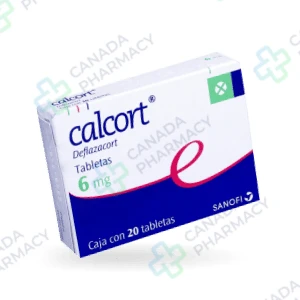
Calcort
Price range: $ 54,00 through $ 430,00
Active substance: Deflazacort
More Details
This product has multiple variants. The options may be chosen on the product page
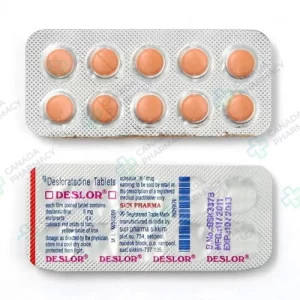
Clarinex
Price range: $ 51,00 through $ 196,00
Active substance: desloratadine
More Details
This product has multiple variants. The options may be chosen on the product page
Doxylamine
Price range: $ 10,00 through $ 33,00
Active substance: Doxylamine succinate
More Details
This product has multiple variants. The options may be chosen on the product page
Entocort
Price range: $ 61,00 through $ 628,00
Active substance: Budesonide
More Details
This product has multiple variants. The options may be chosen on the product page
Flixotide Nasal Spray 100 doses
Price range: $ 54,00 through $ 220,00
Active substance: fluticasone
More Details
This product has multiple variants. The options may be chosen on the product page
FML Forte
Price range: $ 43,00 through $ 166,00
Active substance: Fluorometholone
More Details
This product has multiple variants. The options may be chosen on the product page

Periactin
Price range: $ 40,00 through $ 160,00
Active substance: Cyproheptadine
More Details
This product has multiple variants. The options may be chosen on the product page
Promethazine
Price range: $ 43,00 through $ 228,00
Active substance: Promethazine
More Details
This product has multiple variants. The options may be chosen on the product page