

-89%


Pepcid
Price range: $ 70,00 through $ 245,00

Pexep
Price range: $ 42,00 through $ 162,00
Periactin
Price range: $ 40,00 through $ 160,00
Periactin is a versatile antihistamine designed to provide effective relief from a wide range of seasonal and perennial allergy symptoms. It is specifically formulated to alleviate uncomfortable reactions such as sneezing, runny nose, and itchy or watery eyes. Additionally, this medication helps manage skin-related issues including hives, localized swelling, and persistent itching caused by allergic triggers. By acting on histamine receptors, it helps stabilize the body’s response to common allergens like pollen, pet dander, and dust. Periactin serves as a dependable option for maintaining daily comfort and reducing the physical distress associated with common hypersensitivity reactions.
Active substance: Cyproheptadine
Delivery: 5–21 days (depending on the shipping method)
Extra 10% discount with coupon: IT4K6SVM
Each dosage option has its own packaging choices.
Description
Periactin – Information for Patients and Caregivers
Periactin belongs to a class of medications known as sedating antihistamines with additional antiserotonergic activity. It is prescribed under medical supervision for the relief of various allergic manifestations, including rhinitis, hives, and contact dermatitis. Because it targets both histamine H1 receptors and serotonin receptors, its action profile differs significantly from newer, non-drowsy allergy remedies.
| Property | Details |
|---|---|
| Drug Name | Periactin |
| Active Ingredient | Cyproheptadine hydrochloride |
| Therapeutic Class | First-generation antihistamine / Serotonin antagonist |
| Dosage Form | Oral tablet, Oral solution |
| Route of Administration | Oral |
| Primary Purpose | Relief of allergic conditions and skin manifestations |
| Dispensing Status | Prescription only (Rx) |
How the Drug Works
Periactin contains cyproheptadine hydrochloride, a synthetic agent that acts as a competitive antagonist at peripheral and central histamine H1 receptors. By blocking these sites, the medication prevents histamine from triggering common allergic reactions such as vasodilation, increased vascular permeability, itching, and tissue edema. On one hand, this action effectively alleviates physical allergy symptoms; on the other hand, its ability to cross the blood-brain barrier leads to notable central nervous system effects, particularly sedation. Additionally, cyproheptadine exhibits potent antiserotonergic properties by blocking serotonin receptors, which distinguishes it from many standard antihistamines and contributes to its secondary systemic effects.
Main Uses
In clinical practice, Periactin is primarily indicated for the symptomatic treatment of perennial and seasonal allergic rhinitis, vasomotor rhinitis, and allergic conjunctivitis caused by environmental allergens. It is also approved for uncomplicated allergic skin manifestations, such as cold urticaria, dermatographism, and urticaria associated with transfusion reactions or food allergies. In emergency scenarios involving anaphylactic reactions, it may serve as an adjunctive therapy alongside epinephrine and standard resuscitative measures once acute life-threatening symptoms are controlled. Beyond these official indications, healthcare providers sometimes prescribe cyproheptadine for non-FDA-approved (off-label) purposes, such as appetite stimulation in individuals experiencing unintended weight loss or as prophylactic therapy for vascular headaches; however, these off-label uses require careful medical evaluation regarding benefit versus risk.
What You May Notice Early On
When starting treatment with Periactin, many individuals experience noticeable drowsiness or sedation within the first few hours of the initial dose. This calming effect on the central nervous system often peak early in therapy and may diminish slightly over time as the body adapts. Patients may also observe an early reduction in histamine-driven symptoms, such as decreased nasal secretion, diminished ocular itching, and reduced skin swelling. However, secondary effects like dry mouth or increased appetite can also manifest during the initial days of use.
Dosing Schedule
The dosage of Periactin must be determined individually by a prescribing clinician, taking into account the patient’s age, body weight, overall health status, and the severity of the condition being treated. For adult patients, dosing usually starts at a low daily amount divided into multiple doses throughout the day, with periodic adjustments based on therapeutic response and tolerance. Pediatric dosing is strictly calculated according to age and weight parameters established in official clinical guidelines. Patients must follow the exact schedule provided by their physician and should not alter the dosage or discontinue treatment abruptly without professional guidance.
What Happens in the Body
Following oral administration, cyproheptadine hydrochloride is rapidly absorbed from the gastrointestinal tract. Peak plasma levels are reached within a few hours after ingestion. The drug undergoes extensive hepatic metabolism, transforming into multiple metabolites that are primarily excreted through the kidneys. A smaller fraction of the eliminated compound and its metabolites is cleared through the feces. Elimination dynamics can vary considerably among individuals, particularly in patients with impaired liver function or reduced renal clearance, necessitating dosage adjustments in specific clinical settings.
Adverse Reactions
While Periactin provides relief from hypersensitivity reactions, its safety profile includes several potential adverse effects. The most frequent secondary effect is somnolence, ranging from mild lethargy to deep drowsiness. Other central nervous system effects include dizziness, impaired coordination, confusion, and ataxia. Gastrointestinal complaints may include dry mouth, nausea, constipation, or epigastric distress. Due to its anticholinergic activity, patients might also experience urinary retention, blurred vision, or thickened bronchial secretions. Paradoxical excitation, agitation, or hallucinations can occur, particularly in pediatric or elderly populations.
Important Precautions
Careful monitoring is required when administering Periactin to individuals with specific medical conditions. It is contraindicated in patients with angle-closure glaucoma, stenosing peptic ulcer, symptomatic prostatic hypertrophy, bladder neck obstruction, or severe bronchial asthma attacks. Because of its sedating properties, patients should exercise extreme caution when operating motor vehicles or operating heavy machinery. Elderly individuals are particularly susceptible to anticholinergic side effects, confusion, and sedation, warranting lower initial doses and frequent reassessment.
Special Populations
The safety of Periactin during pregnancy has not been established through adequate, well-controlled human studies, and it should be used during pregnancy only if clearly needed and prescribed by a physician. Cyproheptadine is excreted in human milk, and because of the potential for serious adverse reactions in nursing infants, a decision should be made whether to discontinue nursing or discontinue the drug, taking into account the importance of the medication to the mother. Use in newborn infants or premature infants is contraindicated. In pediatric patients, dosage calculations must be carefully supervised to avoid accidental overdose.
What Not to Combine
Combining Periactin with other substances that depress the central nervous system can lead to severe additive sedation and respiratory depression. Concomitant use with monoamine oxidase (MAO) inhibitors is contraindicated because MAO inhibitors prolong and intensify the anticholinergic effects of antihistamines. Patients should inform their doctor of all current medications, including muscle relaxants, sedatives, tranquilizers, and anti-anxiety drugs. Furthermore, co-administration with other anticholinergic agents increases the risk of dry mouth, constipation, and urinary retention.
What to Avoid While Taking It
Patients receiving Periactin should strictly avoid consuming alcoholic beverages or medications containing alcohol. Alcohol significantly potentiates the sedative effects of cyproheptadine, markedly impairing mental alertness and physical coordination. Additionally, caution should be exercised when taking over-the-counter sleep aids or cold remedies that contain antihistamines to prevent accidental drug accumulation and heightened risk of central nervous system depression.
If You Skip a Dose
If a dose of Periactin is missed, it should be taken as soon as remembered, unless it is almost time for the next scheduled dose. Patients should never take a double dose to compensate for a missed tablet, as this increases the likelihood of excessive drowsiness and anticholinergic toxicity. Maintaining a regular dosing schedule helps ensure steady therapeutic levels in the body.
Common Questions
How does Periactin differ from newer antihistamines?
Unlike second- and third-generation antihistamines, Periactin crosses the blood-brain barrier readily, causing significant sedation. It also possesses antiserotonergic activity, whereas modern antihistamines act more selectively on peripheral H1 histamine receptors with minimal central effects.
Is Periactin approved for weight gain?
Appetite stimulation is an off-label effect of cyproheptadine and is not an FDA-approved primary indication. Any use of Periactin for weight stimulation must be discussed with and evaluated by a qualified healthcare provider.
Can Periactin be taken with food?
Periactin may be taken with or without food. Taking the tablet with meals or a glass of milk can help minimize mild stomach upset or gastrointestinal discomfort if it occurs.
What should be done in case of an accidental overdose?
An overdose of cyproheptadine can cause severe central nervous system depression or stimulation, severe dry mouth, dilated pupils, flushing, and gastrointestinal symptoms. Immediate emergency medical assistance should be sought in any case of suspected overdose.
Does Periactin cause dry mouth?
Yes, dry mouth is a recognized anticholinergic side effect of Periactin. Sucking on sugarless hard candy or drinking water frequently can help alleviate dry mouth symptoms during treatment.
This text is for informational purposes only and does not constitute individual medical advice. In accordance with FDA requirements.
Additional information
| Dosage |
4mg |
|---|---|
| Package |
10 pills ,20 pills ,30 pills ,60 pills ,90 pills ,120 pills ,180 pills ,270 pills ,360 pills |
| Ενεργός Ουσία |
Related products
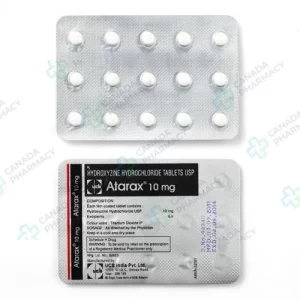
Atarax
Price range: $ 42,00 through $ 150,00
Active substance: Hydroxyzine
More Details
This product has multiple variants. The options may be chosen on the product page
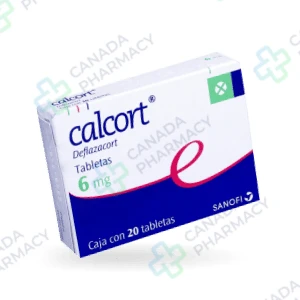
Calcort
Price range: $ 54,00 through $ 430,00
Active substance: Deflazacort
More Details
This product has multiple variants. The options may be chosen on the product page

Clarinex
Price range: $ 51,00 through $ 196,00
Active substance: desloratadine
More Details
This product has multiple variants. The options may be chosen on the product page
Entocort
Price range: $ 61,00 through $ 628,00
Active substance: Budesonide
More Details
This product has multiple variants. The options may be chosen on the product page
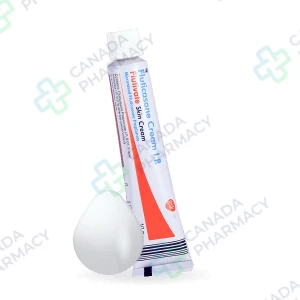
Flutivate Skin Cream
Price range: $ 24,00 through $ 91,00
Active substance: fluticasone
More Details
This product has multiple variants. The options may be chosen on the product page
Ketotifen
Price range: $ 67,00 through $ 309,00
Active substance: Ketotifen
More Details
This product has multiple variants. The options may be chosen on the product page
Montair
Price range: $ 19,00 through $ 45,00
Active substance: Montelukast
More Details
This product has multiple variants. The options may be chosen on the product page
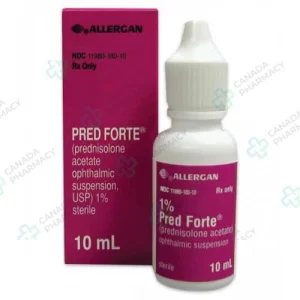
Pred Forte
Price range: $ 42,00 through $ 72,00
Active substance: prednisolone
More Details
This product has multiple variants. The options may be chosen on the product page