

-14%
Precose
Price range: $ 46,00 through $ 294,00
Prednisolone
Price range: $ 40,00 through $ 210,00
Pred Forte
Price range: $ 42,00 through $ 72,00
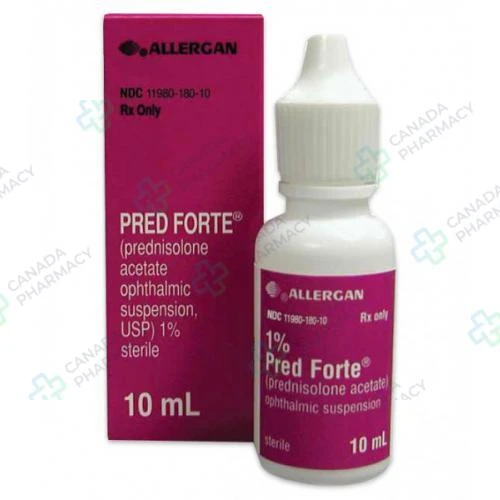
Pred Forte is a potent corticosteroid eye drop designed to treat inflammatory conditions of the palpebral and bulbar conjunctiva, cornea, and iris. The active ingredient, prednisolone acetate, effectively reduces the redness, swelling, and itching associated with various ocular irritations. It is primarily used to manage non-infectious inflammatory diseases and post-operative inflammation to promote faster healing. This medication provides targeted relief for patients suffering from allergic reactions or thermal and chemical injuries to the eye surface. By controlling the immune response within the eye, Pred Forte helps maintain vision health and overall ocular comfort.
Active substance: prednisolone
Delivery: 5–21 days (depending on the shipping method)
Extra 10% discount with coupon: IT4K6SVM
Each dosage option has its own packaging choices.
Description
Pred Forte belongs to a group of medicines called topical ophthalmic corticosteroids. It is prescribed for the treatment of steroid-responsive inflammatory conditions of the palpebral and bulbar conjunctiva, cornea, and anterior segment of the globe. As a prescription medication regulated by the US FDA, its use requires accurate diagnosis and clinical monitoring by a licensed eye care professional.
Proper administration technique and adherence to the prescribed dosing schedule are essential to ensure therapeutic efficacy while minimizing potential ocular risks. The active ingredient, prednisolone acetate, acts locally to suppress inflammatory responses caused by chemical, mechanical, or immunological triggers.
| Attribute | Details |
|---|---|
| Active Ingredient | Prednisolone acetate (1%) |
| Therapeutic Class | Ophthalmic corticosteroid |
| Dosage Form | Ophthalmic suspension |
| Route of Administration | Ocular (topical instillation) |
| Prescription Status | Prescription (Rx) only |
| Storage Requirements | Store upright between 15°C to 25°C (59°F to 77°F); do not freeze |
How the drug works
Pred Forte contains prednisolone acetate, a synthetic corticosteroid with potent anti-inflammatory action. Corticosteroids act by inhibiting the inflammatory response to a variety of inciting agents, including mechanical, chemical, or immunological triggers. At the cellular level, prednisolone inhibits edema, fibrin deposition, capillary dilation, leukocyte migration, capillary proliferation, fibroblast proliferation, deposition of collagen, and scar formation associated with ocular inflammation.
Though the precise mechanism of ocular corticosteroid action is complex, it is believed to involve the induction of phospholipase A2 inhibitory proteins, collectively termed lipocortins. These proteins control the biosynthesis of potent mediators of inflammation, such as prostaglandins and leukotrienes, by inhibiting the release of their common precursor, arachidonic acid. This localized action helps reduce swelling, redness, heat, and tissue irritation within the affected structures of the eye.
Main uses
Pred Forte is indicated for the treatment of steroid-responsive inflammation of the palpebral and bulbar conjunctiva, cornea, and anterior segment of the globe. Common clinical indications include severe allergic conjunctivitis, anterior uveitis (iritis and iridocyclitis), acne rosacea keratitis, superficial punctate keratitis, herpes zoster keratitis, and post-operative ocular inflammation following ophthalmic surgical procedures.
It is also utilized in managing corneal injury resulting from chemical, radiation, or thermal burns, or foreign body penetration. Corticosteroid therapy should only be initiated after a thorough biomicroscopic examination, such as a slit-lamp evaluation, to rule out active viral, fungal, or mycobacterial corneal infections, which could exacerbate under immunosuppressive treatment.
Dosing schedule
The standard dosage and frequency of Pred Forte depend on the severity of the inflammatory condition being treated. For acute inflammatory conditions, the typical initial dosage is one to two drops instilled into the conjunctival sac of the affected eye(s) two to four times daily. During the initial 24 to 48 hours, the frequency may be increased up to two drops every hour if deemed necessary by the prescribing physician.
Care should be taken not to discontinue therapy prematurely; the dose should be gradually tapered as clinical improvement is observed to prevent inflammatory rebound. The suspension must be shaken well before each application to ensure uniform drug distribution. Patients should avoid touching the bottle tip to any surface, including the eye or hands, to prevent microbial contamination of the sterile suspension.
What happens in the body
Following topical ocular administration of Pred Forte, prednisolone acetate is absorbed through the cornea into the aqueous humor and anterior segment tissues of the eye. The acetate ester formulation enhances lipophilicity, facilitating corneal penetration compared to water-soluble phosphate formulations. Peak concentrations of prednisolone in the aqueous humor are generally reached within 30 to 60 minutes after topical instillation.
Systemic absorption occurs primarily through nasolacrimal drainage into the nasal mucosa and gastrointestinal tract. However, systemic blood levels of prednisolone following routine topical ocular administration remain minimal. Absorbed prednisolone is bound to plasma proteins (transcortin and albumin) and is metabolized principally by the liver before being excreted by the kidneys as conjugated metabolites.
Compatibility with other medicines
Concomitant use of topical ocular corticosteroids like Pred Forte with topical nonsteroidal anti-inflammatory drugs (NSAIDs) may increase the risk of delayed corneal healing or epithelial breakdown. When using multiple topical ophthalmic medications, applications should be spaced at least 5 to 10 minutes apart to prevent dilution of active ingredients and allow adequate tissue contact time.
Systemic drug interactions are minimal due to low systemic absorption; however, co-administration with systemic anticholinergics or ocular glaucoma therapies requires caution. Corticosteroids can elevate intraocular pressure, potentially counteracting the therapeutic effects of ocular hypotensive medications (such as beta-blockers, prostaglandin analogs, or carbonic anhydrase inhibitors) used for glaucoma management.
Adverse reactions
The use of Pred Forte may be associated with elevated intraocular pressure (IOP), which can lead to optic nerve damage, visual field defects, and posterior subcapsular cataract formation upon prolonged use. Common transient side effects include temporary stinging or burning upon instillation, ocular irritation, visual blurring, and foreign body sensation. Prolonged corticosteroid therapy may also delay corneal wound healing and thin the cornea or sclera, increasing the risk of perforation.
Secondary ocular infections (fungal, viral, or bacterial) may occur due to local immunosuppression. Fungal invasion of the cornea should be suspected in any patient with persistent corneal ulceration following prolonged corticosteroid treatment. Systemic side effects are rare but may occur with high-dose, long-term administration.
Important precautions
Pred Forte is contraindicated in most viral diseases of the cornea and conjunctiva, including epithelial herpes simplex keratitis (dendritic keratitis), vaccinia, and varicella, as well as mycobacterial infection of the eye and fungal diseases of ocular structures. Intraocular pressure should be checked routinely in patients receiving therapy for more than 10 days, as steroid-induced ocular hypertension can occur silently without early warning symptoms.
Use in pediatric populations requires strict oversight, as safety and effectiveness in pediatric patients have not been fully established, and children may be at higher risk for steroid-induced intraocular pressure spikes. In pregnant women (Pregnancy Category C), Pred Forte should be used only if the potential benefit justifies the potential risk to the fetus, as systemic corticosteroids are known to be teratogenic in animal models.
If you skip a dose
If a dose of Pred Forte is missed, it should be administered as soon as remembered, unless it is almost time for the next scheduled application. In that case, skip the missed dose and resume the regular dosing schedule. Patients should never double the number of drops or apply extra doses to compensate for a missed instillation, as this increases the likelihood of adverse effects without enhancing therapeutic benefit.
Practical tips
Always wash your hands thoroughly before applying Pred Forte. Invert the bottle and shake well prior to every instillation to ensure proper suspension of the active drug particles. Gently pull down the lower eyelid to create a small pocket, tilt your head back, look upward, and squeeze one drop into the eye. After instillation, close the eye gently and apply light pressure with a clean finger to the inside corner of the eye (nasolacrimal occlusion) for 1 to 2 minutes to minimize systemic absorption. Contact lenses should be removed prior to application and should not be reinserted unless advised by a healthcare provider.
Red flags
Seek immediate medical evaluation if you experience severe ocular pain, sudden changes in vision, severe discharge or redness, or if symptoms fail to improve after 2 days of treatment. Signs of a hypersensitivity reaction–such as rash, hives, or swelling of the eyelids, lips, or face–warrant urgent medical care. Additionally, new onset of light sensitivity or seeing halos around lights can indicate elevated intraocular pressure or corneal complications that require prompt professional examination.
Storage and expiration
Store Pred Forte in an upright position at controlled room temperature between 15°C and 25°C (59°F to 77°F). Protect the container from freezing and keep it tightly closed when not in use. Keep out of reach of children. Do not use the suspension past the expiration date printed on the bottle label. Any remaining medication should be discarded after the course of treatment prescribed by your physician is complete to avoid contamination or accidental misuse.
Common questions
Can Pred Forte be used while wearing contact lenses?
No, soft contact lenses should be removed prior to applying Pred Forte. The suspension contains benzalkonium chloride, a preservative that can be absorbed by soft contact lenses and cause ocular irritation. Consult your eye care provider regarding when it is safe to resume contact lens wear during treatment.
How long can Pred Forte be used safely?
The duration of therapy is strictly determined by a prescribing physician based on the clinical diagnosis. Prolonged use beyond 10 days requires regular monitoring of intraocular pressure and corneal integrity to prevent complications such as glaucoma or cataracts.
What should I do if my eye redness increases after using the drops?
If redness, pain, or discomfort worsens after instillation, stop using the drops and contact your eye doctor immediately. This could indicate a hypersensitivity reaction or an underlying secondary ocular infection requiring alternative treatment.
Is it normal to experience blurred vision right after applying the drops?
Yes, temporary blurring of vision is common immediately after instillation of an ophthalmic suspension. Patients should avoid driving or operating machinery until visual clarity is completely restored.
Can I stop using Pred Forte suddenly once my symptoms improve?
Abrupt discontinuation of high-dose or prolonged corticosteroid therapy can cause a rebound flare-up of inflammation. Your healthcare provider will usually advise a gradual tapering schedule to safely reduce the dose.
In accordance with US FDA regulations.
This text is for informational purposes only and does not constitute individual medical advice.
Additional information
| Dosage |
10ml |
|---|---|
| Package |
5 bottles ,6 bottles ,7 bottles ,8 bottles ,9 bottles ,10 bottles |
| Ενεργός Ουσία |
Related products
Antivert
Price range: $ 45,00 through $ 121,00
Active substance: Meclizine
More Details
This product has multiple variants. The options may be chosen on the product page
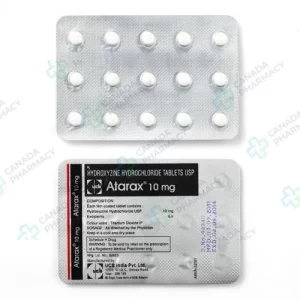
Atarax
Price range: $ 42,00 through $ 150,00
Active substance: Hydroxyzine
More Details
This product has multiple variants. The options may be chosen on the product page
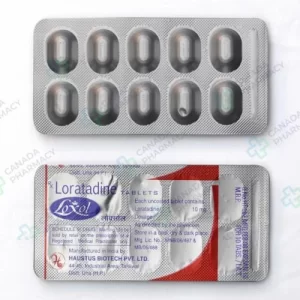
Claritin
Price range: $ 43,00 through $ 143,00
Active substance: Loratadine
More Details
This product has multiple variants. The options may be chosen on the product page
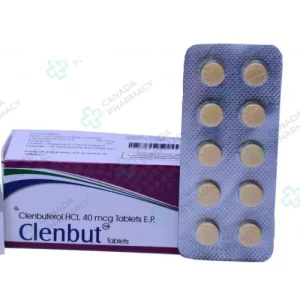
Clenbuterol
Price range: $ 40,00 through $ 450,00
Active substance: Clenbuterol
More Details
This product has multiple variants. The options may be chosen on the product page
Decadron
Price range: $ 12,00 through $ 182,00
Active substance: Dexamethasone
More Details
This product has multiple variants. The options may be chosen on the product page
Flutivate Skin Cream
Price range: $ 24,00 through $ 91,00
Active substance: fluticasone
More Details
This product has multiple variants. The options may be chosen on the product page

Ketasma
Price range: $ 10,00 through $ 23,00
Active substance: Ketotifen Fumarate
More Details
This product has multiple variants. The options may be chosen on the product page
Prednisolone
Price range: $ 40,00 through $ 210,00
Active substance: prednisolone
More Details
This product has multiple variants. The options may be chosen on the product page