

-5%
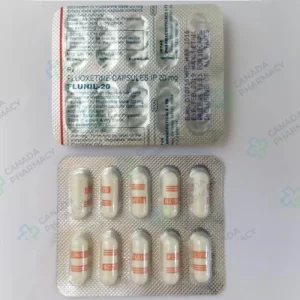
Fluoxetine
Price range: $ 40,00 through $ 179,00
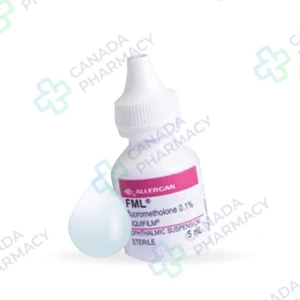
FML Forte
Price range: $ 43,00 through $ 166,00
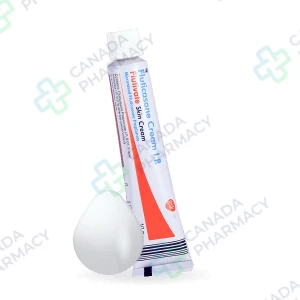
Flutivate Skin Cream
Price range: $ 24,00 through $ 91,00
Flutivate Skin Cream is a potent topical corticosteroid designed to provide effective relief from a variety of inflammatory skin conditions. It is commonly used to treat symptoms associated with eczema, psoriasis, and various types of dermatitis. The active ingredient, Fluticasone propionate, works by reducing the swelling, redness, and itching that often accompany skin irritations. Its smooth cream formulation allows for easy application and targeted delivery to the affected areas of the skin. Regular use helps restore skin health and improves overall comfort by calming persistent flare-ups.
Active substance: fluticasone
Delivery: 5–21 days (depending on the shipping method)
Extra 10% discount with coupon: IT4K6SVM
Each dosage option has its own packaging choices.
Description
Flutivate Skin Cream belongs to the class of topical corticosteroids containing the active synthetic glucocorticoid fluticasone propionate at a concentration of 0.05%. In the United States, topical fluticasone propionate preparations are classified as prescription-only (Rx) medications regulated by the U.S. Food and Drug Administration (FDA).
This medication is clinically prescribed to relieve cutaneous inflammation, redness, and itching associated with various corticosteroid-responsive skin conditions. Proper administration requires strict adherence to professional medical guidance to maximize therapeutic benefit while minimizing potential localized and systemic adverse effects.
| Parameter | Clinical Details |
|---|---|
| Drug Name | Flutivate Skin Cream |
| Active Ingredient | Fluticasone propionate (0.05%) |
| Therapeutic Class | Medium-potency topical corticosteroid (Glucocorticoid) |
| Dosage Form | Topical cream |
| Route of Administration | Topical (dermatological application only) |
| Primary Purpose | Relief of inflammatory and pruritic manifestations of corticosteroid-responsive dermatoses |
| Prescription Status | Prescription (Rx) only |
Clinical Information and Guidance
How the drug works
Fluticasone propionate is a medium-potency synthetic fluorinated corticosteroid possessing anti-inflammatory, antipruritic, and vasoconstrictive properties. At the cellular level, the active compound diffuses across cell membranes and binds with high affinity to cytoplasmic glucocorticoid receptors. This receptor-ligand complex translocates to the cell nucleus, where it modulates gene transcription, inhibiting the synthesis of inflammatory mediators such as prostaglandins and leukotrienes. Additionally, it decreases the release of inflammatory cytokines, reduces vascular permeability, and limits the migration of polymorphonuclear leukocytes and macrophages to affected cutaneous tissue. Consequently, localized swelling, erythema, and pruritus are suppressed effectively.
What it’s used for
Flutivate Skin Cream is indicated for the relief of the inflammatory and pruritic manifestations of corticosteroid-responsive dermatoses in adult and pediatric patients aged 3 months and older. Clinical indications include moderate-to-severe atopic dermatitis, eczema, localized plaque psoriasis involving body surfaces appropriate for medium-potency steroids, allergic contact dermatitis, and seborrheic dermatitis. It acts to manage active inflammatory flare-ups rather than serving as a permanent cure for underlying chronic skin conditions. Off-label use for non-approved dermatological conditions should occur strictly under the supervision of a licensed healthcare provider, as unmonitored application on viral, fungal, or bacterial cutaneous lesions can exacerbate underlying infections.
Dosing schedule
Flutivate Skin Cream is formulated strictly for topical dermatological administration and must not be used via ophthalmic, oral, or intravaginal routes. Patients should apply a thin layer of cream to the affected skin areas once or twice daily, as directed by the prescribing physician. The cream should be gently rubbed into the skin until completely absorbed. Occlusive dressings (such as plastic wrap or tight bandages) should not be applied over the treated area unless explicitly instructed by a clinician, as occlusion significantly increases systemic absorption and toxicity risks. Treatment duration should be kept to the minimum necessary to achieve therapeutic response, typically not exceeding two consecutive weeks without medical re-evaluation.
What happens in the body
Percutaneous absorption of fluticasone propionate depends on multiple factors, including epidermal integrity, application site, total surface area treated, and the presence of skin inflammation or occlusive barriers. Minimal systemic absorption occurs following topical application on intact skin. Any absorbed fluticasone propionate binds extensively to human plasma proteins (approximately 91%) and circulates bound to cortisol-binding globulin. Systemically absorbed corticosteroid undergoes rapid hepatic metabolism primarily mediated by the cytochrome P450 enzyme CYP3A4, yielding an inactive carboxylic acid metabolite. Systemic clearance is high, and the elimination half-life following systemic availability is short, though topical retention in the stratum corneum determines localized therapeutic duration. Excretion occurs predominantly via feces and urine.
Compatibility with other medicines
Significant systemic drug interactions are uncommon with topical fluticasone propionate due to low systemic absorption under normal usage conditions. However, concomitant use of strong cytochrome P450 3A4 (CYP3A4) inhibitors–such as ritonavir, ketoconazole, or itraconazole–can inhibit the hepatic metabolism of any systemically absorbed fluticasone. This inhibition can lead to increased systemic corticosteroid exposure and heightened risk of hypothalamic-pituitary-adrenal (HPA) axis suppression. Co-application of other topical agents, skin cleansers, or barrier creams on the exact same target site should be avoided simultaneously unless advised by a healthcare provider, as mixing products may alter absorption kinetics or reduce therapeutic efficacy.
Adverse reactions
Topical application of Flutivate Skin Cream is generally well tolerated, but localized and systemic adverse reactions may occur. Common localized side effects include mild burning, stinging, irritation, dryness, or pruritus at the application site. Prolonged or intensive use of medium-potency topical steroids can cause localized skin atrophy, telangiectasia (visible small blood vessels), striae (stretch marks), hypertrichosis, hypopigmentation, and acneiform eruptions. Secondary bacterial or fungal skin infections may also develop due to localized immunosuppression. Systemic side effects, though infrequent with proper use, include reversible hypothalamic-pituitary-adrenal (HPA) axis suppression, manifestations of Cushing’s syndrome, hyperglycemia, and glucosuria, particularly when applied to large surface areas or under occlusion.
Important precautions
Topical corticosteroids can be absorbed in sufficient quantities to produce systemic glucocorticoid effects. Patients receiving application to large body surface areas, damaged skin, or under occlusive dressings require periodic monitoring for HPA axis suppression via morning plasma cortisol or ACTH stimulation testing. If HPA axis suppression is detected, withdrawal of the drug or reduction in frequency of application should be initiated under medical supervision. Pediatric patients are proportionally more vulnerable to systemic toxicity and adrenal suppression due to a higher skin surface area-to-body mass ratio. Avoid contact with the eyes, eyelids, and mucous membranes. Flutivate Skin Cream should not be used for facial rosacea, perioral dermatitis, or primary untreated cutaneous infections.
First days of treatment
Upon initiating treatment with Flutivate Skin Cream, patients typically notice a reduction in localized itching and erythema within 24 to 48 hours. A mild transient sensation of warmth or stinging may occur upon initial application. If skin symptoms do not demonstrate measurable clinical improvement within 2 weeks of consistent use, or if localized irritation worsens significantly, treatment should be paused and re-evaluated by the prescribing healthcare professional.
If you skip a dose
If a scheduled application of Flutivate Skin Cream is missed, apply the cream as soon as remembered, provided it is not almost time for the next scheduled application. If the next dose is due shortly, skip the missed dose and resume the regular application schedule. Do not apply extra cream or double the amount to compensate for a missed dose, as excessive application increases the risk of local and systemic side effects.
Special populations
During pregnancy, Flutivate Skin Cream should be used only if the potential benefit justifies the potential risk to the fetus, as adequate controlled studies in pregnant women are lacking; topical steroids should not be applied extensively in high quantities during pregnancy. It is unknown whether topical administration results in sufficient systemic absorption to produce detectable quantities in human breast milk; caution is advised when administered to nursing mothers, and application directly to the chest or nipple area should be strictly avoided. Safety and effectiveness in pediatric patients under 3 months of age have not been established. Elderly patients should be monitored for increased skin fragility.
Storage and expiration
Flutivate Skin Cream should be stored at controlled room temperature between 15°C and 25°C (59°F and 77°F). Protect the container from freezing, excessive heat, and direct sunlight. Keep the tube tightly closed when not in use. Keep out of reach of children and pets. Do not use the medication beyond the expiration date printed on the tube or outer packaging. Discard any unused product safely in accordance with local environmental regulations.
Common Questions
Can Flutivate Skin Cream be applied to facial skin?
Facial skin is significantly thinner and more sensitive to corticosteroid-induced atrophy than other body regions. Application of Flutivate Skin Cream to the face should be limited strictly to instances where a physician has explicitly prescribed it, and the treatment duration on facial skin should be kept as short as possible (typically a few days). Avoid applying near the eyes to prevent glaucoma or cataract risk.
What happens if treatment is stopped abruptly?
Abrupt cessation of topical corticosteroid therapy after prolonged or intensive use can lead to a rebound flare of the underlying dermatosis, characterized by intense redness, burning, and itching. To prevent rebound phenomena, healthcare providers often recommend gradually tapering the frequency of application before complete discontinuation.
Is it safe to apply cosmetics over treated areas?
Cosmetics, emollient lotions, or sunscreens should not be applied immediately over Flutivate Skin Cream. Allow the corticosteroid cream to absorb fully into the skin for at least 15 to 30 minutes before applying any secondary skin products. Applying products simultaneously may alter the absorption kinetics or efficacy of the medication.
Can this cream be used on broken skin or ulcers?
Flutivate Skin Cream should not be applied to open wounds, ulcerated skin, or actively oozing lesions. Corticosteroids impair tissue repair mechanisms and suppress localized immune responses, which can delay wound healing and increase the risk of invasive bacterial or fungal cutaneous infections.
Does Flutivate Skin Cream affect the ability to drive?
Topical administration of fluticasone propionate does not affect central nervous system function or psychomotor performance. It has no known impact on the ability to drive motor vehicles or operate machinery safely.
In accordance with FDA regulatory standards.
This text is for informational purposes only and does not constitute individual medical advice.
Additional information
| Dosage |
0.05% 10 gm |
|---|---|
| Package |
3 tubes ,6 tubes ,12 tubes |
| Ενεργός Ουσία |
Related products
Alavert
Price range: $ 47,00 through $ 118,00
Active substance: Loratadine
More Details
This product has multiple variants. The options may be chosen on the product page
Deltasone
Price range: $ 47,00 through $ 296,00
Active substance: Prednisone
More Details
This product has multiple variants. The options may be chosen on the product page
Entocort
Price range: $ 61,00 through $ 628,00
Active substance: Budesonide
More Details
This product has multiple variants. The options may be chosen on the product page
Flixotide Nasal Spray 100 doses
Price range: $ 54,00 through $ 220,00
Active substance: fluticasone
More Details
This product has multiple variants. The options may be chosen on the product page
FML Forte
Price range: $ 43,00 through $ 166,00
Active substance: Fluorometholone
More Details
This product has multiple variants. The options may be chosen on the product page
Phenergan
Price range: $ 42,00 through $ 136,00
Active substance: Promethazine
More Details
This product has multiple variants. The options may be chosen on the product page
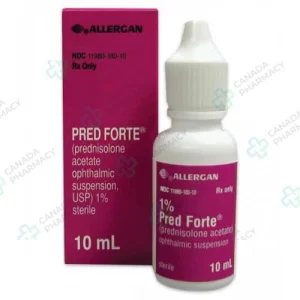
Pred Forte
Price range: $ 42,00 through $ 72,00
Active substance: prednisolone
More Details
This product has multiple variants. The options may be chosen on the product page
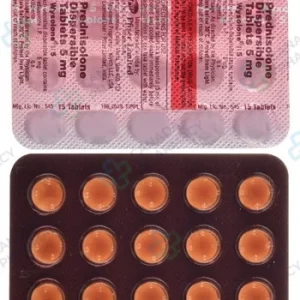
Prednisolone
Price range: $ 40,00 through $ 210,00
Active substance: prednisolone
More Details
This product has multiple variants. The options may be chosen on the product page