

-92%
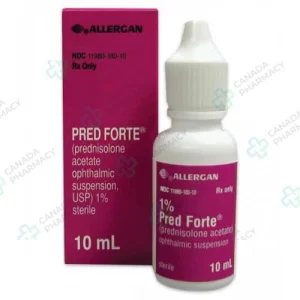
Pred Forte
Price range: $ 42,00 through $ 72,00
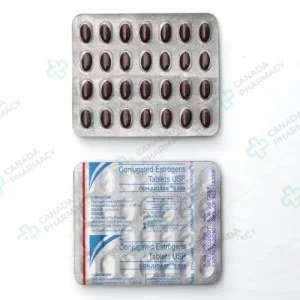
Premarin
Price range: $ 379,00 through $ 705,00
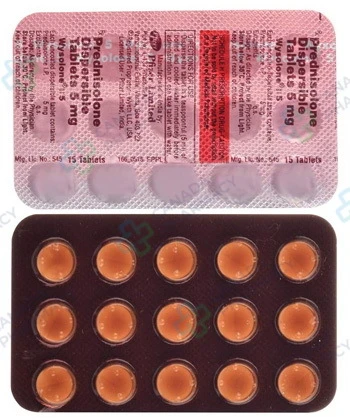
Prednisolone
Price range: $ 40,00 through $ 210,00
Prednisolone is a versatile corticosteroid medication used to effectively manage a broad range of inflammatory and autoimmune conditions. It functions by decreasing the body’s natural immune response and reducing the production of chemicals that cause inflammation. This medication is commonly indicated for treating severe allergic reactions, asthma flare-ups, and various forms of arthritis. Additionally, it helps manage chronic skin disorders, such as psoriasis, and certain blood or endocrine system conditions. By targeting the source of swelling and pain, Prednisolone provides reliable relief for many complex health challenges.
Active substance: prednisolone
Delivery: 5–21 days (depending on the shipping method)
Extra 10% discount with coupon: IT4K6SVM
Each dosage option has its own packaging choices.
Description
Prednisolone: Information for Patients and Caregivers
Prednisolone belongs to a class of medications known as synthetic glucocorticoids, which exhibit potent anti-inflammatory and immunosuppressive properties. It is prescribed across various medical specialties to suppress hyperactive immune responses and control complex inflammatory processes in the body. As a prescription-only pharmaceutical in the United States, its administration requires precise clinical oversight to tailor dosage regimens and minimize systemic adverse effects.
The therapeutic activity of prednisolone closely mimics the biological actions of endogenous cortisol produced by the adrenal cortex, albeit with significantly greater potency. Because systemic absorption alters multiple metabolic and immunologic pathways, patients must follow specific prescribing instructions established by their healthcare provider. Regular monitoring may be required during prolonged or high-dose therapy.
| Parameter | Details |
|---|---|
| Active Ingredient | Prednisolone |
| Therapeutic Class | Corticosteroids (Glucocorticoids) |
| Dosage Forms | Oral tablet, oral disintegrating tablet, oral solution |
| Route of Administration | Oral |
| Prescription Status | Prescription (Rx) only |
| Primary Purpose | Reduction of inflammation and suppression of inflammatory/autoimmune immune responses |
How the drug works
The primary mechanism of action of prednisolone involves the diffusion of the drug across cell membranes to bind with high affinity to specific cytoplasmic glucocorticoid receptors. The resulting drug-receptor complex translocates directly into the cell nucleus, where it binds to glucocorticoid response elements on DNA. This process modulates gene transcription, inhibiting the synthesis of pro-inflammatory cytokines, chemokines, and inflammatory enzymes such as cyclooxygenase-2 (COX-2) and inducible nitric oxide synthase (iNOS). Furthermore, prednisolone decreases capillary permeability, inhibits the migration of polymorphonuclear leukocytes, and stabilizes lysosomal membranes, thereby dampening cellular immune responses and controlling acute or chronic localized tissue destruction.
Main uses
Prednisolone is indicated for the management of diverse medical conditions characterized by pathological inflammation or immune dysregulation. FDA-approved indications include severe allergic reactions (such as asthma exacerbations, serum sickness, and contact dermatitis), rheumatic disorders (including rheumatoid arthritis and ankylosing spondylitis), dermatologic conditions (such as pemphigus and severe erythema multiforme), and hematologic conditions (like immune thrombocytopenia). It is also indicated in gastroenterology for ulcerative colitis flare-ups and in nephrology for nephrotic syndrome. In addition, prescribers may utilize prednisolone for off-label applications, such as Bell’s palsy or acute flares of gout, based on specific clinical evidence and individual patient needs.
Dosing schedule
Dosage requirements for prednisolone are highly variable and must be individualised according to the specific condition being treated, disease severity, and patient response. Initial therapeutic regimens may range from 5 mg to 60 mg per day given as a single morning dose or in divided doses throughout the day. High starting doses are often titrated downward as clinical response is achieved to establish the lowest effective maintenance dose. For short-term acute exacerbations, a burst regimen lasting a few days to two weeks may be utilized. When discontinuing treatment after administration exceeding several days, the dose must be tapered gradually under physician guidance to avoid precipitating adrenal insufficiency.
How it’s absorbed and eliminated
Following oral administration, prednisolone is rapidly and efficiently absorbed from the gastrointestinal tract, achieving peak plasma concentration within one to two hours. The drug exhibits significant binding to plasma proteins, predominantly transcortin (corticosteroid-binding globulin) and albumin. Prednisolone is metabolized primarily by hepatic enzymes through phase I oxidative metabolism and phase II conjugation reactions. The plasma half-life of prednisolone is approximately 2 to 4 hours, whereas its biological half-life ranges from 18 to 36 hours due to sustained genomic mechanisms. Inactive metabolites are excreted predominantly by the kidneys via urine, with a small fraction cleared through feces.
Compatibility with other medicines
Prednisolone demonstrates numerous clinically significant drug interactions that require monitoring or dose modification. Concomitant administration with nonsteroidal anti-inflammatory drugs (NSAIDs), such as ibuprofen or naproxen, markedly increases the risk of gastrointestinal ulceration and bleeding. Co-administration with strong hepatic CYP3A4 enzyme inducers (e.g., rifampin, carbamazepine, phenytoin) accelerates prednisolone clearance, potentially reducing its clinical effectiveness. Conversely, CYP3A4 inhibitors (e.g., ketoconazole, clarithromycin) may decrease clearance and elevate systemic exposure. Prednisolone may also reduce the plasma concentration of certain anticoagulants or impair glycemic control, requiring adjustments in insulin or oral antidiabetic drug dosages.
Adverse reactions
Short-term use of prednisolone is generally well tolerated, though early adverse reactions may include insomnia, mood alterations, fluid retention, increased appetite, and mild blood pressure elevations. Prolonged or high-dose therapy carries a higher risk of systemic side effects affecting multiple organ systems. Metabolic and endocrine side effects include Cushingoid features (moon face, central obesity), hyperglycemia, hypokalemia, and secondary adrenal suppression. Musculoskeletal complaints include muscle weakness (steroid myopathy), loss of bone mineral density (osteoporosis), and increased risk of fractures. Dermatologic effects involve skin thinning, easy bruising, impaired wound healing, and acne form eruptions. Ophthalmic complications comprise posterior subcapsular cataracts and elevated intraocular pressure.
Important precautions
Prior to initiating therapy, clinicians must evaluate the patient for existing infections, as prednisolone can mask active infection signs and impair defense mechanisms against bacterial, viral, fungal, or parasitic pathogens. Patients with active latent tuberculosis, ocular herpes simplex, or systemic fungal infections require specialized management. Caution is advised in individuals with hypertension, congestive heart failure, renal impairment, peptic ulcer disease, diverticulitis, diabetes mellitus, or pre-existing psychiatric conditions. In pediatric populations, prolonged daily administration can cause growth suppression, necessitating close height and weight monitoring. Pregnant and nursing women should use prednisolone only when the expected clinical benefits clearly outweigh potential fetal or infant risks.
Missed dose
If a scheduled dose of prednisolone is missed, it should be taken as soon as remembered on the same day. However, if it is almost time for the next scheduled dose, the missed dose should be skipped and the regular dosing schedule resumed. Patients should never double the dose or take extra medication to compensate for a missed administration. If a daily single-dose morning regimen is missed and remembered the following day, the patient should contact their prescribing clinician or pharmacist for guidance rather than altering the prescribed routine independently.
Food and alcohol interactions
Administering prednisolone with food or milk helps reduce gastrointestinal irritation and stomach upset. Consuming alcohol while taking systemic corticosteroids can compound gastric mucosal irritation, increasing the risk of peptic ulceration and internal bleeding. Patients receiving long-term treatment should maintain adequate dietary intake of calcium and vitamin D to mitigate bone density loss. Additionally, dietary sodium restriction and potassium supplementation may be recommended if significant fluid retention or hypokalemia occurs during extended high-dose therapy.
When to get emergency care
Immediate medical attention is required if patients experience signs of severe hypersensitivity, such as swelling of the face, lips, tongue, or throat, or acute breathing difficulty. Symptoms indicative of severe gastrointestinal bleeding–including severe abdominal pain, vomiting blood, or black, tarry stools–demand urgent emergency department evaluation. Patients presenting with sudden vision changes, severe eye pain, high fever without an obvious source, extreme muscle weakness, rapid irregular heartbeats, or acute severe mood changes (such as confusion or severe depression) should seek emergency clinical care immediately.
Storage and expiration
Prednisolone oral formulations should be stored at controlled room temperature, typically between 68°F and 77°F (20°C to 25°C), with permitted excursions between 59°F and 86°F (15°C to 30°C). The medication must be kept in its original light-resistant container, tightly closed, and protected from excessive heat and direct moisture. Oral liquid preparations should be kept from freezing, and some liquid formulations may require specific handling instructions detailed on the pharmacy label. Medications should be kept out of reach of children and disposed of properly upon reaching the expiration date printed on the packaging.
Common Questions Regarding Prednisolone
What happens if a dose of prednisolone is missed?
Taking the missed dose as soon as it is remembered on the same day is generally recommended. If the time is close to the next scheduled dose, skip the missed dose completely and continue with the standard schedule. Do not take two doses at once to make up for a missed dose. If multiple doses are missed in succession, consult the prescribing physician to determine whether the titration schedule needs adjustment.
Why must prednisolone be tapered gradually rather than stopped abruptly?
Exogenous corticosteroid therapy suppresses the hypothalamic-pituitary-adrenal (HPA) axis, reducing the body’s natural synthesis of endogenous cortisol. Abrupt cessation after extended use can lead to acute adrenal crisis, characterized by severe fatigue, hypotension, nausea, body aches, and potential cardiovascular collapse. Tapering the dosage slowly over days, weeks, or months allows the adrenal glands sufficient time to resume normal hormone production safely.
How does prednisolone affect blood glucose levels in diabetic patients?
Prednisolone stimulates hepatic gluconeogenesis and decreases peripheral insulin sensitivity, leading to elevated blood glucose levels. Patients with pre-existing diabetes mellitus or impaired glucose tolerance may experience significant hyperglycemia requiring increased frequency of blood glucose monitoring. Dosage adjustments of insulin or oral antidiabetic agents are frequently necessary during corticosteroid therapy under physician supervision.
Can live vaccines be administered while taking prednisolone?
Administration of live or live-attenuated vaccines (such as MMR or varicella vaccines) is generally contraindicated in patients receiving immunosuppressive doses of prednisolone. Because prednisolone suppresses normal antibody responses and cell-mediated immunity, live vaccines may result in uncontrolled viral or bacterial replication and reduced vaccine efficacy. Inactivation or killed vaccines may be administered, though the resulting immune response may be attenuated.
In accordance with FDA requirements.
Information on this page is for reference and does not replace an assessment by a licensed healthcare professional.
Additional information
| Dosage |
5mg ,10mg ,20mg ,40mg |
|---|---|
| Package |
10 pills ,20 pills ,30 pills ,60 pills ,90 pills ,120 pills ,180 pills ,270 pills ,360 pills |
| Ενεργός Ουσία |
Related products
Alavert
Price range: $ 47,00 through $ 118,00
Active substance: Loratadine
More Details
This product has multiple variants. The options may be chosen on the product page
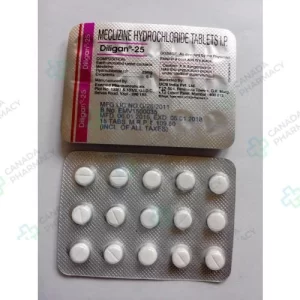
Antivert
Price range: $ 45,00 through $ 121,00
Active substance: Meclizine
More Details
This product has multiple variants. The options may be chosen on the product page
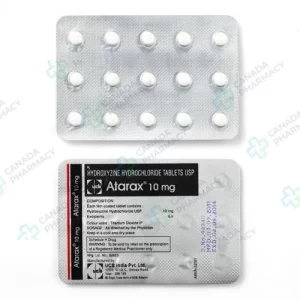
Atarax
Price range: $ 42,00 through $ 150,00
Active substance: Hydroxyzine
More Details
This product has multiple variants. The options may be chosen on the product page
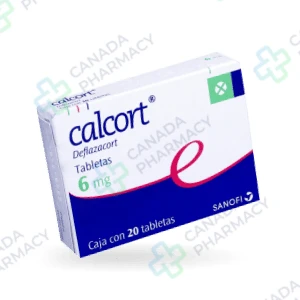
Calcort
Price range: $ 54,00 through $ 430,00
Active substance: Deflazacort
More Details
This product has multiple variants. The options may be chosen on the product page
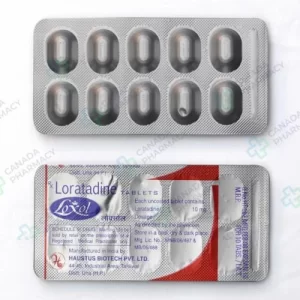
Claritin
Price range: $ 43,00 through $ 143,00
Active substance: Loratadine
More Details
This product has multiple variants. The options may be chosen on the product page
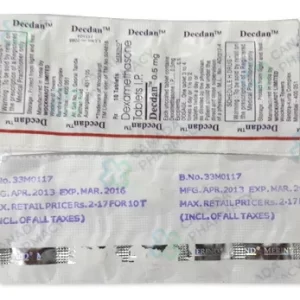
Decadron
Price range: $ 12,00 through $ 182,00
Active substance: Dexamethasone
More Details
This product has multiple variants. The options may be chosen on the product page
Doxylamine
Price range: $ 10,00 through $ 33,00
Active substance: Doxylamine succinate
More Details
This product has multiple variants. The options may be chosen on the product page
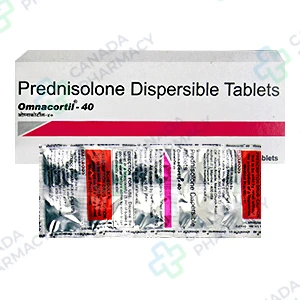
Omnacortil
Price range: $ 51,00 through $ 210,00
Active substance: prednisolone
More Details
This product has multiple variants. The options may be chosen on the product page